The Rise of Online Bespoke Tailoring in Asia: A Shift in Luxury Consumer Behavior
A New Era of Luxury in Asia
Luxury fashion in Asia is undergoing a remarkable transformation. Once defined by exclusive boutiques, private fittings, and in-person experiences, the luxury tailoring industry is now embracing the digital shift. Online bespoke tailoring, once considered impossible for such a tactile, personalized craft has begun to thrive, reshaping consumer expectations and redefining what it means to shop for luxury.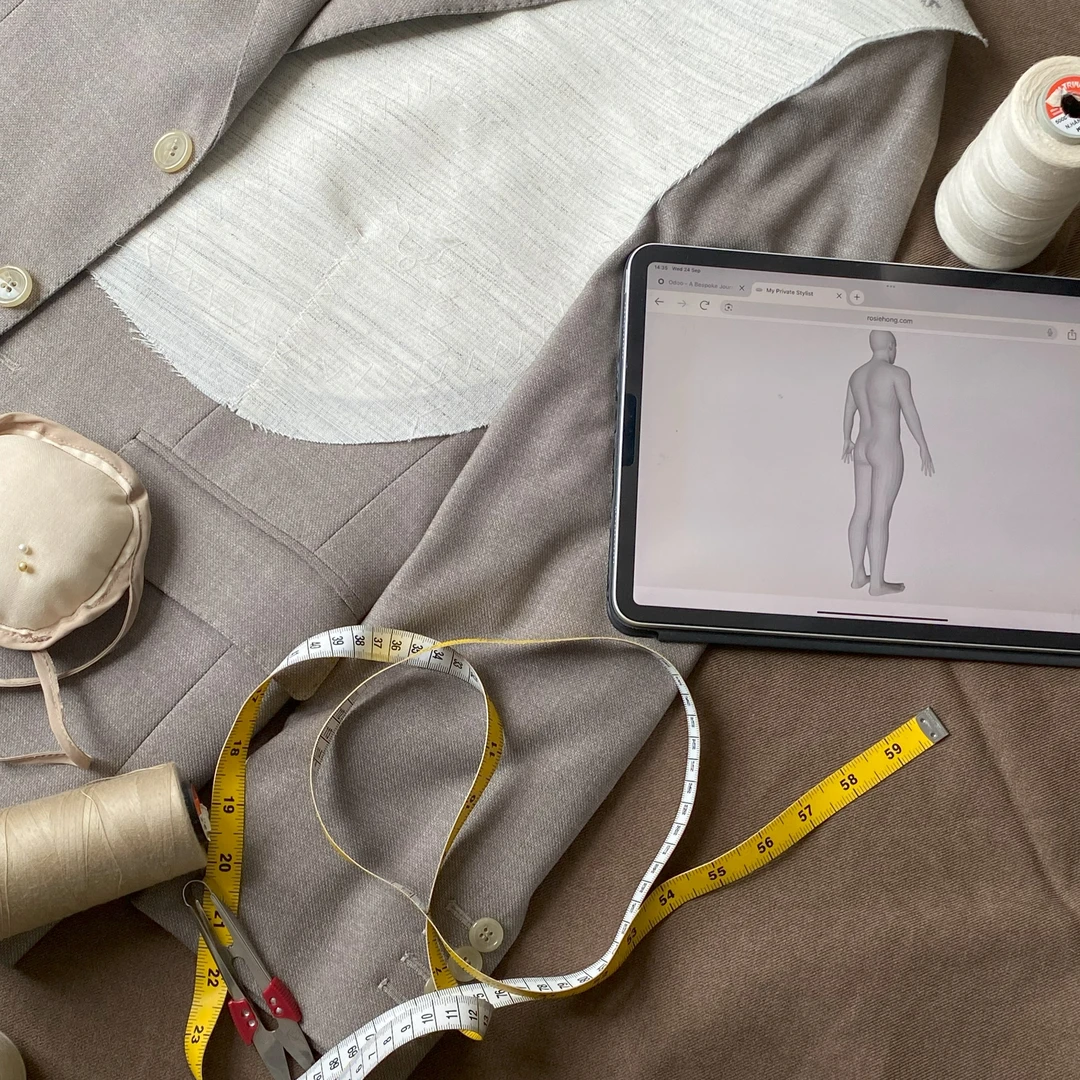
The question on the minds of industry insiders: Could online bespoke tailoring become the new standard for luxury fashion in Asia?
The Growth of Bespoke Tailoring in Asia
For decades, bespoke tailoring was the domain of Europe’s storied houses, catering mostly to elite businessmen. Today, Asia has become one of the most dynamic markets for custom fashion.
- Market size: Asia now accounts for over 50% of global luxury spending, expected to reach $350 billion by 2027 (Bain & Company, 2023).
- Key markets: China, South Korea, Hong Kong, Singapore, and Vietnam are driving demand.
- Consumer trends: Millennials and Gen Z represent ~65% of new luxury buyers in the region, prioritizing personalization over logos (McKinsey Luxury Report, 2023).
At the core of this growth is a desire for individuality. Bespoke tailoring offers garments made to measure, designed for body, style, and lifestyle.
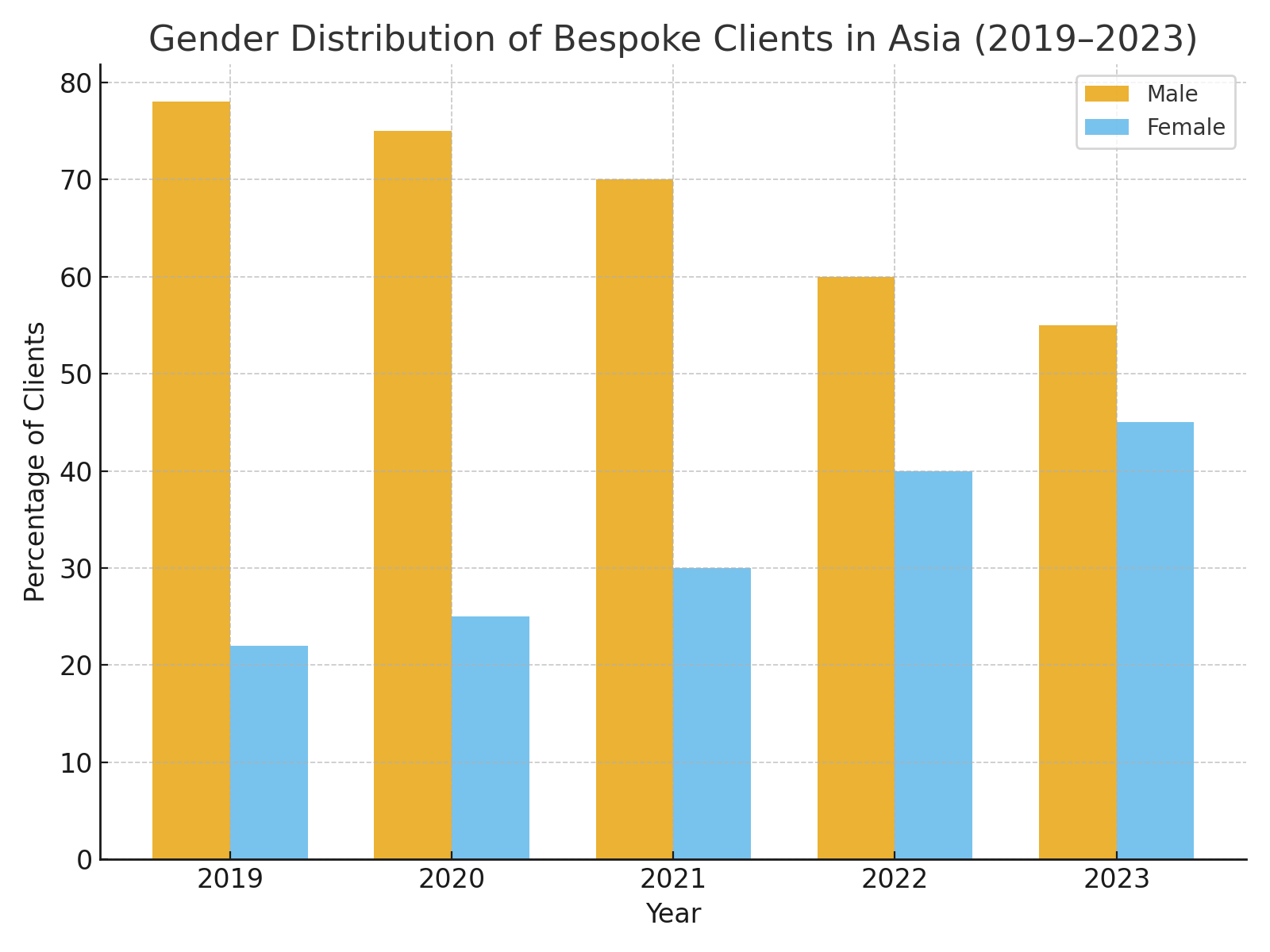
- Gender shift: Women now represent 40 – 45% of bespoke clients in major Asian cities, using tailored workwear and social attire.

Why Online? The Digital Luxury Shift
The COVID-19 pandemic accelerated e-commerce adoption worldwide, including luxury fashion. While traditionalists doubted that bespoke tailoring could move online, technology has proven otherwise.
Key drivers:
- Convenience at scale: Online measurement tools and home-delivered fabric swatches allow luxury consumers to order without visiting a store.
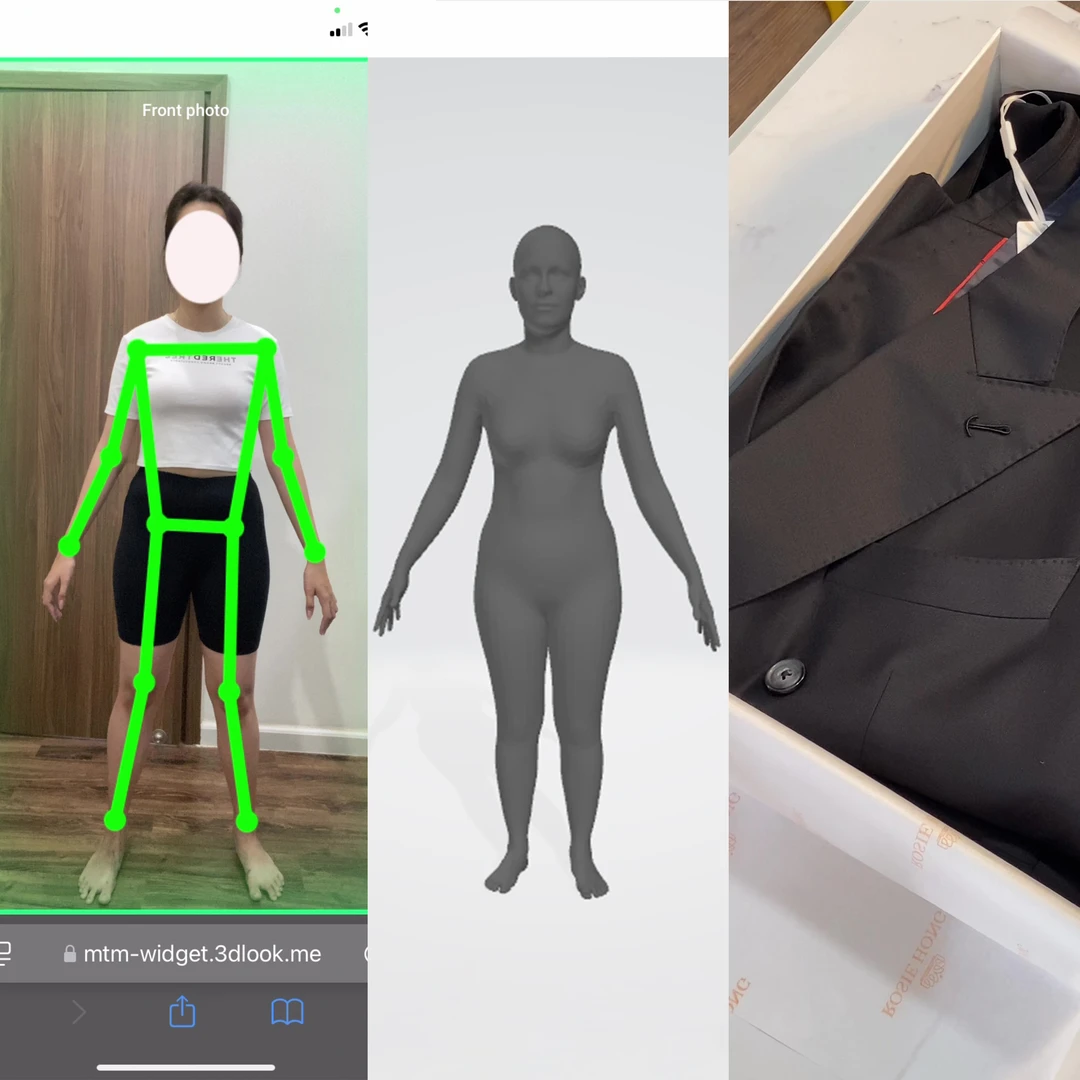
- Technology-driven accuracy: AI-powered fit systems, 3D body scanning apps, and AR try-ons narrow the gap between online and in-person fittings. 3D scans now achieve ±2 mm accuracy, nearly matching professional tailors.
- Digital-native buyers: Gen Z and Millennials are comfortable making high-ticket purchases online. For them, digital interaction is natural even for tailoring.

Key Players and Innovations
Across Asia, startups and established brands are embracing online bespoke tailoring:
- Hong Kong: Tailorly – AI-assisted 3D fitting for men’s workwear.
- Singapore: Sartoria Lab – Women’s bespoke dresses with AR try-ons.
- Vietnam: Rosie Hong Bespoke – Digital platform offering full-body scans and made-to-order garments for men and women.
Emerging innovations:
- 3D body scanning: Generates precise measurements from photos or scans.
- AI measurement tools: Predict perfect fit based on body dimensions and style preferences, reducing return rates by 30 – 40%.
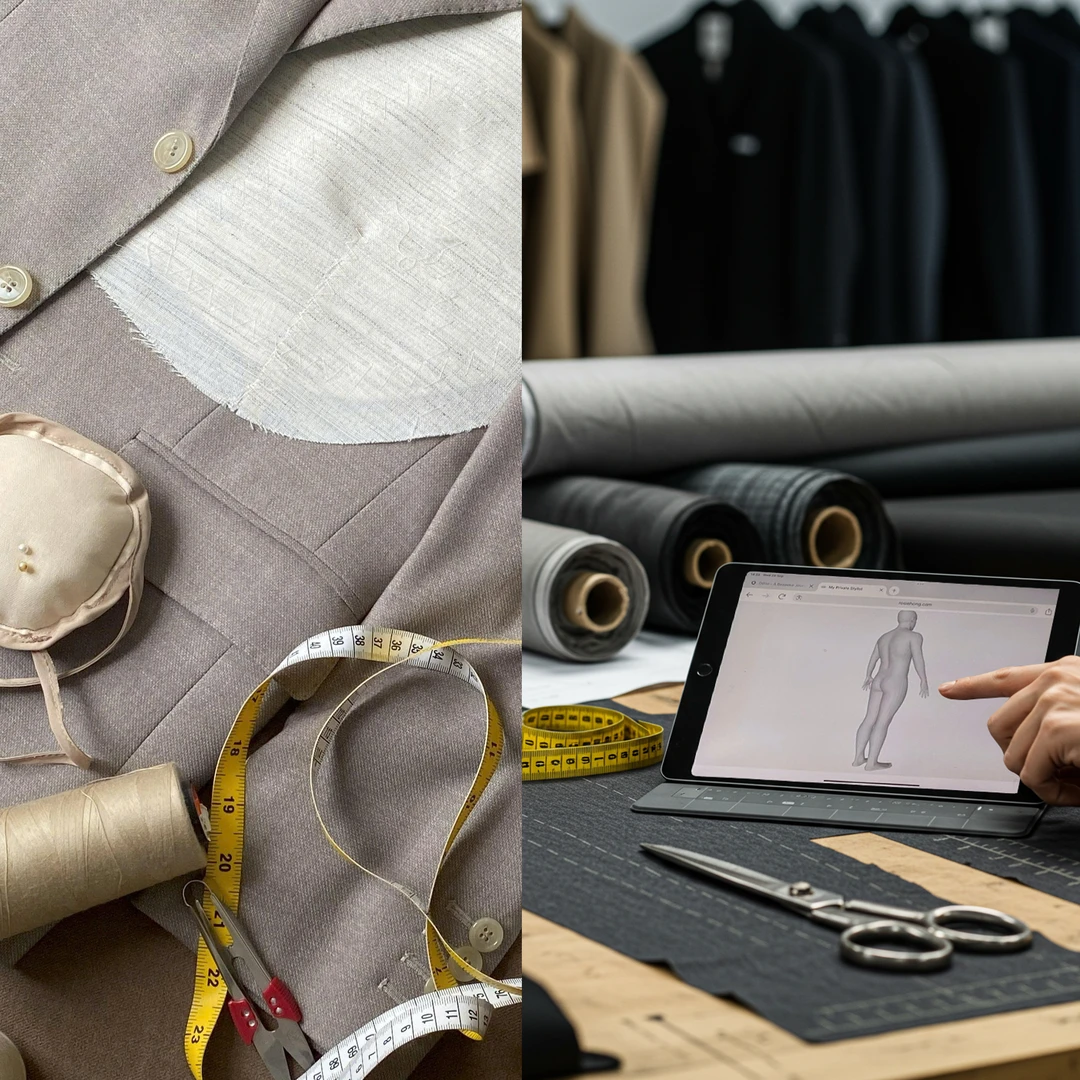
- AR try-ons: Consumers can visualize garment drape and style before ordering.
Shifting Consumer Behavior: From Owning to Experiencing
Online bespoke tailoring is not just about convenience, it reflects a deeper shift in luxury consumer values.
- Buyers seek experience over ownership: A custom suit or dress, co-designed with a tailor, delivers exclusivity and connection.
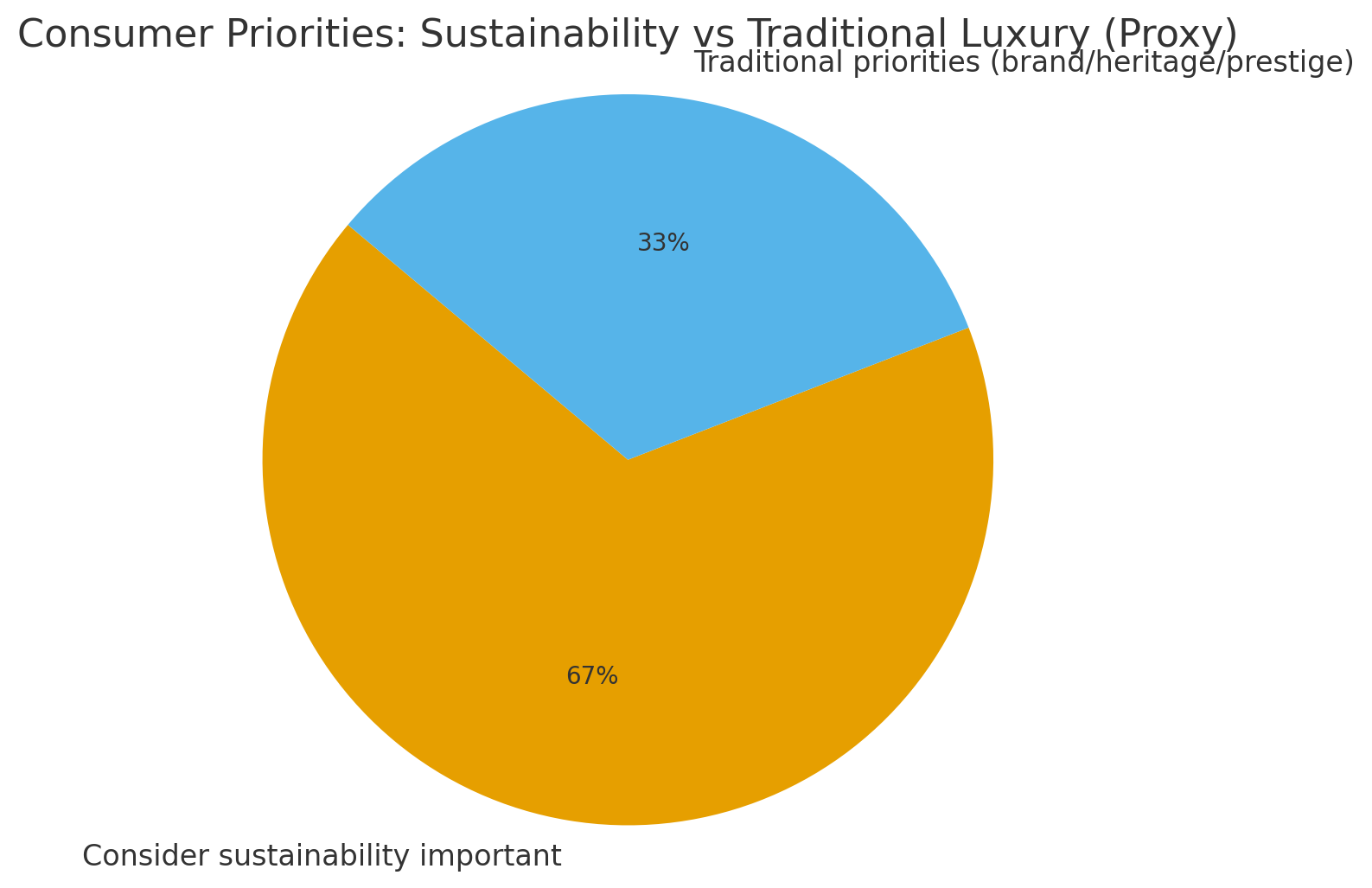
- Growing sustainability awareness: Bespoke garments, made to last, appeal to eco-conscious consumers weary of fast fashion.

Challenges and Concerns
Despite rapid growth, online bespoke tailoring faces hurdles:
- Fit and quality assurance: Luxury buyers expect perfection; remote fittings can’t always match in-person precision.
- Generational resistance: Older consumers may prefer physical boutiques and personal service.
- Logistics and returns: Customized garments cannot be easily exchanged; supply chain efficiency is critical.
Brands that overcome these barriers with hybrid physical-digital experiences and strong communication will capture the market.
Future Outlook
Industry experts predict online bespoke tailoring could become a multi-billion-dollar sector in Asia by 2030. Integration with metaverse experiences, NFTs, and digital fashion may allow customers to own both physical and digital versions of bespoke garments.
Conclusion
The rise of online bespoke tailoring in Asia represents a cultural and behavioral shift in luxury fashion. By merging traditional craftsmanship with technology, the industry is redefining luxury as personal, digital, and sustainable.
For Asian consumers, luxury is no longer about walking into a boutique – it’s about logging in, customizing, and experiencing garments that feel truly one-of-a-kind. This is the future of fashion.