Paris Fashion Week 2025: Minimalism and Sustainability Define Women’s Fashion
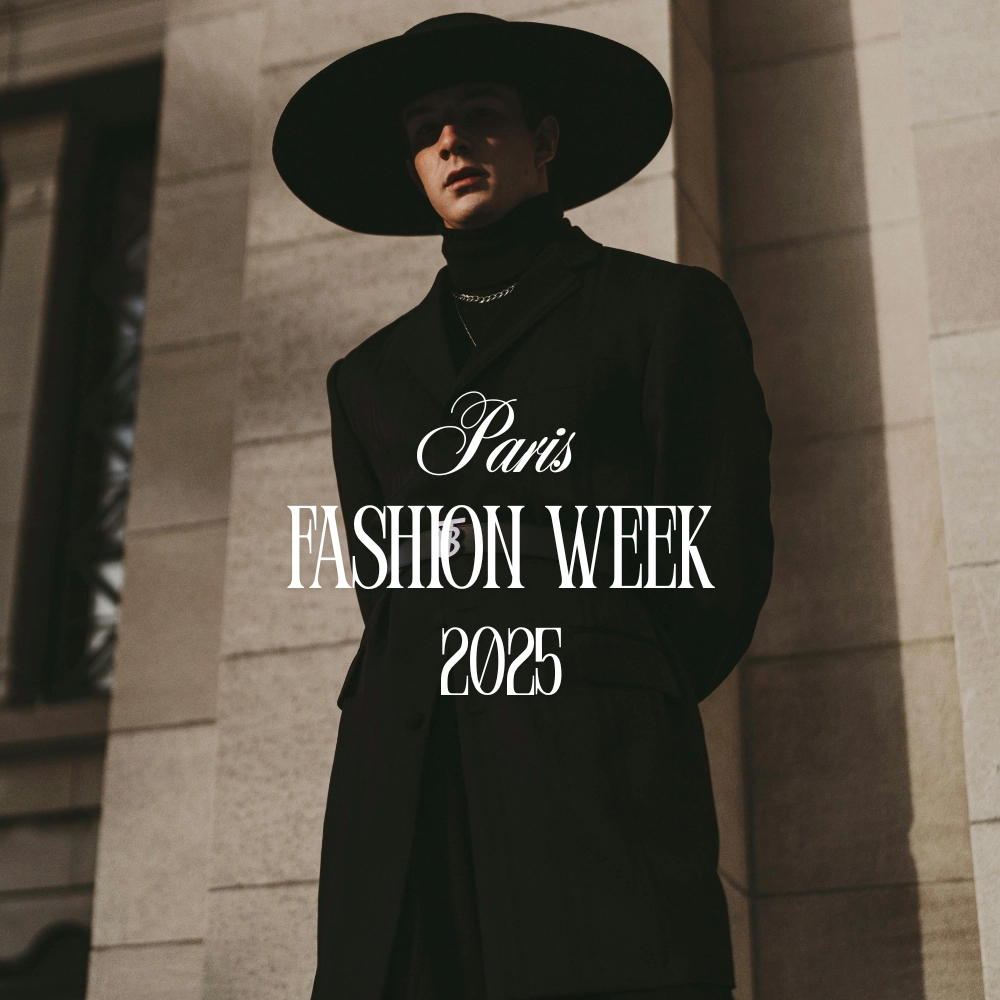
Paris Fashion Week 2025 revealed a quiet yet powerful transformation in women’s fashion. While some designers still leaned into spectacle and theatricality, others embraced a new kind of luxury – one that values restraint, craftsmanship, and responsibility. Rather than rejecting glamour, the season redefined it, turning the spotlight from display to intention.
Minimalist Tailoring Takes Center Stage
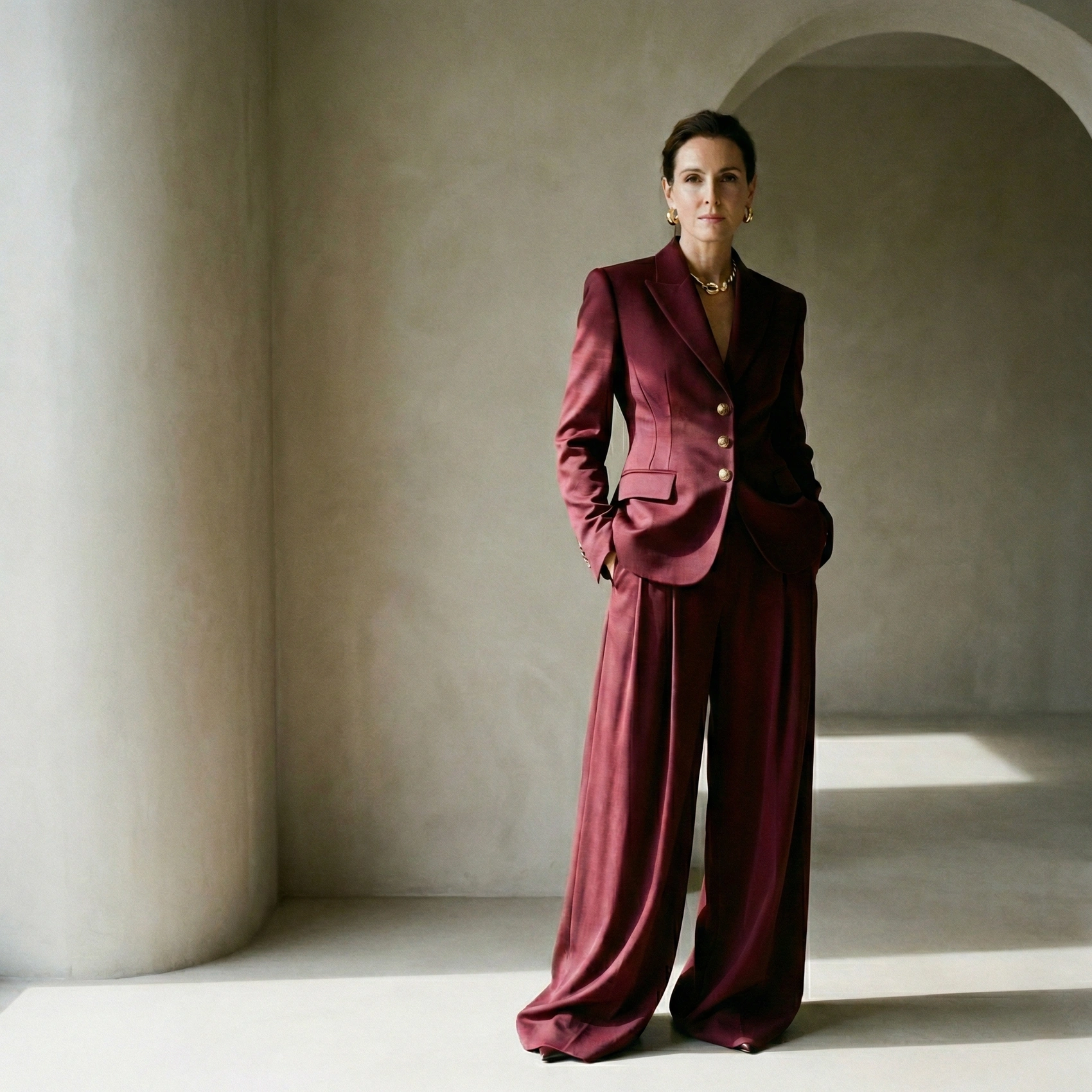
This year’s runways showcased a revival of minimalist tailoring – fluid cuts, structured shoulders, and silhouettes that exude quiet confidence.
- Christopher Esber: Minimalist suiting and pared-back dresses stood out among the designer’s signature sculptural pieces, embodying a refined sensuality rooted in structure rather than excess.
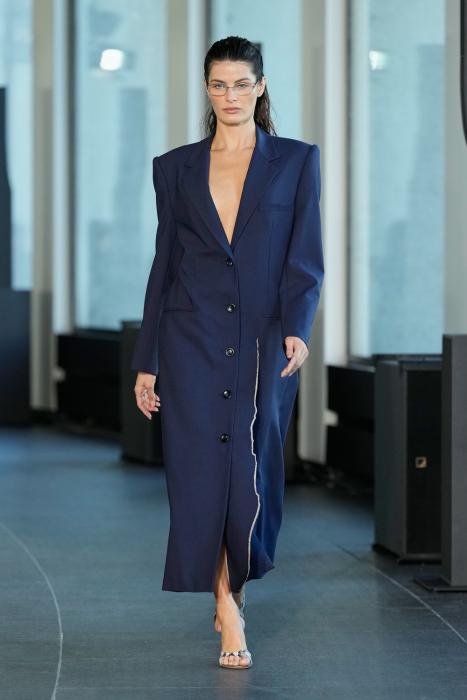
Source: The Fédération de la Haute Couture et de la Mode (FHCM)
- Loulou de Saison: Offered soft silhouettes in ivory and beige tones – subtle, wearable, and timeless, a sharp contrast to the high-saturation looks seen elsewhere.
- Dice Kayek: Returned to its architectural roots, presenting neat tailoring and monochromatic ensembles that emphasized form and proportion over embellishment.
In 2025, minimalism is not about austerity. It is about strength in subtlety clothes that empower without overwhelming, designed to last beyond seasonal cycles.
Even among fashion’s most prominent houses, a quiet evolution is underway. While brands like Balmain and Louis Vuitton still favor bold statements, others including Victoria Beckham and Barbara Bui are redefining luxury through restraint. Their collections favored fluid silhouettes, muted tones, and tactile fabrics that emphasize craftsmanship over logos. This gradual shift marks a new phase of refinement, where prestige is expressed through longevity, material integrity, and timeless design rather than visual excess.
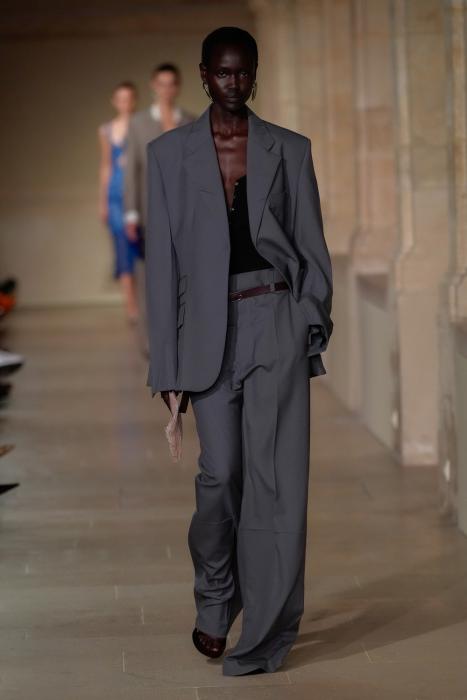
Source: The Fédération de la Haute Couture et de la Mode (FHCM)
Sustainability Leads the Conversation
- Sustainability was no longer a supporting theme – it stood at the forefront.
- At Stella McCartney, the Spring/Summer 2026 collection reaffirmed her ongoing commitment to responsible luxury through design rather than declaration. The garments embraced a palette of understated hues – ivory, beige, black, and blush offering quiet sophistication that feels timeless and versatile. Rather than relying on loud statements, the collection celebrated thoughtful craftsmanship and wearability. Each piece reflected the idea that sustainability is not only about materials, but also about creating garments that last adaptable, enduring, and effortlessly elegant.
The Other Side of the Runway
- Even as quiet luxury gained traction, the allure of opulence still held its ground. Balmain and Schiaparelli brought drama to the runway through sculptural shapes, metallic textures, and bold silhouettes reminders that Paris remains the epicenter of artistic expression.

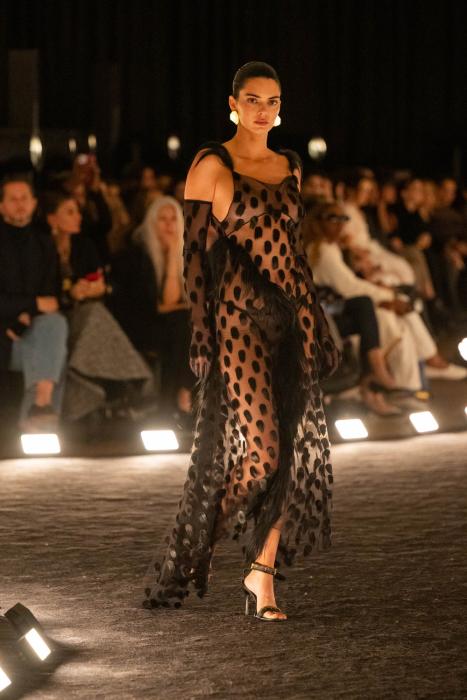
Source: The Fédération de la Haute Couture et de la Mode (FHCM)
- This contrast between restraint and extravagance is what makes Paris Fashion Week uniquely dynamic. It reflects an industry in transition, learning to celebrate both silence and spectacle.
Market Trends Reflect a Shift in Values
- Recent data supports this evolving mindset. According to Bain & Company, the global personal luxury goods market is projected to contract by 2-5% in 2025, following a slight dip to around €364 billion in 2024.
- Yet behind the dip lies a meaningful change: consumers are becoming more deliberate. Younger buyers increasingly associate luxury with sustainability, fit, and authenticity not brand logos. The era of conscious consumption is redefining what “premium” means.
Where Craft Meets Technology
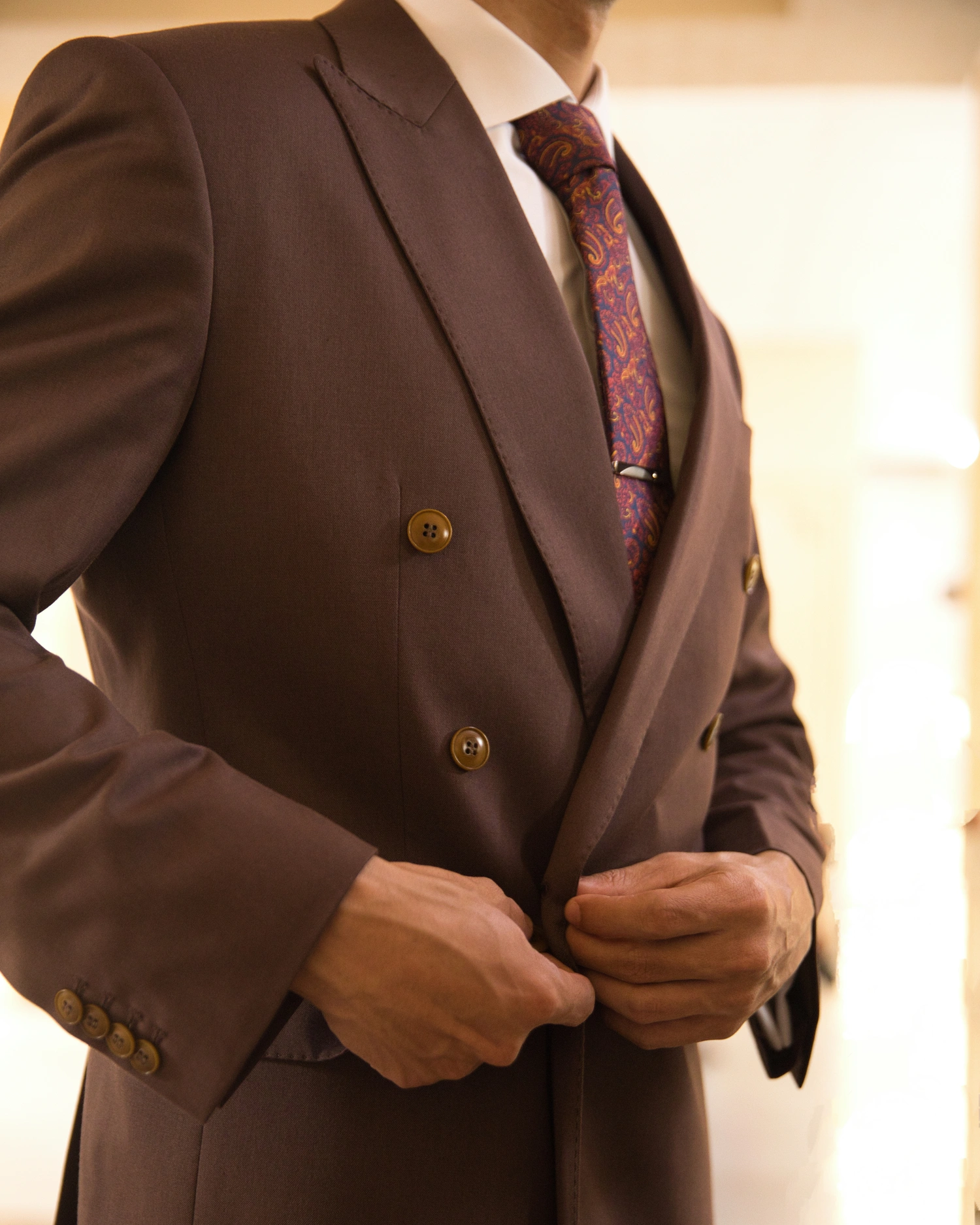
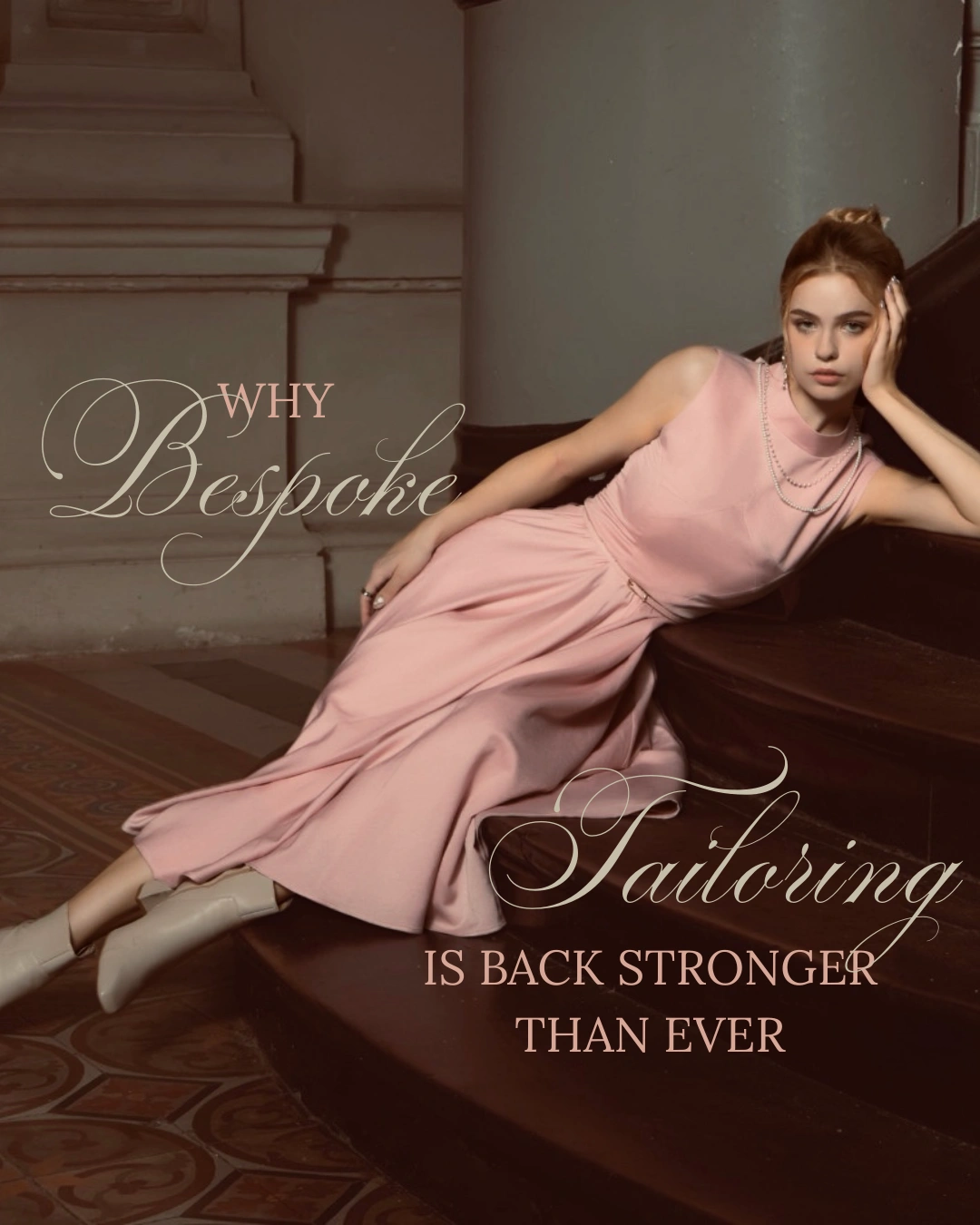
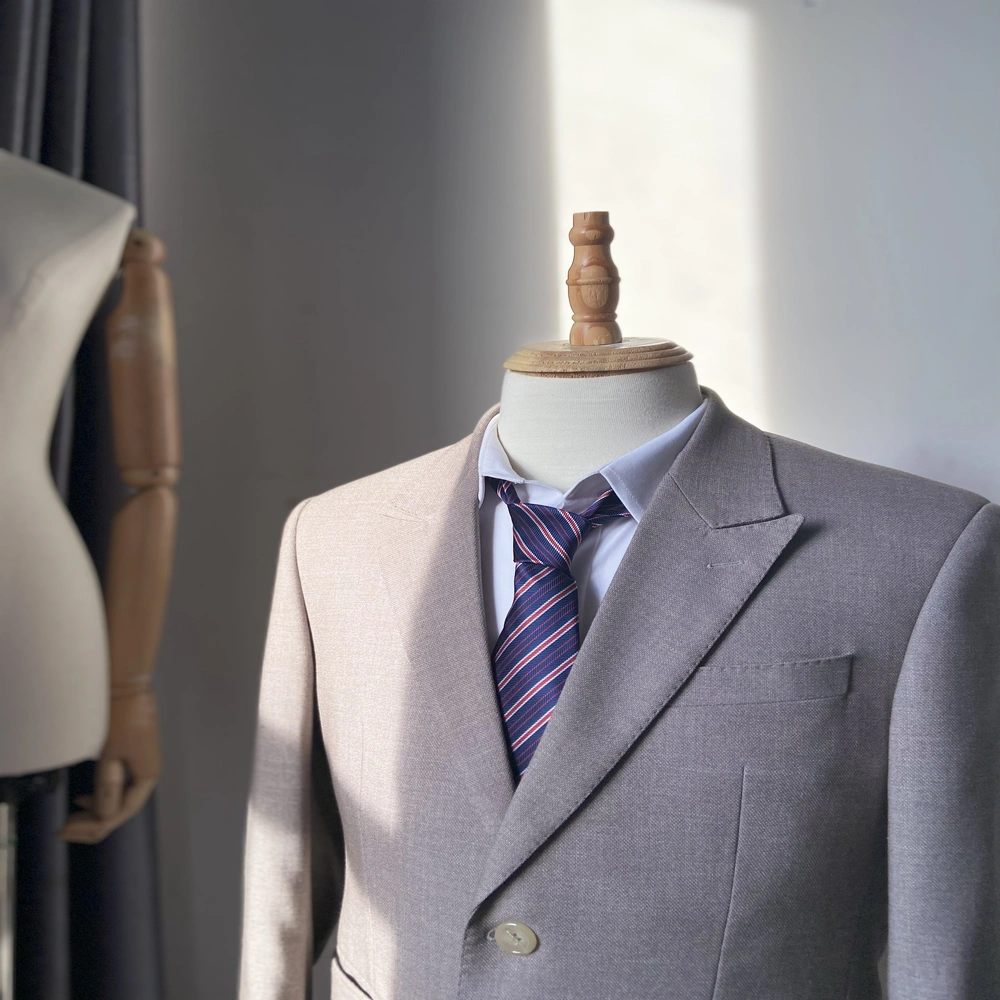
While ready-to-wear brands are gradually shifting toward quiet luxury, bespoke tailoring houses are redefining transparency and craftsmanship through the integration of technology.
- 3D body scanning and AI-assisted design now enable tailors to achieve unmatched precision and accountability, ensuring every garment reflects the client’s individuality and fit with minimal waste.
- These tools do not replace artisans – they support them. The digital process enhances what human hands have always mastered: the art of construction, proportion, and storytelling.
Each bespoke piece becomes a dialogue between tradition and innovation, between the precision of data and the intuition of craft – a quiet evolution toward simplicity, authenticity, and trust.
Conclusion – The Whisper of Modern Luxury
Paris Fashion Week 2025 did not declare a single aesthetic; it revealed a conversation. Quiet luxury emerged not as a rebellion but as an evolution – luxury that whispers through craftsmanship, sustainability, and timeless design. In an age defined by excess, true elegance is no longer about being seen first. It’s about being remembered for what endures.