From Logos to Personalization: What Drives Gen Z Luxury Buyers?
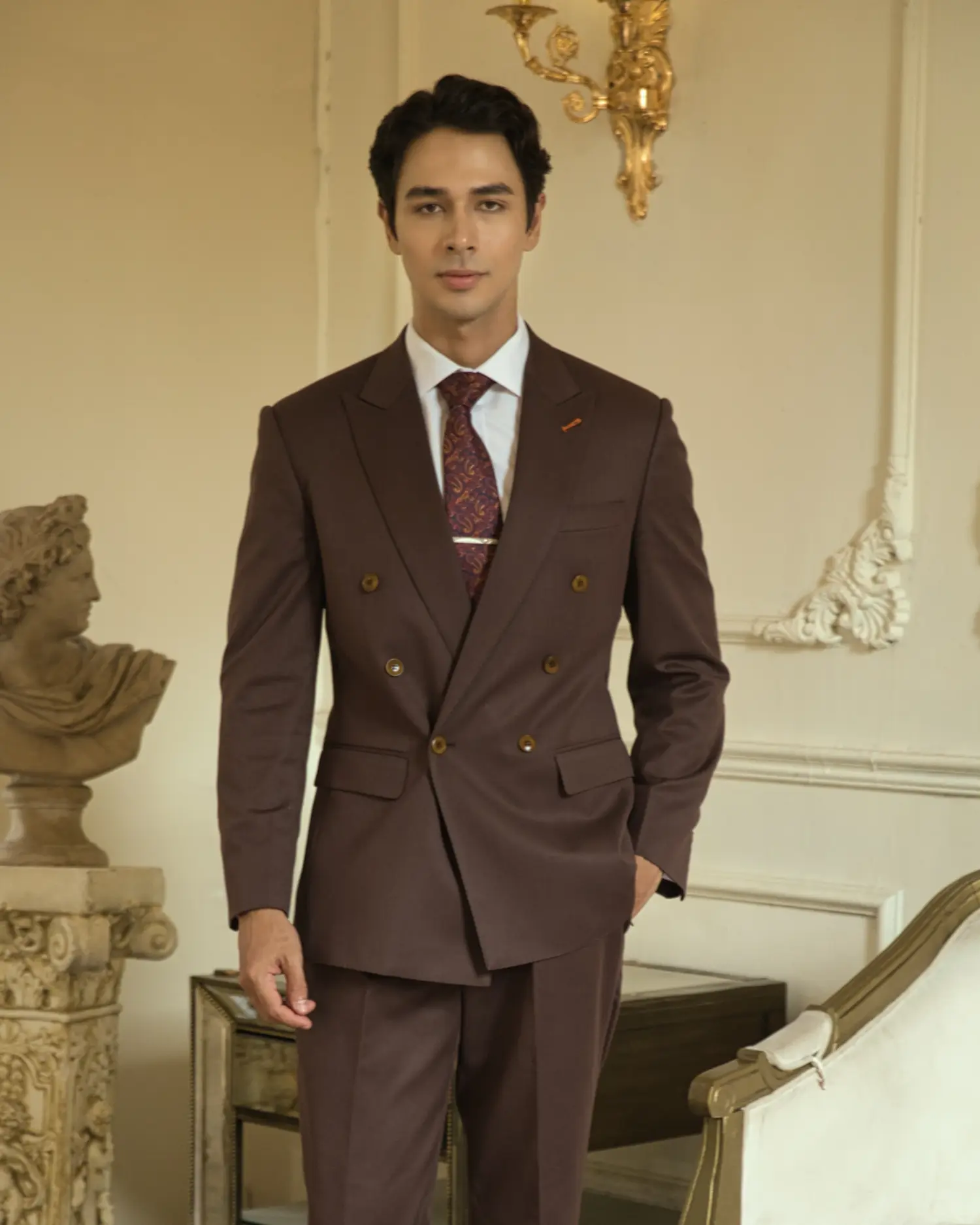
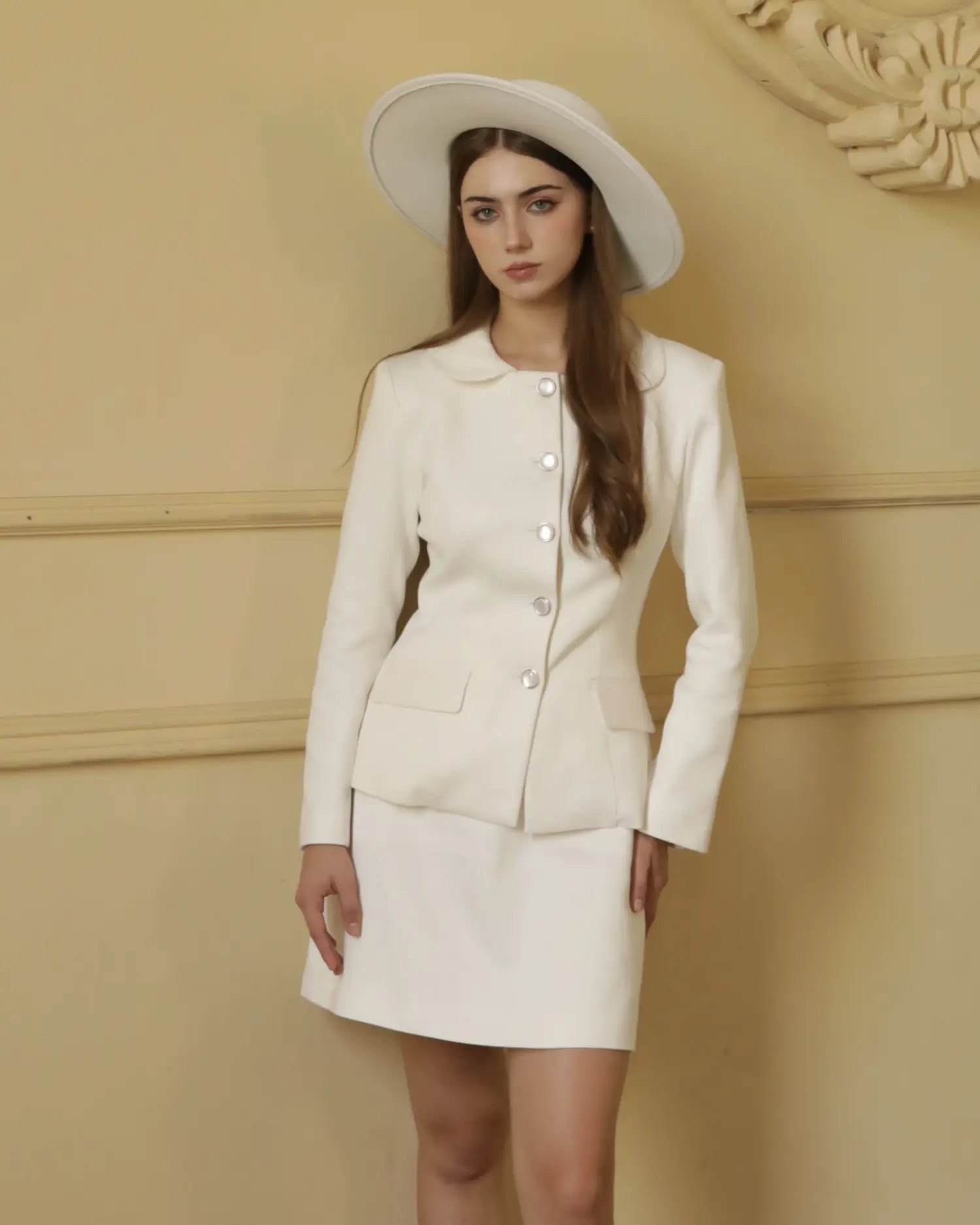
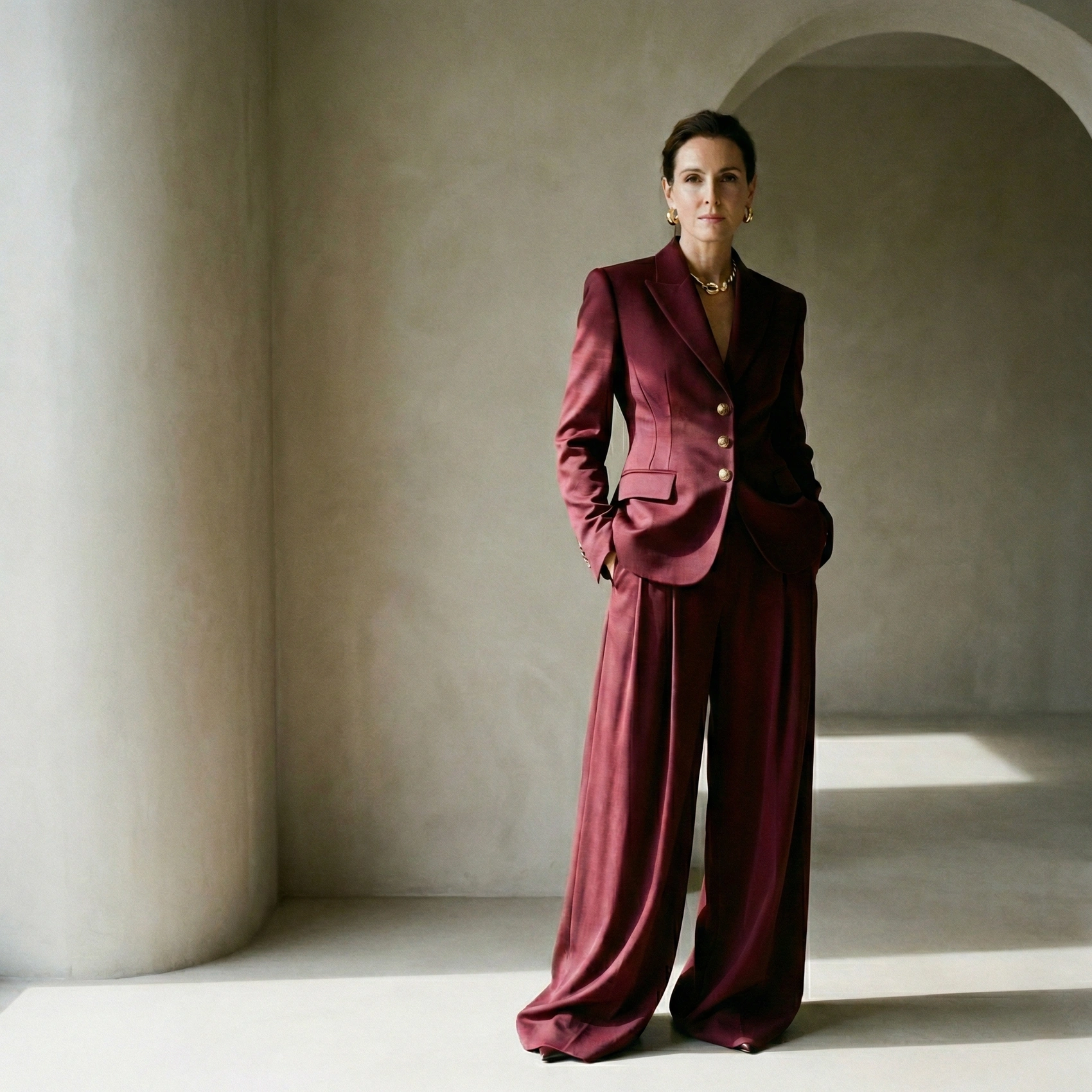
Luxury has long been synonymous with logos, the visible emblems of prestige that signaled belonging to an exclusive world. But for Gen Z luxury buyers, status is no longer about recognition; it’s about representation. This generation values authenticity over appearance, and purpose over price tag. Today’s luxury language is quieter yet deeper. It’s about how something is made, not merely who made it. From custom sneakers to made-to-measure suits, luxury consumers from Gen Z are shifting from displaying luxury to defining it personally. The focus moves from mass exclusivity to meaningful individuality – a mindset that mirrors the essence of bespoke craftsmanship, where identity becomes the true hallmark of sophistication.
Who Are Gen Z Luxury Buyers?
Born between 1997 and 2012, Generation Z represent the first wave of digital-native consumers – a generation that has never known a world without smartphones, social media, or instant access to global brands. But unlike previous generations who chased prestige through logos, Gen Z luxury buyers approach high-end fashion with a mindset shaped by values, experience, and identity.
According to Bain & Company (2023), Gen Z already accounts for nearly 20% of global luxury spending, and their influence continues to grow; projected to surpass Millennials by 2027. Yet what drives this growth isn’t traditional status aspiration; it’s emotional connection and personal relevance.
Their motivations reveal a deeper evolution in luxury consumption:
- Self-expression over status – For Gen Z luxury buyers, fashion is a medium for storytelling, not signaling. Every purchase becomes a reflection of personal identity.
- Authenticity over abundance – They favor brands that feel real: transparent, inclusive, and purpose-driven.
- Sustainability as identity – Conscious consumption defines their approach to luxury. Over 65% of Gen Z luxury consumers consider environmental and ethical responsibility essential before purchasing (McKinsey, 2024).
- Connection over consumption – Digital communities, personalized shopping experiences, and meaningful brand narratives foster loyalty beyond the product itself.
For Gen Z luxury buyers, true luxury is no longer about owning more, it’s about owning meaning. Their preferences are redefining the global luxury market, pushing brands toward personalization, sustainability, and digital craftsmanship. In this new paradigm, personal relevance becomes the ultimate symbol of prestige.
From Logos to Personalization – The New Currency of Luxury
For decades, logos defined luxury, a shorthand for status, heritage, and belonging. But for Gen Z luxury buyers, the ultimate symbol of exclusivity is no longer a logo; it’s a sense of self. This generation doesn’t just want to own luxury. they want to co-create it.
According to McKinsey’s State of Fashion 2024 report, 62% of Gen Z consumers prefer custom or made-to-order products, compared to only 41% of Millennials. Personalization isn’t just an aesthetic choice, it’s emotional currency. A customized piece feels intimate, carrying a story unique to its owner.
Why personalization defines modern luxury:
- Individuality: It allows each wearer to express their identity beyond mainstream trends.
- Emotional ownership: Custom-made pieces foster a deeper connection between creator and consumer.
- Uniqueness: No two pieces are identical – each becomes a personal signature of style.
Luxury brands are already responding to this demand. Ralph Lauren’s made-to-measure program, Brunello Cucinelli’s understated tailoring, and Loro Piana’s quiet approach to craftsmanship all emphasize refinement over recognition, offering customization rooted in quality and subtlety. Meanwhile, Rosie Hong (Vietnam) takes this philosophy into the digital age, blending traditional bespoke artistry with 3D body scanning and online fittings to deliver true personalization on a global scale.
Yet personalization for the next generation goes beyond surface-level design. The evolution now reaches the core of craftsmanship, from hand-finished details to digital customization tools like 3D body scanning, allowing precision fits once only possible in atelier settings.
In this new paradigm, Gen Z luxury buyers are not passive recipients of luxury; they are active participants shaping it – one bespoke experience at a time.
Sustainability as a Statement of Style
For Gen Z luxury buyers, sustainability is no longer an optional value, it’s the ultimate expression of sophistication. Responsibility, transparency, and purpose have become the new status symbols of modern luxury.
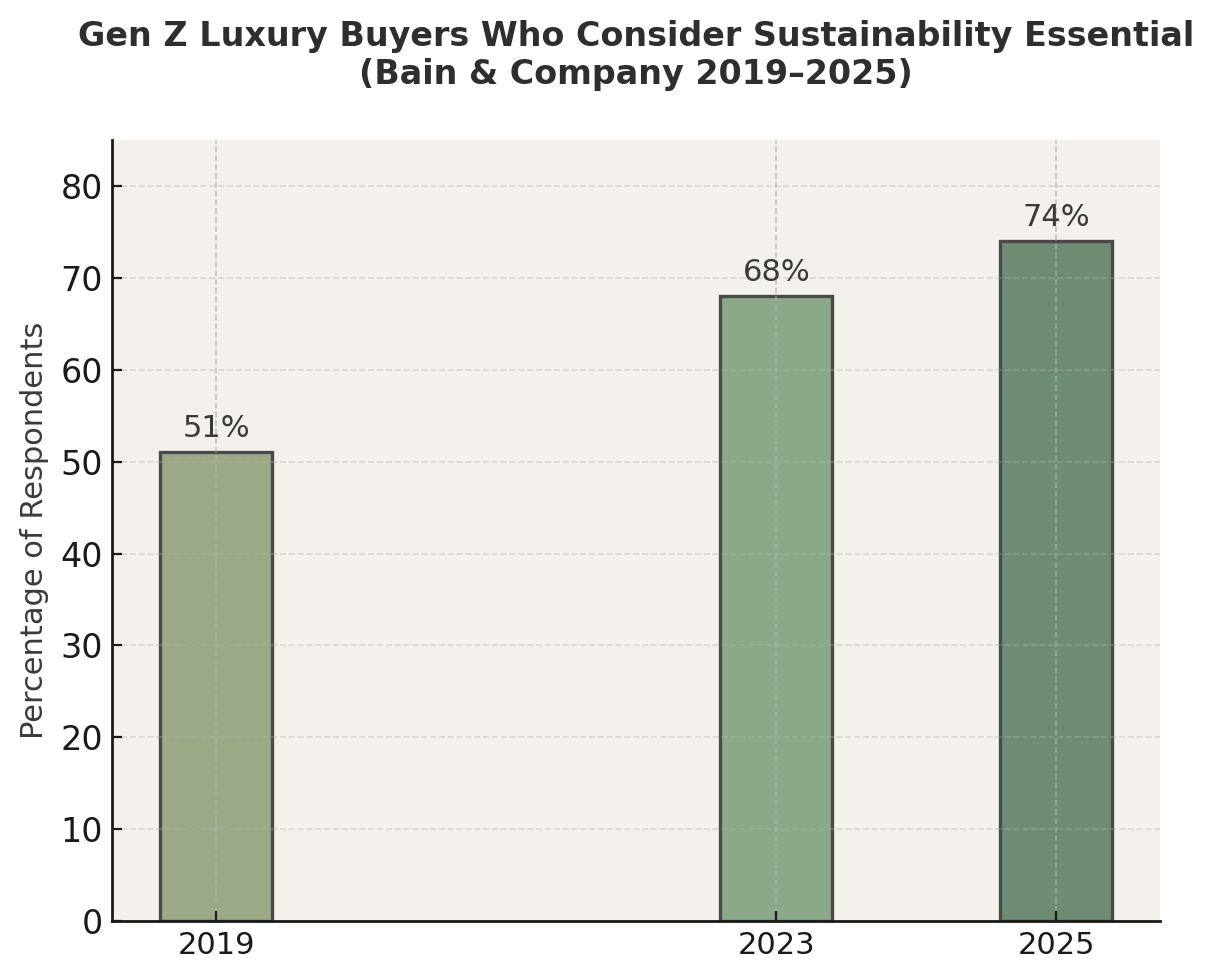
According to Bain & Company (2023), 68% of Gen Z luxury consumers consider sustainability an essential factor when purchasing high-end products, a sharp rise from 51% in 2019. This shift marks a deep evolution in how the next generation defines true exclusivity.
What sustainability means for modern luxury:
- Eco-conscious materials: Organic cotton, recycled wool, and plant-based dyes are replacing traditional luxury textiles.
- Transparency in craftsmanship: Gen Z expects to know who made their clothes and how. Supply chains are now part of the brand story.
- Circular luxury: Repair, resale, and recycling initiatives are transforming consumption into participation.
But sustainability isn’t just a moral choice, it’s also a design philosophy. Made-to-order and bespoke production models inherently reduce waste by creating only what is needed. Every garment is purposeful, every piece personal – aligning luxury with longevity.
The Digital Frontier – How Technology Redefines Luxury Experience
For Gen Z luxury buyers, technology isn’t just a tool, it’s a new form of artistry that reshapes how they discover, experience, and define luxury.
- Mobile-first luxury journeys: Gen Z shops and researches primarily through mobile platforms. The boutique has moved online, with seamless digital interfaces replacing traditional storefronts.
- AR try-ons & AI stylists: Augmented reality and artificial intelligence are personalizing fashion like never before – offering virtual fittings, curated recommendations, and style assistance that mirror in-person service.
- Immersive virtual boutiques: High-end brands now host interactive, gamified experiences through metaverse spaces or digital showrooms, allowing clients to explore collections in 3D environments.
- Social influence as a new showroom: TikTok, Instagram, and WeChat are the new front rows of fashion. Gen Z luxury buyers engage with brands through creators, peer reviews, and digital storytelling, transforming luxury from displayed to shared.
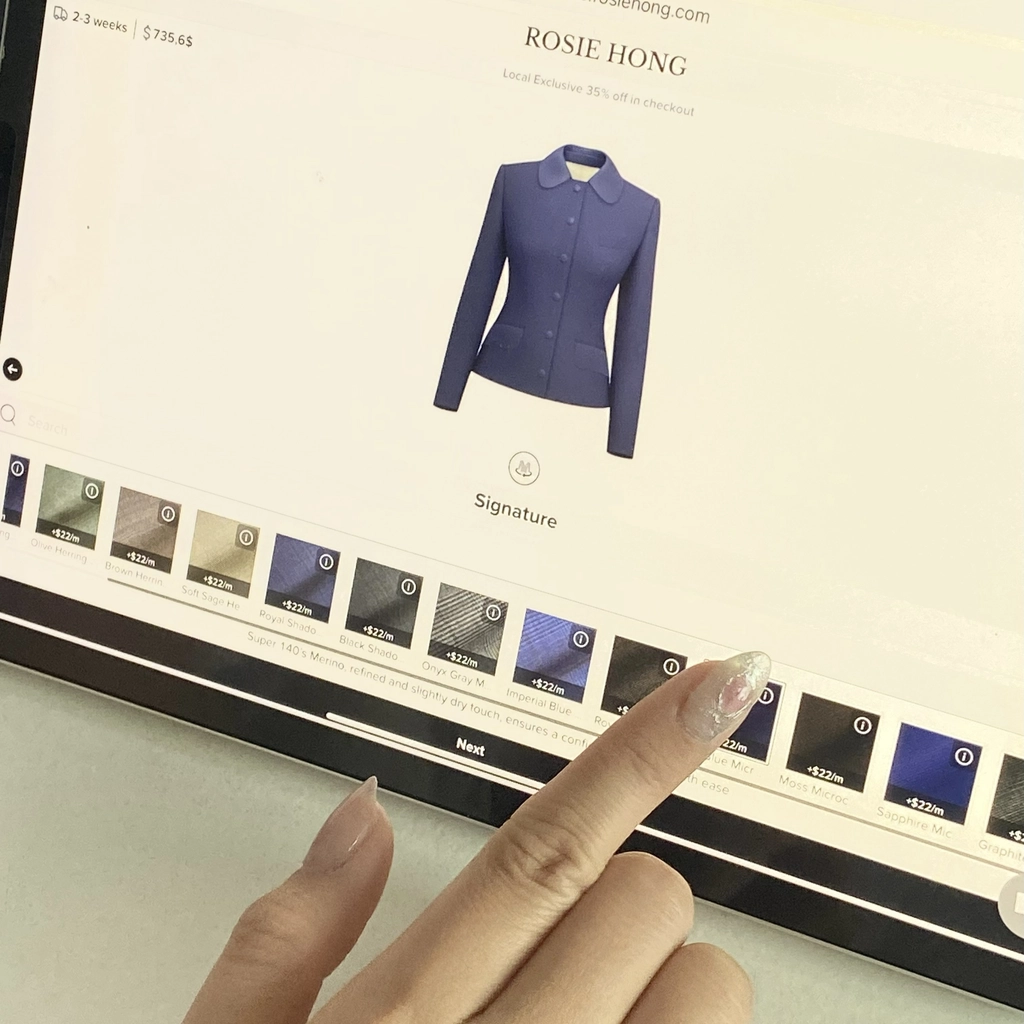
- Digital bespoke experiences: The rise of online bespoke tailoring, powered by 3D body scanning, brings craftsmanship into the digital era. Precision fitting and customization can now happen anywhere, blending the intimacy of handcraft with the ease of technology.
For this generation, true luxury exists where craft, conscience, and code intersect – proving that technology doesn’t replace human touch; it refines it.
The Future of Craftsmanship – Where Digital Bespoke Redefines Luxury
As the definition of luxury evolves, craftsmanship is no longer confined to ateliers and fitting rooms it’s entering the digital era. For Gen Z luxury buyers, the true expression of refinement lies not in excess, but in experience: personalization, sustainability, and human connection through technology.
Modern craftsmanship meets digital precision: The essence of bespoke tailoring – care, fit, and individuality – now merges seamlessly with innovation. Technologies like 3D body scanning, AI-assisted fittings, and virtual consultations allow clients to experience true made-to-measure luxury anywhere in the world. The artistry of the tailor remains, but the process becomes fluid, accessible, and globally connected.
Why digital bespoke aligns with Gen Z values:
- Personalization: Each garment becomes a story of individuality, designed around one’s body, lifestyle, and identity.
- Sustainability: Made-to-order creation minimizes waste, producing only what is needed – a conscious luxury model that respects both craft and planet.
- Convenience & Accessibility: With digital fittings and virtual styling, the bespoke experience transcends geography, opening timeless craftsmanship to a new generation of clients.
- Human + Technology Harmony: The soul of handcraft meets the precision of digital design, creating pieces that fit as perfectly as they inspire.
A new generation of luxury brands is leading this transformation: Brands like Rosie Hong exemplify this shift, merging traditional tailoring artistry with modern digital innovation. Through online bespoke services enhanced by 3D scanning, Rosie Hong redefines what luxury means for today’s connected world: effortless personalization, sustainable creation, and timeless elegance accessible anywhere.
The future of luxury doesn’t abandon craftsmanship, it evolves it. In the hands of innovators, digital bespoke becomes not a replacement for tradition, but its natural evolution – a fusion of art, technology, and intention that speaks to how Gen Z defines modern sophistication.
Conclusion – Personalization is the New Luxury
Luxury is no longer about symbols, it’s about substance. For Gen Z luxury buyers, the true essence of sophistication lies in personalization, sustainability, and digital experience. This generation doesn’t seek to own more; they seek to own meaning, pieces that tell their story, crafted with purpose and precision. Technology has not replaced craftsmanship; it has redefined it. Through innovations like 3D body scanning and online bespoke tailoring, artisans now create with both human touch and digital accuracy – preserving the soul of handcraft while embracing the possibilities of a connected world.
The future of luxury belongs to those who can blend these worlds – where design meets data, sustainability meets beauty, and individuality becomes the ultimate status symbol.
DISCOVER PHYIGITAL BESPOKE TAILORING