The Soft Power Arsenal: Redefining Men’s Bespoke Tailoring in 2026

For the discerning modern man, the suit is no longer a mandatory corporate uniform; it is a deliberate statement of intent. As we navigate through 2026, the global menswear landscape has undergone a definitive paradigm shift. The rigid, restrictive silhouettes of the past decade have been entirely discarded. In their place emerges a new philosophy of bespoke tailoring: one that prioritizes uncompromising comfort, fluid movement, and quiet authority.
For global professionals, creatives, and leaders navigating an increasingly borderless world, the 2026 sartorial agenda is defined by what industry insiders call “Generous Elegance.” It is an era where true luxury lies in absolute anatomical precision: a precision increasingly driven not just by the tailor’s eye, but by the evolution of sartorial technology. Here is the definitive, data-backed guide to the trends shaping the premium bespoke wardrobe this year.
The Silhouette: The Rise of Generous Elegance
While the traditional slim-fit remains a classic staple for many, 2026 marks a significant evolution toward a more natural, fluid contour. Discerning gentlemen are moving away from restrictive tightness in favor of a silhouette that follows the body’s lines while allowing for effortless movement: a middle ground that offers both sharpness and comfort.
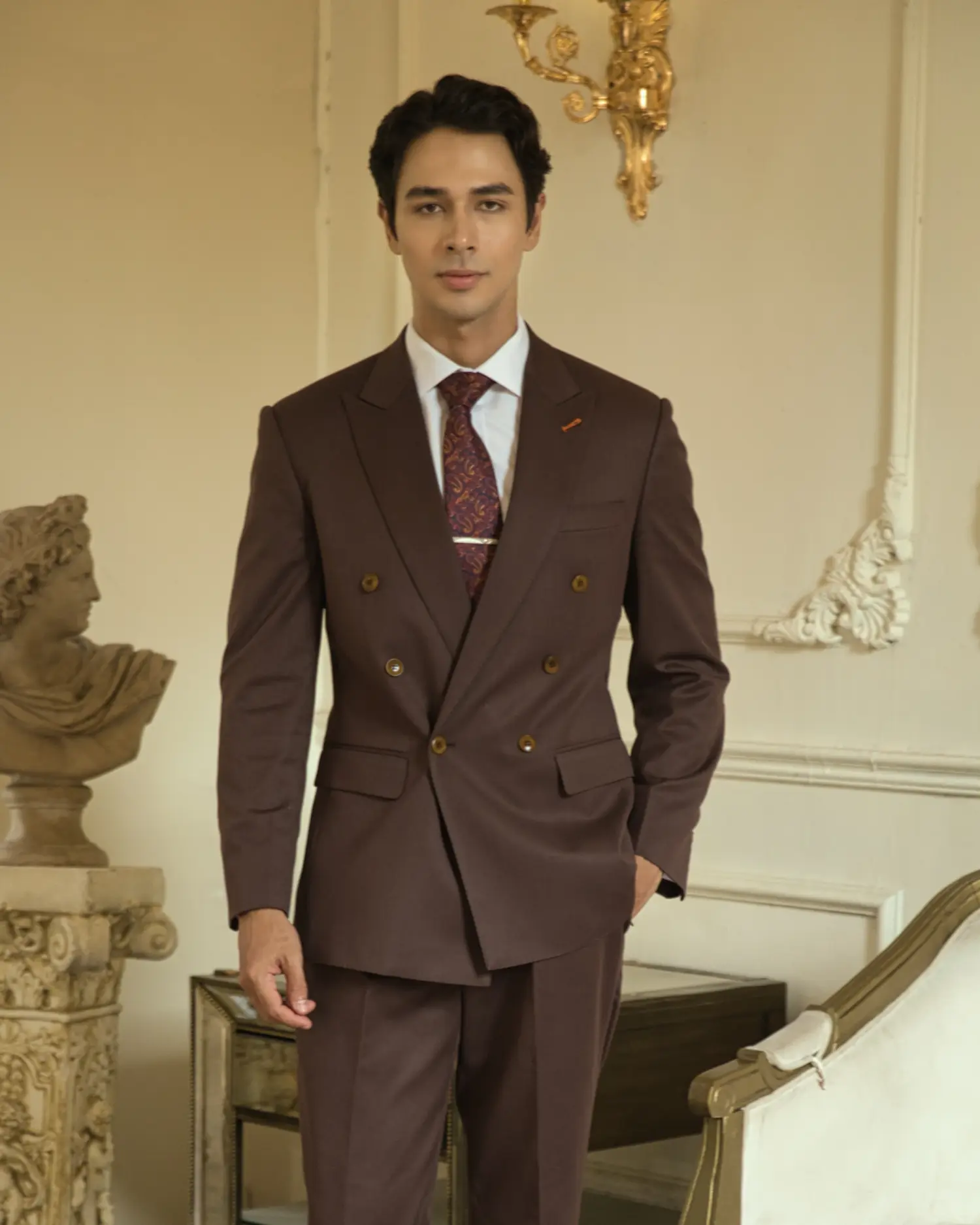
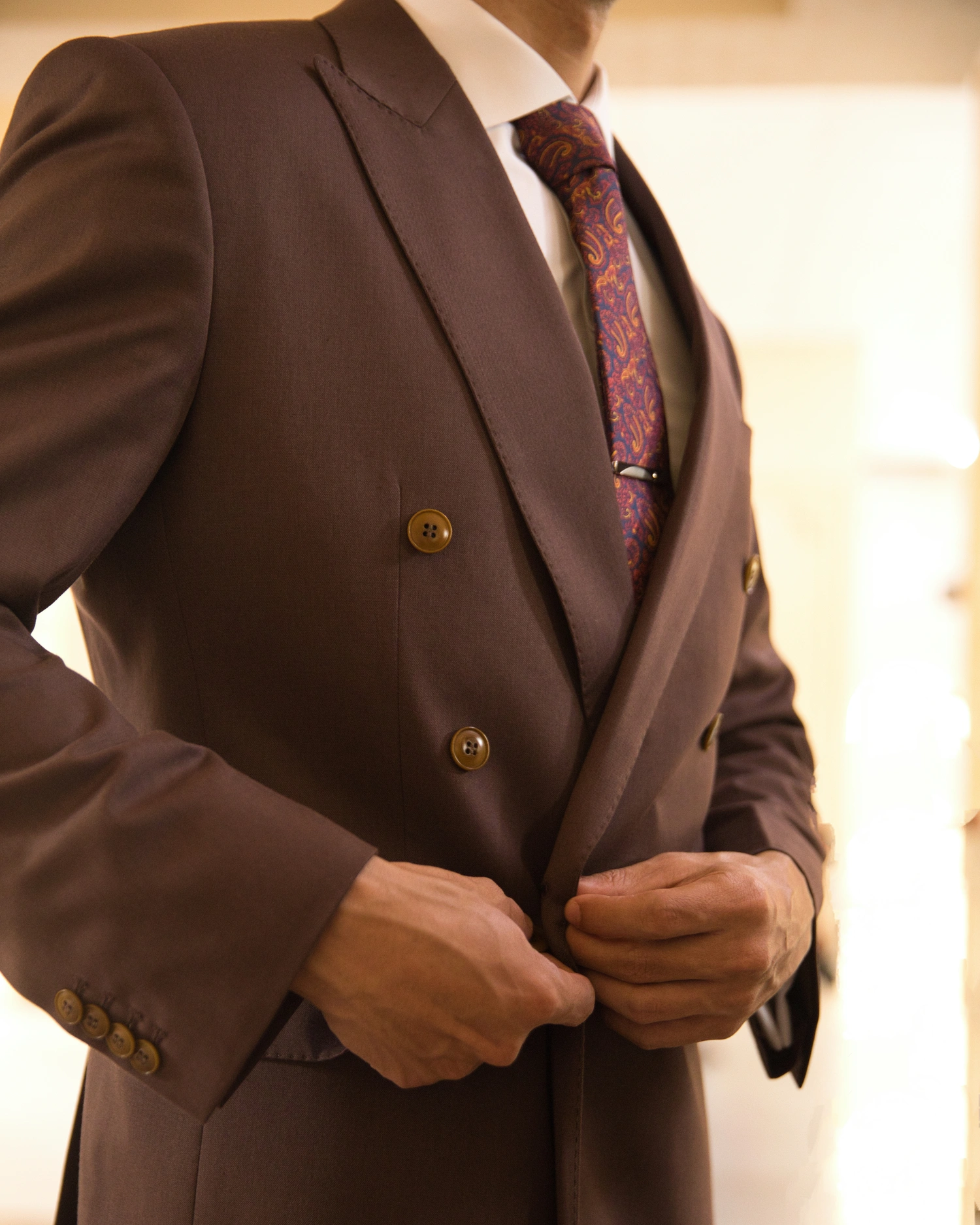
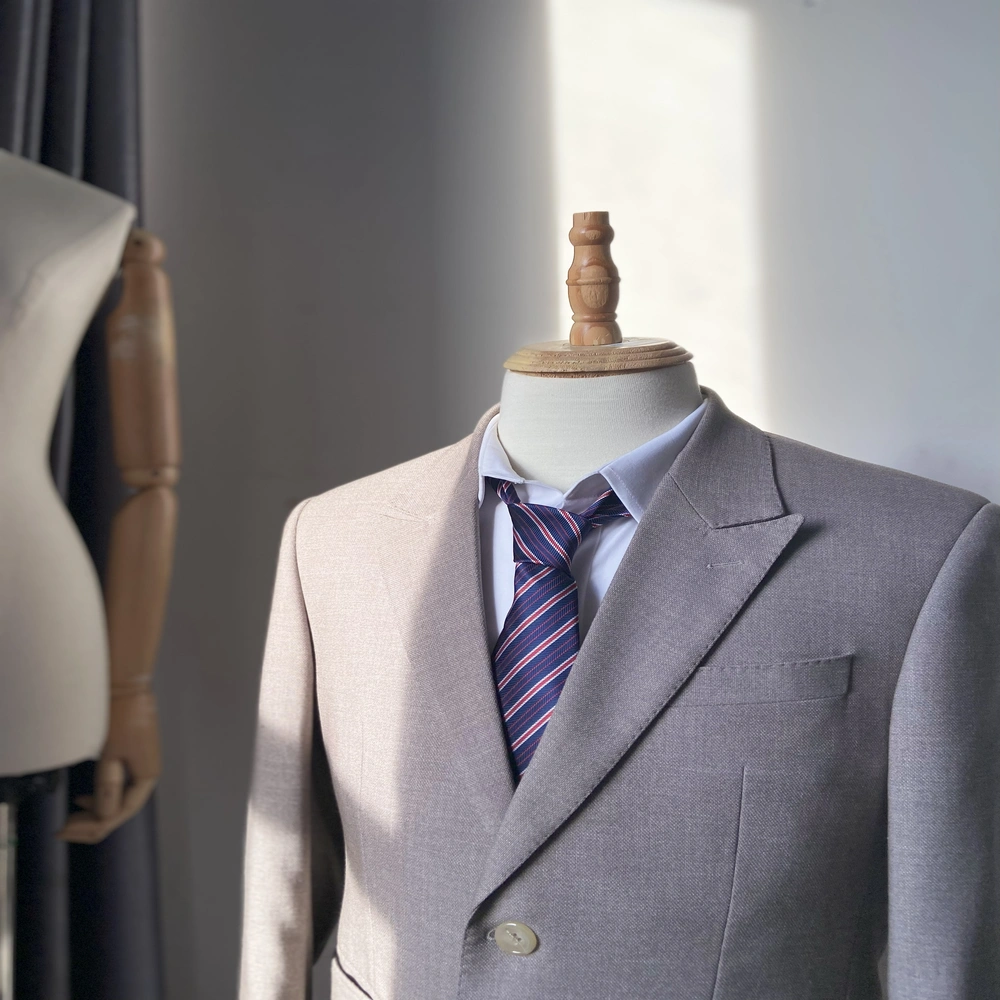
- The Unstructured Power Jacket: Shoulders have softened. Heavily padded, armor-like shoulders have been replaced by a natural, unstructured shoulder line (often utilizing the Neapolitan spalla camicia technique). However, to maintain a commanding presence, lapels have widened. A generous peak or notch lapel draws the eye upward and broadens the chest, projecting strength without stiffness.
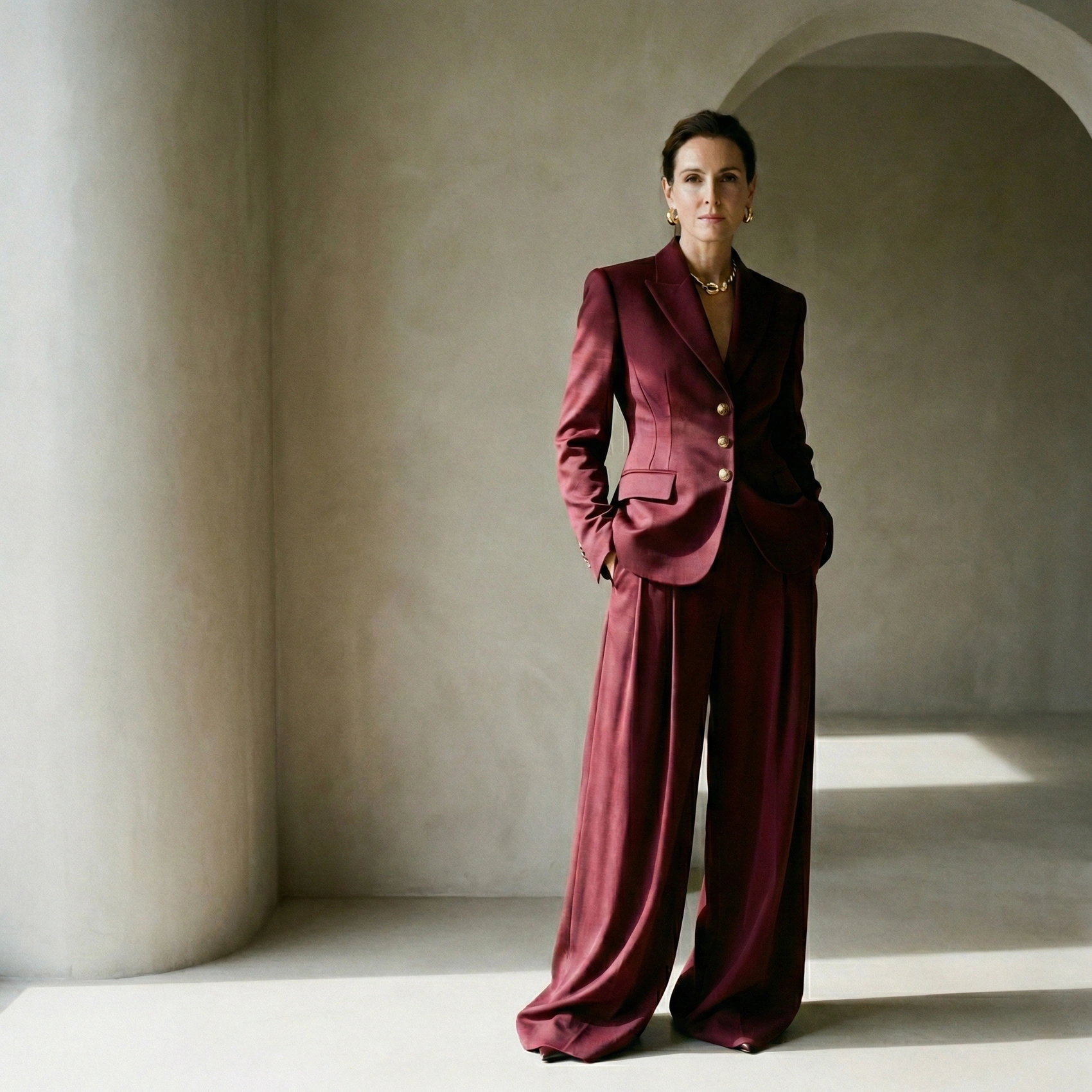
- The Return of Volume in Trousers: The trouser silhouette has expanded. High-waisted designs featuring single or double pleats are now the standard for bespoke commissions. This increased volume through the thigh and a straight or slightly wide-leg cut provide unparalleled comfort during long-haul flights and extended daily schedules.
- The Architecture of the Drape: Crucially, this generous silhouette demands a highly specific textile approach. An unstructured jacket or a voluminous trouser will simply collapse and look unkempt if crafted from flimsy, ultra-lightweight materials. To achieve the impeccable, razor-sharp drape that defines 2026 tailoring, master tailors rely heavily on cloths with substantial weight and high-twist yarns. It is the inherent structural integrity and natural weight of the fabric itself that forces the garment to fall cleanly, creating a fluid, flawless line from waist to hem.
The Palette: Grounded and Earth-Centric
While Navy and Charcoal Grey remain the indispensable pillars of tailoring, the 2026 palette is rooted in a deeper level of sophistication. The trend leans heavily toward colors that communicate calm, grounded confidence, favoring light-absorbing, matte finishes over high-sheen surfaces.
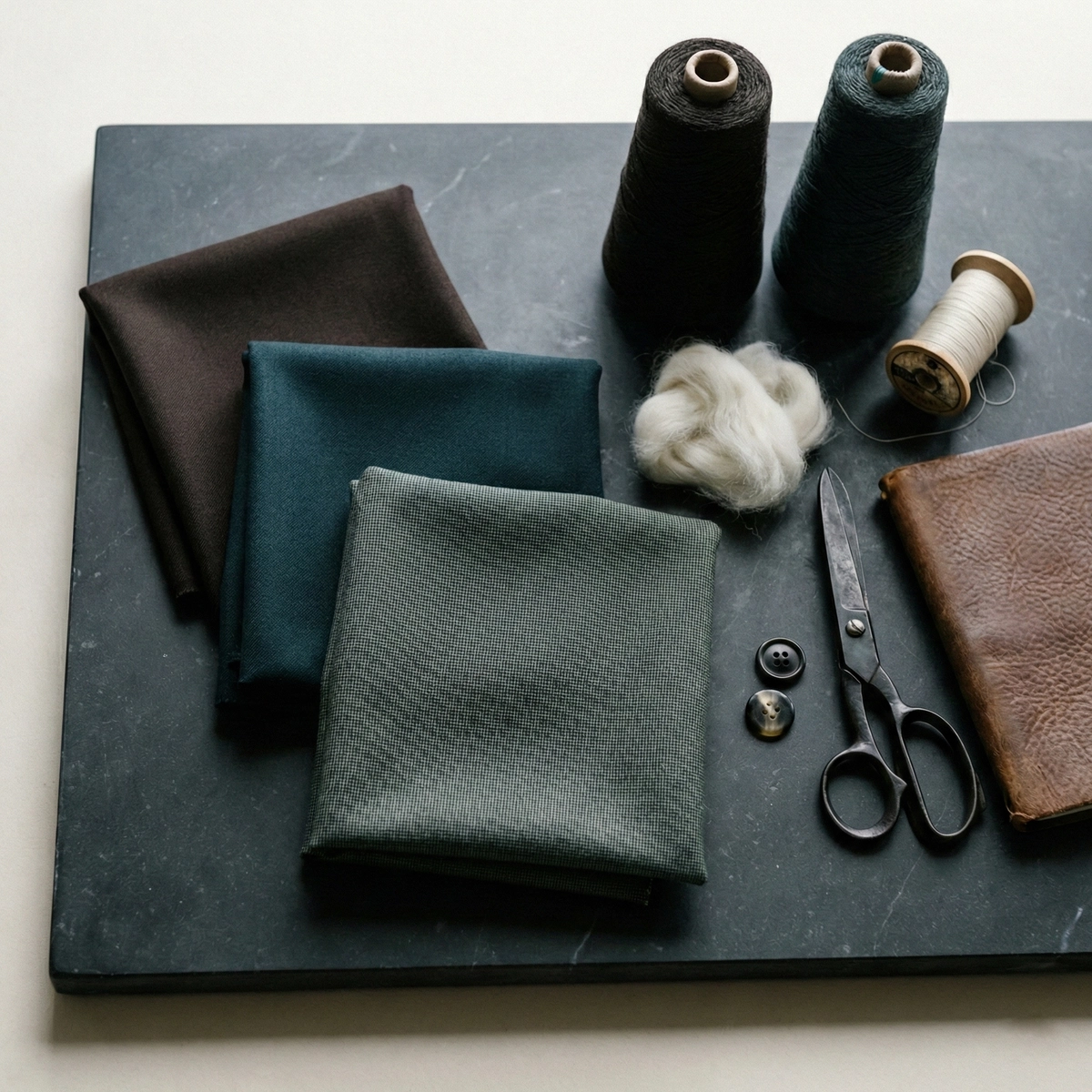
- Espresso Brown: A rich, dark brown has emerged as the definitive alternative to navy. It is incredibly versatile, transitioning seamlessly from daytime negotiations to evening gallery openings.
- Slate Green & Midnight Teal: These mineral-inspired tones are gaining massive traction, offering a subtle departure from standard corporate colors. To maintain an air of steadfast authority, these shades are most effective in matte worsted wools, which convey approachability combined with high-level intellect.
- The Foundation of Solids & The Rise of Micro-patterns: Solid fabrics remain the timeless foundation of any professional wardrobe, offering an unwavering sense of permanence. However, 2026 is seeing a significant shift toward “Micro-patterns” for those seeking tactile depth.
This category, comprising classic weaves such as Birdseye, Sharkskin, and the increasingly favored Microcheck, serves as the perfect bridge between a flat solid and a bold pattern. These tone-on-tone textures offer a profound visual richness that is only truly appreciated at a conversational distance, creating an understated elegance that feels both modern and heritage-driven.
The Fabric: Natural Performance and High-Twist
Clothing must perform relentlessly. However, the 2026 premium bespoke market completely rejects synthetic blends in favor of natural performance. The functionality of the garment must come from the masterful manipulation of raw, heritage materials, a trend reflected by a reported 65% year-on-year increase in inquiries for high-performance natural textiles.
- High-Twist Wools: Often referred to as “travel wools,” high-twist yarns create a porous, breathable fabric that naturally resists wrinkling. This resilience is achieved purely through the intensive mechanical twisting of the wool fiber itself, entirely avoiding the need for artificial elastane. A bespoke suit crafted from a robust 4-ply high-twist wool can emerge from a transatlantic flight looking impeccably sharp, maintaining its architectural drape without compromising its organic integrity.
- Silk and Cashmere Blends: For trans-seasonal wear, tailors are heavily utilizing sophisticated blends that combine the structural resilience of Merino wool with the unmatched softness of cashmere. Crucially, the addition of silk is completely devoid of any reflective, superficial sheen. Instead, silk is woven in to inject a profound color depth and a subtle, luxurious luster. This complex blending enhances the tactile richness and durability of the garment.

Industry Observation: The Era of Data-Driven Fit
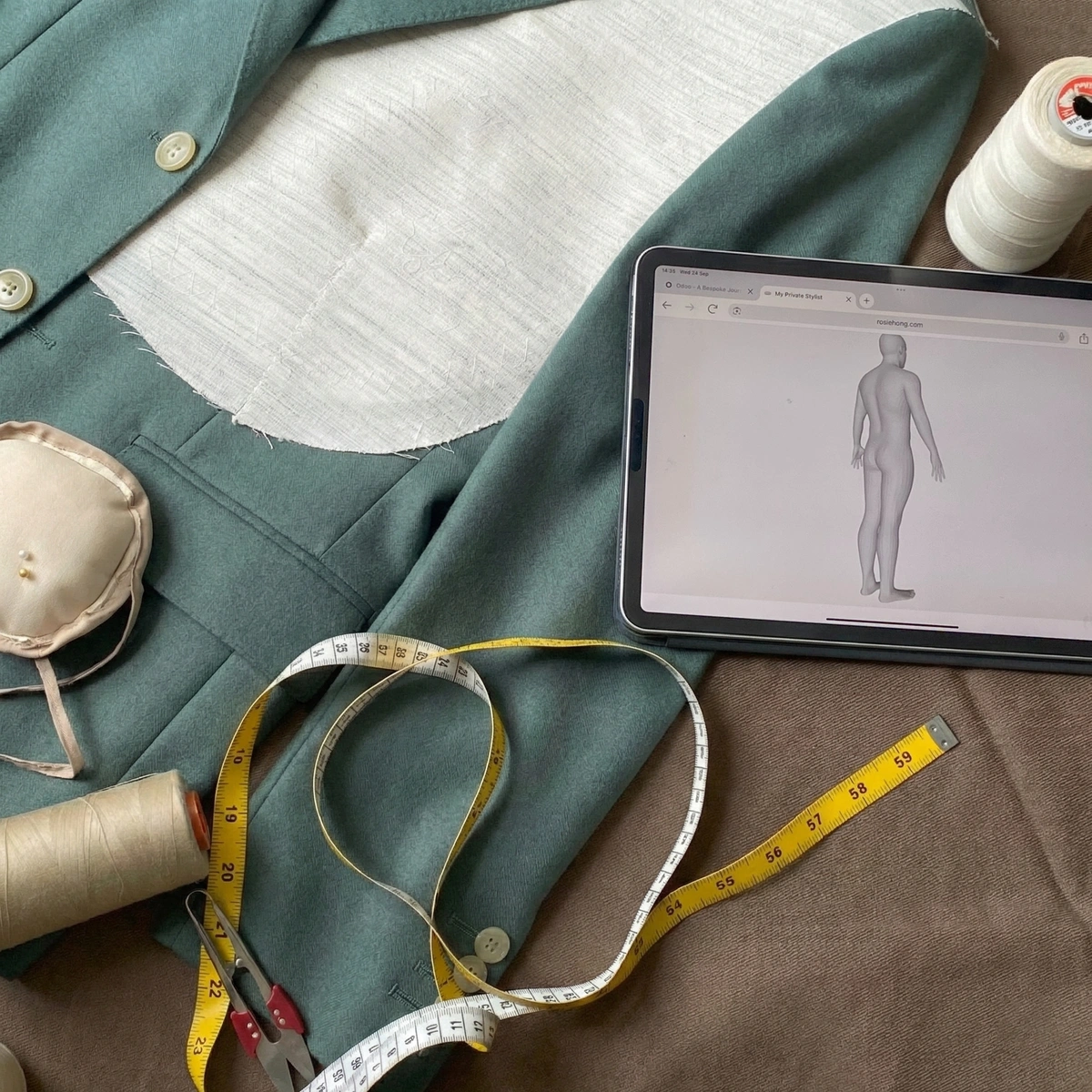
Perhaps the most revolutionary trend in 2026 tailoring is not about what is being worn, but how it is being commissioned. The traditional fitting process, while an art form in itself, is fundamentally constrained by geography and scheduling. To bridge this gap without compromising the integrity of the craft, the premium bespoke sector is widely adopting Digital Twin technology and AI-driven 3D anatomical scanning.
For the time-poor professional, the ability to generate over 80 precise data points via a smartphone scan (capturing not just circumferences, but subtle nuances in posture and shoulder slope) eliminates the need for multiple, cross-continental in-person fittings. Industry data suggests this “Phygital” approach reduces fit-related alterations by up to 90% compared to standard online made-to-measure services.
Crucially, this technology does not replace the artisan; it empowers them. It provides the master tailor with a mathematically flawless architectural blueprint of the client’s body before a single pair of shears touches the fabric. It represents the ultimate modern luxury: the preservation of heritage craftsmanship, delivered with a perfect, repeatable fit, commissioned seamlessly from anywhere in the world.
The Verdict
In 2026, bespoke tailoring is an exercise in intentionality. The modern sartorial uniform is generous in its cut, sophisticated in its texture, and driven by cutting-edge anatomical accuracy. It is an investment not just in a garment, but in the seamless projection of one’s personal brand and quiet authority.
DISCOVER PHYIGITAL BESPOKE TAILORING