Los Angeles Fashion Week 2025 Highlights: Sustainability, Artistry, and Digital Innovation in Modern Fashion

1. Introduction – LA’s Runway for the Future
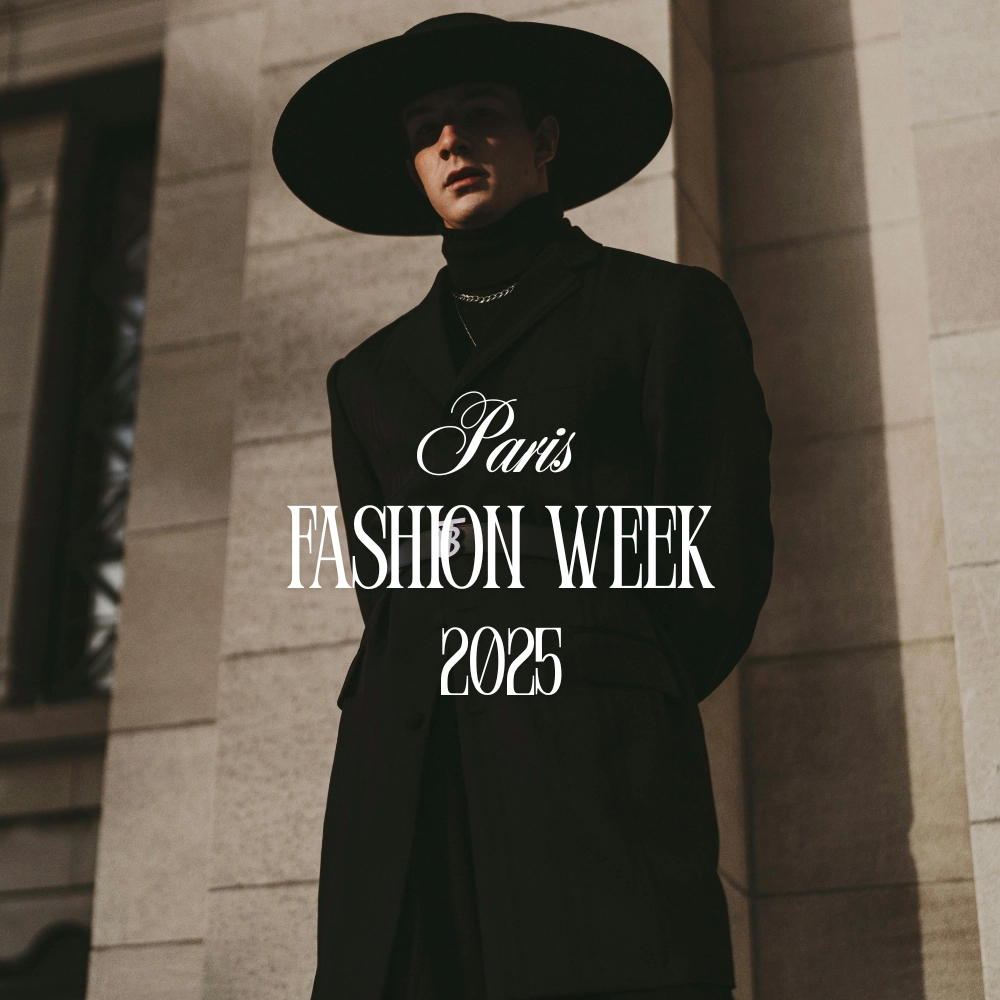
October 2025 became a defining month in global fashion, a tale of two cities shaping the industry’s next chapter. While Paris Fashion Week 2025 unveiled its Spring/Summer 2026 collections in a display of heritage, precision, and haute couture craftsmanship, Los Angeles Fashion Week 2025 (LAFW) presented an entirely different vision – one rooted in innovation, sustainability, and transformation.
In Paris, legacy houses such as Chanel, Dior, and Louis Vuitton reaffirmed their mastery of form and fabric. Their shows echoed timeless artistry, reinterpreting classic silhouettes with a sense of continuity and control. Paris, as ever, celebrated fashion as tradition: meticulous, theatrical, and steeped in cultural legacy.
Across the Atlantic, however, Los Angeles turned fashion into a laboratory for the future. LAFW 2025 brought together designers, technologists, and sustainability advocates to explore how style could be both expressive and ethical. Under the themes of sustainability, artistry, and digital innovation, the event redefined luxury not through logos or lineage, but through meaning, creativity, and technological evolution.
Where Paris embodied couture as heritage, Los Angeles embodied fashion as experimentation – merging AI-assisted design, upcycled fabrics, and immersive digital runways to reveal a more sustainable and inclusive path forward.
In essence, both cities told the story of fashion’s dual identity in 2025:
- Paris preserved the artistry of the past.
- Los Angeles imagined the artistry of the future.
Together, they illustrated how fashion today is no longer confined to geography or tradition – it’s a global conversation between craftsmanship and code, elegance and ethics, imagination and innovation.
2. Key Themes at LAFW 2025
Los Angeles Fashion Week 2025 wasn’t just a showcase of style, it was a reflection of how fashion is evolving toward purpose, artistry, and innovation. Across its runways, presentations, and installations, three defining themes emerged that together captured the essence of fashion’s new era.
- Sustainability in the Spotlight
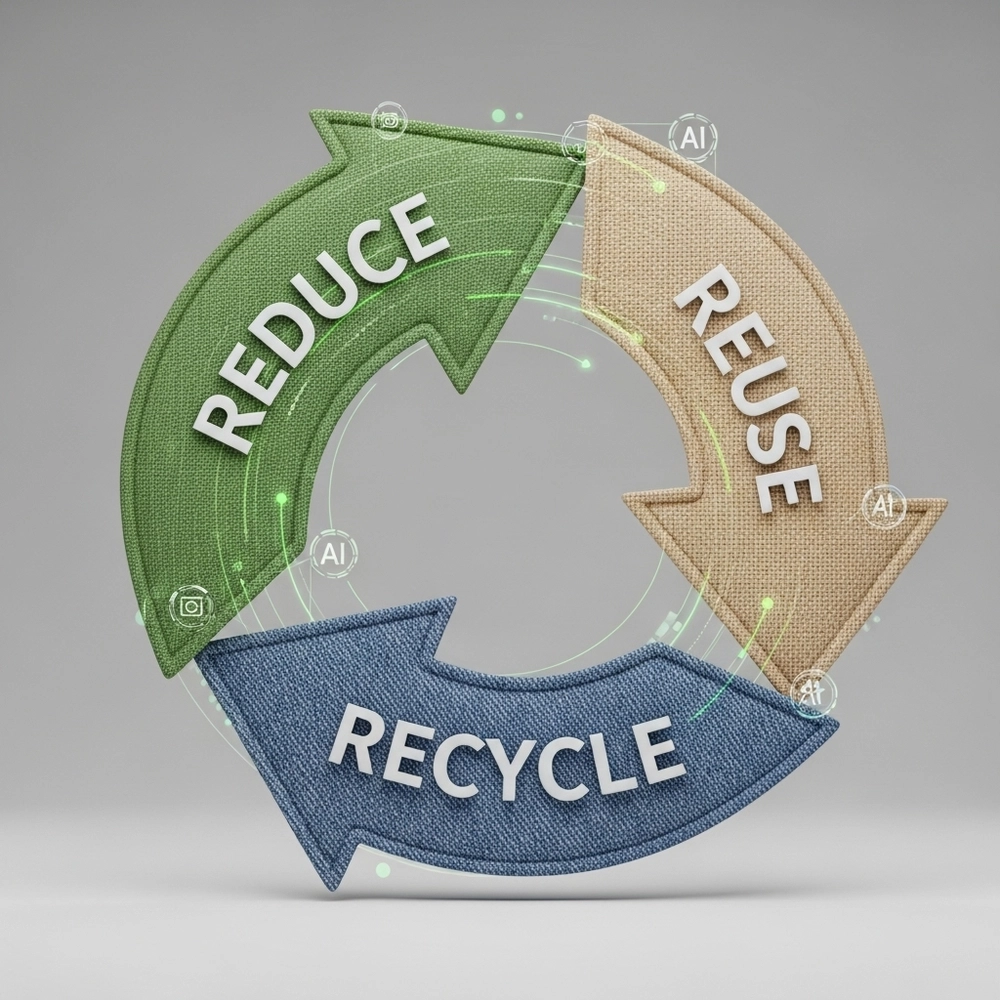
Sustainability took center stage at LAFW 2025, setting a new benchmark for what “luxury with purpose” truly means. Collections such as Fashion for Fires embodied this shift, combining AI-driven design with upcycled materials to create garments that are both visually striking and environmentally conscious.
According to The Bureau, LAFW 2025 featured more than 40 designers presenting over 555 runway looks, with many emphasizing upcycled textiles, renewable fabrics, and low-impact production processes. This strong commitment made sustainability not just an aesthetic choice, but a visible and measurable priority across the event.
Designers explored circularity through creative material transformation, turning discarded textiles into high-value pieces, and embracing renewable fabrics and responsible production. Beyond aesthetics, sustainability here represented both a moral and creative challenge: how to craft beauty without compromise.
In Los Angeles, a city often defined by reinvention, sustainability became more than a trend – it became a statement of identity.
- Artistry & Cultural Storytelling
Fashion at LAFW 2025 transcended the runway, evolving into an immersive dialogue between art, culture, and emotion. Designers drew inspiration from diverse traditions and communities, blending local Californian influences with global aesthetics.
Each presentation functioned like a living art installation – layered with movement, sound, and visual storytelling. The stage was not merely a platform for clothing but a canvas for creativity, where garments carried cultural memory and personal meaning.
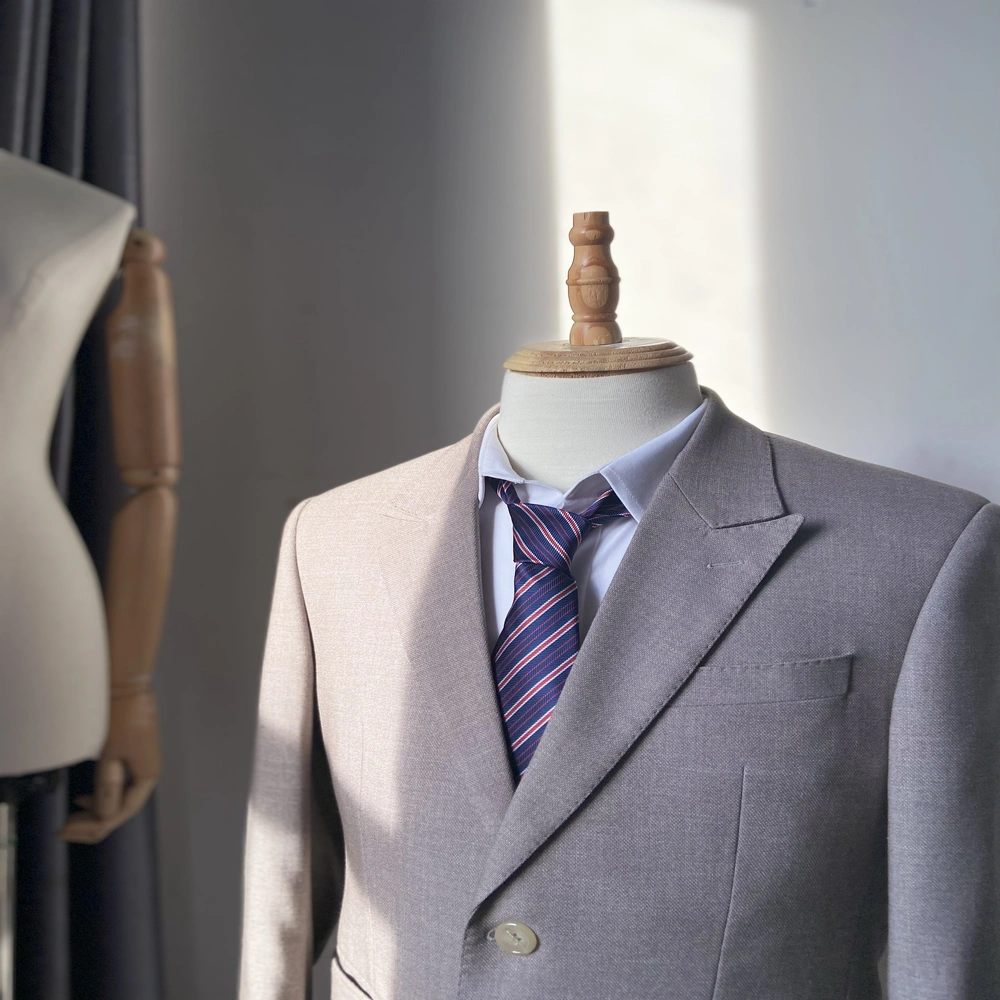
This emphasis on storytelling echoed the spirit of bespoke craftsmanship where every creation tells a story of individuality, heritage, and intention.
- Digital Innovation & Experience
Technology was no longer a backstage tool; it was part of the main act. At LAFW 2025, AI-assisted design, AR/VR integration, and digital runways redefined how audiences experience fashion. Some shows transformed physical spaces into immersive digital worlds, merging craft with imagination.
According to The Bureau, the event sold out in an average of 6.5 hours, underscoring just how highly anticipated and digitally energized LAFW 2025 was, the perfect environment for AI-driven creativity and immersive AR/VR runway storytelling.
This digital leap also signaled a broader transformation in how fashion is designed, produced, and experienced. From 3D body scanning to online fittings and virtual ateliers, technology is democratizing bespoke luxury – making personalization and precision accessible on a global scale.
At the intersection of craftsmanship and code, LAFW 2025 reminded the industry that innovation doesn’t replace human artistry – it enhances it, creating a future where sustainability, creativity, and technology move in harmony.
3. What It Means for Bespoke, Craft & Digital Tailoring
The October 2025 edition of Los Angeles Fashion Week demonstrated that the conversation around fashion’s future is no longer limited to aesthetics – it’s about purpose, precision, and personalization. The event’s core themes of sustainability, artistry, and digital innovation directly echo the evolution of modern bespoke tailoring.
- Personalization: At LAFW 2025, designers emphasized individuality over conformity, a principle that lies at the heart of bespoke craft. The rise of digital tailoring technologies such as 3D body scanning and AI-driven fit visualization, mirrors this cultural move toward garments that express identity rather than status. Bespoke now stands at the crossroads of tradition and data, blending human intuition with digital precision.
- Sustainability: Made-to-order production, long central to bespoke tailoring, naturally supports sustainability. As Los Angeles designers highlighted circularity and material regeneration on the runway, the bespoke model emerged as a blueprint for fashion’s low-waste, high-value future. By crafting each piece to fit an individual body and purpose, bespoke eliminates overproduction and celebrates mindful consumption, an approach increasingly favored by both artisans and eco-conscious consumers.
- Digital Experience: Technology is redefining the boundaries of craft. From virtual fittings and AI-assisted pattern-making to online ateliers, LAFW 2025 underscored that digital tools can enhance, not replace, artistry. For contemporary bespoke brands like Rosie Hong, this evolution represents a fusion of sensibility and science – preserving the emotional essence of craftsmanship while leveraging the precision of innovation.
Ultimately, bespoke tailoring in the post-LAFW 2025 era stands as both a heritage and a horizon, honoring the artisan’s hand while embracing the possibilities of digital couture.
4. Implications for Modern Fashion Consumers
The takeaways from Los Angeles Fashion Week 2025 extend far beyond the runway, they signal a broader redefinition of what luxury means to today’s consumers. The new generation of fashion clients seeks more than exclusivity; they seek alignment with their values: authenticity, sustainability, and individuality.
- Luxury with Intention: The meaning of luxury is shifting from possession to purpose. A 2025 survey by The Fashion Economist found that 68% of U.S. consumers prefer brands that demonstrate ethical or sustainable practices, a sentiment strongly echoed at LAFW 2025. Clothing is no longer just worn – it’s experienced, representing creativity, conscience, and connection.
- Conscious Craftsmanship: Consumers are increasingly aware of fashion’s environmental cost. Made-to-measure and bespoke production offer an alternative that aligns with this awareness, reducing waste and enhancing emotional durability. Choosing a piece that is crafted for you – and only you – creates a deeper sense of belonging and longevity.
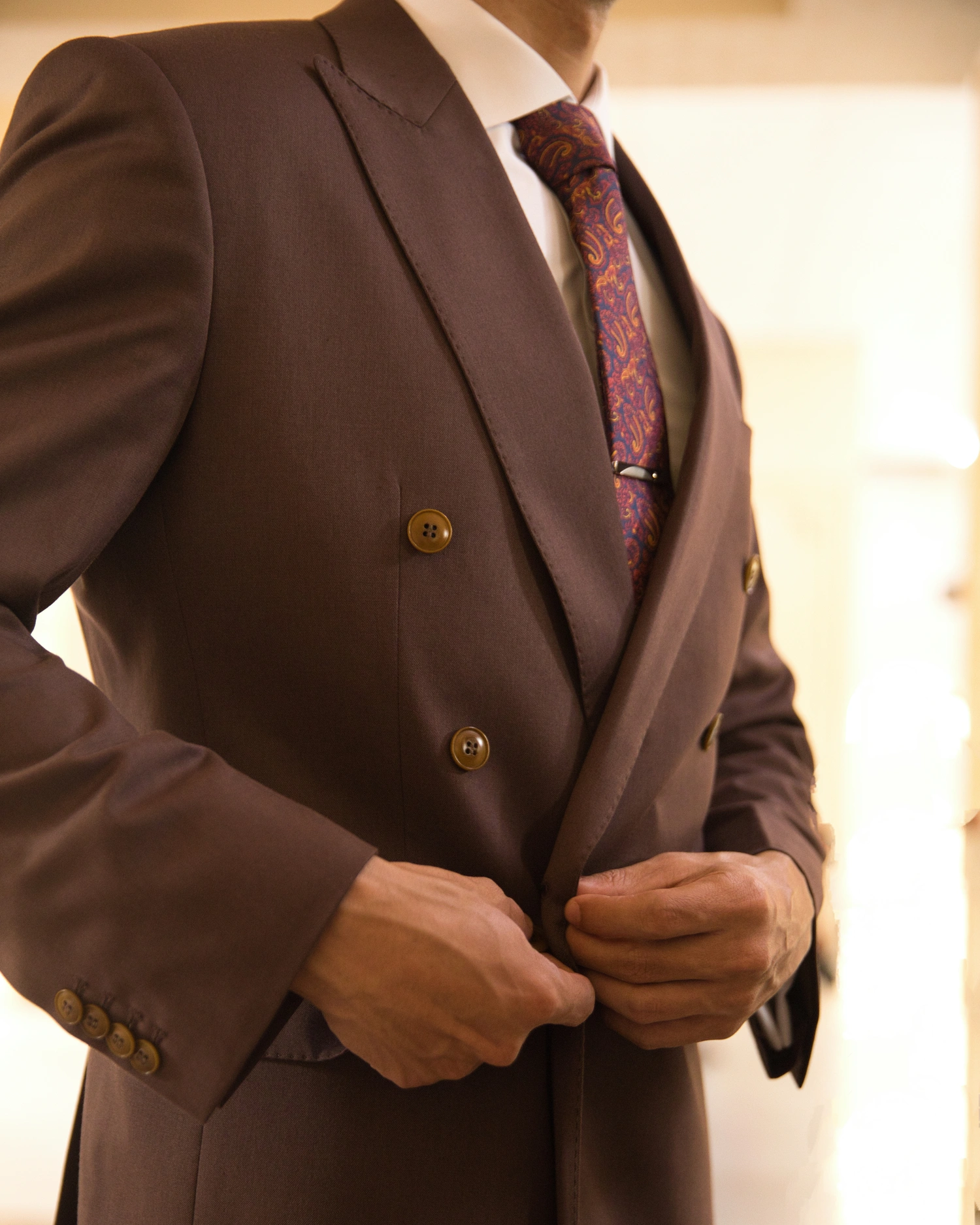
- Digital Connection: Technology has also reshaped how consumers engage with fashion. Through 3D body scanning, AI-assisted design, and immersive virtual fittings, clients can now participate in the creative process from anywhere in the world. This democratization of bespoke luxury, spotlighted at LAFW 2025 means craftsmanship is no longer confined to a studio; it’s a global dialogue between designer and wearer.
In essence, today’s fashion consumers are no longer passive buyers but co-authors of their wardrobes. They don’t just ask, “Who made this?” – they ask, “What does this say about me and the world I want to shape?”
The true future of luxury, as seen on Los Angeles’ October 2025 runways, lies in conscious creation – where artistry, technology, and sustainability converge to craft not only garments but meaning.
5. Conclusion – Two Cities, One Future of Fashion
October 2025 offered fashion two visions of the future – one defined by heritage, the other by reinvention. In Paris, the Spring/Summer 2026 collections reaffirmed couture’s eternal dialogue between precision and poetry. Every pleat, every embellishment spoke of legacy, a reminder that mastery endures through discipline and detail.
Meanwhile, across the Atlantic, Los Angeles charted a different course. Its Fashion Week transformed the runway into a platform for progress where sustainability, digital craftsmanship, and inclusivity reshaped what luxury could mean. LAFW 2025 didn’t echo the past; it questioned it, proposing that creativity today must serve both art and ethics. Together, Paris and Los Angeles represented fashion’s evolving duality: one preserving the narrative of elegance, the other rewriting it through innovation.
The contrast between the two wasn’t a competition – it was a conversation. A dialogue between tradition and transformation, fabric and code, memory and imagination. And within that dialogue lies the essence of modern fashion: a world where couture precision meets Californian experimentation, and where luxury is defined not by price or prestige, but by purpose.
As the lights dimmed on both runways, one truth emerged – the future of fashion will not belong to a single city or ideology, but to those who can weave sustainability, technology, and artistry into a shared vision.
Paris honored where we came from; Los Angeles illuminated where we’re going. Because in 2025, fashion no longer simply dresses the body – it designs the future.