Suit Fabrics Explained: How to Choose the Right Cloth by Occasion and Season
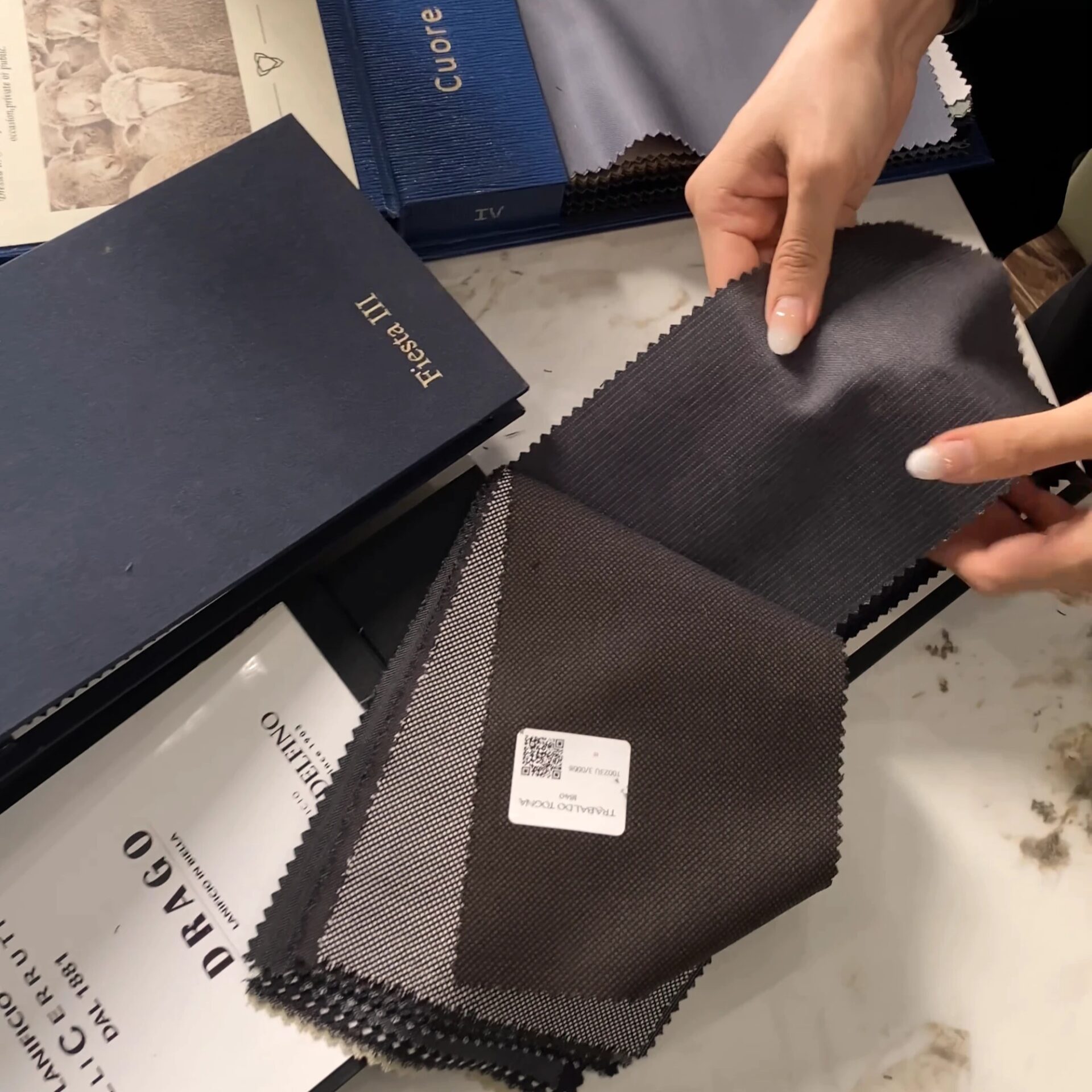
When choosing a tailored suit, attention often goes to cut and silhouette, yet the true experience begins with fabric. More than appearance, suit fabrics shape how a garment feels, moves, and supports confidence throughout the day. They influence comfort, structure, breathability, and how naturally a suit adapts to real life. This topic focuses not on trends, but on how to think about fabrics for tailored suits – based on occasion, season, and personal wear habits so fabric becomes a considered foundation rather than a purely aesthetic choice.
Why Fabric Choice Matters More Than Most Clients Realize
For many clients, fabric is often treated as a visual decision. In reality, tailored suit fabrics shape the entire wearing experience – especially in bespoke tailored suits, where every element builds upon the cloth itself.
- Comfort: Fabric determines breathability, temperature regulation, and how the suit feels against the skin. The right choice allows the garment to remain comfortable from morning to night, across different environments and levels of movement.
- Structure & Drape: Beyond cut, fabric controls how a jacket holds its shape and how it moves with the body. Weave, weight, and fiber quality directly influence whether a suit appears sharp and authoritative or relaxed and fluid.
- Longevity & Wearability: High-quality bespoke suit fabrics age differently. They resist premature wear, recover better after use, and maintain their form over time – making the suit not only beautiful, but dependable in real life.
- More Than Aesthetics: Fabric is not a surface choice. In bespoke tailoring, it sets the foundation for construction, structure, and performance, guiding every decision that follows.
Choosing fabric with intention is what separates a suit that merely looks good from one that truly works for the wearer. This becomes especially important when a suit must perform across travel, long hours, and constant movement. Issues such as wrinkle recovery and ease of wear are explored further in Traveling often? How to Choose Wrinkle-Free Bespoke Clothing at Rosie Hong.
Choosing Suit Fabrics Based on Occasion
Occasion does more than define dress codes – it shapes expectation, mood, and how a suit is perceived in context. The same fabric can feel authoritative in one setting and out of place in another. In bespoke tailoring, choosing suit fabrics based on occasion means understanding what a situation asks of the wearer, then answering that through texture, structure, and drape rather than surface appearance alone.
Rather than asking which fabric is “best”, the more useful question becomes: what should this suit communicate in this moment?
Business & Professional Settings
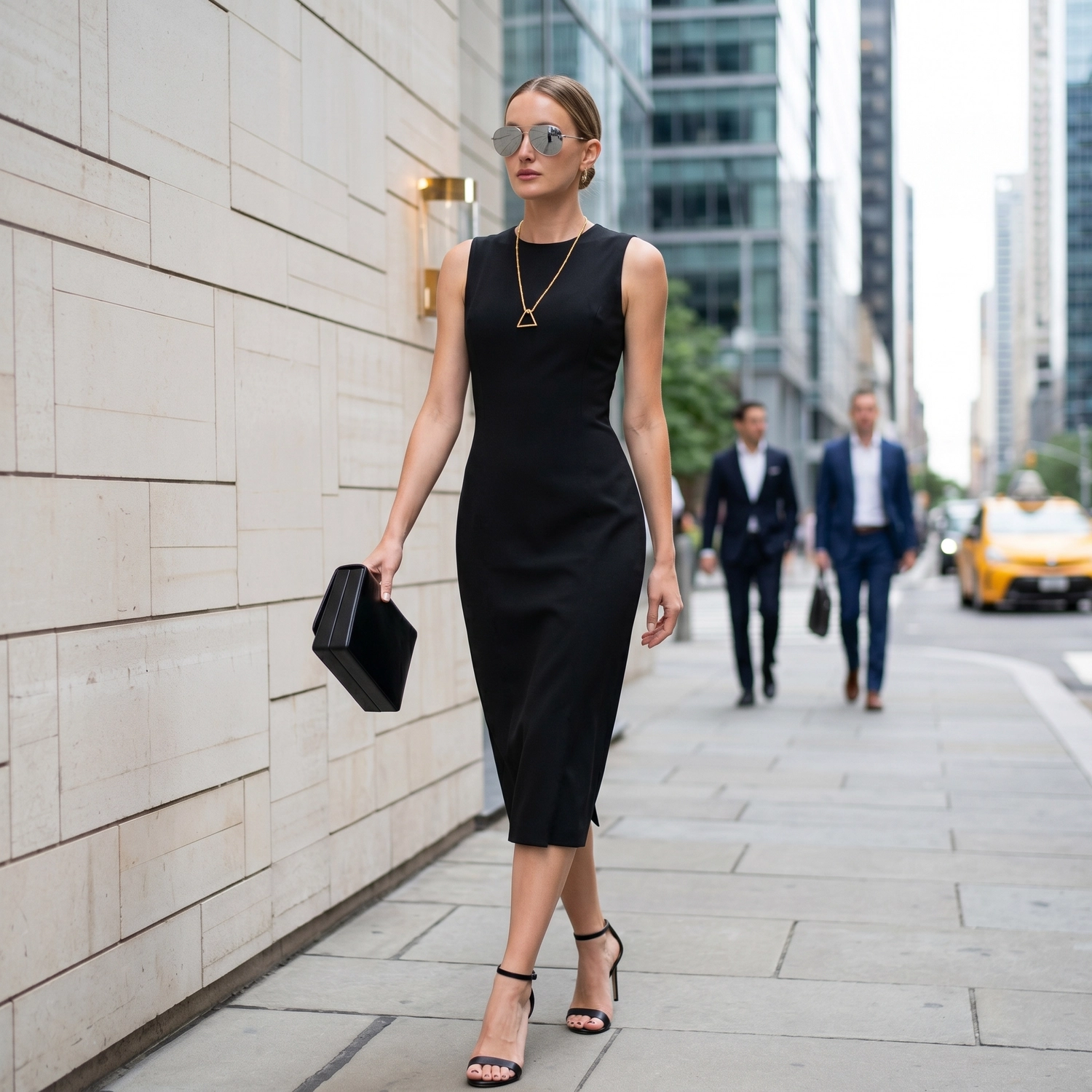
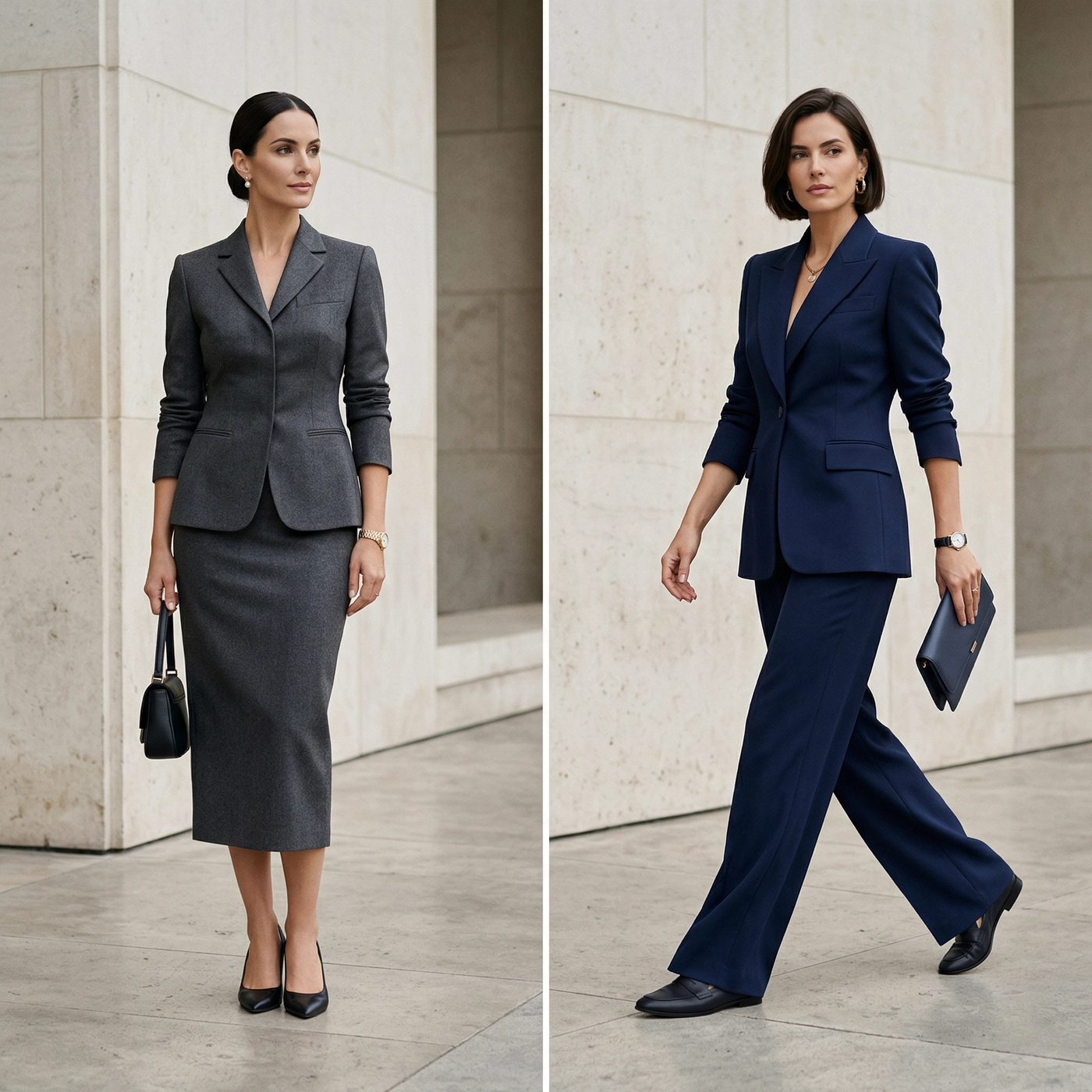
In business and professional settings, a suit exists to establish trust before it attracts attention. It should communicate reliability, composure, and consistency – qualities that support long working hours and frequent wear rather than visual impact. Fabric choice plays a defining role here, shaping how structured the suit appears and how confidently it performs over time.
When selecting fabrics for professional use, the priority is not maximum luxury, but balance. The fabric must be stable enough to hold its shape, refined enough to look polished, and resilient enough to withstand daily rotation.
Suitable fabric choices for professional environments
- Pure Wool: Fabrics made from 100% wool remain a classic foundation for business suits. Wool offers natural breathability, elasticity, and recovery, helping the suit maintain its structure throughout the day. Pure wool suits present a clean, disciplined silhouette, though they benefit from rotation and attentive care when worn frequently.
- Merino Super Wool: Merino wool – especially in Super 120’s to Super 140’s ranges – introduces refinement while remaining practical. As the Super number increases, the fiber becomes finer, producing a smoother hand-feel and more elegant drape. For business use, these mid-to-high Super qualities strike a careful balance: refined enough to feel elevated, yet durable enough for repeated professional wear.
- Super Luxury Worsted Wool: Super Luxury Worsted Wool represents the highest level of precision in professional tailoring. Finely combed fibers and tightly spun yarns create a sharp surface and controlled drape that holds its shape exceptionally well. While visually ideal, these fabrics tend to be more expensive and less forgiving under constant wear.
- Wool Cashmere: Blending wool with cashmere introduces added softness and warmth, creating a richer hand-feel. While comfortable and refined, wool cashmere fabrics are better suited for cooler conditions or lighter rotation, as they are generally less robust for heavy daily wear.
- Wool Blends: Wool blended with a small percentage of synthetic or regenerated fibers offers improved wrinkle resistance, durability, and ease of maintenance. For professionals who wear suits several times a week, wool blends often provide the most practical solution – maintaining a tailored appearance while supporting real-world use.
Once fabric structure is established, visual restraint becomes the next consideration. Professional suits should project clarity and authority without unnecessary distraction.
- Core tones: Navy, charcoal, and mid-grey remain the most reliable choices across industries, offering versatility and a composed professional presence.
- Subtle expressions: Fine pinstripes, muted checks, or low-contrast textures can introduce depth, but should remain understated – supporting the suit’s structure rather than competing with it.
For business and professional wear, the smartest choice is rarely the most luxurious fabric available. While Super Luxury Worsted Wool defines the ideal in refinement, a well-chosen wool blend often proves more suitable for daily professional life – durable, composed, and consistent. A suit that performs quietly and reliably will always serve its wearer better than one that prioritizes perfection over practicality.
Formal Events & Weddings
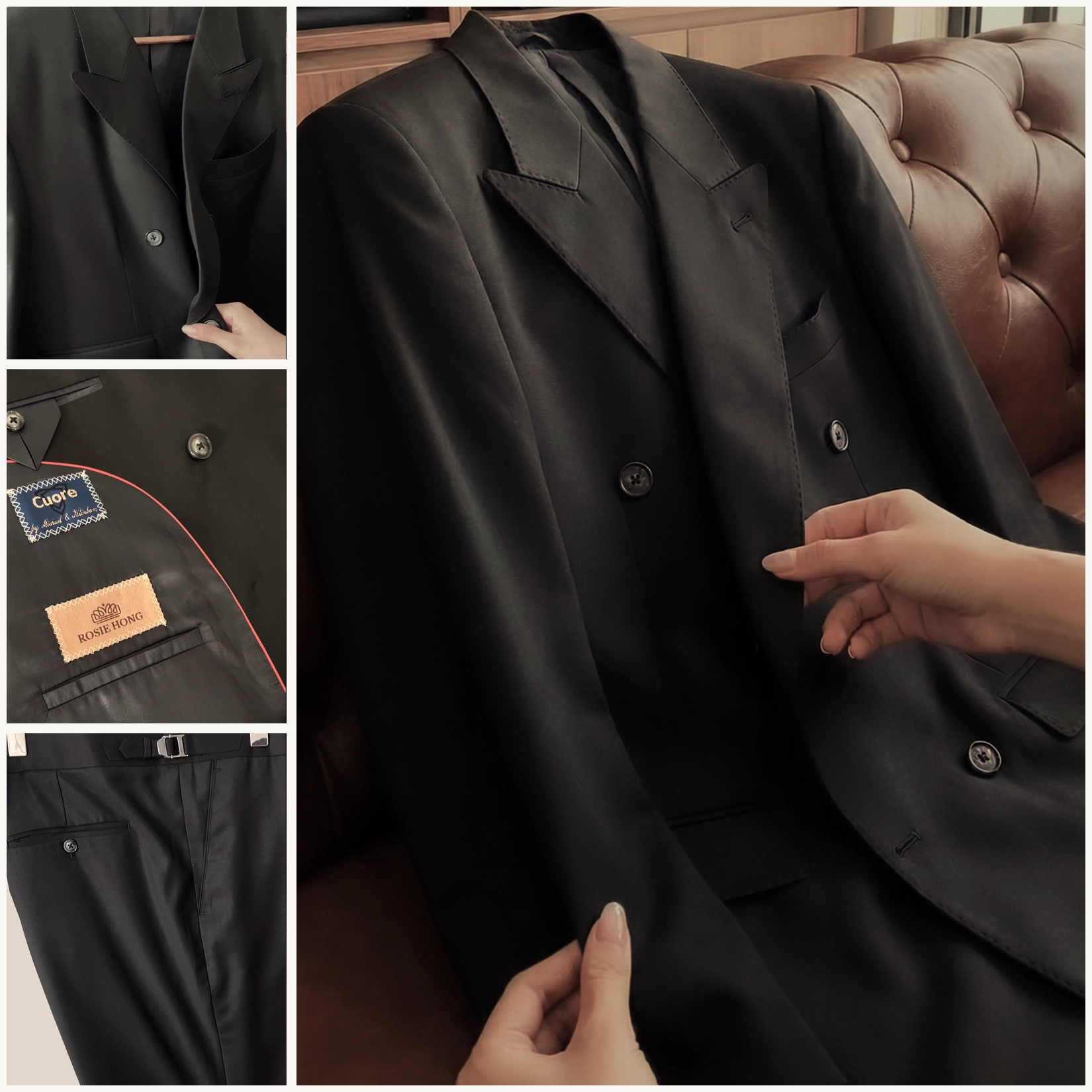
Formal events and weddings shift the role of a suit away from authority and toward intention. In these moments, a suit is experienced through proximity, lighting, and movement – often captured and remembered long after the event itself. Fabric choice therefore becomes a matter of refinement, balance, and appropriateness rather than durability alone.
When selecting fabrics for formal occasions, the goal is to achieve elegance through material quality and surface control. The fabric should support a graceful silhouette, respond well to light, and remain composed throughout the ceremony and celebration.
Fabric choices suited to formal occasions
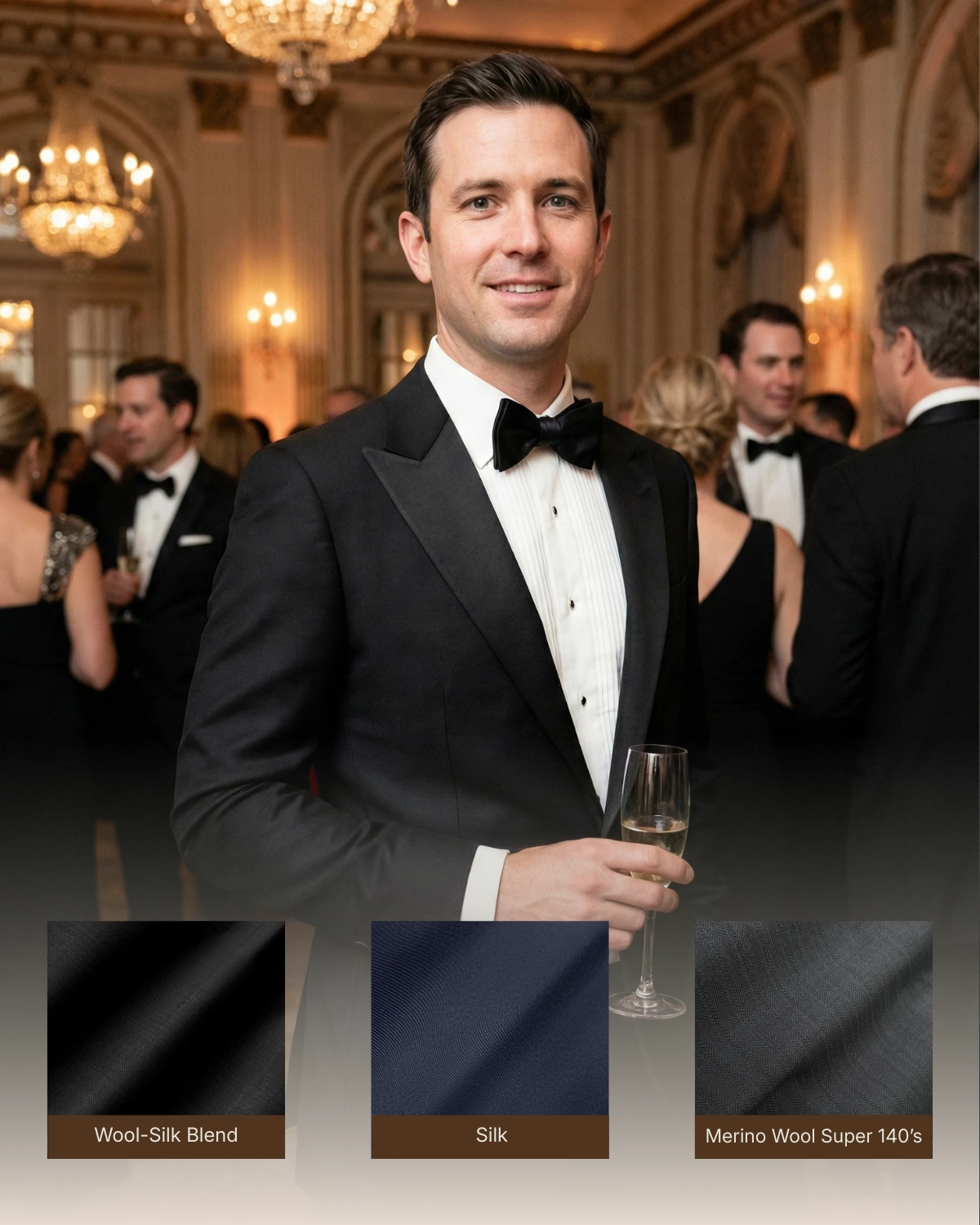
- Finer Wool Qualities (Merino Wool Super 140’s): Merino wool in the Super 140’s range is valued for its finer fiber diameter, which creates a smoother surface and a more fluid drape compared to lower Super counts. This fineness enhances visual elegance while retaining enough structure for tailored garments. Such fabrics are commonly chosen for formal suits where refinement and drape take precedence over heavy rotation or daily wear.
- Silk: Silk has long been associated with formality due to its natural luster and luxurious hand-feel. In tailored suits, silk offers a distinct visual presence, interacting strongly with light and lending a ceremonial character to the garment. At the same time, silk’s softness and tendency to crease mean it is often selected deliberately where visual impact and occasion outweigh concerns of long-hour wear or structural resilience.
- Wool-Silk Blends: Wool-silk blends combine the strengths of both fibers in a controlled way. Wool provides structure, breathability, and recovery, while silk contributes a refined sheen and smoother surface. This balance makes wool–silk blends particularly well suited to weddings and formal events, offering visual richness without overpowering shine and maintaining composure throughout extended wear.
With fabric character established, the overall visual language should remain cohesive and restrained, allowing material quality to speak without distraction.
- Considered tonal palettes: Midnight blue, deep navy, charcoal, and refined neutrals are widely favored for formal settings, offering timeless elegance and consistency under both natural and artificial light.
- Understated surface detail: Tonal stripes, subtle jacquard weaves, or quiet textural interest add dimension while preserving a composed, ceremonial appearance.
For formal events and weddings, the most reliable choice is often a well-balanced wool-silk blend. It carries the refinement and subtle luminosity expected in ceremonial settings, while retaining the structure, breathability, and composure required for tailored construction. Compared to pure silk or ultra-fine wool alone, wool-silk offers a more complete balance, elegant under close scrutiny, responsive to movement, and composed throughout extended wear. When the goal is to look refined without excess, this blend consistently proves to be the most considered option.
Casual & Social Occasions
In casual and social contexts, a suit no longer exists to signal formality – it is meant to feel relaxed, expressive, and naturally integrated into the wearer’s lifestyle. Rather than projecting authority, the suit should communicate ease, comfort, and personal character. Fabric choice becomes the primary tool in defining how effortless or intentional the suit appears.
When choosing fabrics for casual tailoring, priority shifts toward breathability, texture, and flexibility. The fabric should move easily with the body, adapt to climate, and soften the overall silhouette without losing its tailored identity.
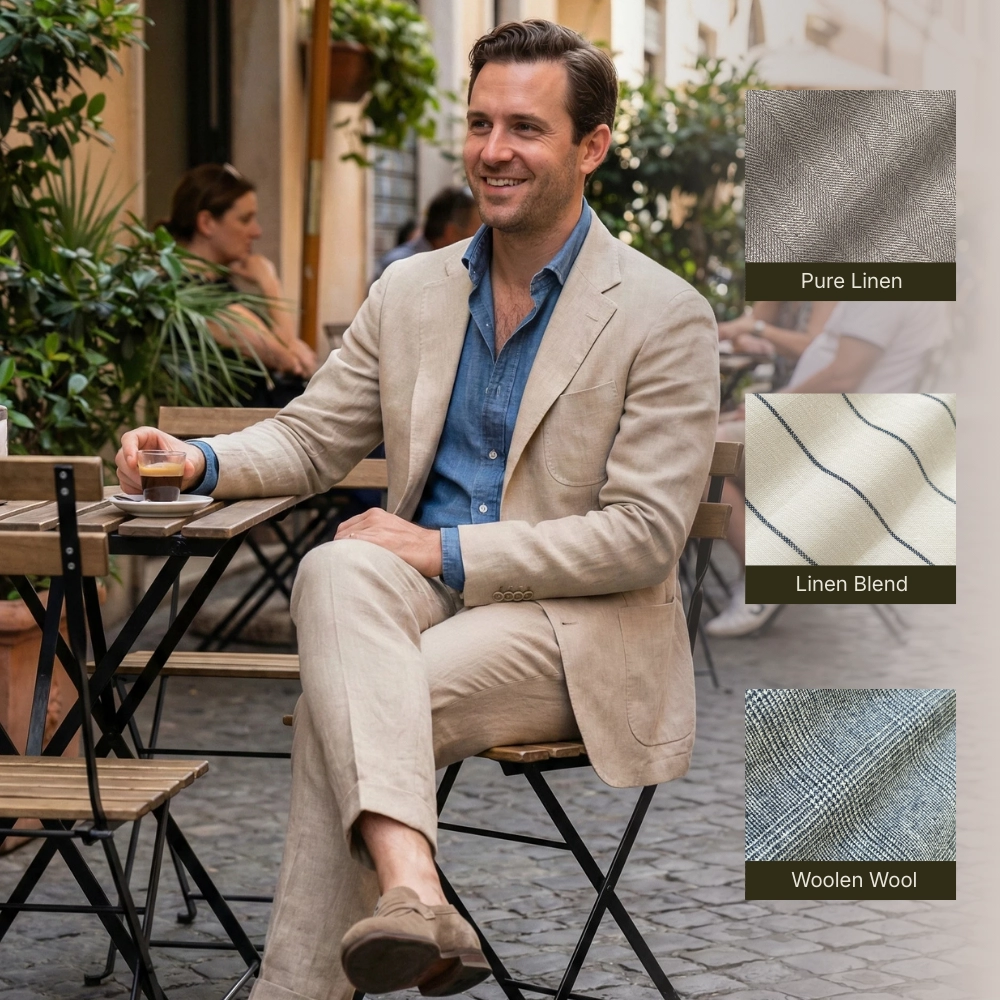
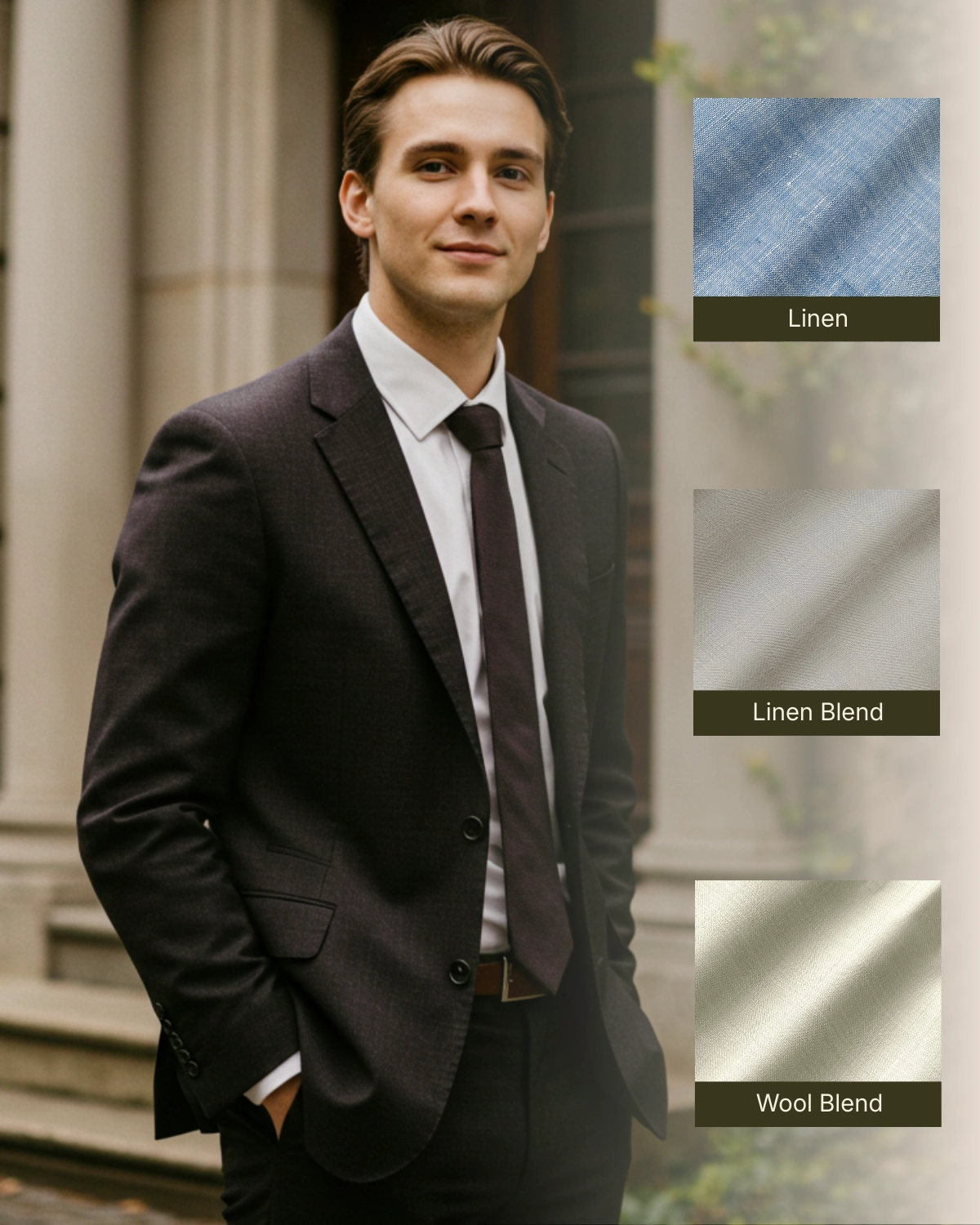
- Pure Linen: Pure linen is the most iconic fabric for casual suiting. Its open fiber structure allows excellent airflow, making it highly suitable for warm climates and outdoor social settings. Linen’s irregular texture and visible creasing are part of its visual language, signaling ease rather than imperfection. However, in its pure form, linen creases quickly and prominently, which can feel uncontrolled during extended wear or in semi-polished social environments.
- Linen Blends: Linen blends – commonly combined with wool or small percentages of other fibers offer a more balanced alternative. These blends preserve linen’s breathability and texture while improving wrinkle recovery and structural stability. The result is a fabric that retains a relaxed appearance but behaves more predictably in wear, making it especially practical for social suits that need to remain composed across longer occasions.
- Woolen Wool: Woolen wool provides a different expression of casual tailoring, particularly suited to cooler climates. Spun from shorter fibers and less tightly twisted than worsted wool, it produces a softer surface with visible texture and a relaxed drape. Woolen fabrics emphasize warmth, tactility, and visual depth over sharp structure, making them ideal for social settings where comfort and character take precedence.
Once the fabric character is defined, visual expression can become more relaxed and personal.
- Preferred tones: In casual tailoring, lighter and more natural tones tend to feel most convincing. Shades such as beige, stone, soft grey, olive, warm brown, or muted seasonal hues create an easy visual presence that feels relaxed rather than formal. These colors integrate naturally with daylight, outdoor settings, and informal environments, reinforcing the effortless character of a social suit.
- Expressive surface details: Surface interest becomes equally important. Visible weaves, softly defined herringbone patterns, gentle checks, or textured solid fabrics add depth without sharp contrast. Rather than relying on bold color statements, these subtle textural elements allow the fabric itself to express character – supporting a suit that feels intentional, tactile, and quietly expressive.
For casual and social occasions, comfort should feel natural, but control still matters. While pure linen expresses the essence of relaxed tailoring, a thoughtfully balanced linen blend is often the more reliable choice. By preserving linen’s breathability and texture while improving crease recovery and structure, linen blends deliver ease without excess – allowing the suit to remain composed, wearable, and intentional in everyday social settings.
Read: Why Linen Is the Smart Choice for Summer Suits
Choosing Suit Fabrics Based on Season
Season affects not only comfort, but how a suit feels, moves, and presents itself in daily wear. Temperature, humidity, and ambient light all influence how fabric behaves on the body whether it breathes or traps heat, drapes fluidly or feels dense, appears crisp or soft. In bespoke tailoring, seasonal fabric selection is therefore less about strict calendars and more about understanding how materials respond to environmental conditions.
Spring / Summer: Lightness, Airflow, and Visual Ease
- Warm-weather tailoring is defined by the need to release heat while maintaining structure. As temperatures rise, the body becomes more sensitive to fabric density and weave tightness. Fabrics for spring and summer must allow air to circulate, reduce weight on the shoulders, and prevent the suit from clinging or collapsing.
- In this climate, lighter fabrics with open structures perform best. Linen plays a central role here due to its naturally airy fiber and loose weave. Pure linen delivers exceptional breathability and a dry, cool hand-feel, making it ideal for heat. However, its tendency to crease heavily means it communicates ease rather than polish something that works well in relaxed settings but can feel uncontrolled over long wear.
- For this reason, linen blends are often preferred in tailored contexts. By combining linen with wool or small amounts of silk, these fabrics retain airflow and texture while gaining improved shape retention and smoother drape. The suit still feels light and breathable, but with greater composure as the day progresses qualities that make a bespoke linen suit especially well suited to warm-weather tailoring where comfort and structure must coexist.
- Lightweight wool – particularly fine Merino also performs surprisingly well in warmer seasons when woven with openness. Tailoring-grade summer wools rely on finer fibers and controlled fabric weights rather than thickness for comfort. Wool’s ability to regulate moisture helps maintain a stable body temperature, preventing overheating despite its association with colder weather.
- Visually, spring and summer fabrics tend to feel brighter and more relaxed. Lighter neutrals, soft greys, muted blues, and warm natural tones reflect light rather than absorb it, reinforcing the sensation of ease. Texture becomes an important visual tool: visible weaves, subtle slubs, or gentle surface variation prevent lighter fabrics from appearing flat, adding depth without heaviness.
The overall impression of a warm-weather suit should be effortless cool to the touch, easy in movement, and visually aligned with daylight and open environments.
Autumn / Winter: Warmth, Density, and Visual Presence
- As temperatures drop, the role of fabric shifts from releasing heat to retaining it. Cold-weather tailoring favors materials that trap warmth, provide substance, and enhance the suit’s sense of presence. Fabric weight, fiber length, and surface finish all become more important in shaping comfort and appearance.
- Wool takes on a different expression in autumn and winter. Woolen constructions – spun from shorter fibers and twisted less tightly create fabrics with a softer hand and fuller body. These fabrics hold air within their structure, offering insulation while producing a relaxed, tactile surface. Compared to summer wools, they feel warmer, quieter, and more substantial.
- Heavier worsted wools also come into play during colder months. While still smooth and structured, increased fabric weight adds thermal comfort and reinforces the jacket’s shape. The suit feels grounded on the body, with cleaner lines and a more authoritative drape.
- Blends incorporating cashmere further enhance warmth and softness. Wool–cashmere fabrics introduce a richer hand-feel and a sense of comfort that is immediately noticeable in colder conditions. While less durable than pure wool, these materials excel when warmth, tactility, and refinement are prioritized over heavy rotation.
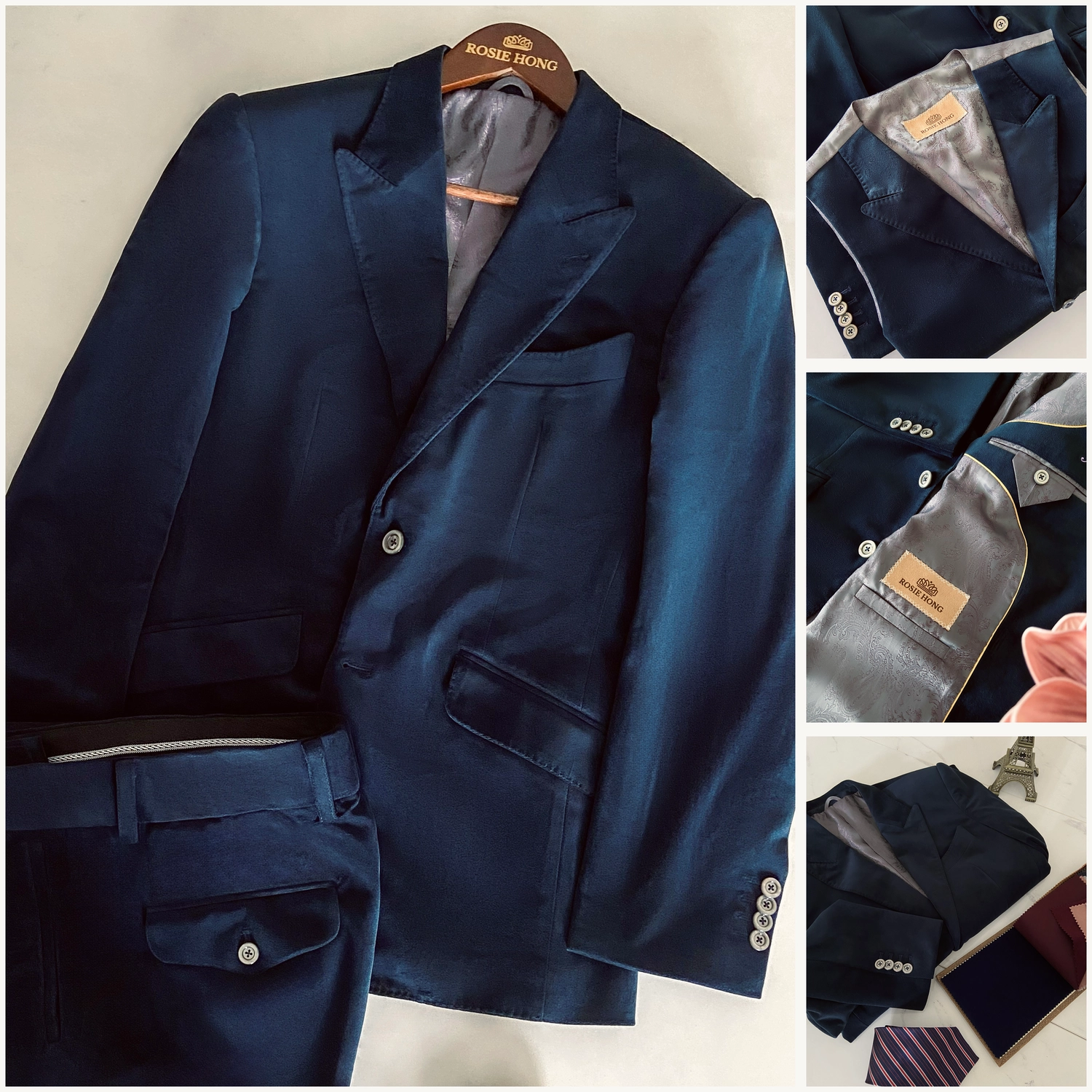
- Velvet emerges as a distinctive seasonal fabric in autumn and winter, particularly for evening wear and formal social occasions. With its dense pile and light-absorbing surface, velvet adds depth, warmth, and a sense of ceremony that lighter fabrics cannot achieve. While not intended for daily wear, velvet suits or jackets contribute a refined seasonal statement – one that emphasizes texture, richness, and visual presence rather than structure alone.
- Winter fabrics tend to absorb light rather than reflect it, contributing to a deeper visual presence. Darker tones – navy, charcoal, brown, olive feel seasonally appropriate and visually grounding. Texture becomes more expressive: brushed finishes, flannel surfaces, denser weaves, and plush materials add depth and warmth without relying on brightness. Patterns such as herringbone, twill, or subtle checks reinforce this sense of richness and seasonal weight.
A well-chosen autumn or winter suit should feel insulating without heaviness, substantial without stiffness, offering both physical warmth and visual confidence.
Beyond distinctly seasonal fabrics, mid-weight wool – typically around 275–290gsm offers a practical all-season option for those who prefer consistency. At this weight, wool maintains enough structure for tailoring while remaining breathable in warmer conditions, making it one of the most versatile suit fabrics available.
In colder months, this fabric does not need to be replaced – layering is sufficient. Adding a knit, waistcoat, or coat provides warmth without compromising the suit’s balance or requiring heavier seasonal cloth. For wearers who value longevity and adaptability, mid-weight wool remains the most reliable foundation for year-round suiting.
Read: Velvet and Cashmere: Understanding Two Essential Winter Fabrics
Conclusion
Choosing suit fabrics is ultimately about understanding context – how occasion, season, and lifestyle shape the way a suit should feel, move, and endure over time. When fabric is selected with intention, it becomes the foundation of comfort and confidence rather than a surface-level choice. This perspective guides the way the Rosie Hong fabric collection is curated: with balance, versatility, and real-life wear in mind, allowing tailored suits to serve the wearer beyond a single moment or setting.
DISCOVER PHYIGITAL BESPOKE TAILORING