Velvet and Cashmere: Understanding Two Essential Winter Fabrics

Winter fabrics play a decisive role in cold-weather tailoring. As temperatures drop, fabric choice must address not only warmth, but also breathability, structure, and long-term comfort. Among traditional winter materials, velvet and cashmere stand out for different reasons – each offering distinct performance, aesthetics, and tailoring considerations. Understanding how these fabrics behave in winter conditions is essential for making informed decisions for your next winter suit.
Velvet in Winter Tailoring: Structure, Performance, and Practical Use
Velvet has long been associated with winter eveningwear and formal tailoring, not because of ornamentation, but because of how the fabric behaves in cold conditions. To understand its role in winter garments, velvet must be examined both as a textile and as a tailored material – where structure, fiber choice, and construction directly affect performance.
Origin and Fiber Structure
- A fabric defined by structure rather than fiber alone: Velvet is not a fiber, but a weaving structure defined by a dense pile surface. This pile is created by weaving additional warp yarns that are later cut to form short, upright fibers standing perpendicular to the base cloth. Because performance is driven by construction rather than raw material, velvet can be produced from silk, cotton, or synthetic fibers – each influencing durability, sheen, and handling differently.
- Natural and synthetic fiber compositions in modern velvet: While traditional velvet was woven from silk, contemporary tailoring frequently uses cotton velvet, silk blends, and synthetic velvet made from fibers such as viscose, rayon, or polyester. Synthetic velvet is common because it offers greater consistency, improved abrasion resistance, and lower cost while maintaining the essential pile structure. In winter tailoring, cotton and silk-blend velvets are often preferred for garments like a velvet suit jacket, while high-quality synthetic velvet is valued for its durability and visual uniformity.
Advantages and Limitations of Velvet in Tailoring
When used correctly, velvet can be a powerful winter tailoring fabric. However, its behavior differs significantly from traditional suiting cloths and must be approached with clear intent.
Advantages of velvet in tailored garments
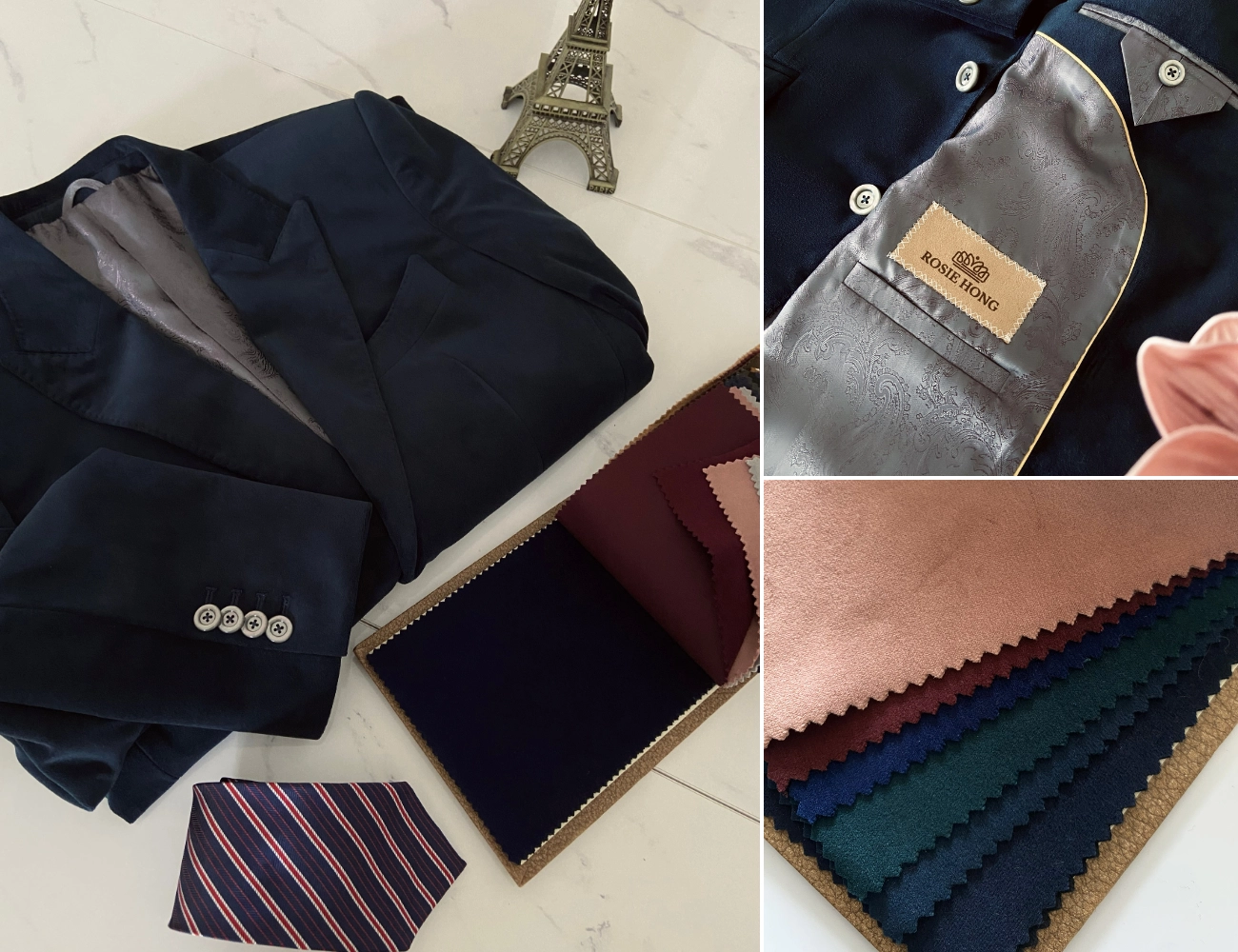
- Absorbs light in a way that enhances a classic, old-money aesthetic: velvet’s soft sheen and directional luster create depth rather than overt shine, giving tailored garments a timeless, refined appearance associated with traditional elegance and understated luxury
- Provides warm, natural insulation through its dense pile structure without excessive fabric weight
- Offers strong visual presence, making it ideal for statement pieces such as a velvet suit jacket
- Performs well in structured garments when paired with appropriate canvas and internal support
Limitations that must be understood
- Velvet shows pressure marks and directional shading due to its pile, requiring careful handling during wear and storage
- The dense pile structure attracts dust easily and is sensitive to moisture: Water spots, surface flattening, and staining are more visible on velvet than on flat-woven fabrics
- Care and maintenance are more demanding: Velvet is difficult to wash, requires cautious cleaning methods, and improper handling can permanently damage the pile
- When the velvet pile is longer, cutting and construction become significantly more difficult, often requiring specialized sewing machines and experienced handling to control pile direction and surface consistency
Taken together, these advantages and limitations clarify how velvet should be approached in winter tailoring. Its visual richness, warmth, and classic character make it a compelling choice when used intentionally, while its sensitivity, maintenance demands, and construction challenges require experience and restraint.
Cashmere in Winter Tailoring
Fiber Origin, Structure, and Natural Thermal Performance
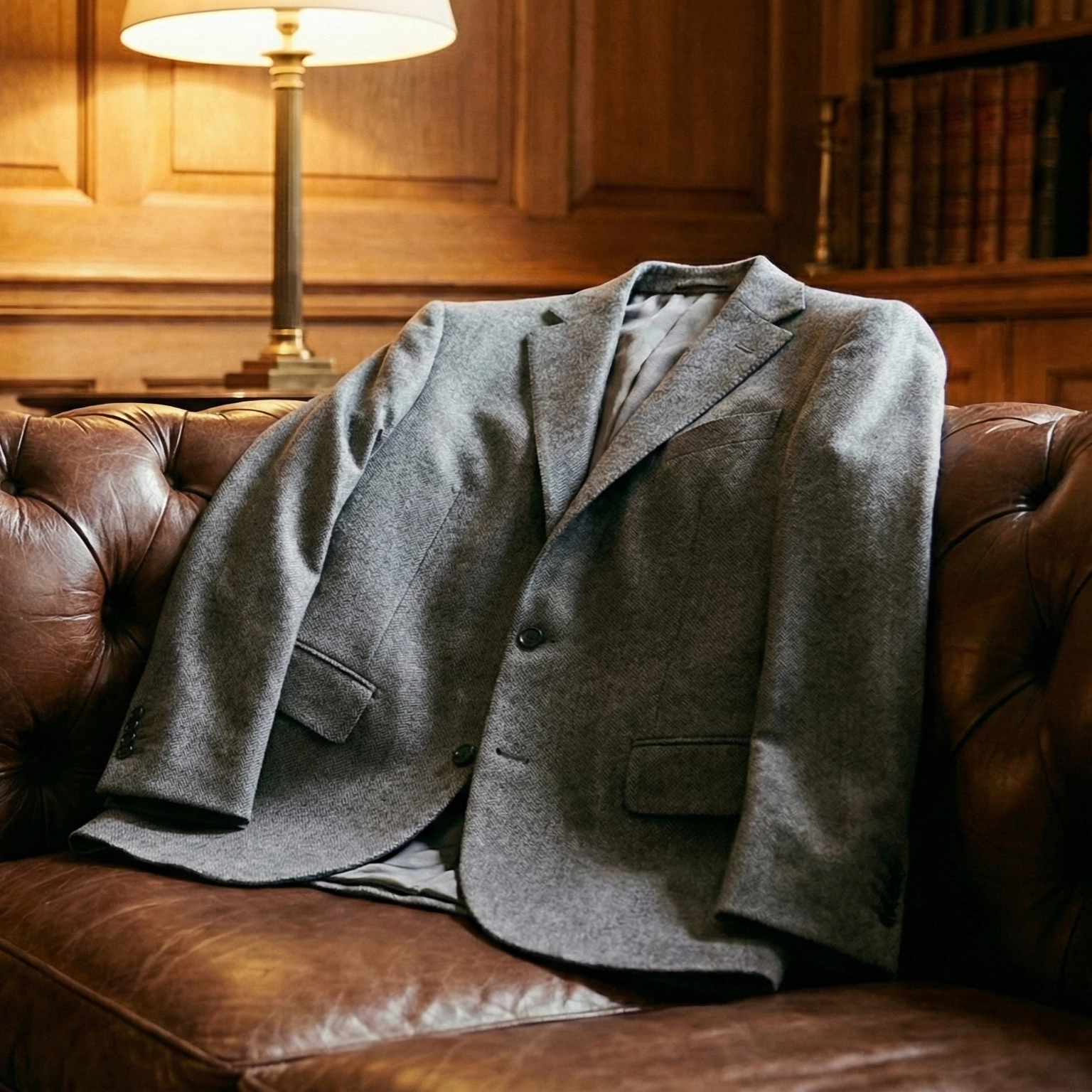
- A heritage luxury fiber with an established place among elite winter fabrics: Cashmere has long been regarded as an indispensable fabric in winter tailoring, particularly in refined suits, jackets, and outerwear. Its history in tailoring stretches back centuries, associated with garments made for warmth, comfort, and social status rather than mass practicality. Within classic menswear, cashmere has consistently represented refinement, restraint, and quiet luxury rather than seasonal fashion.
- Fiber origin and structure: Cashmere is sourced from the fine undercoat of cashmere goats raised in harsh, cold climates. These fibers are significantly finer than traditional wool, allowing them to trap heat efficiently while remaining exceptionally lightweight. Their natural crimp creates micro air pockets that slow heat loss, providing insulation through structure rather than fabric thickness.
Advantages and Limitations of Cashmere in Winter Garments
Cashmere offers a distinct set of strengths in winter tailoring, but it must be used with clear understanding. Its luxury appeal is inseparable from its practical limitations.
Advantages of cashmere in tailored garments
- Exceptional warmth with minimal weight: Cashmere provides effective insulation without the heaviness commonly associated with winter fabrics
- A classic, aristocratic aesthetic: The soft surface and subdued finish create a refined, timeless elegance closely associated with heritage tailoring and noble dressing
- Superior comfort against the skin: The fineness of cashmere fibers reduces surface friction, making garments feel noticeably smoother and more comfortable during long wear
- Enhanced drape in winter tailoring: When woven or blended correctly, cashmere adds fluidity and softness while maintaining visual sophistication
Limitations that must be understood
- Pure cashmere is rare and costly in suiting: 100% cashmere fabrics command high prices and are less practical for frequent wear due to durability concerns
- Cashmere blends are the tailoring standard: Most winter suits use cashmere blended with high-grade wool, commonly Super 140s wool, to improve structure, resilience, and longevity while retaining warmth and softness
- Limited suitability for full suits: Cashmere is rarely used for complete suits, as trousers made from cashmere tend to wear quickly and lose shape at the knees due to the fiber’s low abrasion resistance
- Lower abrasion resistance than wool: Cashmere fibers are delicate and can show wear more quickly in high-friction areas if not reinforced through fabric design
- Requires careful construction and maintenance: Pressing, cleaning, and handling must be controlled precisely to preserve fiber integrity and surface softness
In tailoring, it is chosen not for durability alone, but for clients seeking warmth, comfort, and understated prestige – often best realized through carefully engineered cashmere blends rather than pure cashmere cloth.
Velvet vs Cashmere – Choosing the Right Winter Fabric by Purpose, Not Trend
Among classic winter fabrics, velvet and cashmere serve very different roles in bespoke tailored suits. Both are associated with warmth, luxury, and winter dressing, but they answer completely different needs. The decision is not about which fabric is “better,” but which one aligns with how, where, and why the garment will be worn.
Casual Winter Wear: Comfort Comes First
For casual winter tailoring, cashmere is generally the more practical choice. Its softness, light weight, and natural insulation make it comfortable for extended daily wear. However, pure cashmere carries a very high cost and can be fragile when used frequently. In most real-world applications, cashmere blends – typically combined with high-quality wool – offer a more balanced solution. Wool improves elasticity, durability, and shape retention, while cashmere contributes warmth and a refined hand feel. The result is a fabric suitable for everyday bespoke tailored suits without sacrificing comfort or longevity.
Velvet can still appear in casual settings, but only with careful selection. High-quality synthetic velvet or blended velvet with a subtle sheen and darker, muted colors can work for relaxed jackets or evening-adjacent casual wear. Without these considerations, velvet risks appearing overly theatrical rather than effortlessly casual.
Business Wear: Tradition, Structure, and Restraint
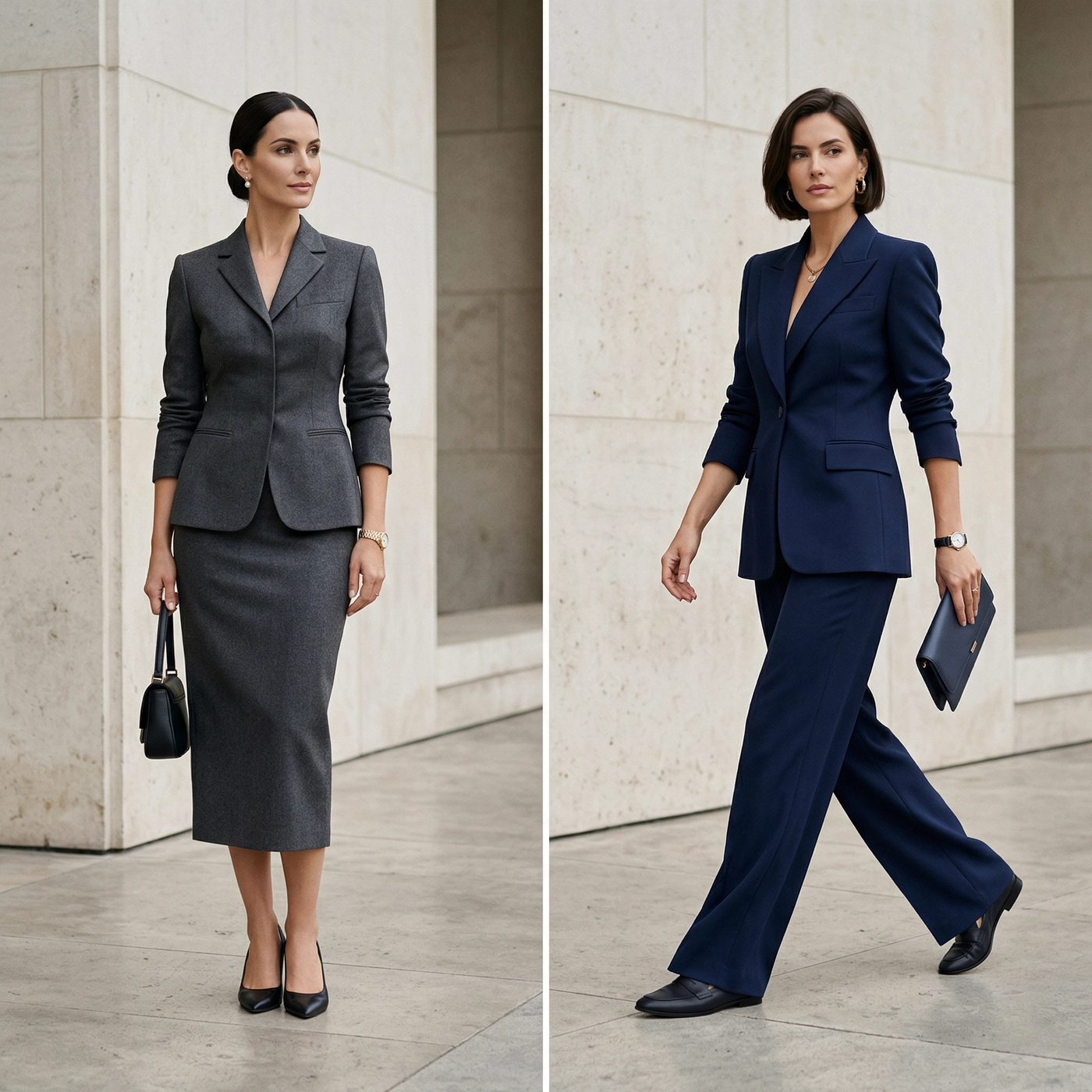
In professional environments, cashmere blends remain the safer and more versatile option. Cashmere has a long history in tailoring and carries an understated elegance that aligns well with traditional business dress codes. When blended with fine wool, it maintains a classic appearance while offering improved durability and structure – key requirements for daily office wear and business travel.
Velvet, by contrast, has limited application in conventional corporate settings. Its pile texture and light-absorbing surface naturally draw attention, which can feel out of place in formal business environments. That said, velvet may be appropriate in creative, artistic, or non-traditional workplaces, where expressive dress is part of the culture rather than an exception.
Event Wear: Statement and Visual Authority
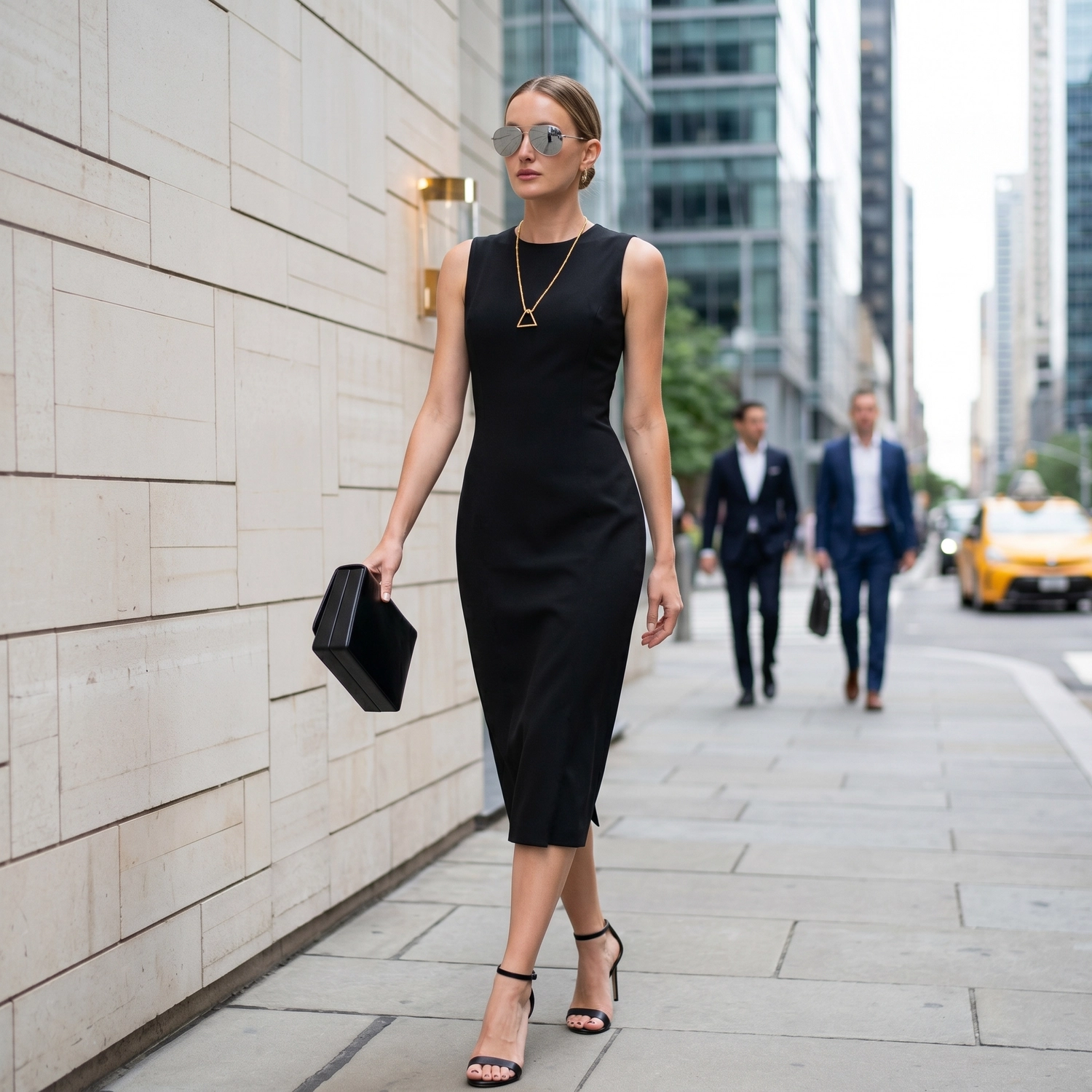
For evening events and formal occasions, velvet is unmatched. Its soft sheen and depth of color create a presence that feels luxurious without the excessive gloss of silk. Under low light, velvet enhances the wearer’s silhouette and conveys a sense of classic elegance – particularly in darker tones such as black, deep navy, burgundy, or emerald. This makes velvet an ideal choice for dinner jackets and event-focused bespoke tailored suits.
Cashmere can still be appropriate for evening wear, especially for understated or semi-formal occasions. However, when the goal is visual impact and refined drama, cashmere cannot compete with velvet’s ability to command attention in nighttime settings.
Ultimately, these fabrics do not compete but serve different needs. Choosing by intention ensures your fabric choice perfectly aligns with your lifestyle.

Read: Suit Fabrics Explained: How to Choose the Right Cloth by Occasion and Season
Why Bespoke Tailoring is Essential for Winter Luxury
While fabric selection determines the potential of a winter suit, only bespoke construction can fully realize it. Both velvet and cashmere present unique technical challenges that mass production rarely overcomes. In the hands of a skilled cutter, these challenges are transformed into marks of quality.
Velvet: Mastering the “Creep” and Direction
Velvet is notoriously difficult to tailor due to its pile structure. When two layers of velvet are placed face-to-face for sewing, the interlocking piles cause the fabric to “creep” or shift, leading to puckering seams in lesser garments.
- Precision Cutting & Nap Alignment: Bespoke tailoring ensures that every panel is cut with the nap running in the exact same direction. A slight deviation in mass manufacturing results in panels that look like different shades of color.
- Hand-Basting: To prevent the fabric from shifting, bespoke tailors use extensive hand-basting (temporary stitching) to hold the layers in perfect alignment before the final machine stitch, a time-consuming process that ready-to-wear production cannot afford.
Cashmere: Engineering Structure Behind the Softness
Cashmere’s greatest asset – its extreme softness is also its structural weakness. Without proper internal support, a cashmere jacket can look limp or lose its silhouette over time.
- Internal Architecture: A bespoke cashmere jacket relies on a floating canvas (horsehair interlining) specifically chosen to counterbalance the fabric’s weight. This canvas provides the necessary skeleton that allows the soft cashmere to drape cleanly over the chest without collapsing.
- The Blend Strategy: A bespoke tailor assesses the client’s lifestyle to recommend the correct fiber blend. While a store sells what is on the rack, a tailor creates the balance. For a client who travels, blending cashmere with a resilient merino wool creates a cloth that retains the “hand” of cashmere but gains the recovery performance of wool.
Conclusion: Choosing the Right Winter Fabric Is About Purpose, Not Preference
Velvet and cashmere should never be seen as competing options in winter fabrics. They solve different problems within the same season: velvet delivers visual impact, depth, and occasion-specific elegance, while cashmere prioritizes warmth, comfort, and everyday wearability. Understanding how each fabric functions allows you to choose with intention – matching fabric to lifestyle, setting, and frequency of wear. When a winter suit is selected based on purpose rather than trend, it becomes not only seasonally appropriate, but also a smarter and more enduring investment.
DISCOVER PHYIGITAL BESPOKE TAILORING