Beyond the Gown: The Definitive Guide to LGBT & Androgynous Bridal Suits
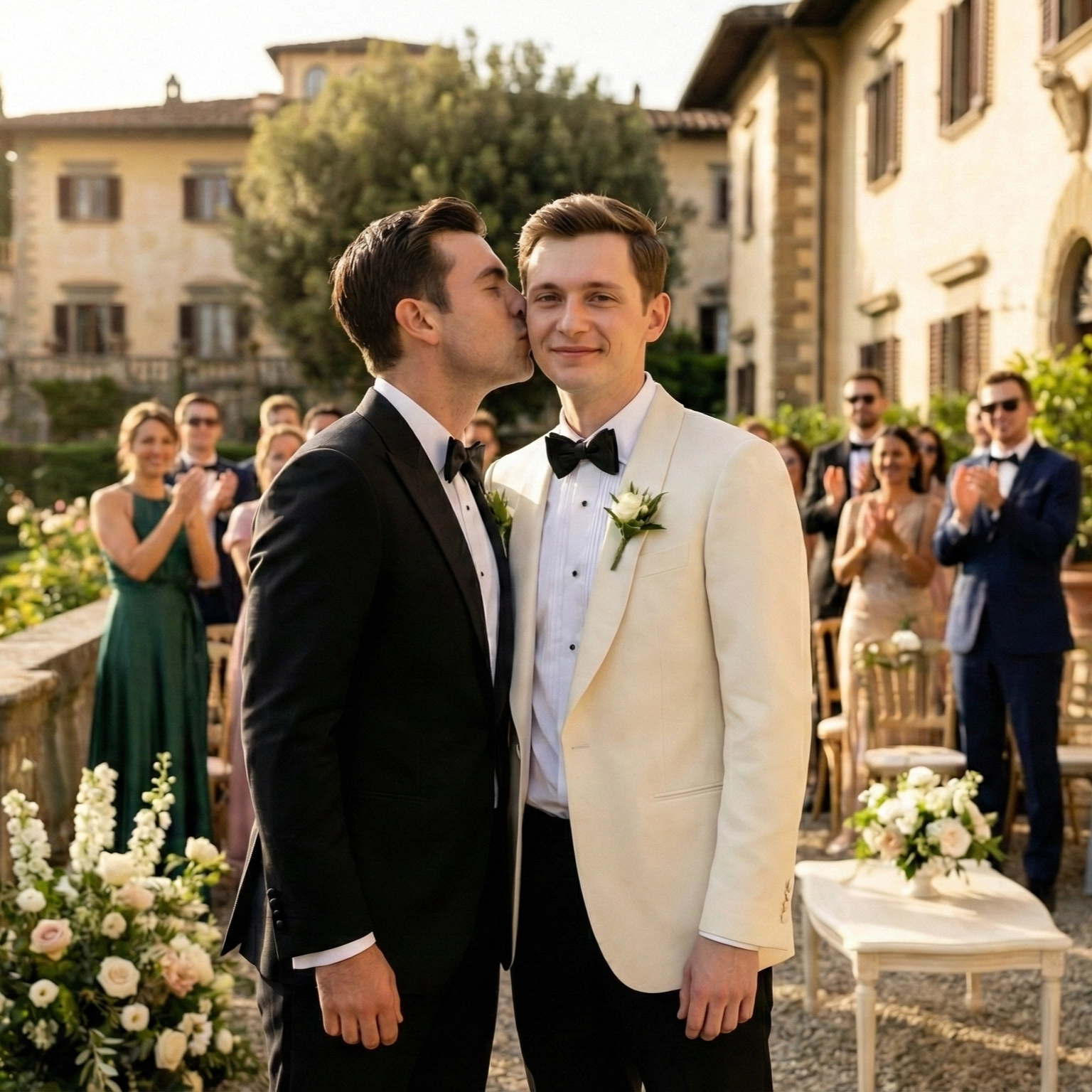
For the queer community, wedding attire is less about convention and more about visibility. Choosing androgynous bridal suits is a profound affirmation of self. However, the path to the perfect look is rarely simple; standard off-the-rack options are often structurally incompatible with natural body proportions, leading to a poor fit. The solution lies in the architectural precision of a Bespoke Tuxedo. This guide explores the essential elements of fit and design, from Black Tie protocols to fabric selection, helping you craft LGBT wedding suits that are authentically yours.
Redefining the Bridal Look: It’s About Authenticity
To reduce wedding attire to mere fabric and stitching is to overlook its psychological power. In the context of queer weddings, clothing is a language – a way to communicate identity, unity, and solemnity without speaking a word. Whether it is two grooms standing side-by-side or a bride stepping away from tradition, the decision to commission a Bespoke Tuxedo is an act of profound self-affirmation.
For the LGBT community, wearing a tuxedo is not just about fashion; it is about reclaiming the narrative of the wedding day:
- Gender Euphoria (For Trans & Non-Binary Individuals): For those who have felt alienated by traditional gender expectations, putting on a tuxedo that fits correctly can be a transformative experience. It is the moment where the exterior finally mirrors the interior self. Androgynous bridal suits and tuxedos offer a sense of grounding and “rightness” that a gown simply cannot provide, allowing you to walk down the aisle with absolute confidence. This act of reclaiming the suit has a rich lineage. Draw courage from the rebels of the past by reading [A History of Women in Menswear to Inspire Your Big Day].
- Elevating the Occasion (For Same-Sex Grooms): A common pitfall for many couples is wearing business suits that look too similar to daily office wear. A wedding demands the heightened elegance of Black Tie. Choosing a tuxedo with its satin lapels and ceremonial structure, signals that this moment is sacred, separating the “groom” from the “professional.”
- Visual Unity (For the Couple): Tailoring allows for a sophisticated interplay between partners. Whether it is a lesbian couple coordinating textures or two grooms matching their silhouettes, bespoke LGBT wedding suits create visual harmony. It shifts the focus from the contrast of “male vs. female” to the cohesion of a union between equals.
Planning a duo look? Read our guide on [Coordinating Suits for Two Grooms or Two Brides] to master the art of visual harmony.
The Fit Challenge: Why “Men’s Wear” Doesn’t Work on AFAB Bodies
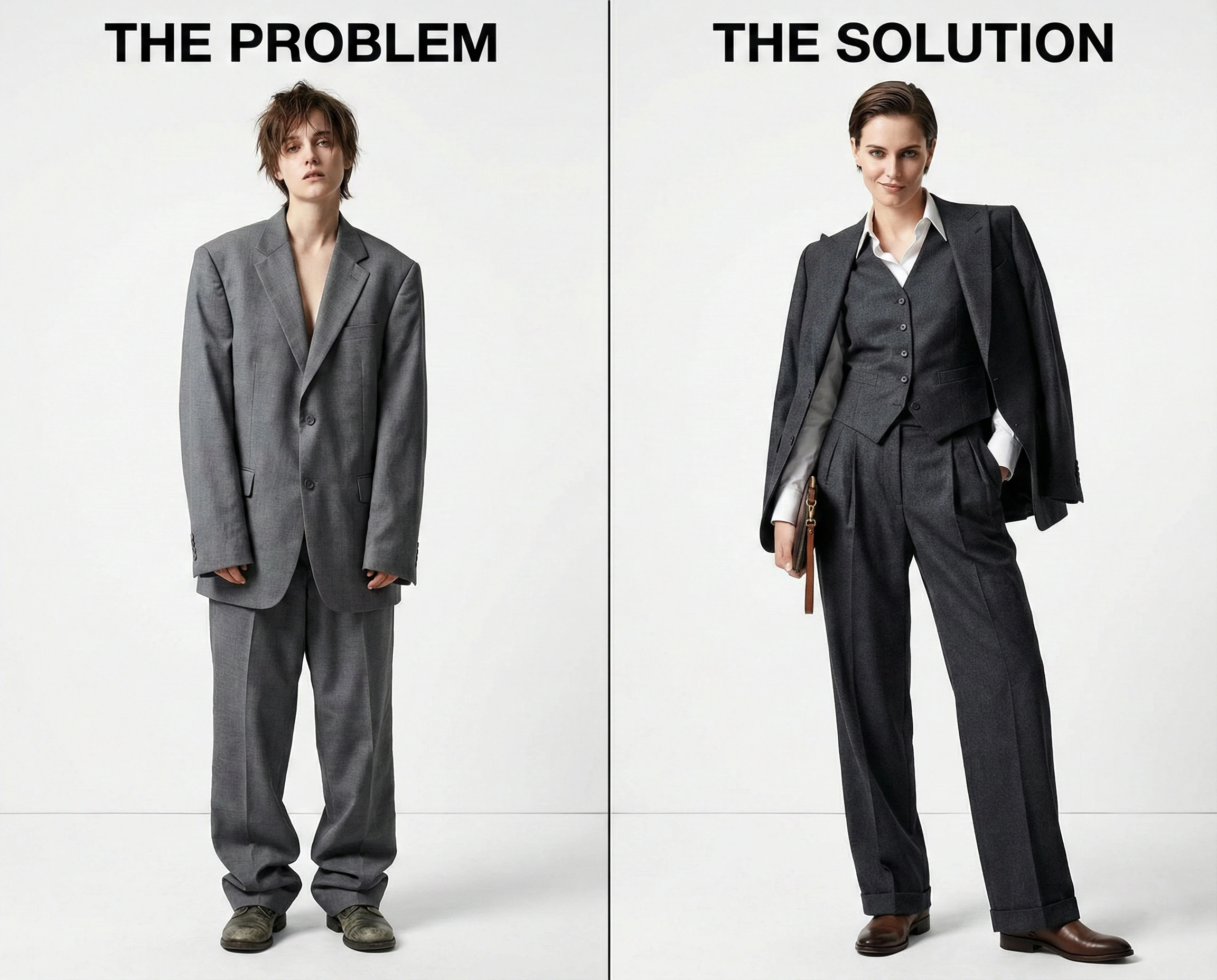
While the aesthetic of a tuxedo is universal, the anatomy it is typically designed for is specific. The Ready-to-Wear (RTW) industry constructs men’s tuxedos based on a standardized “block”: broad shoulders, a flat chest, and a straight, tubular torso. When a person with an AFAB (Assigned Female at Birth) physique or natural curves attempts to fit into this rigid mold, the result is a compromised fit that disrupts the sleek lines required for Black Tie.
Understanding the engineering behind these failures is crucial to appreciating the value of bespoke. Here are the three most critical structural conflicts:
Shoulder Width & Slope
The shoulder is the anchor of a tuxedo jacket. Men’s patterns assume a wider, squarer shoulder line. On a naturally narrower or more sloping frame, this creates two issues:
- The Overhang: The shoulder pads extend beyond the wearer’s natural shoulder point, causing the fabric to collapse and create unsightly indentations known as “divots.”
- The Collar Gap: Because the shoulder slope doesn’t match, the collar often pulls away from the neck, breaking the clean line that should run from the shirt collar down to the lapel.
The Bust Issue
- Lapel Gaping: This is the most common tell-tale sign of an ill-fitting tuxedo on a curvier body. Men’s jackets are cut with a flat chest canvas. When worn over a bust, the fabric lacks the volume to curve over the chest. Instead, it is pushed outward, causing the lapels to buckle and lift away from the body. This phenomenon, known as “Lapel Gaping,” exposes the lining or shirt underneath and ruins the sharp “V” silhouette that a tuxedo is meant to project.
- The “X” Strain: When the jacket is buttoned, the lack of chest depth forces the fabric to pull tightly across the bust point. This creates tension wrinkles radiating from the top button in an unsightly “X” shape, signaling that the garment is under stress rather than draping elegantly.
The Hip-to-Waist Ratio
Tuxedo trousers for men are typically cut with a “boxier” or straighter silhouette, assuming the hips are roughly the same width as the waist. However, for bodies with a higher hip-to-waist ratio (curvier hips, smaller waist), this presents a dilemma:
- If you size for the waist, the trousers will be painfully tight across the hips, causing the side pockets to flare open (“rabbit ears”).
- If you size for the hips, the waist will be far too loose, requiring excessive belting that bunches the fabric and destroys the drape of the trouser leg.
The Bespoke Solution: Engineering the Masculine Silhouette
If Ready-to-Wear is about fitting the body into a box, bespoke is about building the box around the body. For our clients, the goal is often specific: to achieve a masculine, straight-lined silhouette on a body that may have curves. This is not magic; it is engineering. Dive deeper into our technical process in [Sculpting the Silhouette: Androgynous Tailoring & Masculine Codes for the Female Form]
We utilize three core principles of tailoring to reconstruct your visual proportions:
Structure is Key: The Power of Canvassing
The secret to a sharp Bespoke Tuxedo lies in what you cannot see. Unlike mass-produced suits that use glue (fusing), we use a “floating canvas” – a layer of horsehair and wool interlining stitched between the fabric and the lining.
- The Flattening Effect: This canvas acts as a structural shield. It glides over the bust rather than clinging to it. By manipulating the tension of the canvas, we can create a cleaner, flatter chest profile without the physical discomfort of excessive binding. It creates a masculine “armor” that holds its shape.
- The Natural Drape: A floating canvas adds necessary weight and “memory” to the jacket front. This allows the fabric to hang cleanly and vertically from the shoulder, “skimming” past the waist curve rather than collapsing into it. This ensures the straight lines of the suit remain intact even when you move, avoiding the stiffness often found in fused garments.
Visual Proportions: Hiding the Hips
The most challenging aspect of tailoring androgynous bridal suits is managing the hip-to-waist ratio. We address this through precise adjustments in length and rise:
- The Jacket Length: This is a game of millimeters. If the jacket is too short, it exposes the width of the hips. If it is too long, it shortens the legs. We cut the jacket to end precisely where the curve of the buttocks begins to turn inward. This covers the widest part of the hip, effectively “straightening” the side profile.
- Trouser Rise & Drape: We advocate for a higher rise (waistband sitting closer to the naval). This allows the trousers to hang from the waist, the narrowest point and drape cleanly over the hips. By avoiding a severe taper at the ankle (which creates a “carrot” shape), we maintain a straighter leg line that adds visual height.
The “V” Shape: Creating the Illusion
The hallmark of a masculine physique is the “V-taper”, broad shoulders narrowing down to the waist. We artificially construct this silhouette using optical illusions:
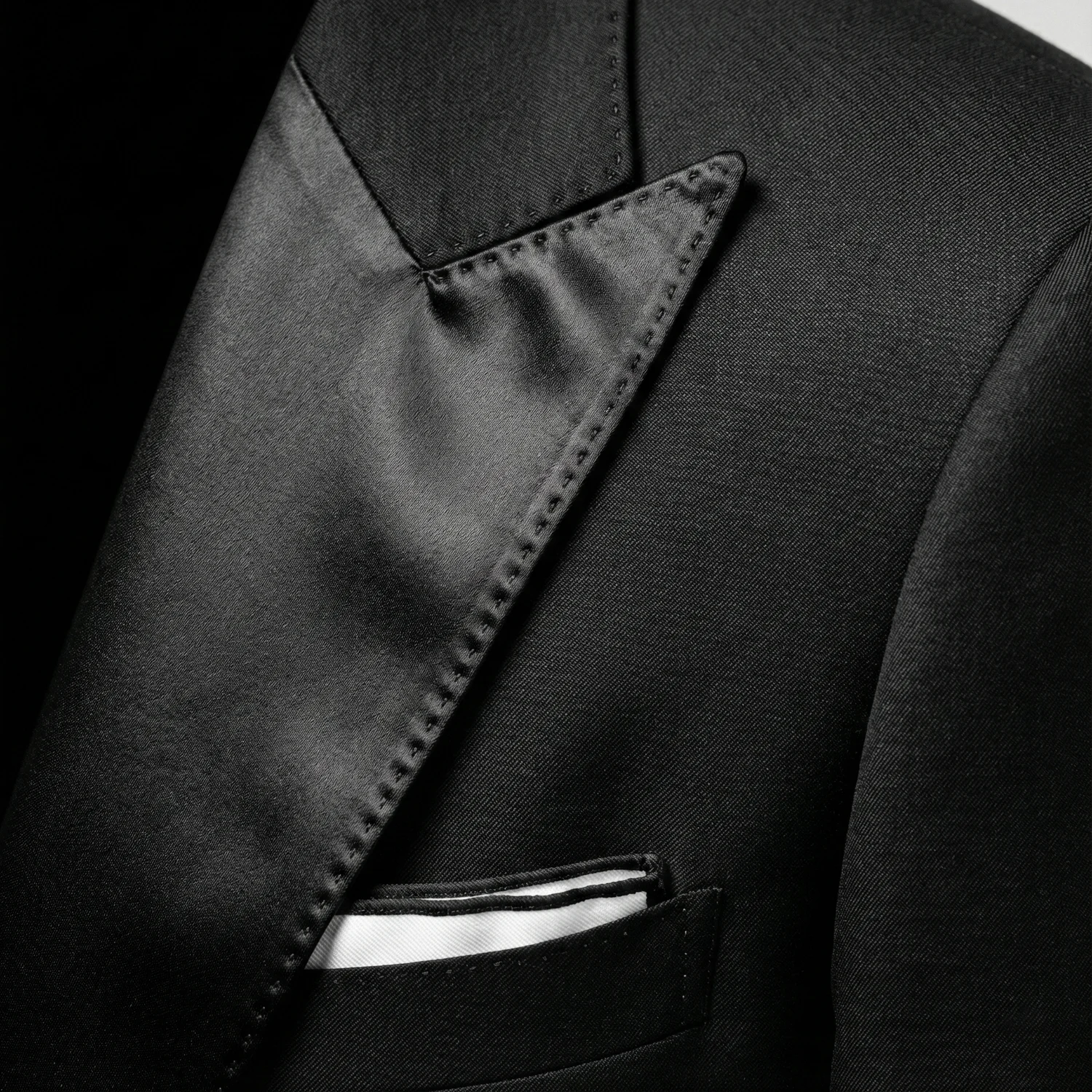
- Lapel Width: We often recommend slightly wider Peak Lapels. The upward points of the lapels draw the observer’s eye outward and upward, instantly making the shoulders appear broader than they are.
- Button Stance: By lowering the buttoning point (where the jacket closes) by just a few centimeters, we elongate the lapel line. This creates a deeper “V” opening, which visually lengthens the torso and narrows the waist, counteracting any boxiness.
Fabric Matters: Distinguishing “Wedding” from “Work”
One of the most common mistakes in wedding attire is selecting a fabric that belongs in a boardroom, not a ballroom. A wedding suit especially a Bespoke Tuxedo demands a level of luxury and visual interest that standard office wear cannot provide. The fabric you choose dictates not only how the suit looks under photography lighting but also how it performs throughout the ceremony.
Here is how to navigate the world of luxury textiles:
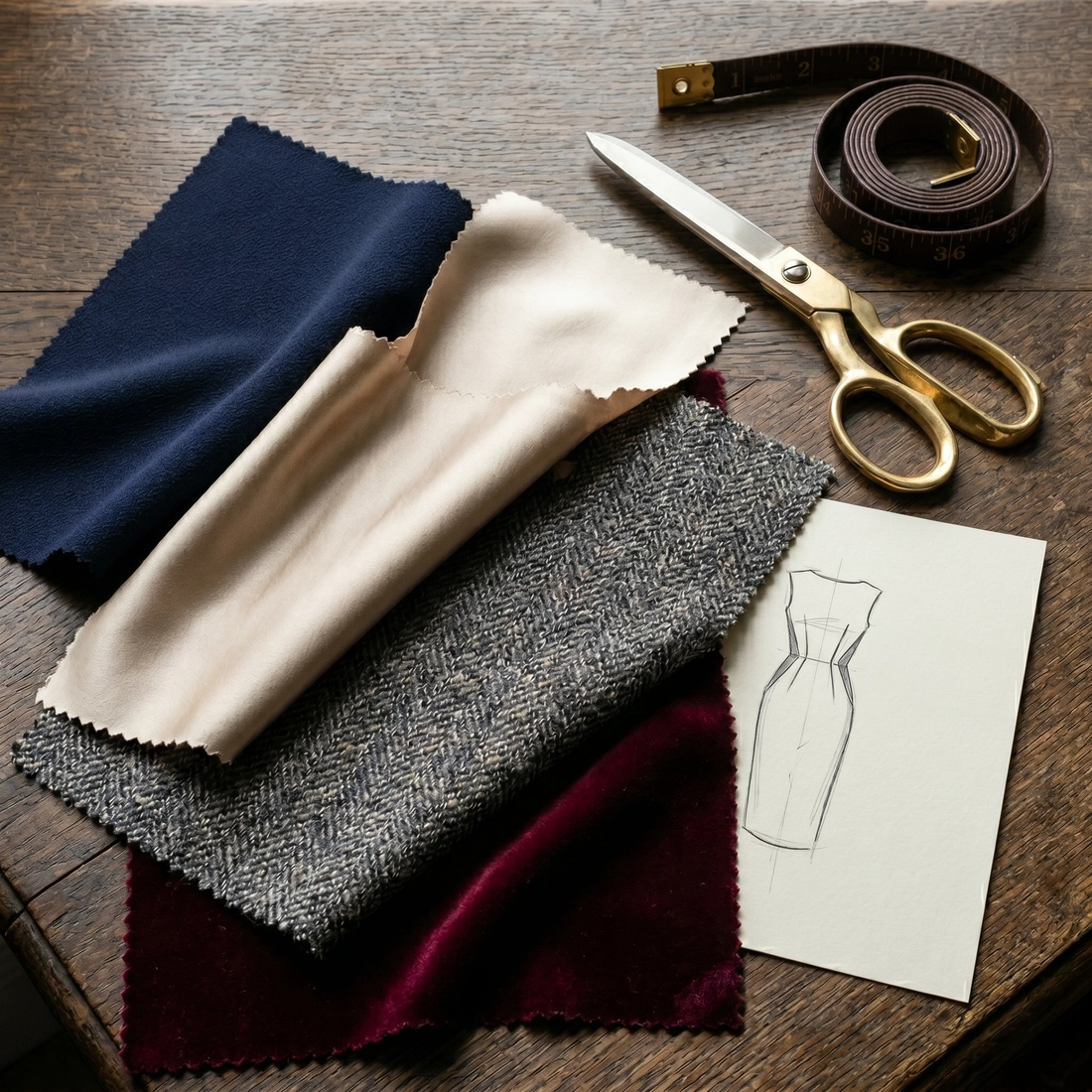
Pure Wool & Super Wools (The Gold Standard)
For a suit that balances durability with elegance, Merino wool remains the champion. In the world of bespoke, you will often encounter “Super” numbers (e.g., Super 110s, 130s, or 150s).
- The Sweet Spot: A Super 110s to 130s is the ideal range for a wedding. These numbers indicate the fineness of the fiber. At this level, the fabric possesses a superior “drape”, meaning it hangs heavily and cleanly from the body, helping to maintain that straight, masculine column we want to engineer.
- Performance: Unlike stiff cheaper wools, high-twist Super wools are breathable and recover well from wrinkling, ensuring you look as sharp at the end of the reception as you did at the beginning.
Premium Blends: Wool/Silk & Wool/Mohair
This is where LGBT wedding suits truly depart from the everyday.
- The “Luster” Factor: By blending wool with silk or mohair, the fabric gains a subtle, natural sheen. Unlike the artificial, plastic-like shine of polyester, a silk blend catches the light elegantly.
- Why it Works: Under the dim lights of a banquet hall or the flash of a camera, these fabrics come alive. They add a dimension of richness that creates a clear distinction: this is not a suit for a meeting; this is a garment for a celebration.
Velvet & Jacquard: The Statement Makers
For winter weddings or those seeking a “Dandy” aesthetic, texture is your best ally.
- Velvet: Offers incredible depth of color (especially in midnight blue, burgundy, or black). It absorbs light rather than reflecting it, giving the wearer a regal, soft-yet-structured appearance.
- Jacquard: These are fabrics with patterns woven directly into the weave (often tone-on-tone florals or geometric shapes). They provide a sophisticated way to show personality without the loudness of a printed fabric.
Expert Note on Structure: For masc-of-center or androgynous styling, fabric weight is just as important as aesthetics. Avoid ultra-lightweight summer fabrics if your goal is to hide curves. A fabric with a heavier weight (GSM) or a stiffer hand (like Mohair or Velvet) provides better architectural support, helping to smooth out the silhouette and maintain the “squared” look of the suit.
Designing Your Aesthetic: Style Archetypes & The Art of Accessories
Once the architecture of the fit is established, the focus shifts to personality. A Bespoke Tuxedo is a canvas, and how you paint it depends on the message you wish to convey. Whether you adhere to strict tradition or break the mold, the goal is a look that feels undeniably “you.”
The Style Archetypes
Finding your vibe is the first step in the design process. Most LGBT wedding suits fall into three distinct categories:
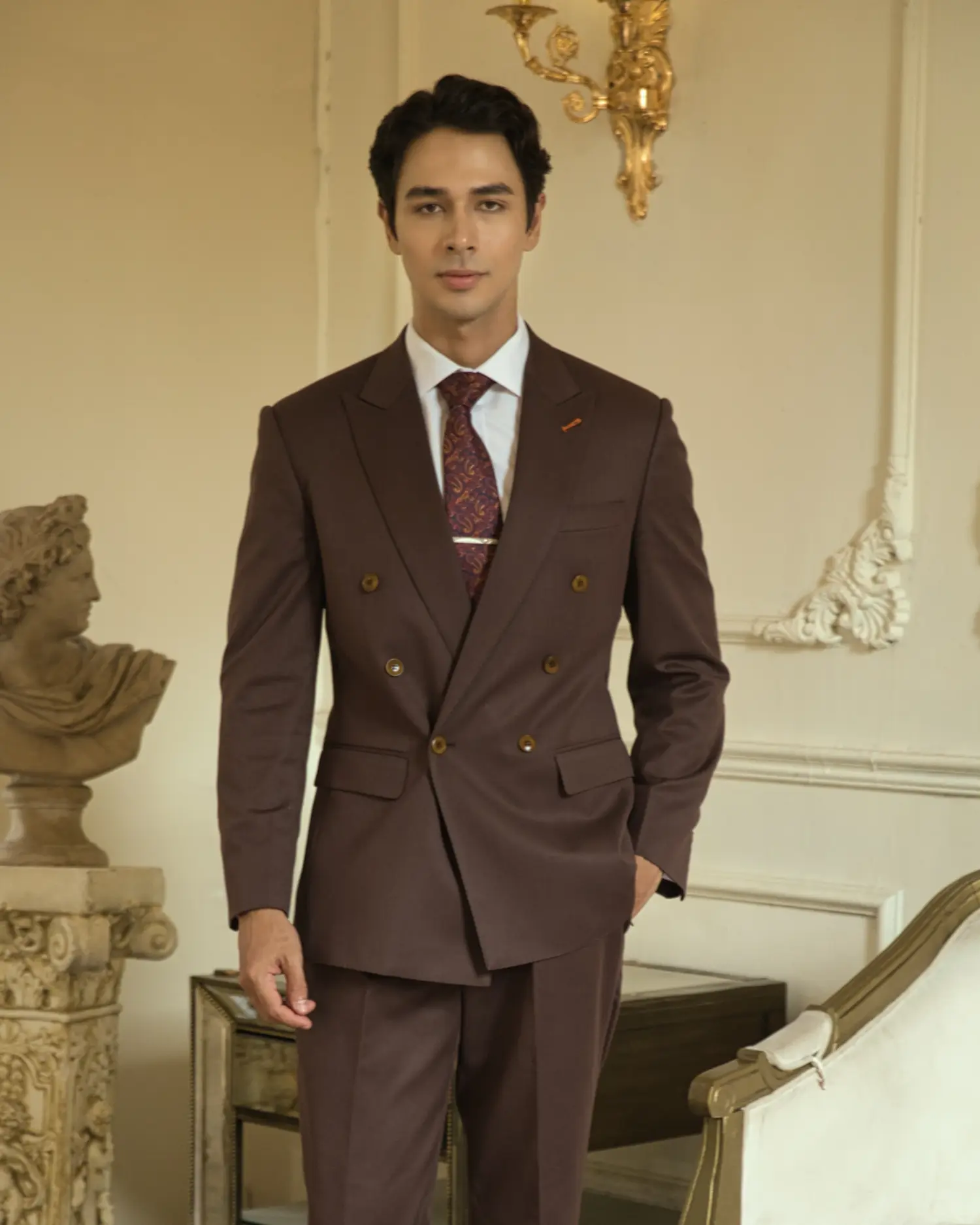
- The Classic Tuxedo: The quintessence of Black Tie. This look relies on timeless monochromatic elegance. It features a black or midnight blue jacket with silk-satin facings on the lapels, either the curved Shawl Lapel (softer, more traditional) or the Peak Lapel (sharper, broadens shoulders). Crucially, the trousers must feature a satin side stripe (known as a galon), distinguishing them from ordinary dress pants.
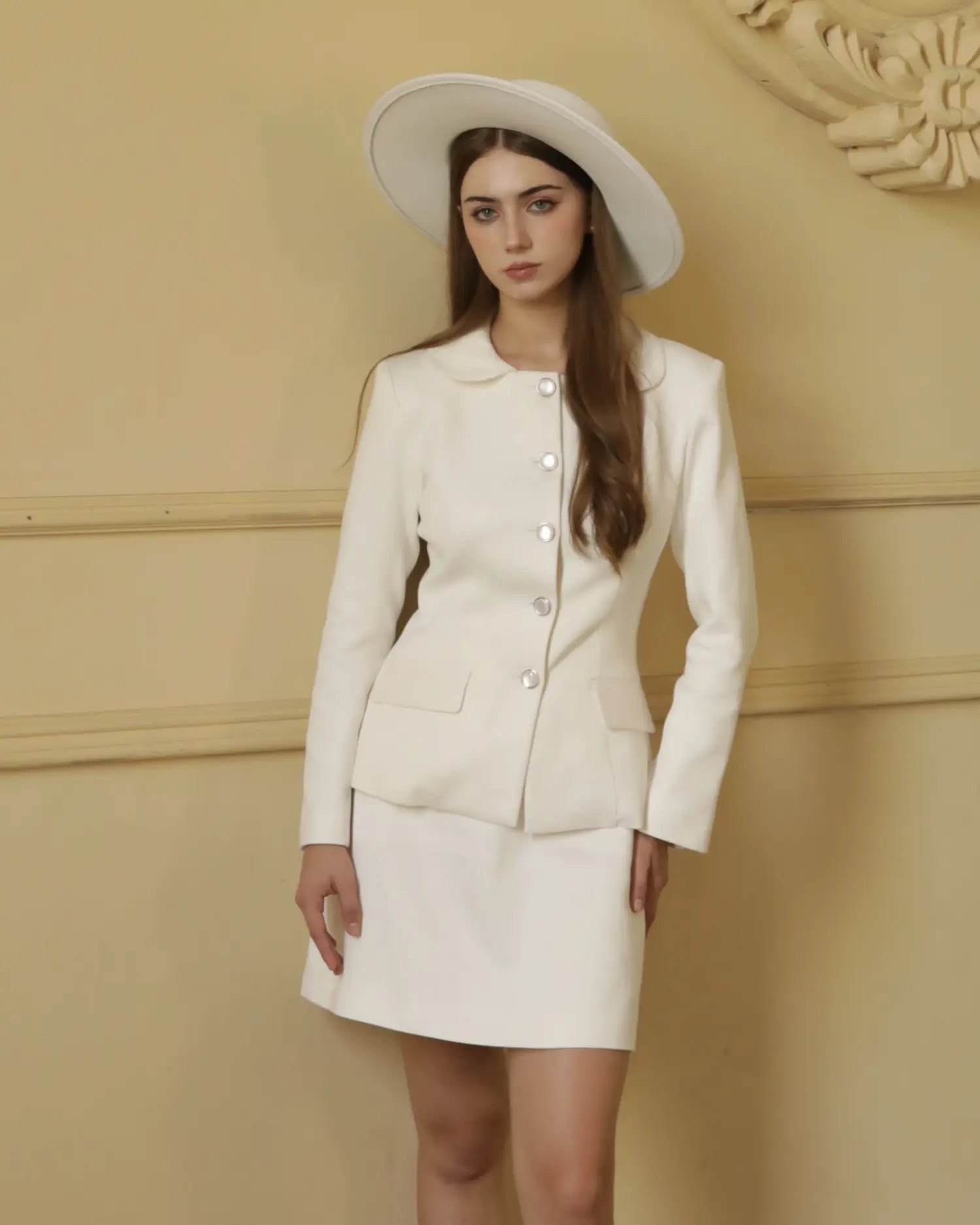
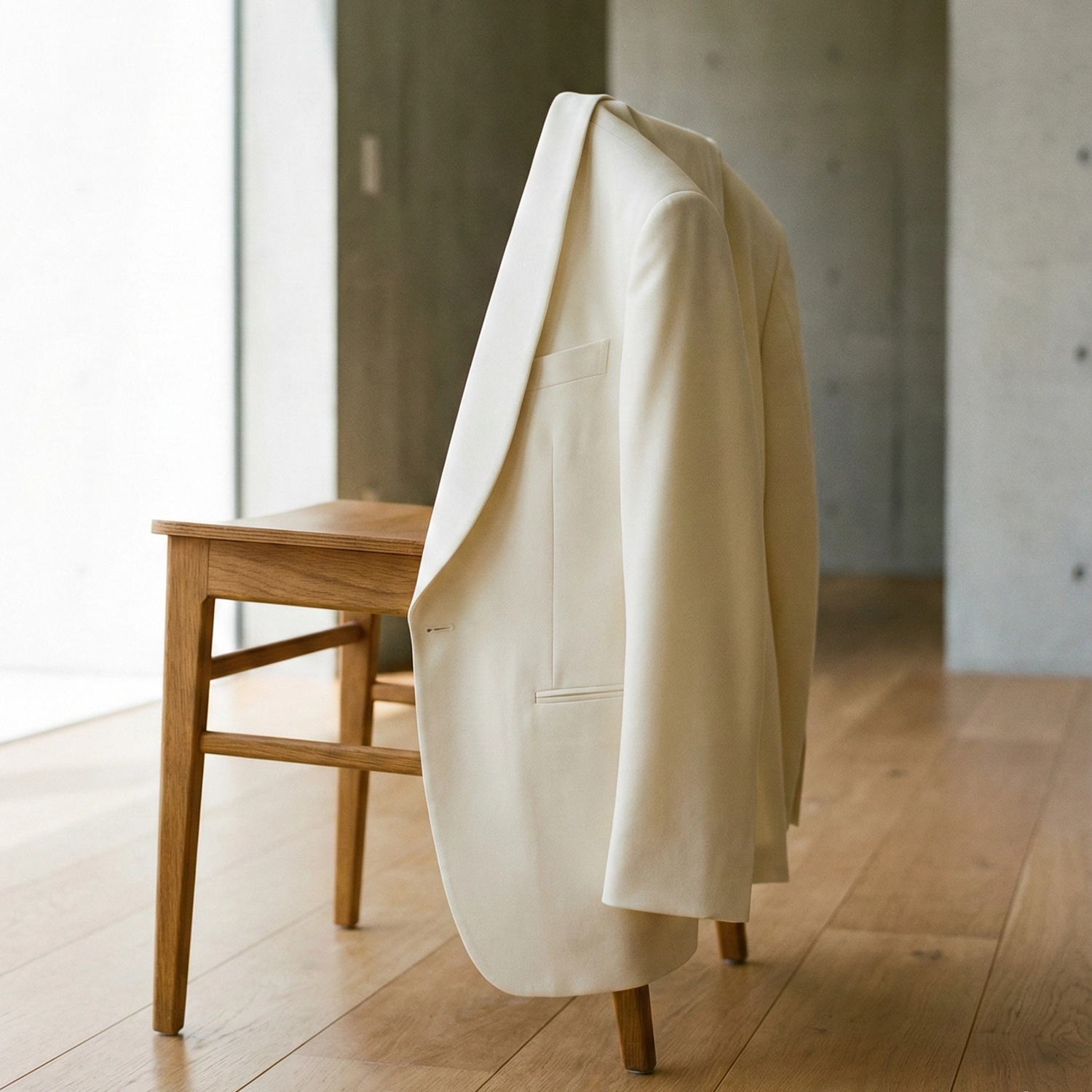
- The Modern Minimalist: For those who find black too severe, this archetype plays with soft neutrals like Ivory, Cream, or deep Charcoal. The focus here is on “clean lines” – hidden buttons, streamlined pockets, and matte fabrics. An ivory dinner jacket paired with black trousers is a sophisticated nod to traditional bridal colors while maintaining a masculine silhouette.
- The Statement Maker: This is for the partner who wants to be seen. Think rich jewel tones like Burgundy, Emerald Green, or deep Plum. This archetype often utilizes textured fabrics like Velvet or Jacquard (patterned weave) to create depth. It is bold, regal, and perfect for an evening reception. Not sure which shade fits your personality? Discover [Androgynous Wedding Suit Colors: Why Ivory, Jewel Tones & Jacquards Rule]
Mastering the Details (The Black Tie Rules)
A suit is only as good as its accompaniments. In formalwear, accessories are not afterthoughts; they are strict indicators of knowledge and taste. To elevate your look, you must adhere to the following technical standards:
- The Shirt (The Foundation): Never wear a standard office shirt with a tuxedo. A proper formal shirt must feature a Bib Front (either pleated or a textured Marcella/Piqué panel) to ensure the chest area remains crisp and opaque.
Collar: Choose a Wingtip for a sharp, retro look, or a stiff Spread Collar for modern elegance.
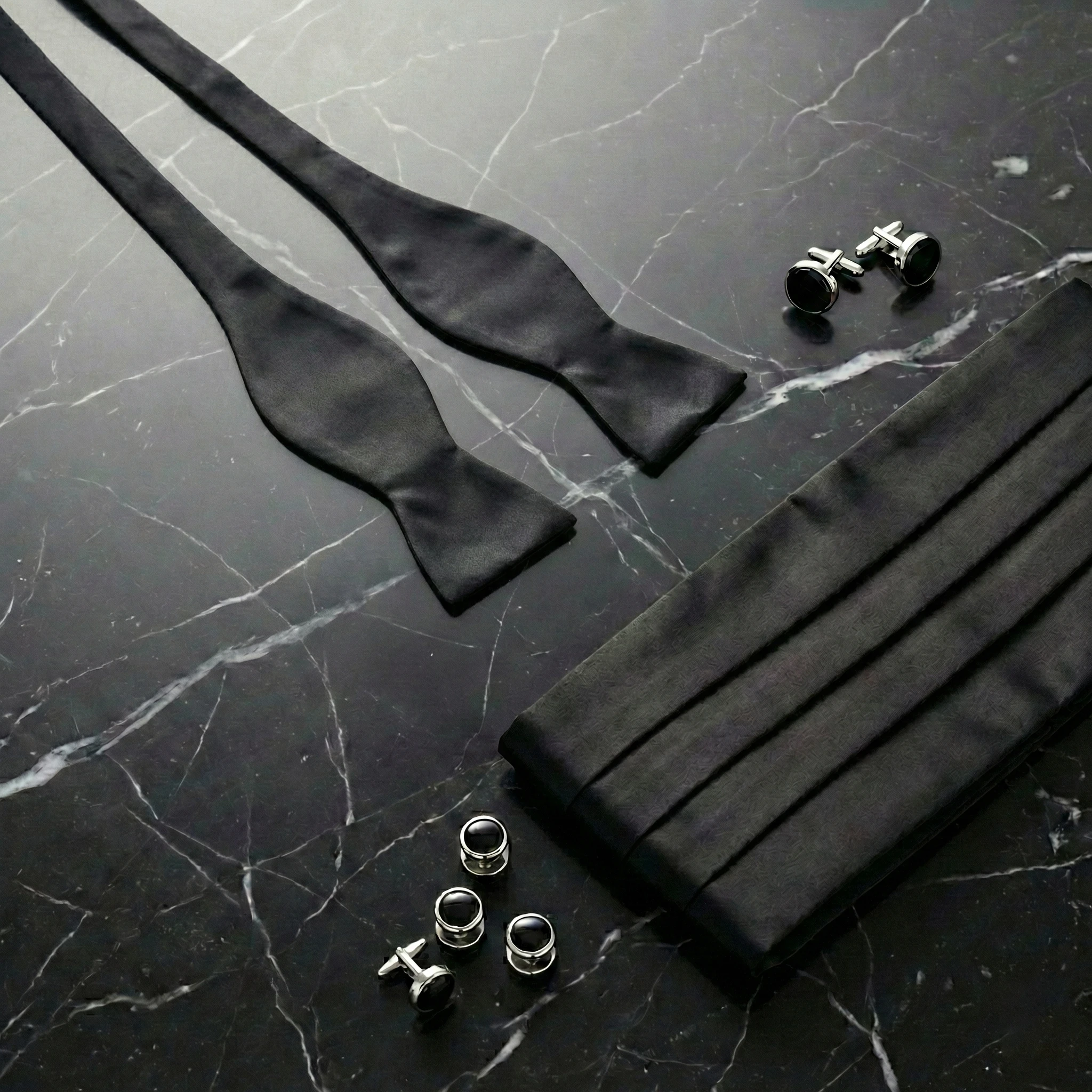
Hardware: Buttons should not be visible. You must use Stud Buttons (decorative metal or stone fasteners) down the front placket.
- The Neckwear (The Centerpiece): The Bow Tie is non-negotiable for a tuxedo. We strongly advocate for a Self-Tie Bow Tie. The slight imperfection of a hand-tied knot possesses a charm and “sprezzatura” (studied carelessness) that a perfectly symmetrical, factory-made pre-tied bow tie can never replicate.
- Footwear (Grounding the Look): Matte leather is for the boardroom; shine is for the ballroom. Your shoes should be Patent Leather (high gloss) Oxfords or Velvet Slippers. Avoid suede or matte calfskin, as they absorb light and dull the overall appearance under evening lighting.
- The Finishing Touch: The shirt sleeves must have French Cuffs (double cuffs), fastened with Cufflinks. This is a small real estate to express personal style, perhaps a family heirloom or a design that matches your partner’s jewelry.
This overview covers the essentials, but true style lies in the nuances. From choosing between Oxfords and Loafers to deciding on the perfect brooch, explore our in-depth styling guide: [The Finer Details: Androgynous Wedding Accessories to Elevate Your Look].
The Digital Bespoke Experience: Privacy & Technology
For many in the LGBTQ+ community, the intimacy of a traditional fitting room – where a stranger measures your chest or hips can trigger significant discomfort or body dysphoria. The digital bespoke process offers a respectful alternative: total privacy.
By utilizing 3D Body Scanning technology via your smartphone, you can capture your exact measurements from the safety of your own home. This method removes the awkwardness of physical touch while capturing body nuances (like posture and shoulder slope) with clinical precision. You can experience this seamless integration of privacy and technology at Rosie Hong online bespoke tailor shop, ensuring a safe and comfortable journey to your perfect fit.
Conclusion
Ultimately, the perfect wedding attire is not defined by tradition, but by how it makes you feel. It is about stripping away expectations to reveal the person underneath. Whether you choose a classic Bespoke Tuxedo or a modern androgynous bridal suit, the goal remains the same: to stand at the altar not as a character, but as your most authentic self. Confidence, after all, is the most essential accessory you will wear.
DISCOVER PHYIGITAL BESPOKE TAILORING