From Boardroom to Lounge: The Ultimate Guide to the Cocktail Bar Suit

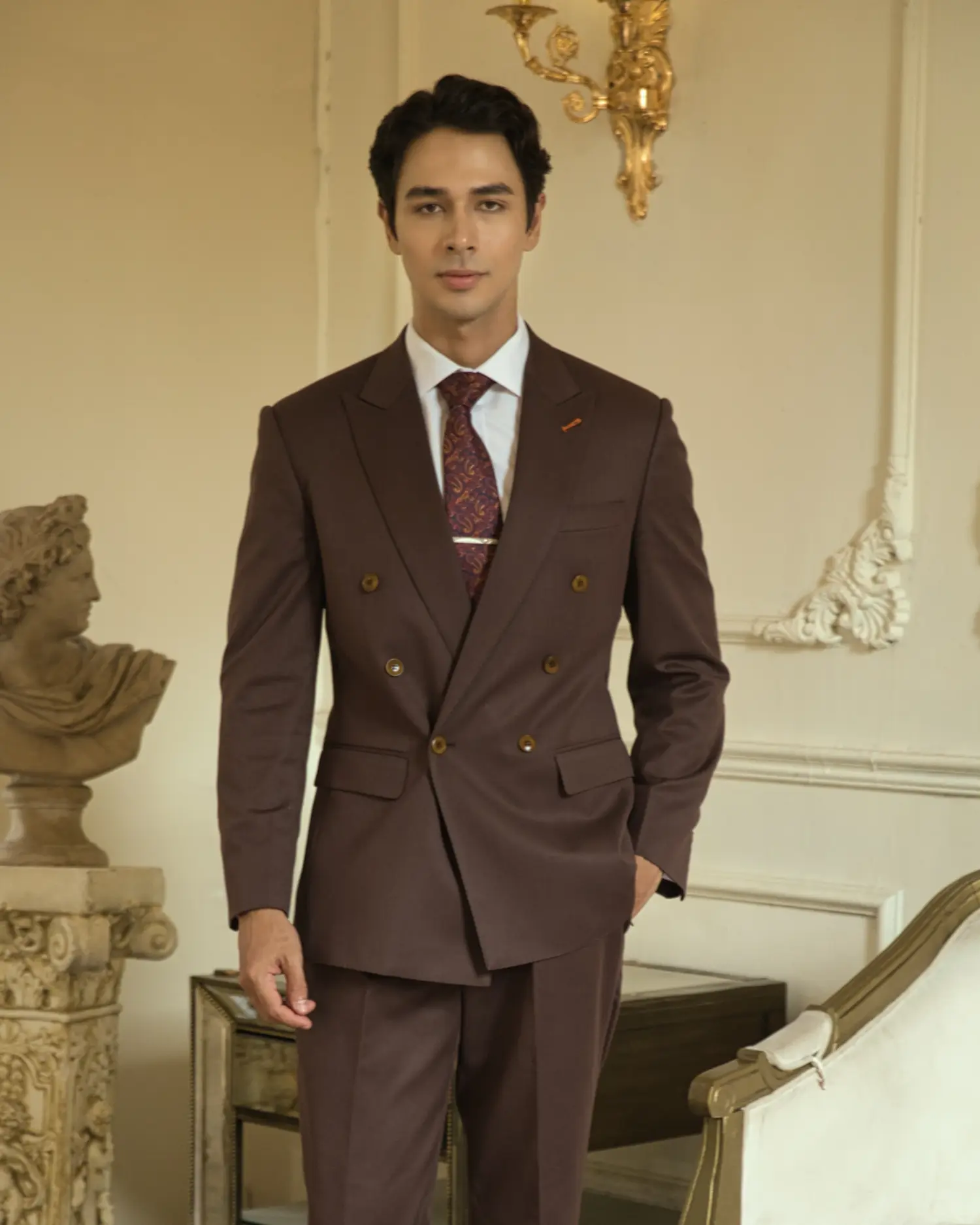
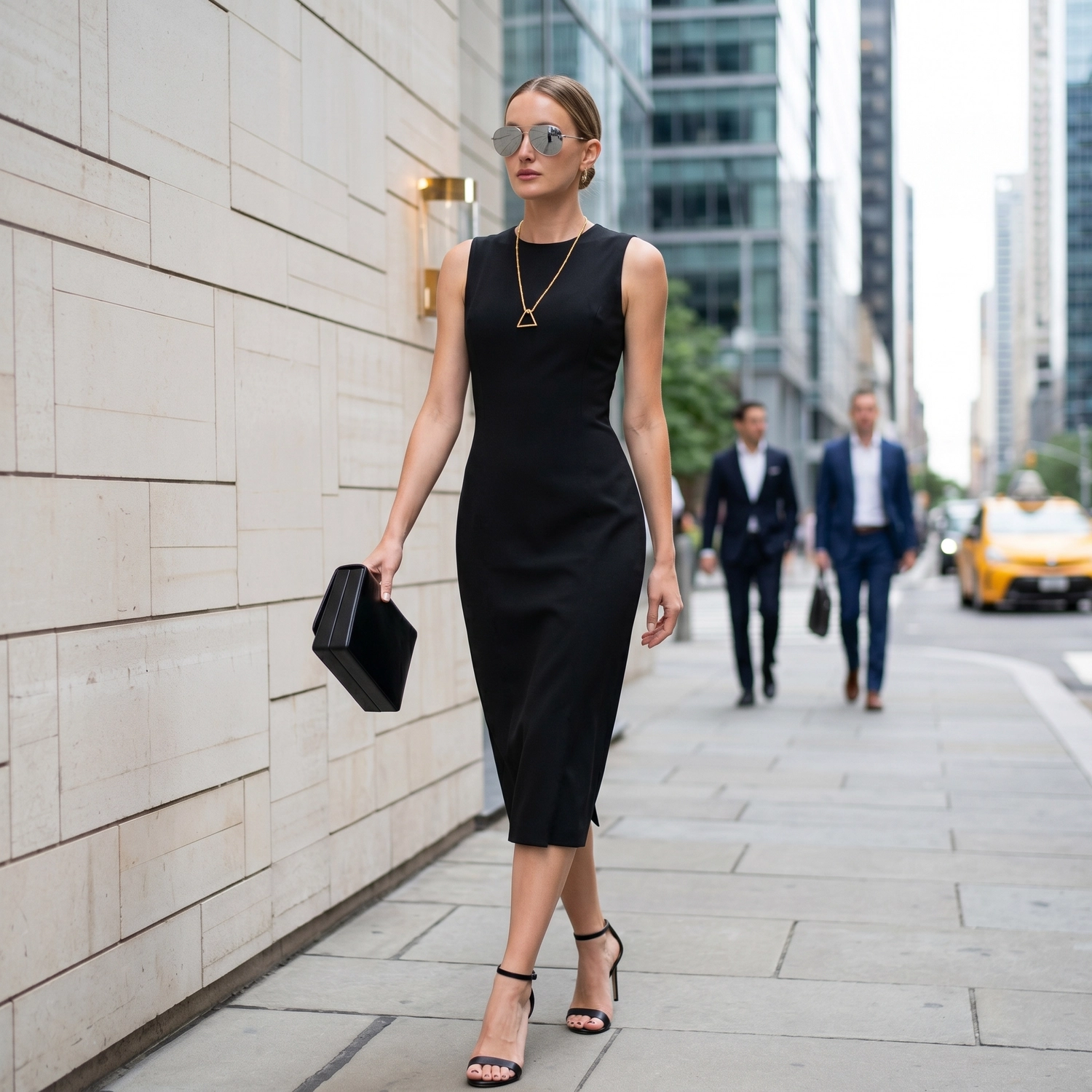
Walking into a dimly lit lounge while still encased in the rigid armor of a corporate uniform is a fundamental misunderstanding of the cocktail bar suit. In the boardroom, high-contrast tailored suits and stiff collars serve to command respect. However, dragging that identical aesthetic into the intimate atmosphere of an evening social signals that you are “out of touch”; mentally tethered to your desk rather than the moment.
True style is not about enforcing authority everywhere; it is about social intelligence. This guide helps you shed the “office mindset” to embrace the refined allure of the evening. We will analyze the necessary shift in standards, from the tactile depth of your suit jacket to the nuance of bespoke tailoring, ensuring your presence suggests you are a gentleman mastering the art of leisure, not just a manager looking for his next client.
The Shift: The Corporate Uniform vs. The Cocktail Bar Suit
To master the transition, one must first understand that the office and the cocktail bar are two distinct theaters, each requiring a specific costume to perform the role effectively. The mistake most men make is assuming a suit is a universal pass. It is not. As outlined in [The Modern Gentleman’s Playbook: A Suit Styling Guide for Every Occasion], mastering your wardrobe requires understanding that a suit designed to negotiate a contract operates on a completely different frequency than a cocktail bar suit designed to cultivate a relationship.
The Office Standard: The Architecture of Authority
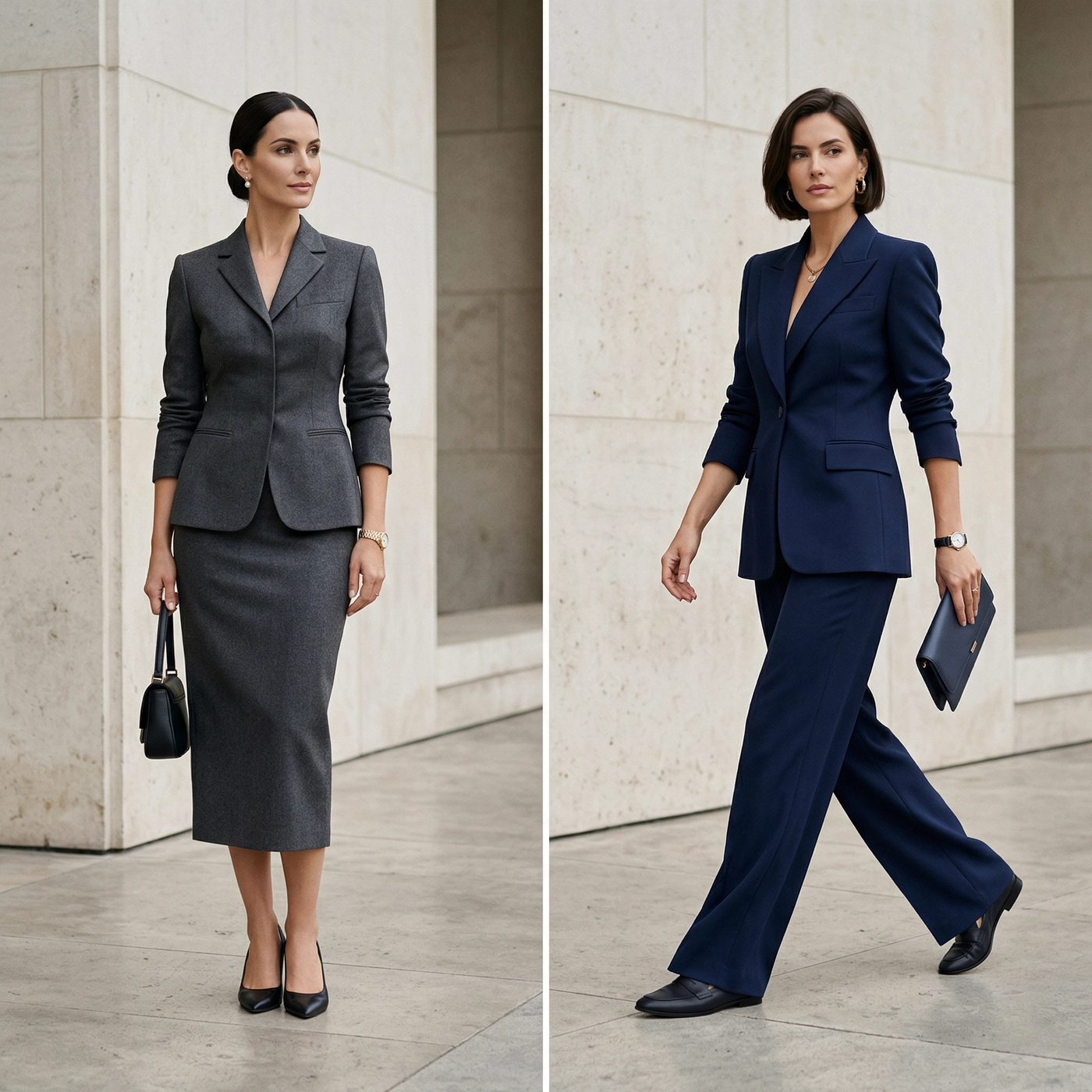
In the professional realm, your attire is designed to create boundaries. The corporate standard is built on Structure, Contrast, and Rigidity.
- Structure as Armor: The traditional business suit features padded shoulders and a canvassed chest. This construction builds a silhouette of immovability and strength, subconsciously signaling that you are a pillar of the organization.
- High Contrast: The “Power Look” relies on the sharp difference between a dark Navy or Charcoal suit and a crisp white shirt. This high contrast draws focus to the face but creates a psychological distance. It is clinical, precise, and sterile.
- Rigidity: The ensemble is sealed with a silk tie and laced Oxford shoes. This “closed” system implies discipline and adherence to strict rules.
The Cocktail Standard: The Art of Connection
When you step into a cocktail bar, the goal shifts from Commanding to Connecting. The lighting is dimmer, the music is softer, and the social dynamics are fluid. Your attire must reflect this environment.
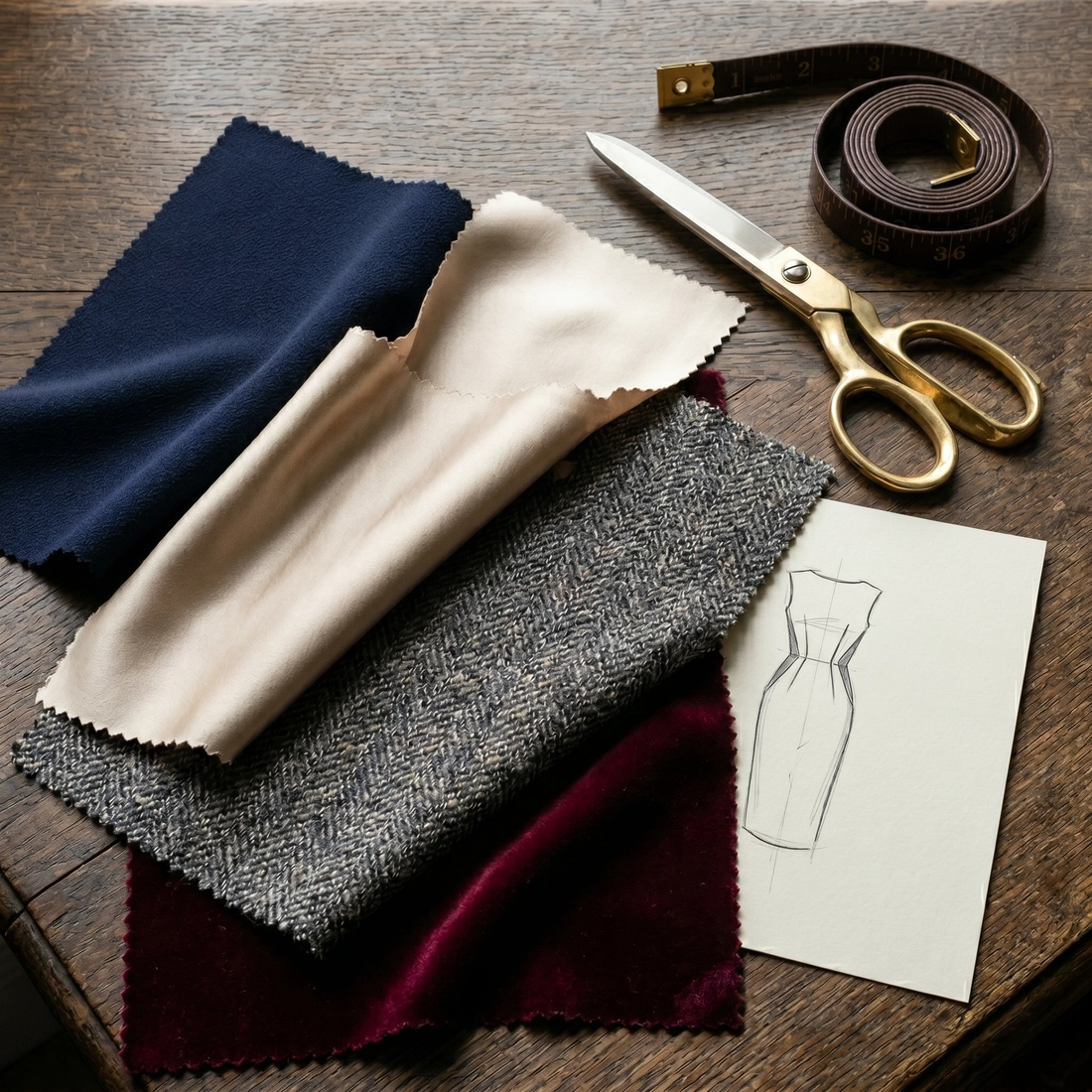
- Texture Invites Touch: In low light, smooth worsted wool looks flat. The evening calls for fabrics with depth: flannel, velvet, or heavy cotton. These materials absorb light rather than reflecting it, creating a visual warmth that makes you appear more approachable.
- Softness: The silhouette relaxes. We move away from the “armor” toward natural shoulders and unstructured suit jackets that drape over the body.
- Spezzato (The Broken Suit): While the office demands uniformity, bespoke tailoring principles in the social hour celebrate individuality. Breaking the suit, pairing a jacket with contrasting trousers, signals that you are no longer bound by corporate bylaws. Ensure the texture of your jacket matches the weight of your trousers. A smooth worsted jacket may clash with rugged denim.
The Jacket: Texture Invites Touch
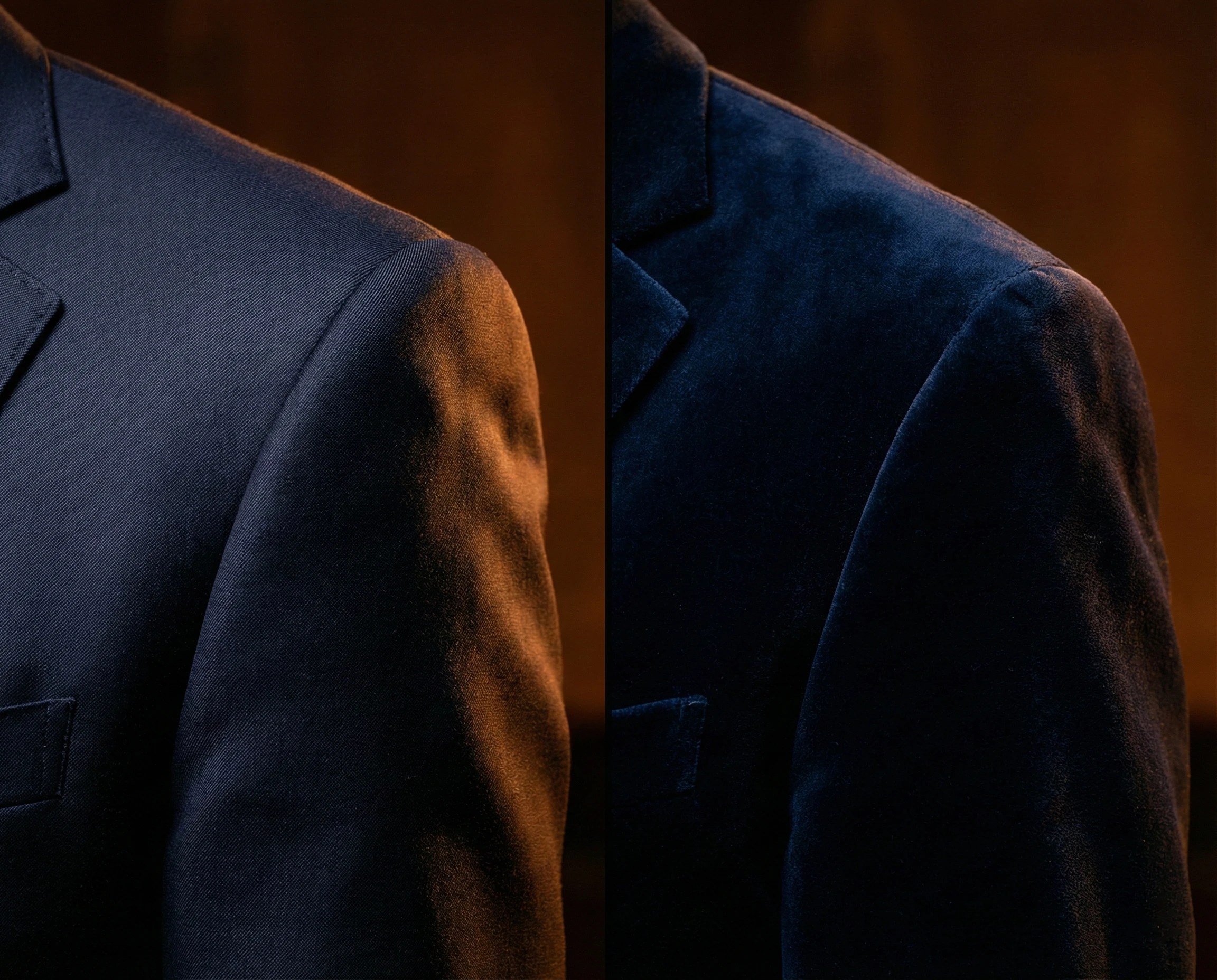
In the harsh glare of an office, smooth Worsted Wool is the gold standard because it looks crisp and efficient. However, in the ambient, low-light environment of a cocktail bar, that same reflectivity can look “shiny” or synthetic. The transition regarding your suit jacket is a shift from visual smoothness to tactile depth.
- Absorption over Reflection: Texture is King. Opt for Flannel, Velvet, or Fine-wale Corduroy. These materials absorb light rather than reflecting it, creating rich shadows and visual warmth. They possess “tactile appeal”: subconsciously inviting closeness because they look soft to the touch.
- Soft Construction: Move away from the “armor” of heavy padding. An unstructured jacket with a minimal canvas acts as a second skin. It follows the natural slope of your shoulders, projecting a “relaxed elegance” that allows for the easy movement essential for social interaction.
The Inner Layer: Creating Breathing Room
In a corporate setting, the neckwear acts as a seal of discipline, locking you into a high-contrast look (White Shirt + Silk Tie). To transition into the cocktail bar suit aesthetic, we must break that seal to introduce “visual breathing room.”
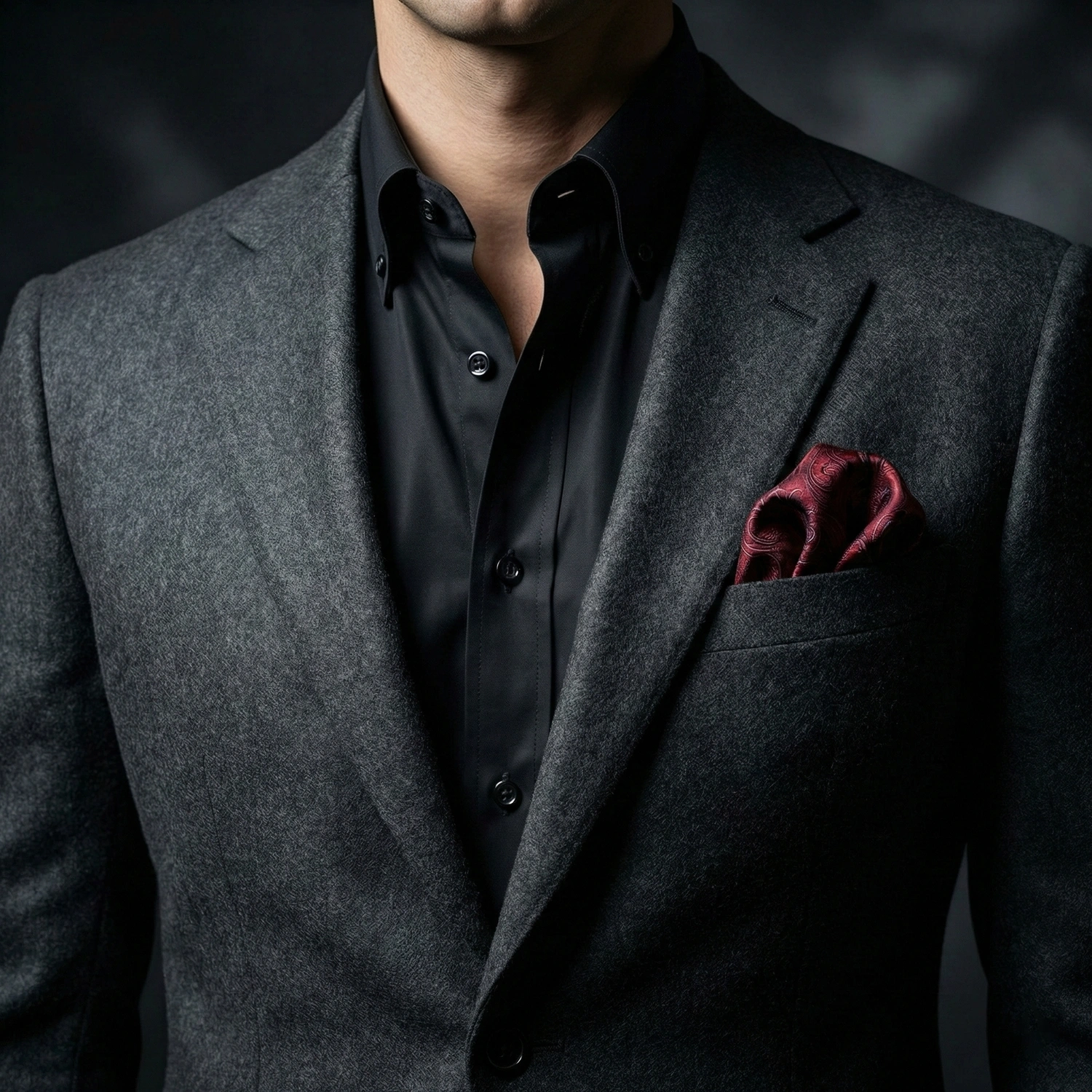
- The Dark Shirt Move: Swap the white office shirt for a Dark Navy or Midnight Black shirt. Under the warm glow of bar lights, a dark shirt creates a sleek silhouette that looks inherently more expensive (and is forgiving of wine spills).
- Texture Over Starch: If you prefer lighter colors, abandon the stiff poplin. Opt for Denim or Chambray. These fabrics have a natural texture that pairs perfectly with flannel or tweed jackets, bridging the gap between formal tailoring and rugged masculinity.
- The Knitted Tee (Modern Minimalism): If you are confident in your suit jacket’s soft construction, abandon the collar entirely for a high-quality Knitted T-Shirt. Unlike a standard undershirt, these pieces have weight and structure, offering a clean, architectural silhouette that is pure modern leisure.
- The Knit Tie (Playful Texture): If you wish to keep a tie, trade the shiny woven silk for a Knit Tie. Its “squared-off” bottom and crunchy texture signal that you are wearing a tie because you want to, not because you have to.
- The “Air Tie” (Open Collar): Removing the tie is the common move, but avoid a collapsing collar. Ensure your shirt features a Hidden Button-Down or is a bespoke One-Piece “Cooper” Collar to keep the frame of your face sharp and intentional.
The Trousers: Breaking the Silhouette
Since we have established that the jacket should invite touch, the trousers must anchor the look. To truly transition into the “After Hours” mindset, consider these three adjustments:
- Breaking the Uniform: Wearing the matching suit trousers is the safest route, but safety is rarely sexy. The cocktail hour demands a shift from the “corporate uniform” to a curated individual look. By separating the suit, you signal that you are no longer on the clock.
- High-Contrast Texture: Instead of complex color coordination, focus on texture contrast suited for low light. Under dim bar lights, standard worsted wool looks flat. Flannel, with its matte finish, absorbs light and creates a richer, deeper shadow. This contrast between the smooth jacket and the textured trousers adds a layer of visual sophistication a full suit cannot achieve.
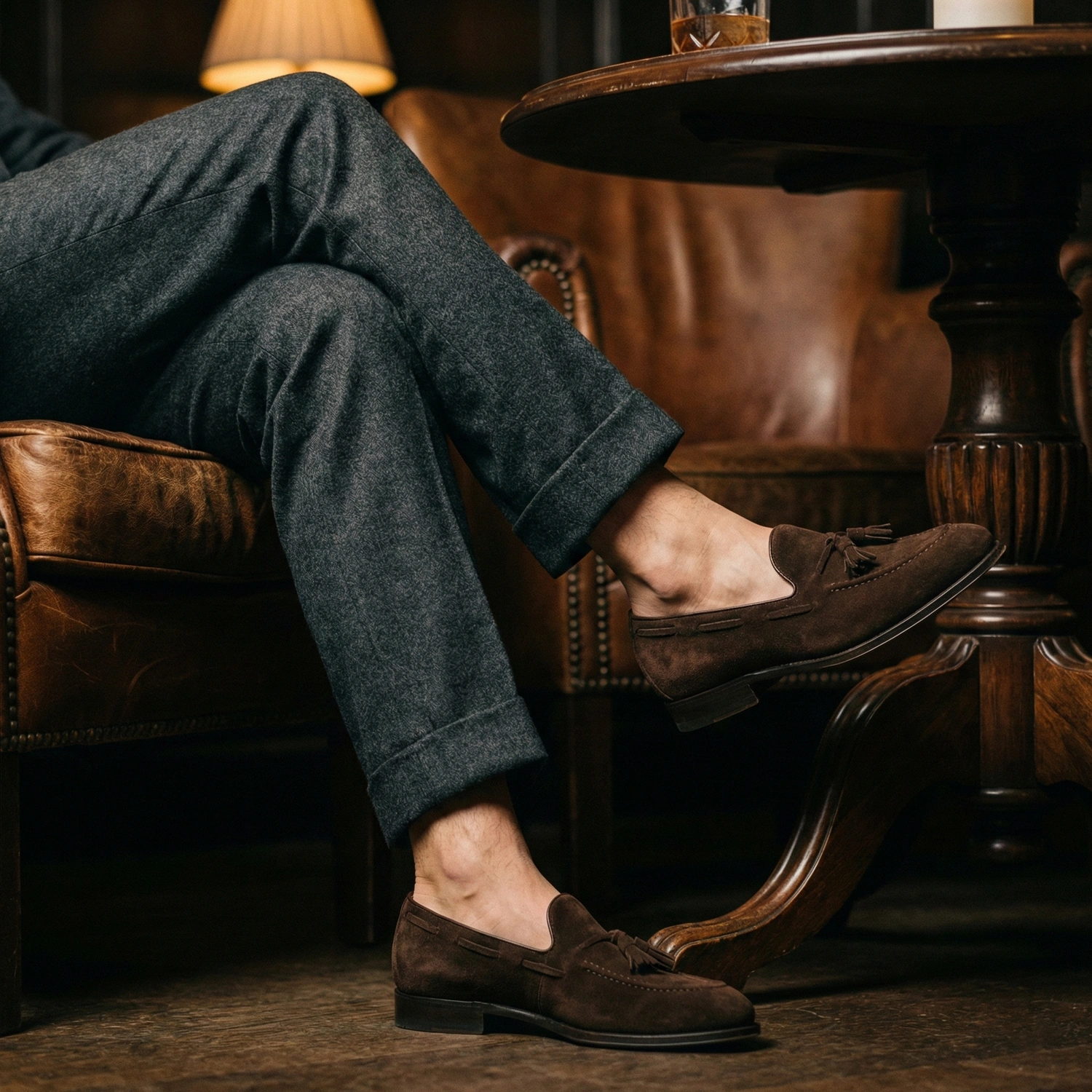
- The Detail (The Turn-Up): Because the look is no longer strictly corporate, you have the license to be bolder. A substantial 4cm to 5cm cuff adds necessary weight, ensuring the trousers drape perfectly. Pair this with a “No Break” length (hem just kissing the shoe) to maintain a razor-sharp vertical line that frames your loafers without bunching at the ankle.
Footwear: Loafers are the Language of Leisure
If the Oxford is the shoe of the boardroom, laced up tight, rigid, and designed for standing your ground, then the Loafer is the shoe of the lounge. The transition from office to bar is incomplete without changing your foundation. Your footwear must signal that the workday march has ended and the evening stroll has begun.
- The Shift (Laces vs. Slip-ons): The visual “heaviness” of a black Cap-toe Oxford creates a disconnect with the relaxed atmosphere of a cocktail bar suit. To harmonize with the environment, switch to Loafers. The absence of laces immediately softens your silhouette and changes your gait. Whether it is a classic Tassel Loafer or a refined Belgian Loafer, the slip-on style projects a “rakeish charm”: the look of a man who is comfortable in his own skin.
- Material Matters (Suede over Shine): Just as we swapped worsted wool for flannel, we must swap polished calfskin for Suede. Under the warm, amber glow of a bar, high-shine leather can look aggressive. Suede, particularly in Dark Chocolate or Espresso, absorbs the light, offering a rich, velvety texture that complements the softness of your unstructured jacket. It whispers luxury rather than shouting it.
- The Ankle Detail: Loafers naturally expose more of the foot, making the sock choice critical. For a truly relaxed, modern vibe, opt for “invisible socks” (no-show socks) to bare the ankle. This flash of skin is a subtle psychological cue of leisure. However, if the evening is formal or cold, ensure your socks correspond to your trousers (Over-the-calf lengths) to maintain a seamless vertical line, avoiding the amateur mistake of showing a hairy shin when you cross your legs.
The Pocket Square: The Final Flourish
In the corporate world, accessories are often designed to disappear. In the cocktail hour, they are designed to be seen. The pocket square is the final brushstroke of your ensemble, and how you wear it signals whether you are there to work or to live.
- The Fold Shift (From Static to Organic): During the day, the standard is the TV Fold: a crisp, straight line that mirrors the rigid structure of business. For the evening, you must destroy that symmetry. Switch to a Puff Fold. By pinching the center and tucking it loosely, you create soft, organic curves. This “calculated imperfection” breaks the strict geometry of your suit, signaling a relaxed and approachable state of mind.
- Material & Personality (Silk Catches the Light): Leave the matte cotton and linen for the office; the dim lighting of a lounge demands Silk. The natural luster of silk catches the flicker of candlelight, drawing the viewer’s eye up toward your face. This is also the safest place to introduce the “artist” within you: opt for a vintage Paisley or Polka Dot pattern to add a layer of romanticism and complexity that a solid flat fabric cannot provide.
Conclusion: Social Intelligence is the Ultimate Style
The transition from the boardroom to the bar is not merely a costume change; it is a shift in psychology. We shed the rigid armor of the office not to lower our standards, but to adapt to a new theater.
True style is the physical manifestation of social intelligence. It is the understanding that while structure commands respect in a meeting, texture and softness invite connection in a lounge. By embracing the relaxed elegance of the evening, you project a confidence that is far more magnetic: the knowledge that you are comfortable enough in your own skin to let the armor fall.
DISCOVER PHYIGITAL BESPOKE TAILORING