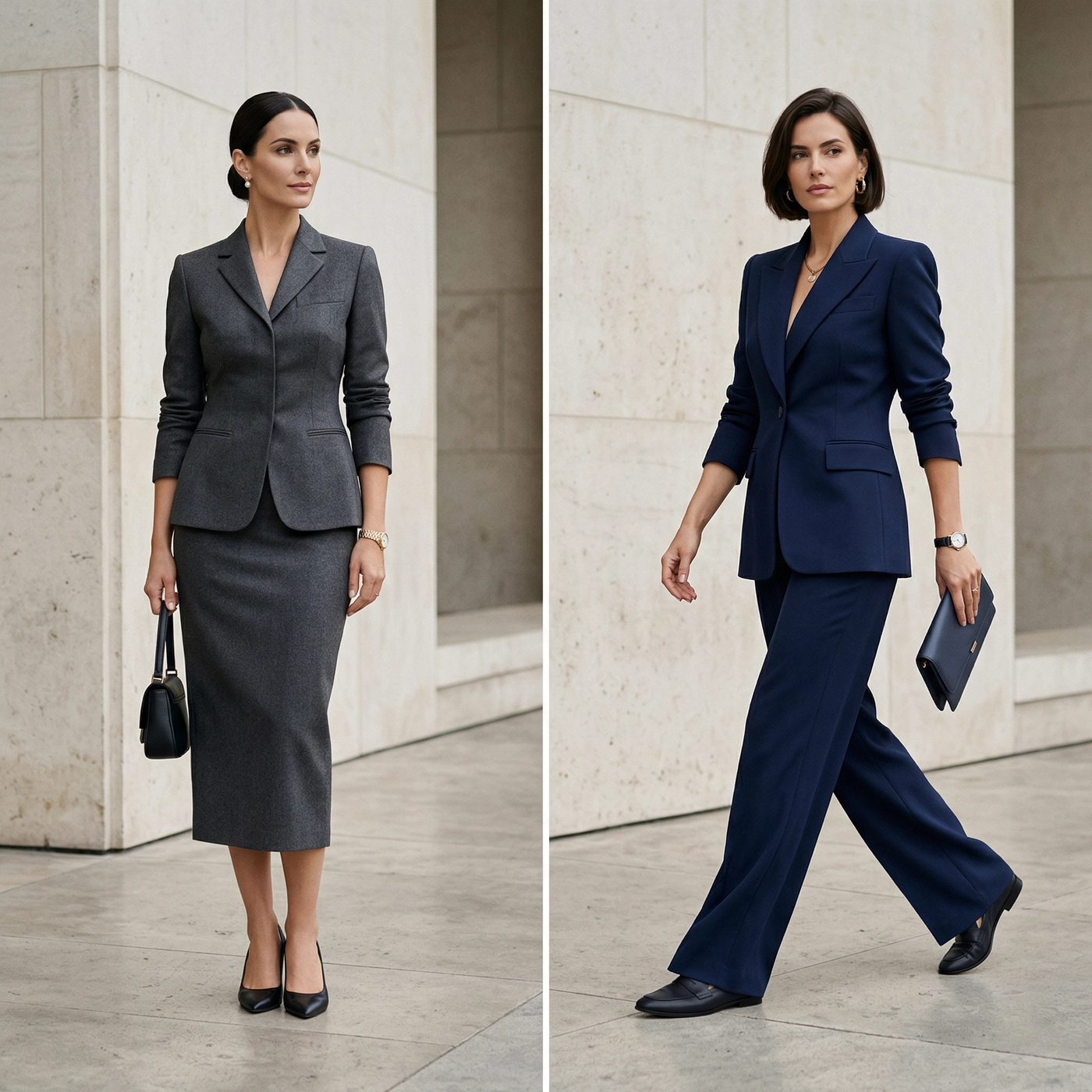
Dressing for the Partner Track: How to Upgrade Your Wardrobe from Associate to Senior Partner
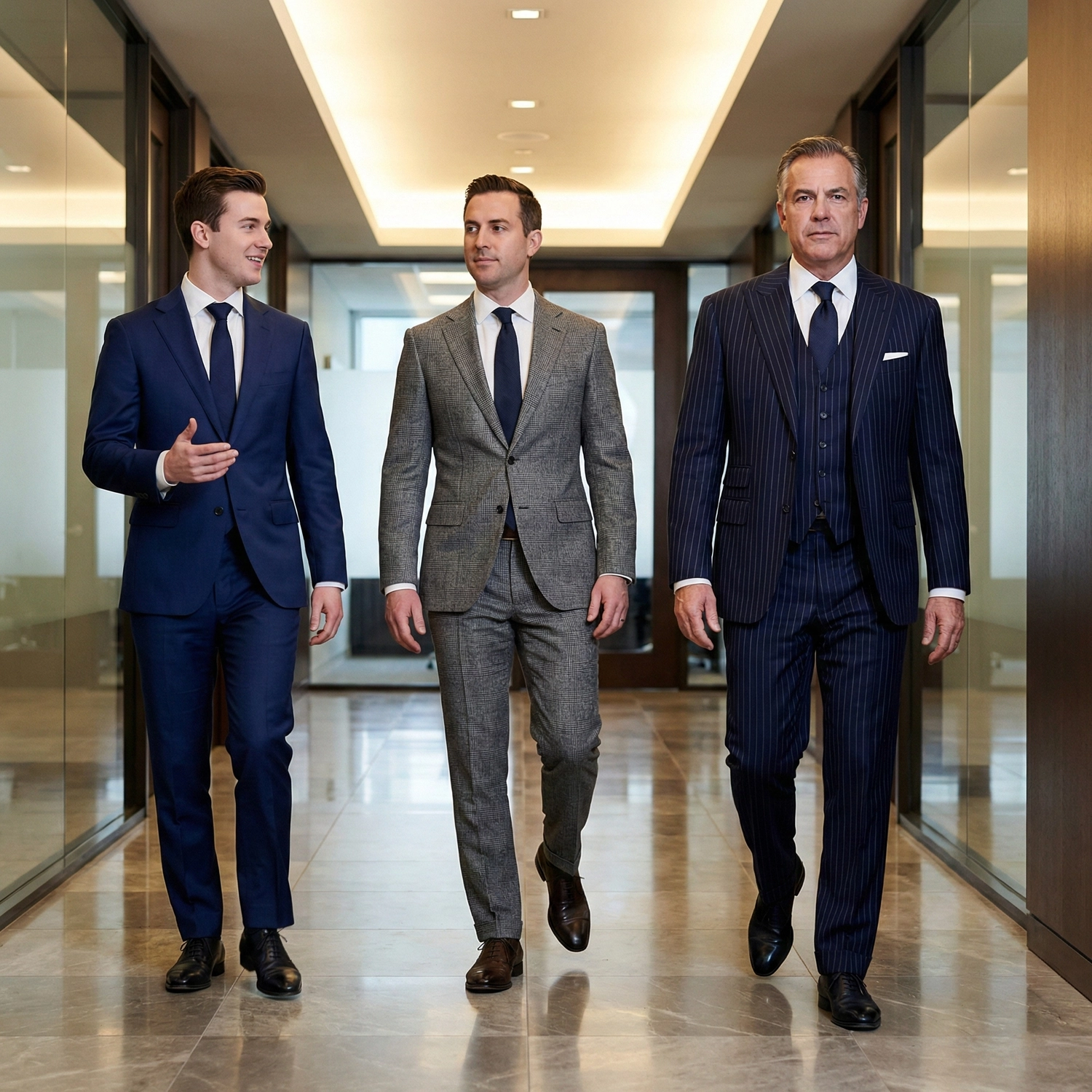
In the strict hierarchy of a law firm, technical brilliance is merely the baseline. To ascend to the corner office, you need something more elusive: Presence.
Promotion is a triad of Mindset, Competence, and Image. A sharp legal mind should never be packaged in a sloppy silhouette. In the eyes of clients and senior partners, your attire is a silent signal of your professional discipline. If you cannot manage the details of your own hemline, can you be trusted with the details of a complex merger?
This guide maps out the strategic sartorial evolution required for the journey from associate to senior partner. As your responsibilities grow, your wardrobe must mature alongside them, transitioning from the “safe hands” of a junior to the commanding authority of a rainmaker.
Phase 1: The Associate – The “Safe Hands” Foundation
Associate to senior partner trajectories always begin with the discipline of the junior years. As a junior associate, your currency within the firm is reliability. Partners want to know you are a ‘safe pair of hands’: someone who will grind through the discovery phase and never embarrass the firm.
Your wardrobe should reflect this ethos: Immaculate, Respectful, and Undistracting.
The Golden Rule: Blend In, Don’t Stand Out
This is not the time for flamboyant pocket squares or aggressive pinstripes. If a client remembers your tie more than your research, you have failed the dress code. Your goal is to look like a coherent part of the team, not a solo artist.
The Wardrobe Strategy
Fabric (The “Toyota Camry” of Suits): You will be spending 12 to 14 hours a day at your desk. Avoid delicate Super 150s or fragile flannels. Instead, invest in robust Worsted Wool (Super 110s or 120s). Think of this fabric as the Toyota Camry of suits: It may not turn heads at a gala, but it is absolutely reliable, runs smoothly day after day, and never breaks down under pressure.
Colors (The Uniform): Adhere strictly to the professional dress code for lawyers: Solid Navy and Charcoal Grey. These colors project seriousness and submission to the hierarchy. Avoid black (too severe) and light grey (too casual).
Style (Conservative Construction):
- The Jacket: Stick to a classic Notch Lapel (ve K). Avoid Peak Lapels at this stage. Peak Lapels imply authority and aggression, traits you have not yet earned. Your bespoke jacket should be a tool of service, not a declaration of power.
- The Trousers: This is where most juniors fail. Avoid the “baggy” look of off-the-rack pants. Your bespoke trousers should be Flat Front (no pleats) or have a single, subtle pleat. The hem should break cleanly on the shoe, signaling attention to detail without screaming for attention.
The Verdict
At this stage, Fit > Fabric. A modest suit that fits perfectly commands more respect than an expensive brand that hangs loosely.

Phase 2: The Senior Associate – The “Trusted Advisor” Refinement
You have survived the grinding years. You are no longer just executing orders; you are leading teams and, crucially, sitting across the table from clients. You have transitioned from a “safe pair of hands” to a “Trusted Advisor.”
Your wardrobe must bridge the gap: It needs to be authoritative enough to command respect from juniors, yet approachable enough to build rapport with clients.
The Wardrobe Upgrade: Depth Over Volume
You don’t need more suits; you need better suits. The flat, uniform look of the junior associate should give way to fabrics with texture and depth.
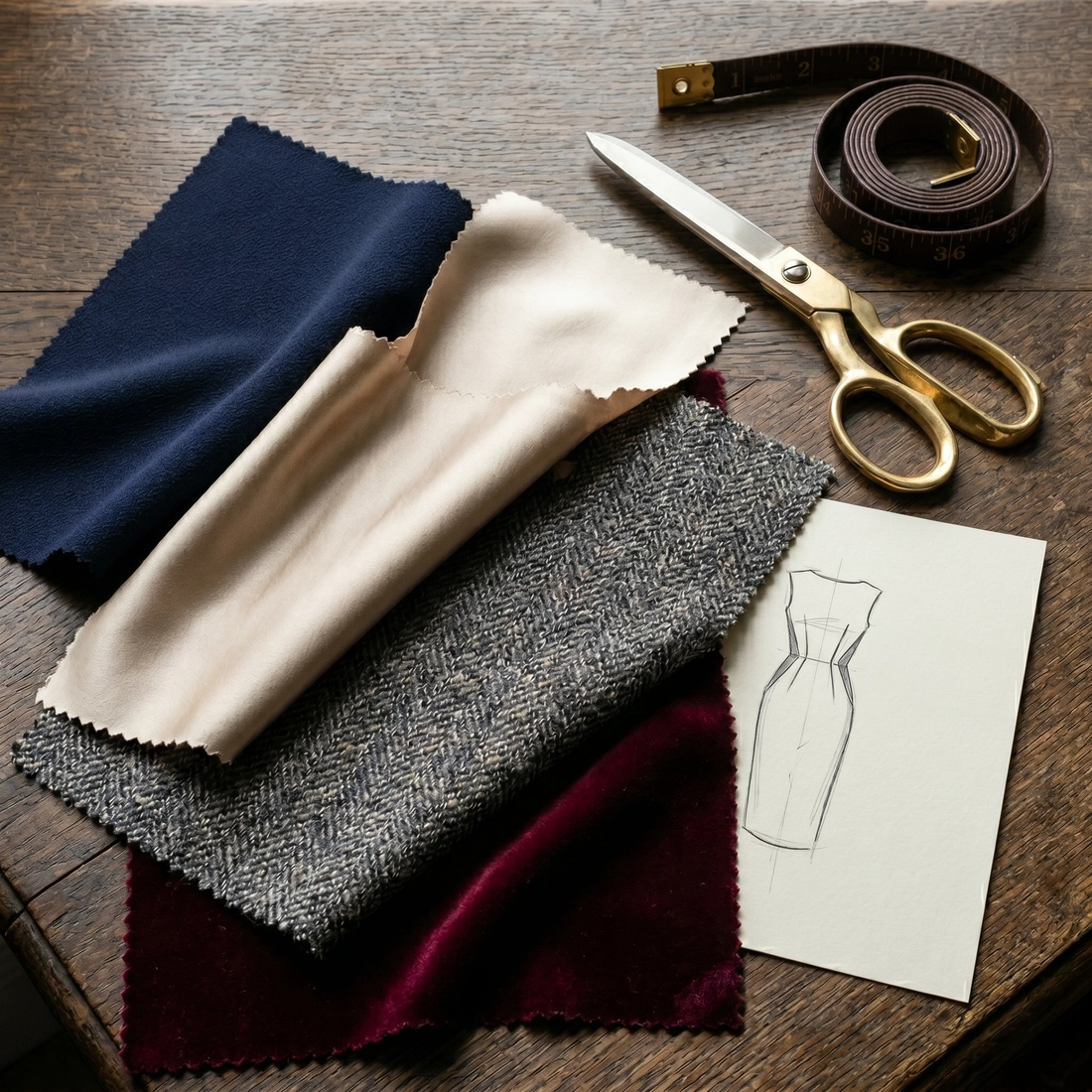
Fabric (Texture is the New Solid): Move beyond flat navy. Start incorporating Sharkskin (Pick-and-Pick), Birdseye, or Herringbone.
The Visual Strategy: From a distance, these fabrics appear solid and conservative. But up close, the intricate weave reveals a level of sophistication. It subtly signals to the client: “There is more to me than meets the eye.”
Colors (Expanding the Palette): While Navy and Charcoal remain staples, you can now introduce Mid-Grey or Navy with a Shadow Check. These shades are less severe, allowing you to appear as a partner in dialogue rather than a subordinate taking notes.
Style (The Sophisticated Balance):
- The Pattern Play: Instead of jumping straight into a bold Windowpane, start with a Glen Check (Prince of Wales) suit. It introduces a pattern without the “loudness” of larger checks. It says you are confident enough to step out of the solid navy comfort zone, but disciplined enough to respect the professional dress code for lawyers.
- The Details: You may consider a Ticket Pocket. This adds a touch of “Old World” charm, but know your firm’s culture. In strictly utilitarian or conservative firms, stick to standard flap pockets. If you want to signal a subtle, worldly sophistication, this is your entry point.
- Construction: It is time for a Half-Canvas bespoke jacket. As your billable hours increase, so does the need for comfort. A half-canvas construction breathes and molds to your body, offering a natural lapel roll that fused suits can never achieve.
The Key Item: A Glen Check Bespoke Suit.
It’s the perfect transition piece. Pair it with a crisp white shirt and a solid navy tie for a look that is undeniably senior, yet perfectly professional.

Phase 3: The Partner – The “Authority” Statement
You have reached the corner office. At this level, you are no longer just an attorney; you are the face of the firm and a guardian of its reputation. You don’t dress to prove you can do the work; your title does that. You dress to embody the Authority and Identity of a leader.
While the associate seeks to blend in, the partner has the privilege to stand out through quiet, sophisticated excellence.
The Wardrobe Upgrade: The Architecture of Power
A partner’s wardrobe is not about fashion; it is about a “Signature.” It is the transition from professional compliance to personal branding.
The Fabric (Luxury with Legacy): This is the realm of the world’s finest mills, but with a strict rule: Matte over Shimmer.
- The Power Pinstripe: A navy or charcoal bespoke suit with a subtle white pinstripe remains the universal language of legal authority.
- Matte Silk Blends: A wool-silk or silk-linen blend offers an exquisite drape and breathability. However, ensure the finish is matte, not shiny. You want the luxurious drape of silk, not the shimmer of a lounge singer or a casino regular. It should be a tactile secret, not a visual distraction.
The Construction (The Full-Canvas Necessity): A partner-level suit must be Full-Canvas.
The Silhouette: Unlike the stiff, boxy look of off-the-rack garments, a full-canvas jacket is alive. It molds a “Power Silhouette”, structured shoulders and a tapered waist, that remains comfortable through a 14-hour mediation. It is the ultimate “second skin.”
The Style (The Marks of Mastery):
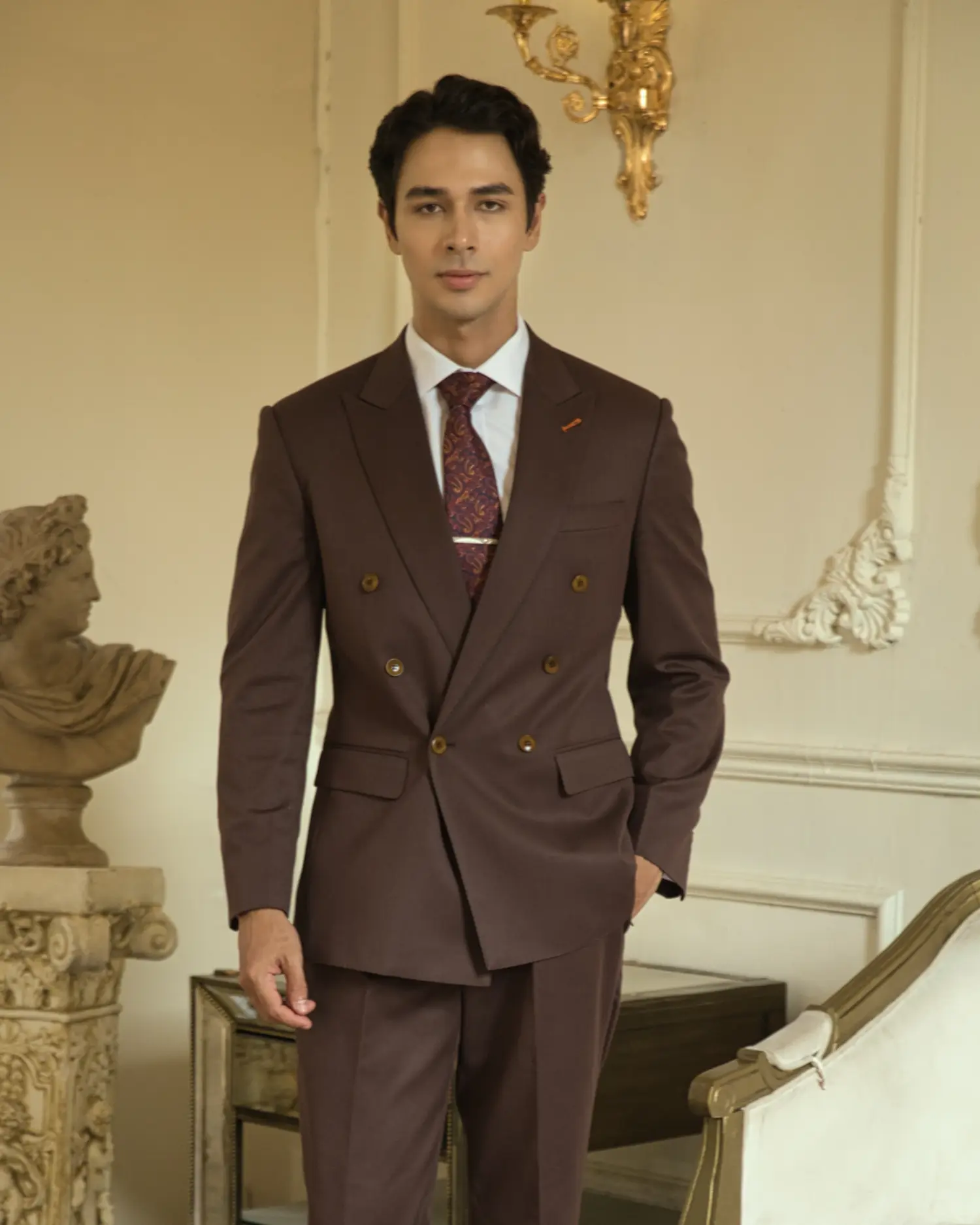
- The Peak Lapel: Now is the time to embrace the Peak Lapel. It is a visual declaration of the authority you have earned.
- The Surgeon’s Cuffs: A hallmark of true bespoke tailoring. These functional buttonholes should be used with discretion. Leaving the last button undone is a subtle signal of craftsmanship. However, but know your audience. In a conservative courtroom, button it up. At a client dinner, let it serve as a quiet conversation starter about the art of tailoring.
- Double-Breasted (The Rainmaker’s Choice): For major court appearances, a double-breasted suit offers unrivaled gravitas. It says you are not just in the room; you are running it.
The Key Item: The Power Pinstripe Bespoke Suit.
When paired with a crisp white spread-collar shirt and a heavy silk tie, this suit becomes your armor. It is a visual justification of your expertise and a testament to the standard of excellence you demand from yourself and your firm.

Conclusion: Your Wardrobe is Your Career Companion
The ascent from associate to senior partner is a marathon of both intellect and endurance. Along this journey, your wardrobe acts as more than just a daily requirement; it is your silent advocate, a visual representation of the standards you set for yourself and your practice.
From the disciplined reliability of your first navy bespoke suit to the commanding authority of a partner’s pinstripe armor, every garment you wear tells a story of growth. By aligning your image with your evolving competence, you ensure that you are never just “filling a seat”: you are occupying a position of influence.
However, the suit is only the foundation of a complete professional identity. To truly master the intricate details of a high-performance legal wardrobe, from the psychology of color to the nuances of fit and construction, explore our comprehensive blueprint: [The Attorney’s Armor: The Ultimate Guide to Bespoke Suits for Modern Lawyers].
DISCOVER PHYIGITAL BESPOKE TAILORING