The Groom’s Guide to Climatic Bespoke: From Lake Como Velvet to Bali Linen
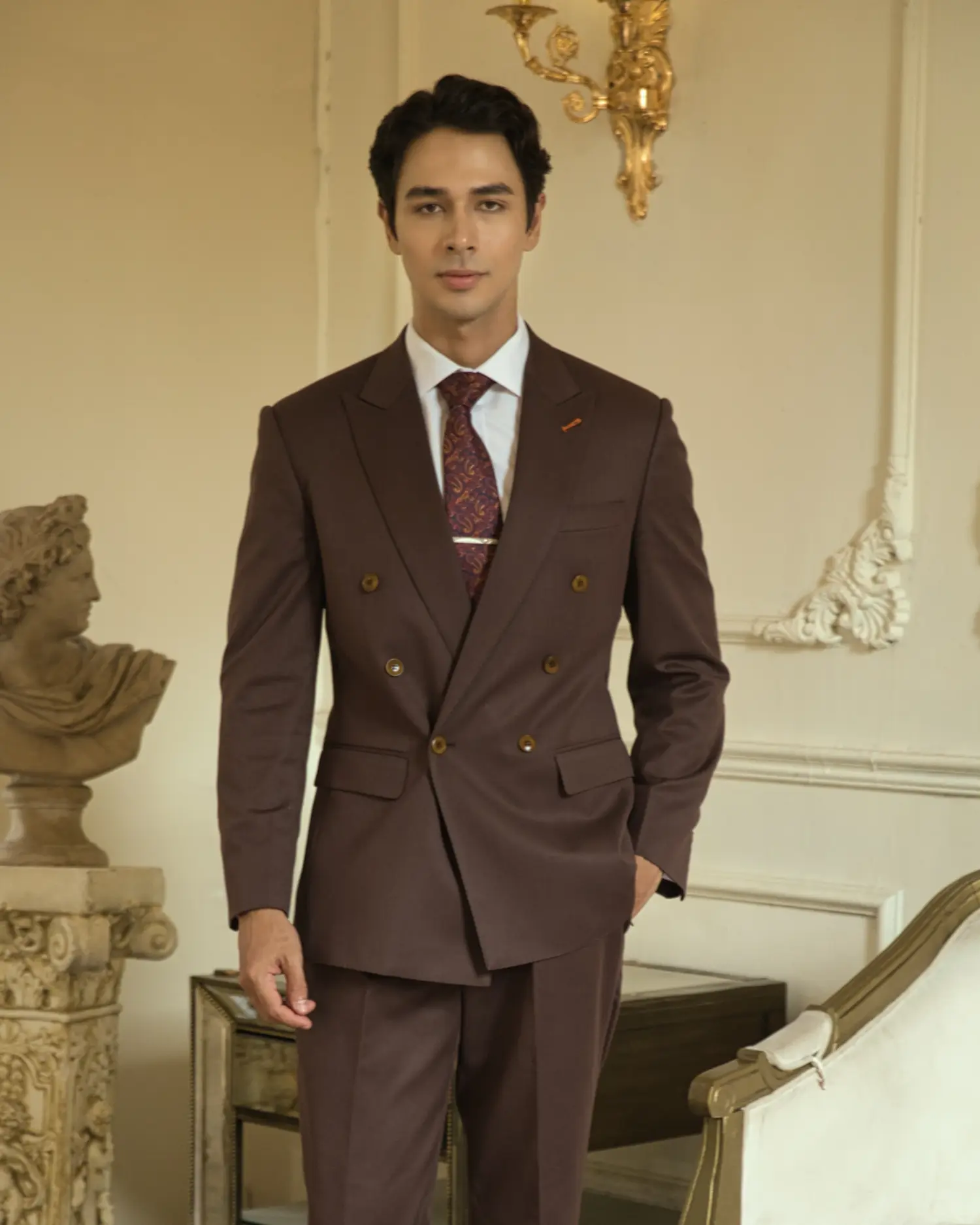
Selecting attire for a destination wedding requires a departure from traditional boardroom standards. A suit designed for the predictable climate of an indoor office often struggles to maintain its appearance when faced with the raw elements of a far-flung landscape, from the heavy humidity of a coast to the crisp chill of an evening by a lake. Without environmental consideration, even the finest tailoring can surrender its silhouette, leading to discomfort and a loss of sartorial sharpness.
A more thoughtful approach involves climatic bespoke: the practice of aligning fabric and construction with the specific barometer of a location. This ensures that the garment functions in harmony with its surroundings rather than fighting against them. By transcending the limitations of a measuring tape and prioritizing environmental foresight, the silhouette remains refined and composure stays unshakeable, regardless of the latitude.
The Global Contrast: Why Lake Como (Italy) vs. Bali (Indonesia)?
To grasp the necessity of adaptation, one must examine two iconic destinations that represent the opposite poles of the sartorial spectrum. These locations are selected not only for their beauty but for their specific microclimates, which impose vastly different climatic variables on a garment’s construction.
- Lake Como (Italy) – The Temperate Alpine Microclimate: Situated at the foot of the Alps, Lake Como is defined by a temperate but variable climate. Even during peak summer months, the air remains crisp, with a significant drop in temperature as the sun sets over the water. The surrounding stone villas and lake-effect breezes create a cooler environment that rewards fabrics with thermal stability. In this setting, the primary challenge is ensuring thermal composure without sacrificing a sharp, majestic silhouette that mirrors the classical European architecture.
- Bali (Indonesia) – The Equatorial Tropical Extreme: Positioned near the equator, Bali presents a landscape of sustained thermal pressure. The climate is characterized by high humidity (often exceeding 80%) and intense, direct sunlight. Unlike the crisp air of Italy, the atmosphere here is vapor-heavy, meaning the skin cannot cool itself through evaporation as easily. The architectural backdrop of open-air pavilions and beach fronts demands a radical focus on air-permeability and moisture-wicking capabilities to ensure the wearer remains dry and composed.
This deliberate contrast between the cool, alpine breeze of Italy and the humid, equatorial heat of Indonesia serves as a vital strategic lesson. The latitude of the wedding is the primary blueprint for the suit; recognizing these atmospheric differences ensures that the choice of fabric and internal architecture is a result of environmental logic rather than mere aesthetic preference.
The Temperate Guide: Lake Como & The Velvet Reign
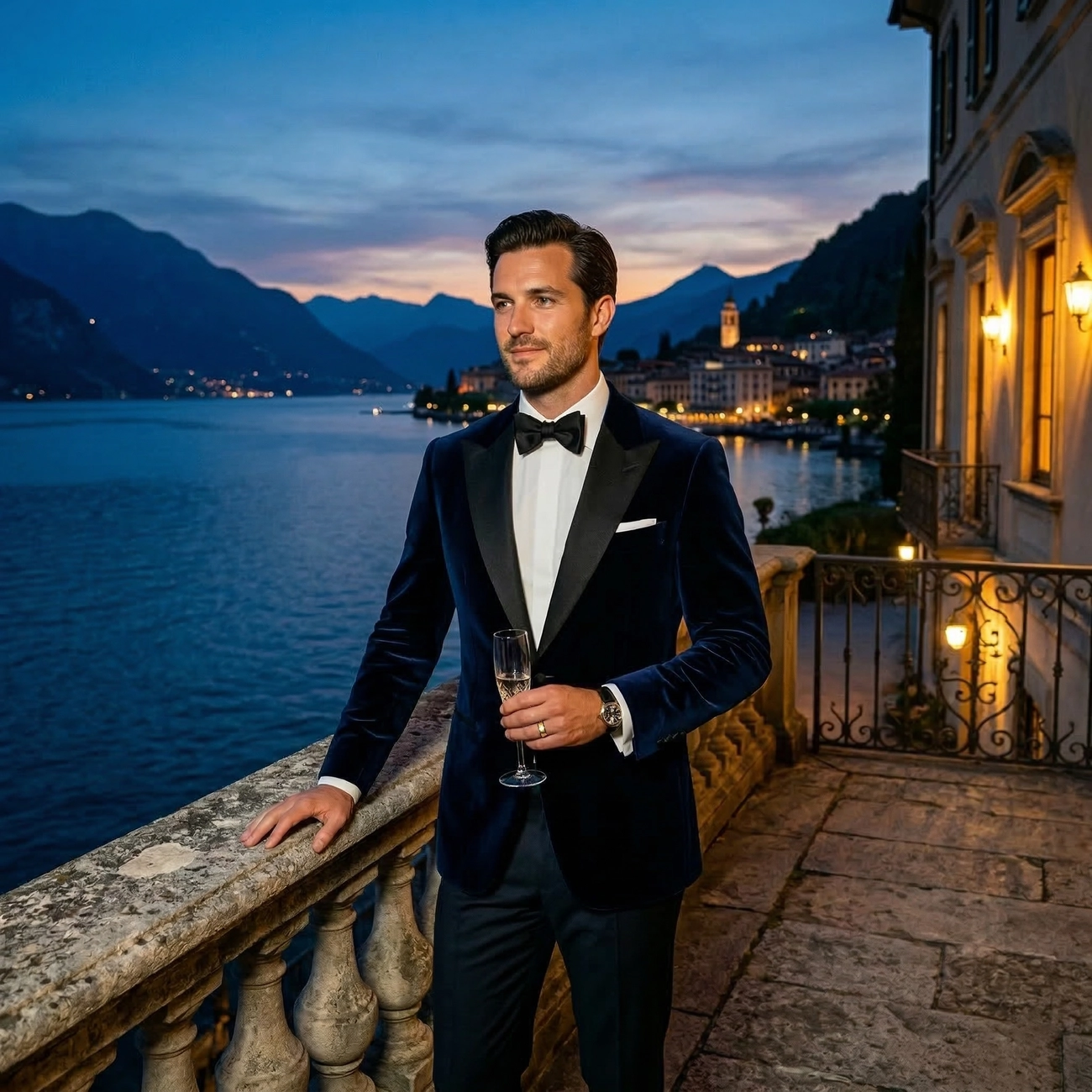
For a temperate setting like Lake Como (Italy), the wardrobe must be engineered to balance classical formality with thermal composure. When the sun sets over the stone villas, the drop in temperature demands a garment that provides both insulation and a commanding presence. In this environment, the Velvet Dinner Jacket serves as the ultimate aesthetic and functional standard.
The Fabric Strategy: Textural Contrast and Stability
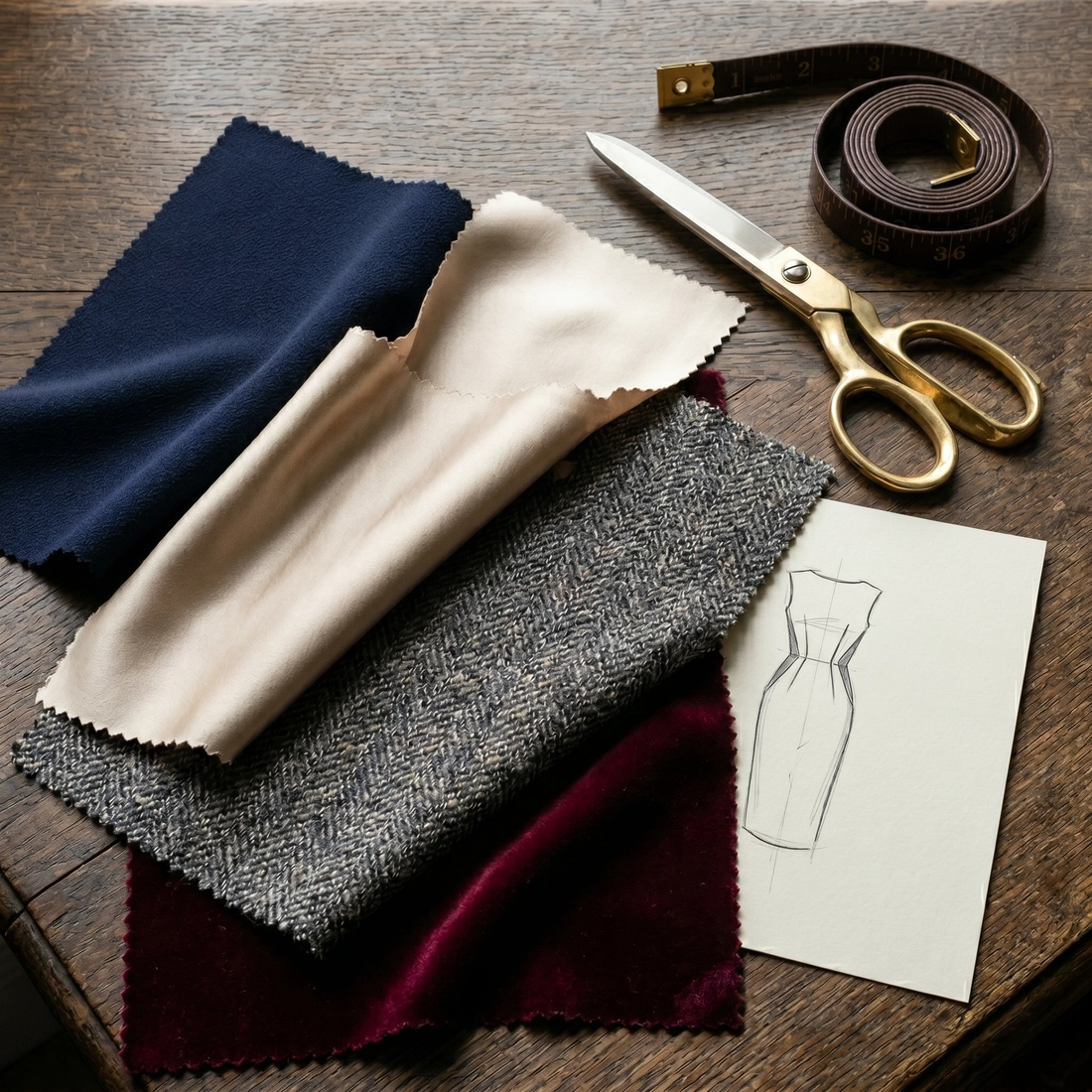
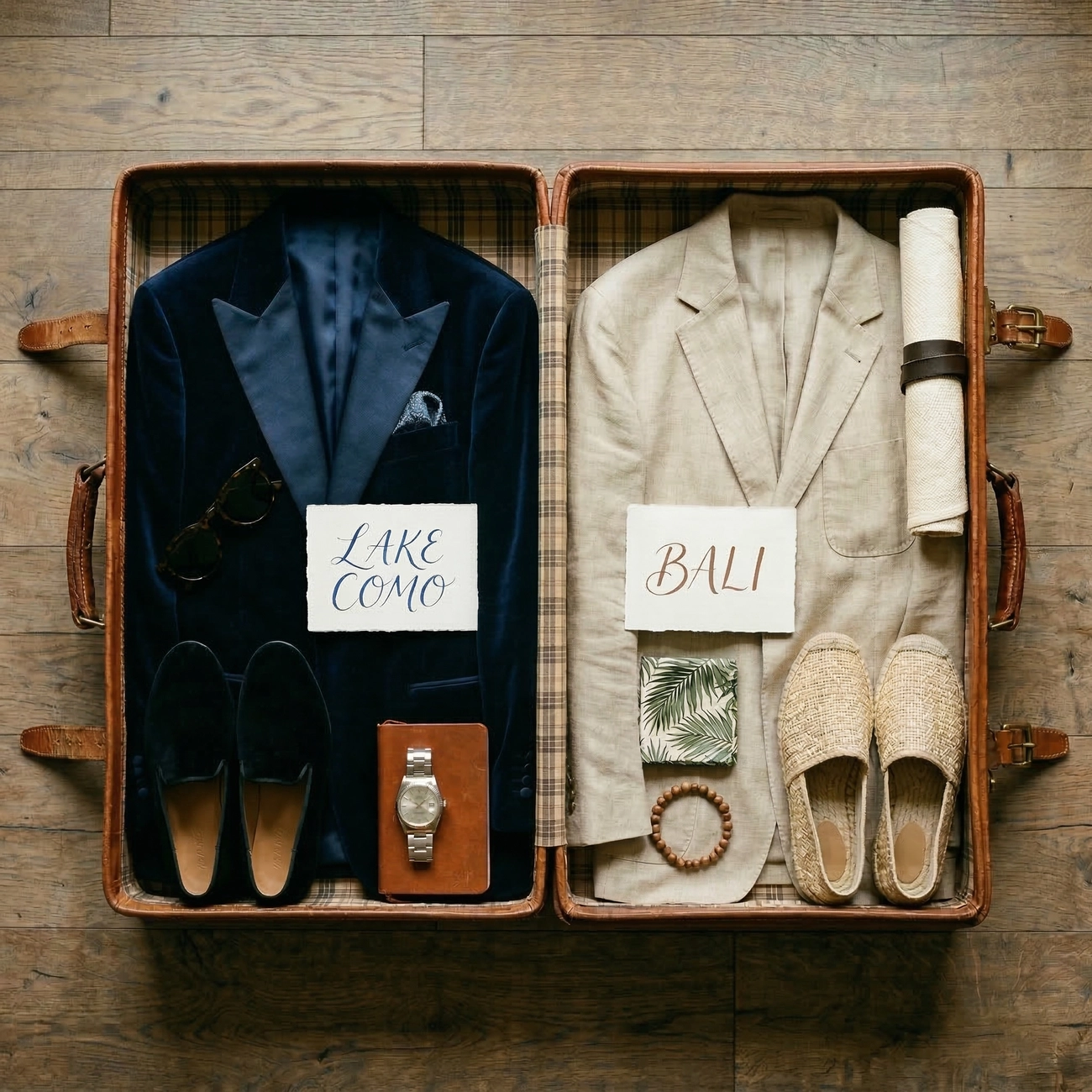
- The Jacket: Velvet. Due to its dense pile, velvet acts as a natural thermal barrier, retaining heat during cool lakeside evenings. Beyond its performance, velvet possesses a unique ability to absorb light, creating a deep, three-dimensional luster that thrives in the soft, ambient lighting of Northern Italy.
- The Trousers: High-Twist Wool (340g–380g). While velvet is ideal for the torso, trousers require the structural resilience of heavyweight wool. This ensures a crisp, permanent crease and a superior drape, elements that velvet cannot sustain. This combination prevents the silhouette from appearing heavy or losing its shape.
The Sartorial Bridge: Achieving Unity
To maintain the integrity of a formal dress code while using two different fabrics, a “Sartorial Bridge” is established through silk consistency:
Silk Synchronization: The silk Satin or Grosgrain utilized for the jacket’s lapels must be identical to the “galon” (the silk stripe) running down the side of the trousers. This visual continuity unites the velvet and wool, signaling a high-level mastery of formal attire.
The Construction Blueprint: Structural Integrity
- Full-Canvas Interior: This is the non-negotiable standard for temperate climates. A layer of horsehair canvas is hand-stitched throughout the jacket’s front, allowing the garment to mold to the body while maintaining a sharp, resilient chest and shoulder line that mirrors the classical architecture of the region.
- Total Bemberg Lining: Unlike synthetic polyester that traps heat unevenly, Bemberg silk provides a breathable yet stable microclimate. Lining the entire interior ensures smooth movement over the shirt while retaining a consistent level of warmth.
The Design Details
- Architecture: A structured shoulder and a wider peak lapel or shawl collar are suggested to complement the grand scale of the Italian landscape.
- The Weighted Silhouette: Every element, from the weighted hem of the trousers to the structured canvas, is designed to ensure the groom remains the aesthetic anchor of the celebration under the crystalline alpine sky.
The Tropical Guide: Bali & The Performance Blends
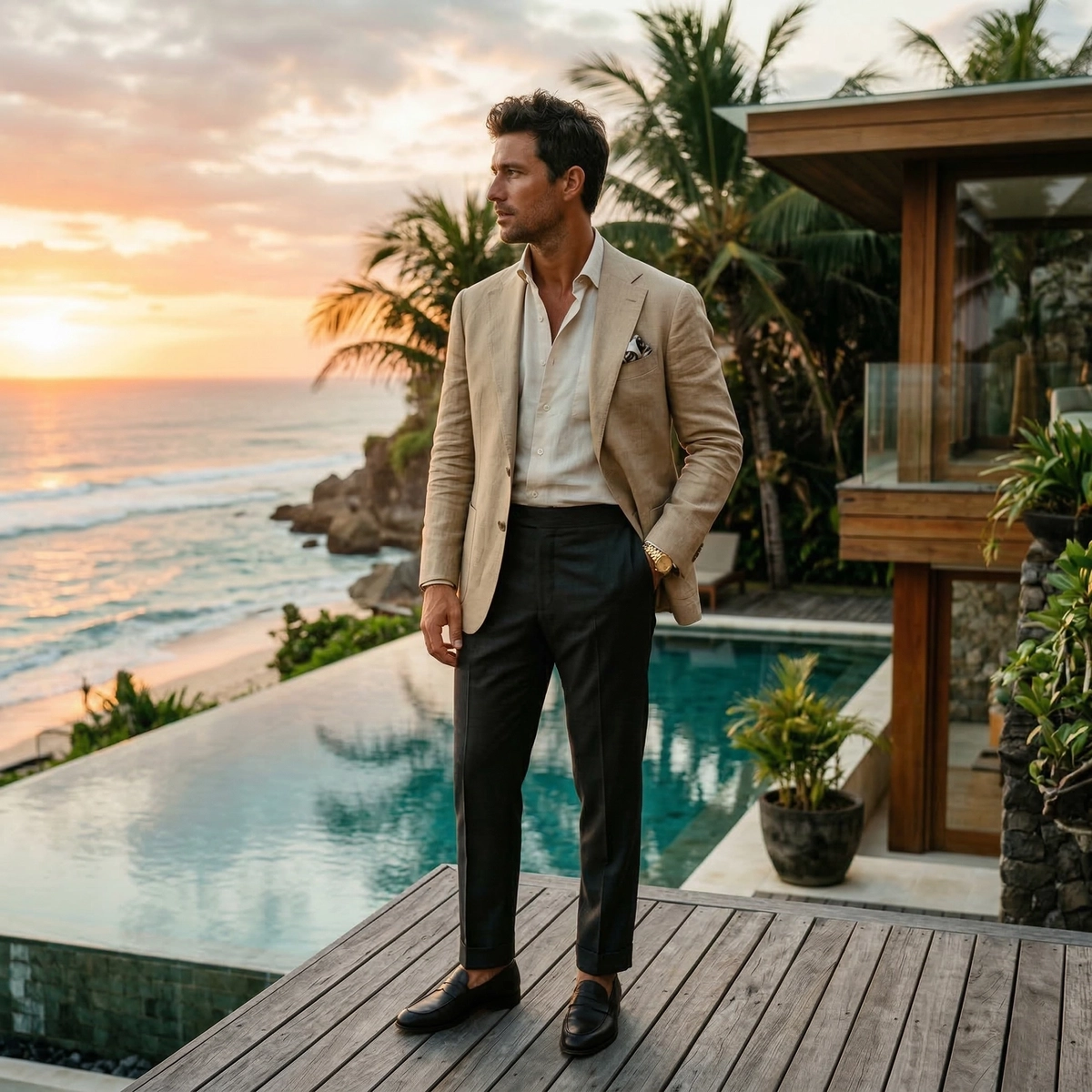
In an equatorial setting like Bali (Indonesia), the wardrobe strategy prioritizes thermal ease and a sense of effortless liberation. The objective is to remain composed during a sun-drenched ceremony while staying “party-ready” for a high-energy reception. This is best achieved through tailored separates and the strategic use of performance blends.
Choosing the Fabric: The Primacy of Linen Blends
While pure linen offers maximum breathability, its tendency to wrinkle significantly can compromise the sharp silhouette required for a wedding. To navigate this, the use of linen blends is recommended as the superior standard for maintaining a polished appearance in the tropics.
- Linen-Wool Blends: This is the practical choice for a balanced silhouette. The addition of a small percentage of high-twist wool provides the fabric with “memory,” allowing it to shed wrinkles more effectively than pure linen while retaining a crisp, structured look throughout the day.
- The Silk-Linen-Wool Blend: Often regarded as the ultimate luxury blend for the tropical groom. This combination offers a sophisticated, subtle luster from the silk, the cooling properties of linen, and the structural resilience of wool. It is the ideal fabric for a jacket that needs to look as refined during the sunset toasts as it did at the beginning of the processional.
- Pure Linen (The Organic Alternative): Reserved for those who explicitly prefer an organic, relaxed aesthetic. It is celebrated for its raw texture and natural patina, though it requires a high tolerance for the characteristic creasing that occurs with movement.
The Style Strategy: The Art of Separates (Spezzato)
In a landscape as vibrant as Bali, a monochromatic suit can sometimes appear visually flat. Opting for contrasting separates allows for a more dynamic and contemporary aesthetic.
- The Composition: Pairing a light-toned linen-blend jacket (such as sand or pale stone) with contrasting trousers in a lightweight tropical wool or a different shade of linen creates a sophisticated depth.
- The Versatility: This approach allows the groom to transition seamlessly into the reception. Removing the jacket reveals a sharp, well-fitted trouser and shirt combination that remains formal yet comfortable for an evening of celebration.
The Construction: Deconstructed Ease
- Unstructured Tailoring: A soft, natural shoulder with no internal padding is the recommended standard. This allows the garment to move fluidly and encourages constant airflow around the torso.
- The Butterfly Lining: To maximize breathability, a minimal “butterfly” or quarter lining is utilized. By leaving the majority of the internal fabric exposed, the skin can breathe directly through the weave, facilitating immediate evaporation in high humidity.
A Note on Personal Expression
While the combination of contrasting separates and performance blends offers a functional advantage, the final choice remains a matter of personal taste. Whether the preference leans toward the crisp continuity of a full suit or the modern flair of mismatched textures, the priority is ensuring the attire functions in total harmony with the equatorial climate.
The Bridge: Phygital Tailoring for the Modern Groom
Navigating bespoke tailoring across continents, for a groom in London or New York preparing for Bali or Como, requires a synthesis of technology and tradition. This “phygital” approach removes the logistical weight of travel while maintaining absolute precision.
- 3D Body Scanning: Capturing precise anatomical data from the privacy of home or office, ensuring a perfect blueprint without the need for international fitting sessions.
- Climate-Specific Consulting: Expert guidance on material selection (from insulating velvet to breathable linen blends) informed by the specific weather data of the wedding destination.
- Logistical Efficiency: Engineering a garment that arrives at the destination ready for the altar, eliminating the “alteration cycle” and the risk of third-party tailoring errors.
To orchestrate a seamless visual legacy, explore the phygital tailoring experience at Rosie Hong online bespoke tailoring or schedule a Private Stylist Consultation today.
Conclusion: Orchestrating a Seamless Visual Narrative
The success of a destination wardrobe lies in the transition from mere aesthetics to environmental harmony. A garment is not a static object; it is a functional layer that either supports or hinders the groom’s composure. By prioritizing climatic adaptation, from the insulating depth of a velvet jacket in Lake Como to the airy resilience of silk-linen-wool blends in Bali, the attire becomes a seamless extension of the destination itself.
True elegance is found in the ability to remain the visual anchor of the celebration. When fabric and construction are synchronized with the local barometer, the silhouette remains sharp and the groom stays unshakeable. This is the essence of a timeless visual legacy: ensuring that every frame captured reflects a state of absolute, effortless confidence, regardless of the latitude.
While the groom is the aesthetic anchor, the visual impact of the day depends on a unified style across the board. To ensure your vision is carried through for every guest and groomsman, discover our comprehensive masterclass: “The Ultimate Guide to Destination Wedding Attire: Styling Your Entire Party Without the Stress“.
DISCOVER PHYIGITAL BESPOKE TAILORING