The Attorney’s Armor: The Ultimate Guide to Bespoke Suits for Modern Lawyers
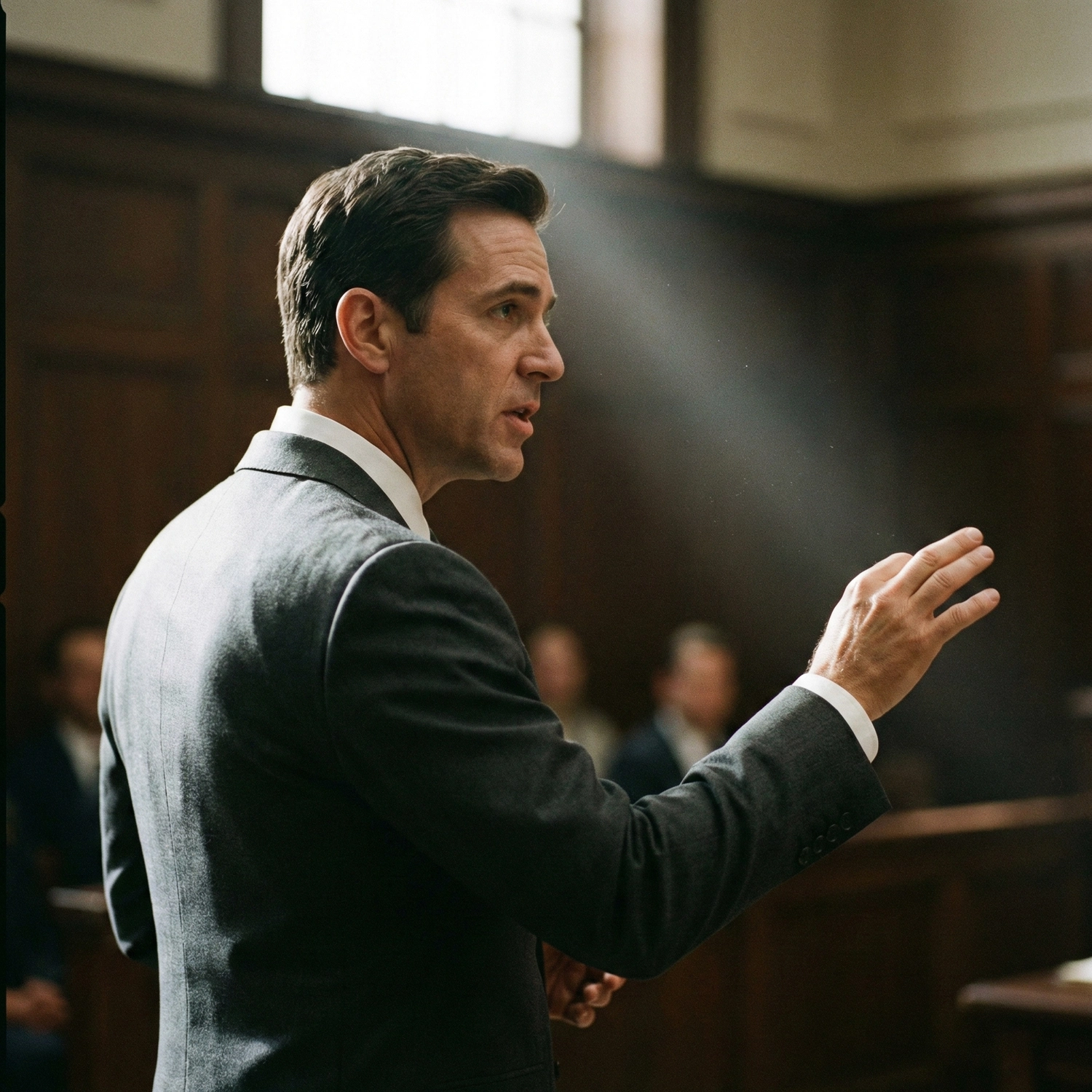
In the theater of law, the opening statement begins the moment you enter the room, long before you address the bench. For the high-stakes litigator, the courtroom is an arena of perception where credibility is weighed instantly.
An ill-fitting suit whispers of negligence, while a flashy ensemble screams of arrogance. To command respect without distraction, bespoke suits for modern lawyers are not merely an aesthetic choice; they are a strategic professional tool. Whether you are investing in your first serious courtroom suit or upgrading your partner wardrobe, this is the “Attorney’s Armor,” a form of non-verbal advocacy designed to project unwavering authority and discipline.
The Suit as a “Litigation Weapon”
In the adversarial system, every advantage counts. While your legal brief appeals to logic, your visual presence appeals to the subconscious. A bespoke suit is not merely clothing; it is a tool of psychological warfare designed to establish dominance and credibility the moment you stand to object.
Here is how to engineer your wardrobe to serve as effective counsel.
The Psychology of Perception: The Halo Effect
Juries and judges are human; they are susceptible to the “Halo Effect“: a cognitive bias where positive impressions of a person in one area (appearance) influence opinion in another area (competence).
- The Competence Cue: A sharp, immaculate silhouette signals preparation. If a lawyer cannot manage his own hemline, a jury may subconsciously question his ability to manage complex evidence.
- The Respect Factor: Dressing with precision demonstrates respect for the court (The Bench). It subtly communicates that you take the proceedings, and your client’s fate, seriously.
Engineering Authority: The Technical Structure
To turn a bespoke suit into “armor,” you must look beyond the fabric and focus on the architecture of the garment. For the modern lawyer, specific bespoke details can amplify presence:
- The “Roped” Shoulder (The Power Line): Avoid the soft, unstructured shoulders common in casual Italian jackets. For litigation, request a Roped Shoulder (typical of British tailoring). This construction features a slight ridge at the sleeve head, creating a broader, more authoritative silhouette. It anchors your presence when you are standing at the lectern.
- The Canvas Construction (Endurance Over Time): A fused (glued) suit looks stiff and lifeless. A Full-Canvas bespoke suit molds to your body over time, moving with you rather than against you. Crucially, it is an investment in endurance. Unlike fused jackets that risk the dreaded “delamination”, where the internal glue degrades and bubbles after months of friction against leather chairs, a canvas construction is built to survive the grueling marathon of a multi-year trial without losing its shape.
- Jacket Length & Gravitas: Modern fashion trends dictate shorter jackets, but the legal profession requires gravitas. A proper litigation suit jacket should cover the seat entirely. This lengthens the torso and creates a vertical line of authority, distinguishing a seasoned attorney from a junior associate following trends.
Distraction-Free Advocacy
The ultimate goal of the “Litigation Weapon” is, paradoxically, to disappear. If a juror is focused on your gaping collar, your bunching trousers, or your constant tugging at a tight sleeve, they are not listening to your cross-examination.
- The Fit of Focus: A bespoke suit eliminates the “fidget factor.” High armholes allow you to raise your arm to point at an exhibit without the entire jacket lifting up.
- Sartorial Silence: Your clothes should never scream. They should provide a quiet, dark background that forces the listener to focus entirely on your face and your words.
The Duality of Legal Wardrobe: Courtroom vs. Chambers
A comprehensive legal wardrobe is not monolithic; it is situational. The suit that commands respect during a cross-examination may feel too severe for a settlement negotiation. The modern attorney must master the art of code-switching between two distinct personas: the Litigator and the Trusted Advisor.
Here is the technical breakdown for navigating these two worlds.
The Courtroom Protocol: The “Strict Liability” Look
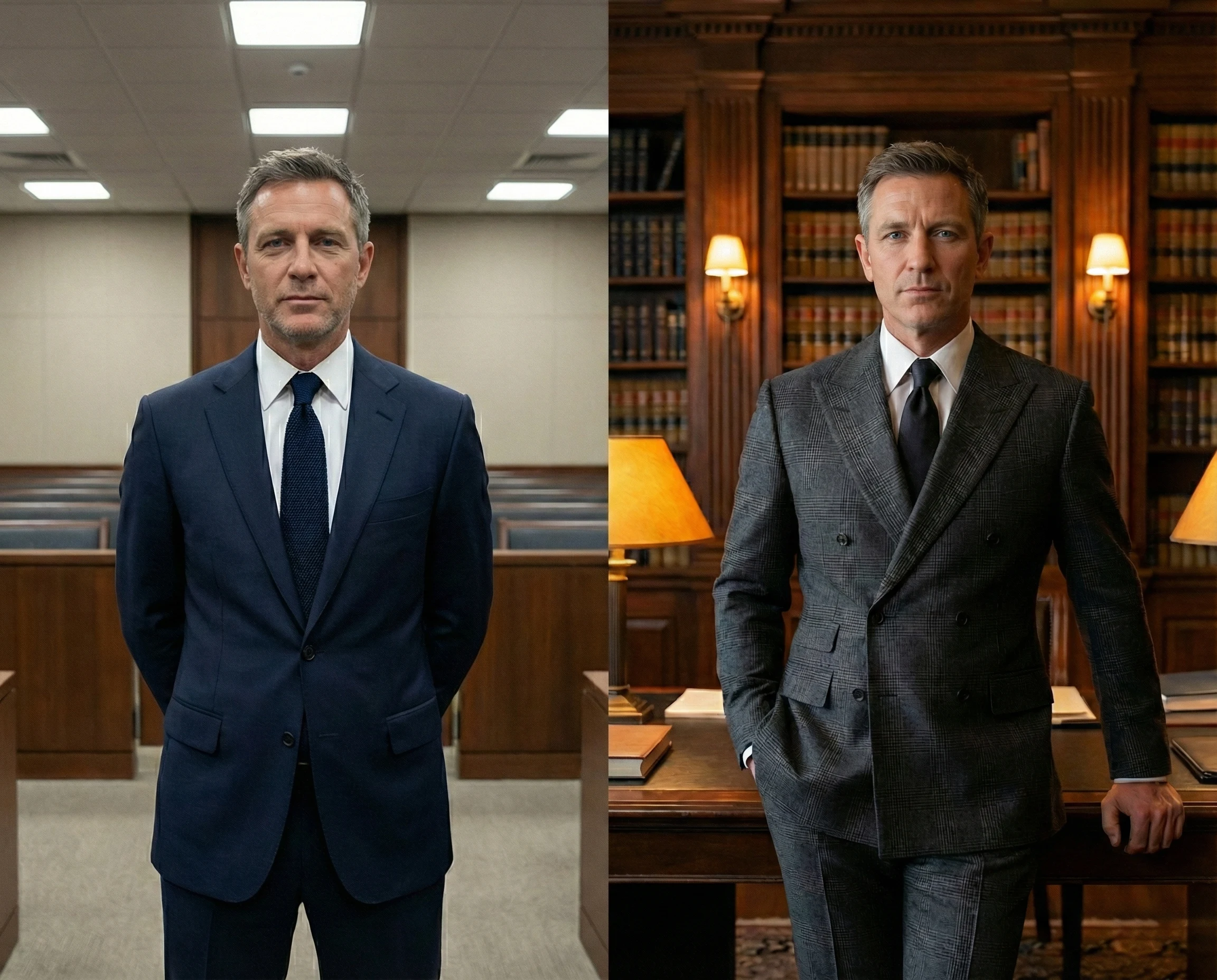
In the courtroom, your attire has one job: to serve the argument, not to be the argument. The ideal courtroom suit follows the doctrine of “Conservative Authority.”
Jacket Style (The Humble Servant):
- Single-Breasted Only: Always opt for a Single-Breasted, 2-button jacket.
- Why? A Double-Breasted suit, while stylish, can appear too aggressive, wealthy, or “slick” to a jury of laypeople. In court, you want to relate to the jury, not intimidate them with a “Power Suit” that screams privilege.
Fabric & Color (The Matte Standard):
- Deep Navy & Charcoal Grey: These are the only two non-negotiable colors for trial.
- Avoid Black: Contrary to popular belief, black suits are often viewed as too severe, funereal, or reserved for evening wear.
- The “Matte” Rule: Stick to Worsted Wool with a matte finish. Avoid fabrics with a high “sheen” (shiny silk blends or high Super numbers like Super 150s+), which can look flashy under harsh courtroom lighting.
Construction Details (The Safe Harbor):
- Lapels: Choose a Notch Lapel with a moderate width (3.0 – 3.5 inches). It is the standard, understated choice that signifies reliability.
- Pockets (Universal Safety): Opt for Straight Flap Pockets. While “Ticket Pockets” are traditional in British bespoke, it is safer to avoid them in international conservative courts (especially in the US), where they can be perceived as too “sporting” or casual. Stick to the universal standard to eliminate risk.
While Navy and Charcoal are the undisputed standards, the decision between them is rarely just about personal preference, it is about the specific psychological atmosphere you wish to create in the room. For a deep dive into how these shades influence jury perception and which one to choose for your next trial, explore our guide on [Courtroom Psychology: Navy Blue vs. Charcoal Grey – Which One Wins the Verdict?]
The Chambers & Client Consultation: The “Trusted Advisor” Look
When you leave the courtroom, the rules relax. In the office or during client meetings, your goal shifts from “submission” to “rapport.” This is where you display your status, success, and personal brand.
Fabric & Patterns (The Sophisticated Expansion):
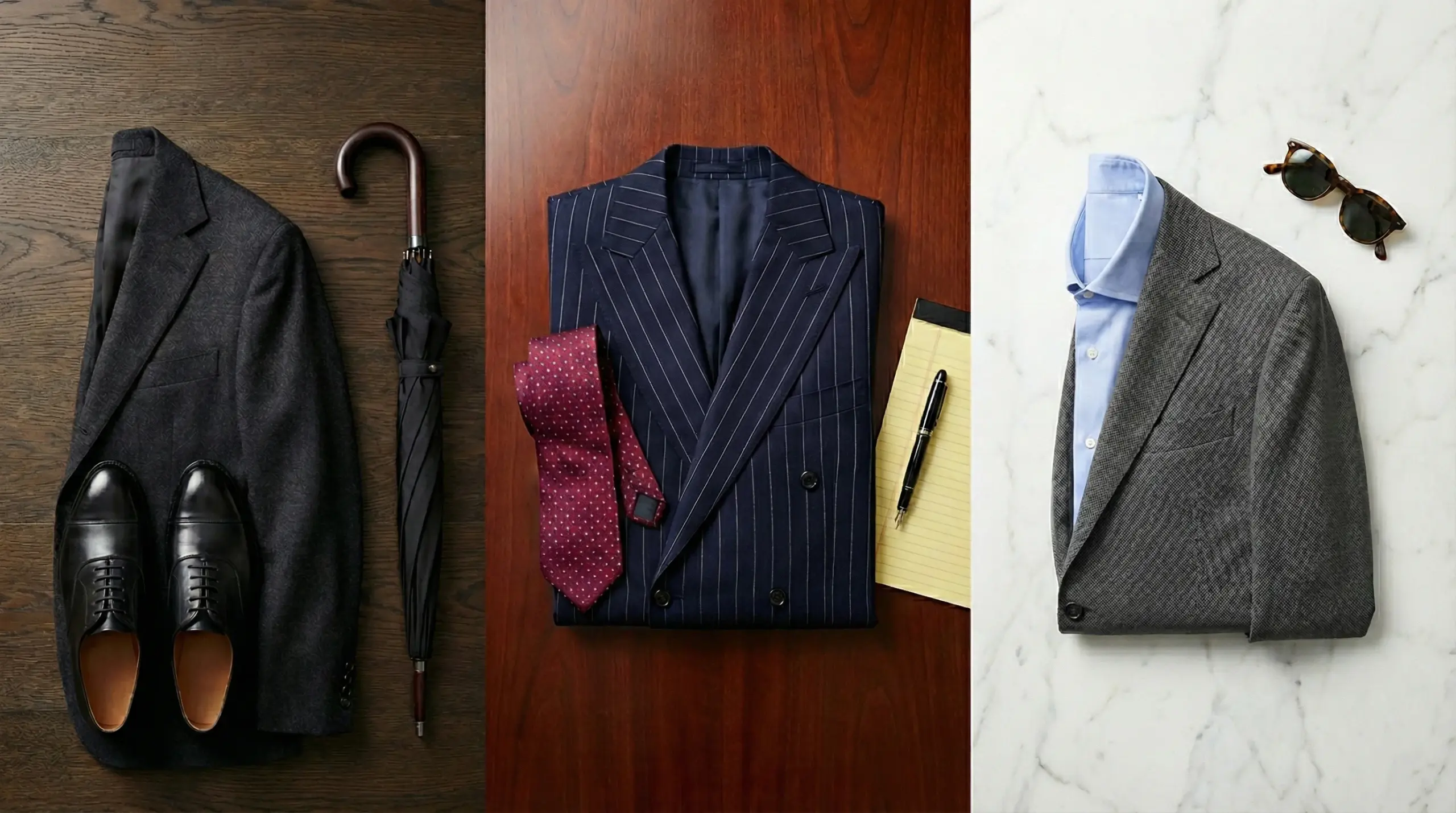
- Patterns: This is the domain of the Pinstripe (Banker’s Stripe) which projects power, and the Prince of Wales Check (Glen Plaid) which projects old-money sophistication.
- Texture: Consider Flannel in the colder months or Hopsack in the summer. These fabrics have texture, making you appear more approachable and less “armored” than in a smooth worsted trial suit.
Construction Details (The Personal Flair):
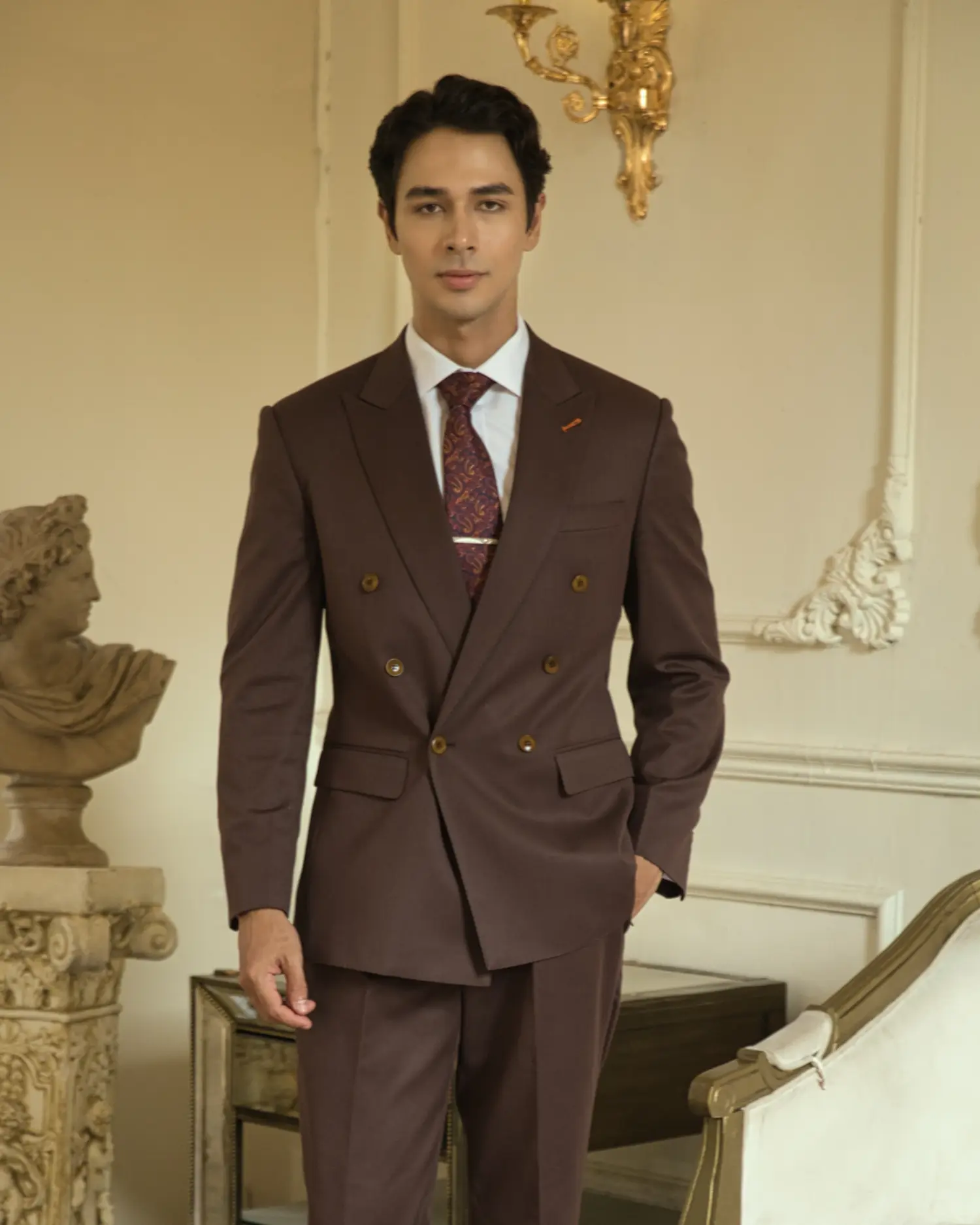
- Lapels: A Peak Lapel is appropriate here. It draws the eye upward to the shoulders and face, creating a more powerful, “V-shaped” silhouette, a detail perfect for senior partners who want to assert leadership in a boardroom.
- Double-Breasted: While risky in front of a rural jury, a well-tailored Double-Breasted suit in the office signals a lawyer who has “arrived”. It is the uniform of the Senior Partner, conveying authority in negotiations where intimidation (in a business sense) is an asset.
As your responsibilities shift from the granular details of discovery to the high-level strategy of the boardroom, your attire must signal that transition in authority. Moving from Associate to Senior Partner requires a nuanced shift in sartorial complexity. Learn how to master the visual codes of seniority in our analysis of [Dressing for the Partner Track: How to Upgrade Your Wardrobe from Associate to Senior Partner]
The Golden Rule of Duality
Never confuse the two. Walking into a conservative courtroom in a flashy, double-breasted windowpane suit can be seen as “peacocking,” potentially alienating a jury before you’ve even introduced yourself. Know the venue, then choose your armor.
The Supporting Cast: Shirt & Tie Protocols
Your bespoke suit is the armor, but the shirt and tie are the weapons you wield. In a courtroom, where attention to detail is scrutinized, a collapsing collar or a novelty tie can undermine your entire argument.
The Shirt: The Foundation of Crispness
- The Fabric (Wrinkle Resistance is Key): While Cotton Poplin offers a sharp, crisp finish for short durations, it is prone to wrinkling. For the grueling 14-hour workday, opt for Royal Oxford or Twill. These weaves are slightly heavier and have a subtle texture that resists creases far better than Poplin, ensuring you look as pristine at an 8:00 PM settlement meeting as you did at the 8:00 AM briefing.
- The Color Code: White is the undisputed king of the courtroom, representing clarity and professionalism. Sky Blue is acceptable for less formal hearings or client meetings, provided it is a pale, “icy” blue, not a vibrant azure.
- The Collar Architecture: A “limp” collar signals a lack of discipline. Ensure your bespoke shirts have stiff interlining and removable collar stays to keep the points sharp. A Semi-Spread Collar is the most versatile choice, accommodating both Windsor and Four-in-Hand knots perfectly.
A Note on Cuffs: For the courtroom, stick to Barrel Cuffs (buttoned) to signal a hands-on, hard-working attitude. Save the French Cuffs and minimalist Cufflinks for the boardroom, where they serve as subtle anchors of Senior Partner status.
The Tie: The Anchor of Authority
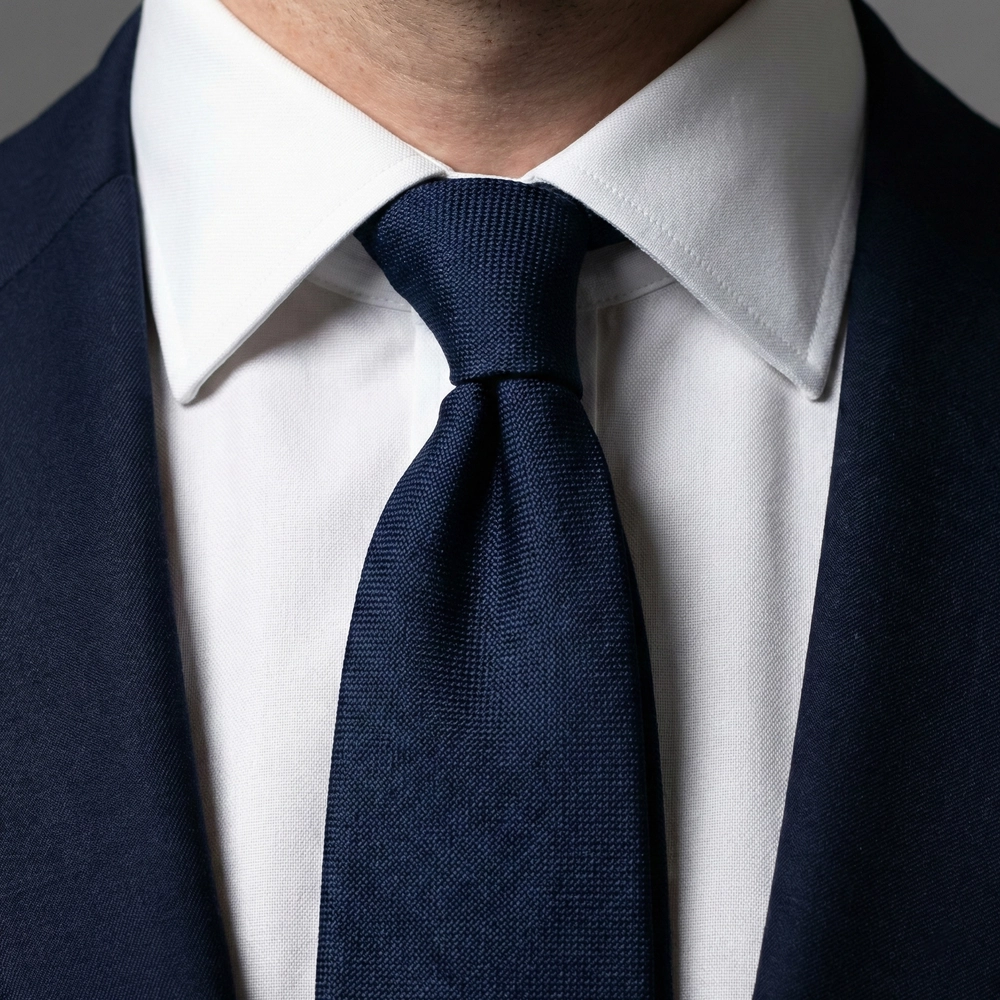
- The “Matte” Principle: Just like the suit, your tie should not be overly shiny. Avoid “satin” silk ties that reflect light. Instead, opt for Grenadine Silk (Garza Grossa). This textured, open-weave silk is the “insider’s choice” for lawyers; it is rich, matte, and knots beautifully without slipping.
- The Color Palette:
- Navy Blue: Projects trust and calm.
- Deep Burgundy & Forest Green: For these darker hues, look for “Ancient Madder” silk. This specific finish offers a chalky, matte hand-feel that screams old-money sophistication, ideal for projecting power and passion (burgundy) or scholarly tradition (green) without the glare of cheap satin.
- The “Dimple” (Non-Negotiable): Always ensure there is a dimple (a central crease) just below the knot. A flat knot looks amateurish; a dimpled knot shows you took that extra second to perfect your appearance: a subtle signal of a meticulous mind.
Pro Tip: The width of your tie should roughly match the width of your suit lapels. Balance is key to visual harmony.
Jurisdiction Matters: Global Legal Attire Standards
Just as legal procedures vary between Common Law and Civil Law systems, the “unwritten rules” of sartorial conduct change as you cross borders. A suit that projects confidence in New York might be perceived as arrogant in Tokyo, or stiflingly hot in Singapore.
For the modern attorney representing international clients, your wardrobe must honor the jurisdiction you are stepping into.
The London Standard: Heritage & The “Old Guard”
The UK Bar sets the global gold standard for formality. While modern business codes have relaxed, the Courts remain a bastion of tradition.
- The “No Brown in Town” Nuance: While this old adage is fading in general business, it remains a safe harbor for high-stakes litigation. In the Royal Courts of Justice, wearing tan or light brown shoes can be seen as “sporting” or frivolous.
- The Verdict: For court appearances, stick to Black Oxford Cap-toes to project unwavering authority. Save your dark oak or museum calf brown shoes for client meetings or chambers work.
- Fabric Weight: Due to the cooler climate and tradition of “drape,” British suits often use heavier wools (11oz – 13oz). These fabrics hang beautifully and create a clean, armor-like silhouette.
The American Standard: Power & Presence
The US legal scene, particularly on the East Coast (New York, D.C.), favors a projection of power and dominance (“The Power Suit”).
The Silhouette (Room for Presence): Unlike the severely tapered British cut, the American legal aesthetic favors a fuller chest.
Note: “Fuller” does not mean baggy or boxy. It refers to a clean “drape” over the chest tailored with a moderate waist suppression. The extra volume in the chest and shoulders helps the attorney occupy more physical space, conveying subtle dominance during negotiations without looking constricted.
The “East Coast vs. West Coast” Divide:
- New York/D.C.: Stick to the strict London codes of dark navy and charcoal.
- California/Tech Law: While “Business Casual” rules the office, do not be fooled. In a Federal Court in San Francisco, the judge still expects a traditional suit. However, you might see slightly lighter shades of blue or grey being accepted compared to the East Coast.
The Asian Context: Engineering for Climate (Hong Kong & Singapore)
This is the most challenging jurisdiction for the bespoke enthusiast. You are operating under a British-influenced legal system (requiring high formality) but in a tropical climate (requiring breathability).
- The Solution: High-Twist Wool: Standard suit fabrics will trap heat and wilt in the humidity. The solution is High-Twist Wool (often known by trade names like Fresco or Crispaire).
Technical Benefit: The yarn is twisted tighter, creating an open weave that allows air to pass through (breathability) while being incredibly resistant to wrinkles.
- Construction: Request a “Half-Lined” or “Quarter-Lined” jacket. By removing the lining from the back, you significantly increase airflow without sacrificing the suit’s external structure.
- The Result: You look as sharp as a London Barrister, but you remain cool and composed while others are sweating through their heavy wools.
A suit’s architecture is only as reliable as its foundation. For the attorney facing back-to-back depositions or long-haul travel, the choice of weave becomes a matter of professional survival. High-twist wool offers the rare duality of extreme breathability and wrinkle resistance. Discover why this fabric has become the ultimate investment for the modern litigator in [The 12-Hour Deposition Suit: Why High-Twist Wool is a Lawyer’s Best Investment]
The Billable Hour Solution: “Phygital Tailoring” for the Modern Attorney
In the legal profession, time is the most precious commodity. For a Senior Partner, the opportunity cost of three to four traditional tailoring fittings is measured in lost billable hours. This friction has given rise to a new evolution in bespoke suits for modern lawyers: Phygital Tailoring.
What is Phygital Tailoring?
“Phygital” is the seamless bridge between the Physical craft of bespoke tailoring and Digital precision. It is not “made-to-measure” in the traditional sense; it is a data-driven approach to the classic bespoke suit experience.
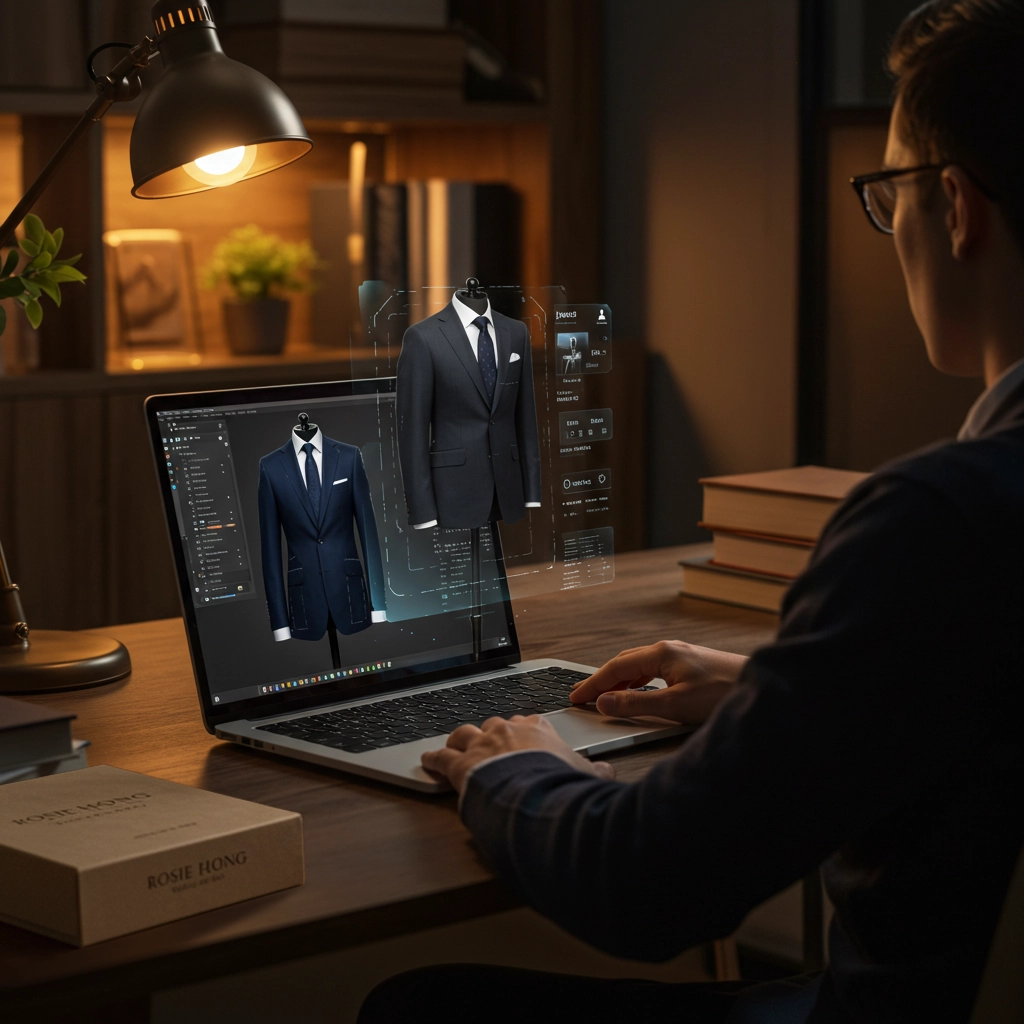
- Precision via 3D Scanning: Instead of a tailor’s tape, which can be subject to human error, Phygital Tailoring utilizes advanced 3D body scanning. Using just a smartphone, you can generate an exacting digital double of your physique in less than five minutes.
- The Digital Pattern: Your data is converted into a unique digital paper pattern by artisans. This ensures that every subsequent suit you order maintains the same “millimeter-perfect” fit, regardless of where you are in the world.
- Virtual Consultation: The human element remains. You select fabrics and styling details, including lapels, linings, and monograms, via video consultation with a master stylist who understands the specific codes of legal attire.
A Modern Solution for a Global Career
The primary advantage for the modern attorney is efficiency without compromise. You no longer need to fly to Savile Row or visit a local tailor during business hours. You can “arm” yourself for your next trial from your office desk or your home study, ensuring your professional standards never slip despite a demanding caseload.
The Recommendation: For the discerning attorney who values both precision and time, Rosie Hong Online Bespoke Tailoring has pioneered this “Phygital Tailoring” approach. By merging heritage craftsmanship with proprietary 3D scanning, they ensure the world’s leading legal minds remain trial-ready, without ever leaving their chambers.
Conclusion: The Final Verdict
In the legal arena, the margin of victory often lies in the details that tip the scales of credibility in your favor. A bespoke suit is more than a garment; it is a calculated investment in your professional authority: the “Attorney’s Armor” that projects confidence across any jurisdiction.
By mastering the nuances of legal attire and embracing the efficiency of Phygital Tailoring, you ensure your visual advocacy is as compelling as your legal strategy. To command the respect of the court and reach the Partner Track, you must dress for the position you hold and the verdict you seek.
Your armor is ready.
DISCOVER PHYIGITAL BESPOKE TAILORING