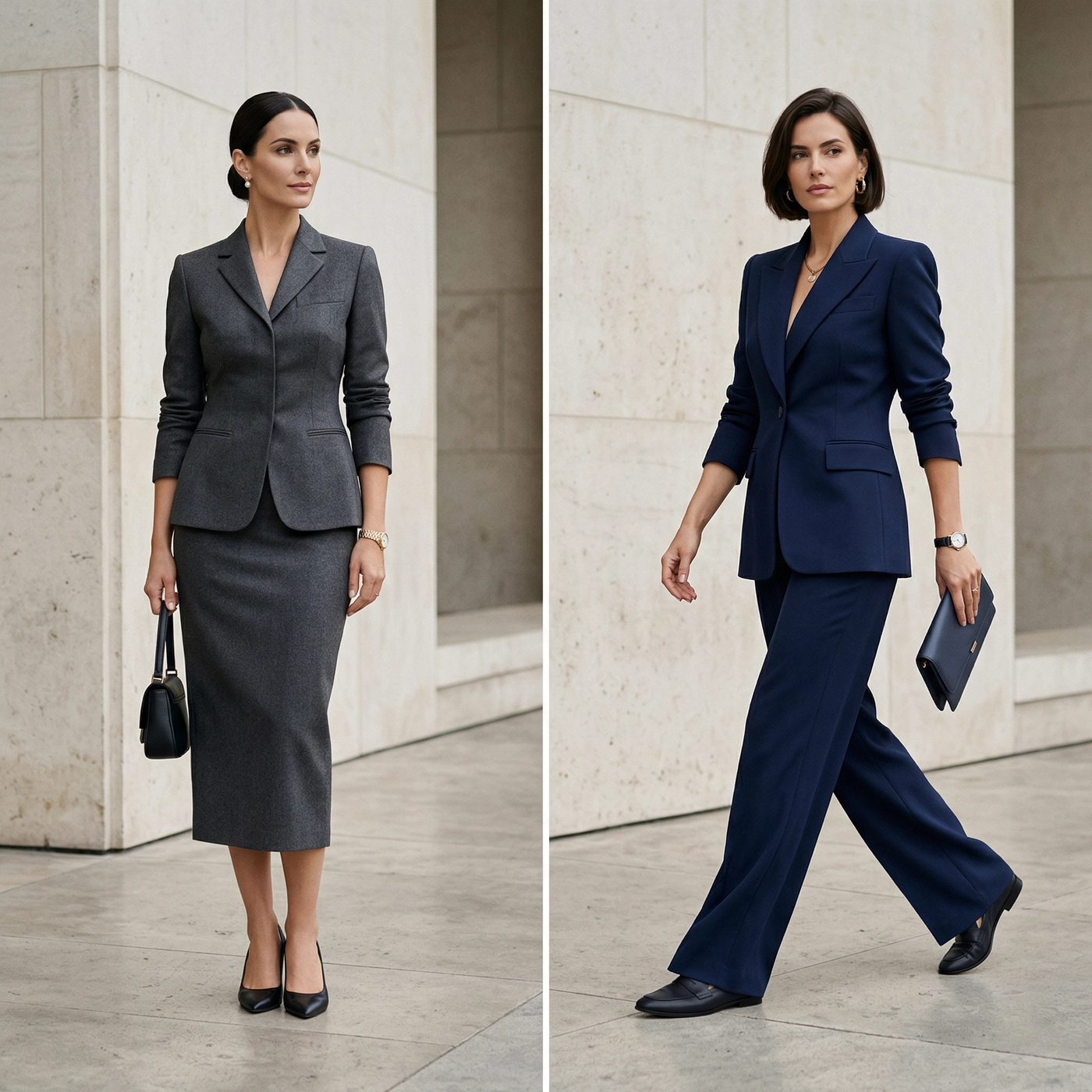
Why Understanding Body Shape is Essential in Bespoke Tailoring

Every body is different – and that’s exactly why body shape matters in bespoke tailoring. It’s not just about taking measurements; it’s about understanding how your body moves, curves, and carries itself. When tailoring begins with body shape, the result isn’t just a better fit – it’s a garment that feels like it was truly made for you.
The Foundation of Fit: Why Body Shape Matters in Bespoke Clothing
In bespoke tailoring, achieving the perfect fit starts long before the first stitch is made, it begins with understanding your body shape.
While measurements like chest, waist, and inseam are essential, they only tell part of the story. Two people can share the same numerical sizes but have completely different body shapes one may have a curved back, rounded shoulders, or prominent hips, while another may have a straighter, more angular frame. This is especially true in women’s tailored suits, where variations in bust, waist-to-hip ratio, or posture can dramatically change how a garment should be shaped.. If a tailor relies solely on measurements without considering body shape, the final garment may technically “fit” but still feel awkward, restrictive, or unflattering.
That’s because body shape affects how fabric drapes and interacts with the body. It determines:
- Where a jacket should taper in to highlight the waist
- How much room to allow across the hips or chest
- The angle of the shoulders and the curve of the back
- How seams and darts are placed to enhance symmetry
Without adapting the garment’s structure to the body’s shape, the piece can distort the wearer’s natural silhouette – causing bunching, pulling, sagging, or an overall sense of imbalance.
In contrast, when body shape becomes the starting point of design, tailoring becomes transformative. It moves beyond function into the realm of expression. The garment works with the body, enhancing strengths and allowing freedom of movement. Whether dressing for formality, comfort, or confidence, the foundation is always the same: knowing the shape you’re dressing.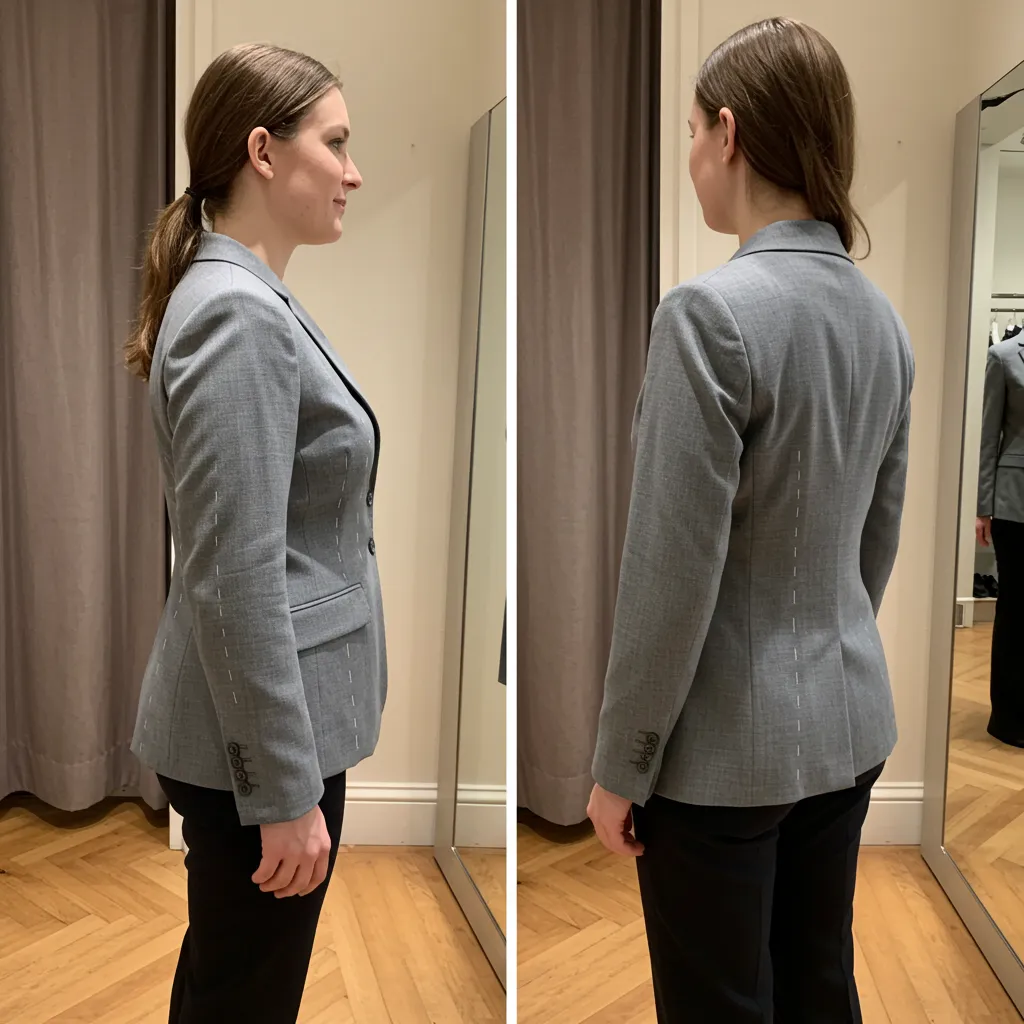
Designing with Shape in Mind: How Tailors Use Body Data
In bespoke tailoring, designing is never just about the garment – it’s about the person inside it. And to design well, a tailor must read the body like a map: where it rises, where it dips, where it moves, and how it rests. This is where body shape becomes not just relevant, but foundational.
When a tailor understands a client’s body shape in full – not just height or waistline, but volume, proportion, posture, and symmetry – the design process becomes more than pattern drafting. It becomes body interpretation. Today, many tailors use 3D body scanning to map body shape with pinpoint accuracy – capturing not just measurements but posture, asymmetry, and how the body carries itself. This allows design decisions to be made not from assumptions, but from a living map of the client’s form – turning tailoring into both a technical and deeply personal process.
Here’s how body data informs design decisions in a modern tailoring process:
- Pattern Adjustments: Tailors don’t use “standard” patterns in bespoke work. They start from scratch or modify a base according to the body’s unique dimensions. For example, someone with fuller hips may need extra shaping in side seams, while someone with sloped shoulders might require the armhole to tilt forward slightly for a cleaner drape.
- Balancing Proportions: If one shoulder is higher than the other (a common asymmetry), the tailor will adjust the jacket length on one side to create visual symmetry. If the client has a longer torso or shorter legs, proportions like pocket height, button stance, and jacket length are shifted to create a more balanced silhouette.
- Respecting Natural Movement: Some bodies carry their weight forward, others to the side. Tailors account for these dynamics to avoid pulling at the back, tension at the sleeve, or stiffness around the collar. It’s about letting the garment move with the body, not against it.
- Contouring Instead of Squeezing: A major difference between tailoring that simply “fits” and tailoring that flats and supports lies in how seams are placed. When body shape is understood clearly, seams can help sculpt and enhance – without forcing the body into a false shape.
In essence, every design decision where to place a dart, how deep to cut a side panel, whether to angle a shoulder pad – is made in dialogue with body shape. This is where true personalization happens: not just in size, but in sensibility.
Tailoring, at its best, isn’t about hiding the body it’s about honoring it. And that process begins the moment a tailor listens closely to what the shape is saying.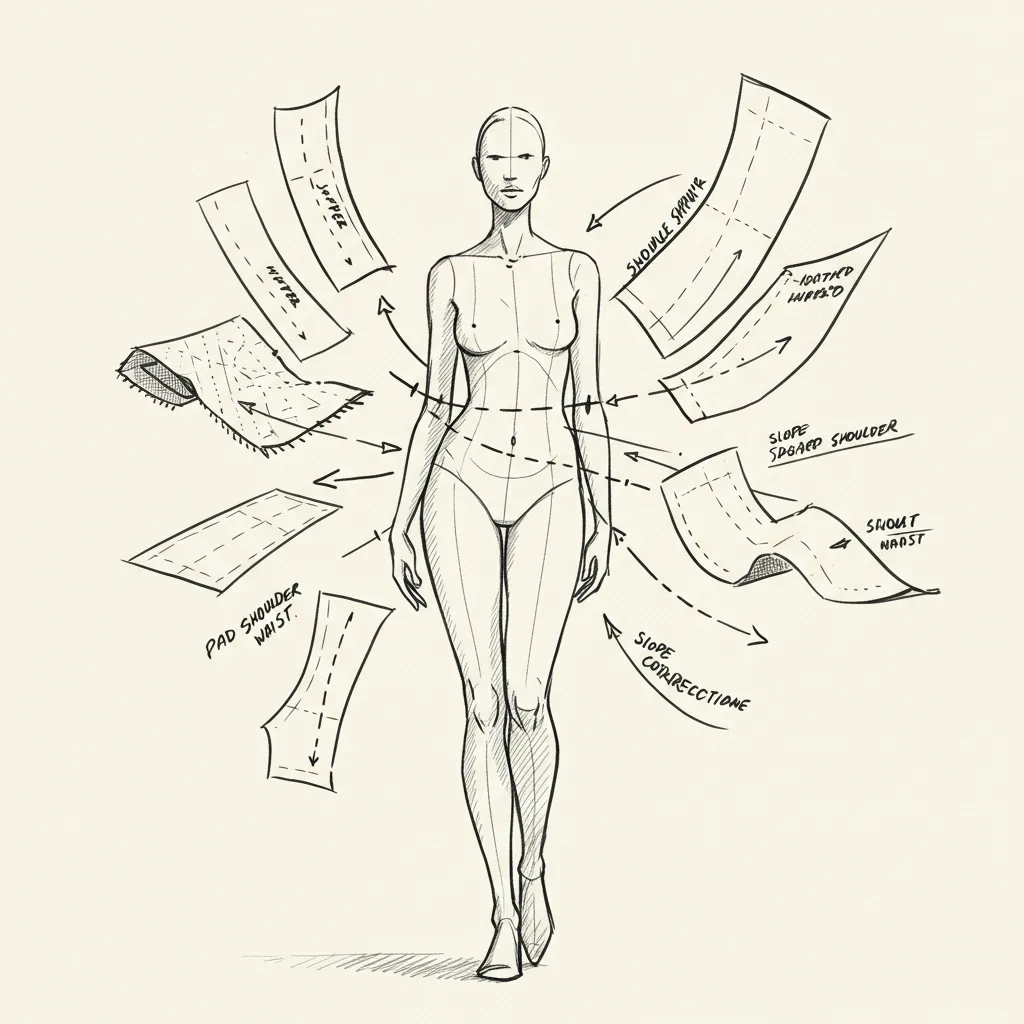
Beyond Measurements: Understanding Contours, Posture, and Balance
Most people assume tailoring is all about numbers – chest 96cm, waist 82cm, sleeve 61cm. But as any skilled tailor will tell you, two bodies with identical measurements can wear the same suit very differently. That’s because the shape of the body – its contours, posture, and balance, tells a far deeper story than raw data ever could.
Let’s break this down:
Contours: The Surface Language of the Body
Contours refer to how the body’s volume is distributed – the way it curves inward or outward. This includes:
- A high or low bust
- A rounded vs. flat back
- Pronounced hips or a straight waistline
- Subtle shifts in the abdomen area
When these contours are ignored, garments often bunch, stretch, or collapse in the wrong places. A well-fitted jacket might still look off if the upper back curve isn’t accounted for, or if the front chest doesn’t align with the bust projection. Precision in contour mapping allows a garment to flow effortlessly over the body, creating both comfort and elegance.
Posture: The Invisible Force That Affects Fit
Posture is how the body holds itself. Even in stillness, posture shapes how fabric falls:
- A forward-leaning neck can make a shirt collar ride up
- Tilted hips can cause trousers to twist subtly
- Rounded shoulders demand forward armhole adjustments
These nuances are often subconscious even unnoticed by the wearer but they radically influence the final silhouette. Tailoring that adapts to posture feels intuitive, while tailoring that ignores it feels stiff, even when “technically correct.”
Balance: Symmetry Is Rare – And That’s Okay
Balance refers to the left–right and front–back equilibrium of the body. While most of us assume we are symmetrical, human bodies naturally have slight imbalances:
- One leg slightly longer than the other
- One shoulder higher
- One foot more externally rotated
Great tailoring accepts these truths, not as flaws, but as structural realities. Adjusting jacket length, sleeve pitch, or trouser hem subtly restores visual harmony – ensuring the garment looks straight even if the body isn’t.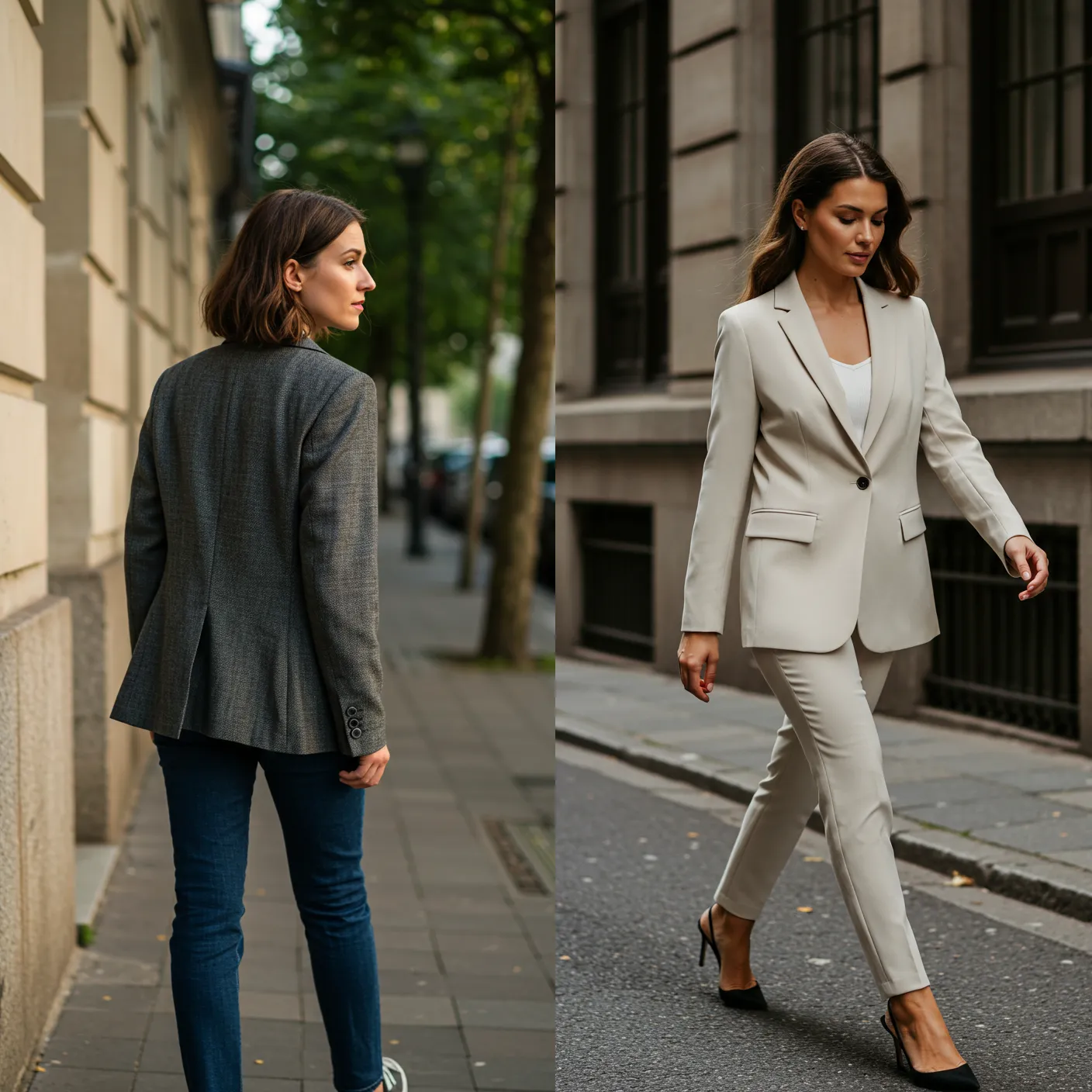
Together, contours, posture, and balance form the subtle architecture of body shape. And when tailoring acknowledges all three – not just raw measurements, it unlocks something deeper: a sense of alignment between the wearer and what they wear.
This isn’t just about looking better in clothes. It’s about feeling at home in them.
Why Personalized Fit Empowers Confidence and Body Positivity
There’s something quietly transformative about wearing a garment that fits you – not just in size, but in shape, stance, and spirit. When tailoring is truly personalized, it doesn’t try to fix or hide the body; it recognizes it, respects it, and works with it. And that recognition can be deeply empowering.
Many people walk into a tailor’s studio with the weight of years spent trying to fit into clothes that were never designed for their bodies. Standardized sizing small, medium, large doesn’t tell the story of a full bust and narrow shoulders, or broad hips with a short torso. Over time, this mismatch can erode confidence, making people feel that their bodies are the problem.
But bespoke tailoring when built on a real understanding of body shape, offers something radically different. It says: Your body is not the issue. The garment simply wasn’t made for you yet.
That shift in narrative matters. Because when people wear clothing that truly fits:
- They stand taller – not because the clothes force them to, but because they feel seen.
- They move freely, knowing their clothing will follow, not resist.
- They stop hiding parts of themselves, because nothing needs to be hidden anymore.
This is where tailoring meets psychology. A personalized fit fosters body positivity, not through slogans or trends, but through quiet validation: “You are worthy of garments that honor you exactly as you are.”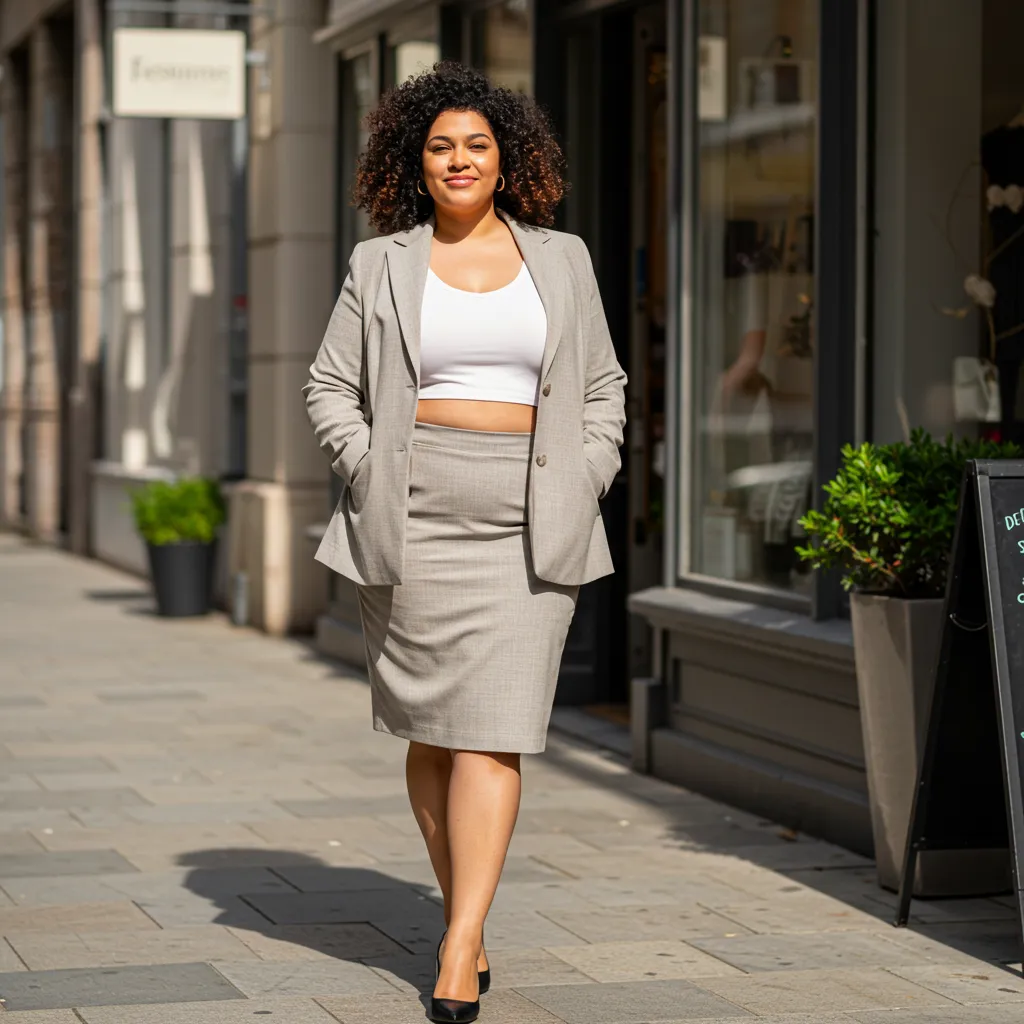
Especially for women whose bodies don’t conform to mainstream sizing whether due to age, pregnancy, natural curves, or simply falling outside ready-to-wear norms, bespoke women’s clothing offers not just a better fit, but a quiet form of recognition. It listens, adapts, and celebrates the body as it is.
In the end, understanding body shape isn’t just a technical tool. It’s a way of seeing people – fully, fairly, and without judgment. And when clothing is designed from that place, it becomes more than fashion. It becomes freedom.
Conclusion: Body Shape Is Not a Problem to Solve – It’s a Story Tailored Into Style
In the world of bespoke tailoring, understanding body shape isn’t just a technical step it’s an act of recognition. It says: You don’t need to change to fit the garment. The garment should be shaped to honor you.
When tailoring is built on that foundation from digital scan to final stitch, the result is more than a perfect fit. It’s comfort without compromise, design without erasure, and confidence that comes not from hiding the body, but from finally being seen in it.
If you’re ready to experience that kind of fit – the kind that listens before it cuts you’ll find it in places that put your body shape at the center of the craft. One of them is Rosie Hong bespoke online store.
DISCOVER PHYIGITAL BESPOKE TAILORING