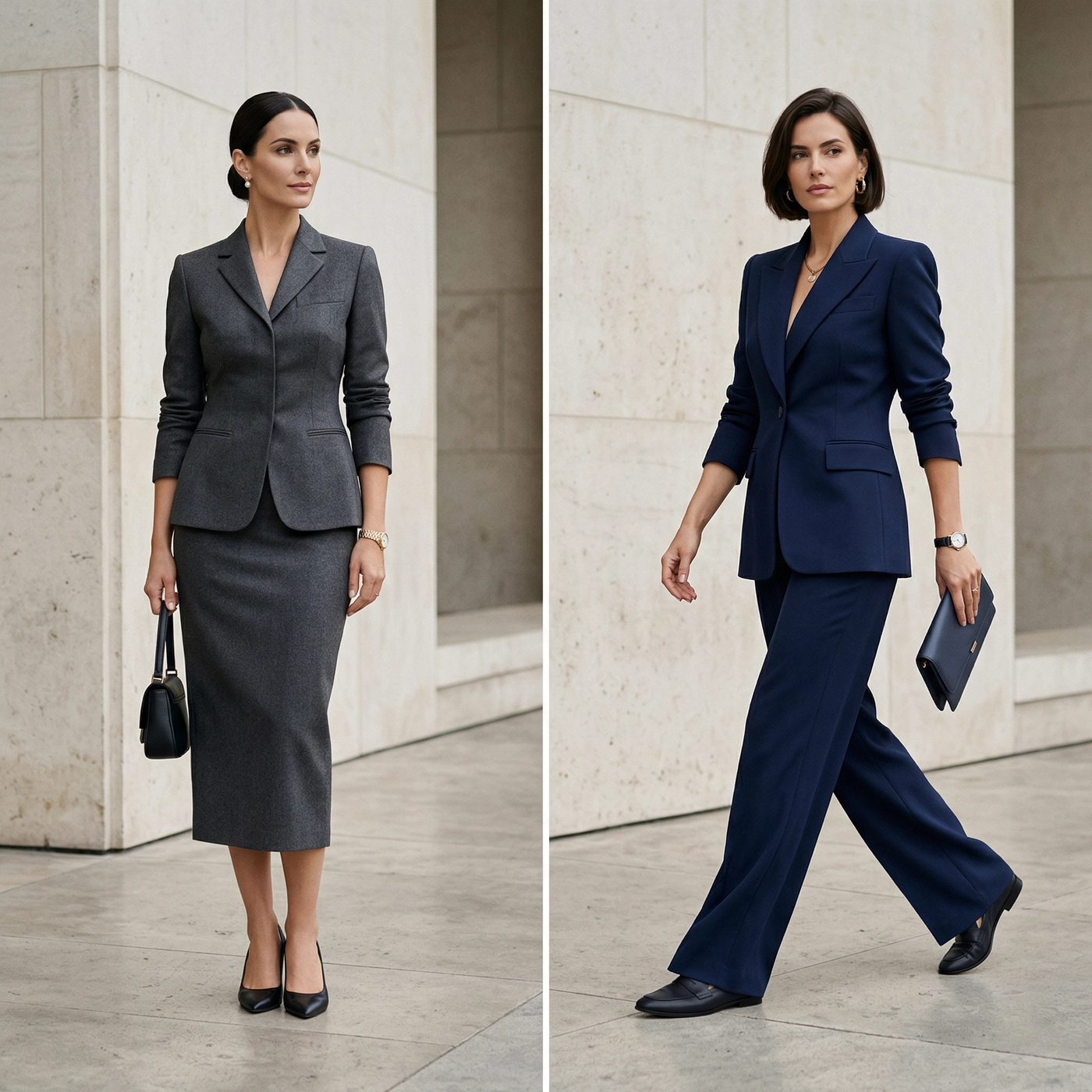
Tailoring Challenges for Special Body Shapes
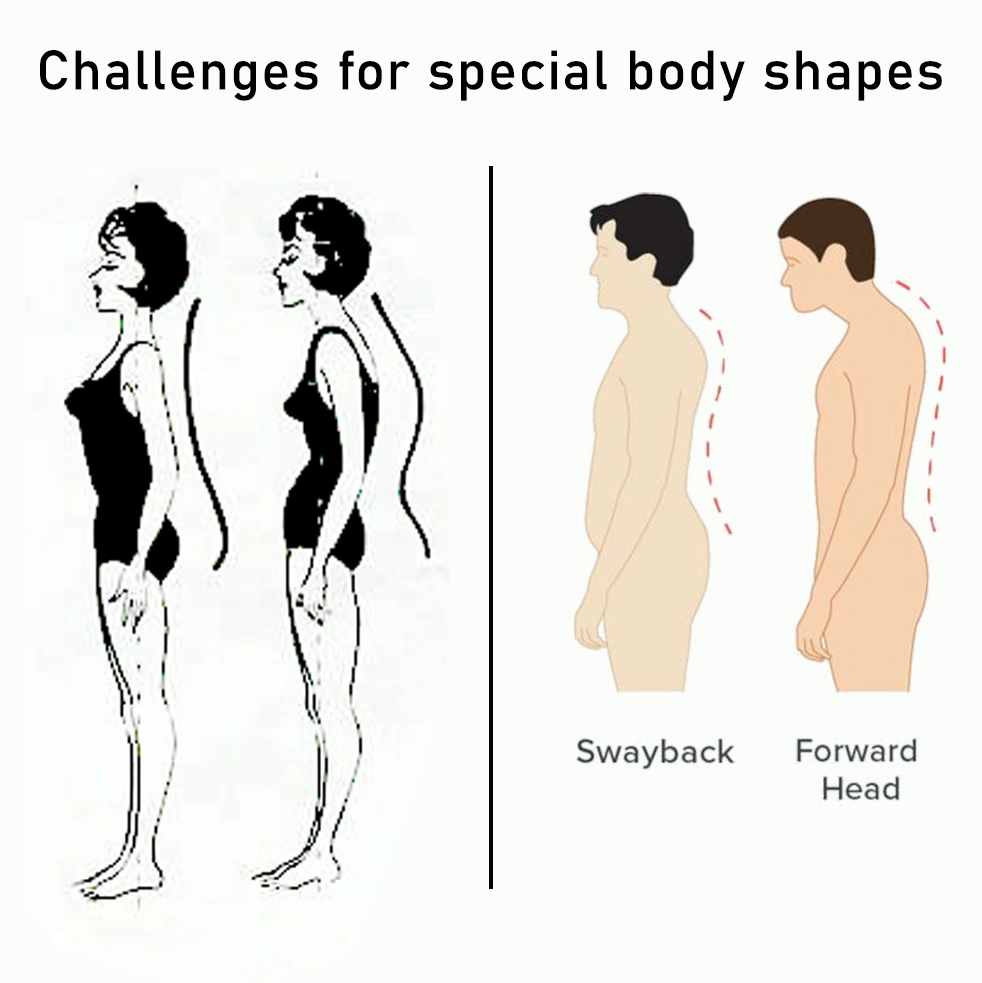
In bespoke tailoring, achieving the perfect fit goes far beyond basic measurements. Every individual carries unique traits, and special body shapes often present challenges that require extra precision and craftsmanship. From subtle asymmetries to posture variations, these complexities demand both technical skill and years of experience. Understanding how special body shapes affect tailoring is the first step to creating garments that balance comfort, elegance, and individuality.
Men’s Special Body Shape and Their Tailoring Challenges
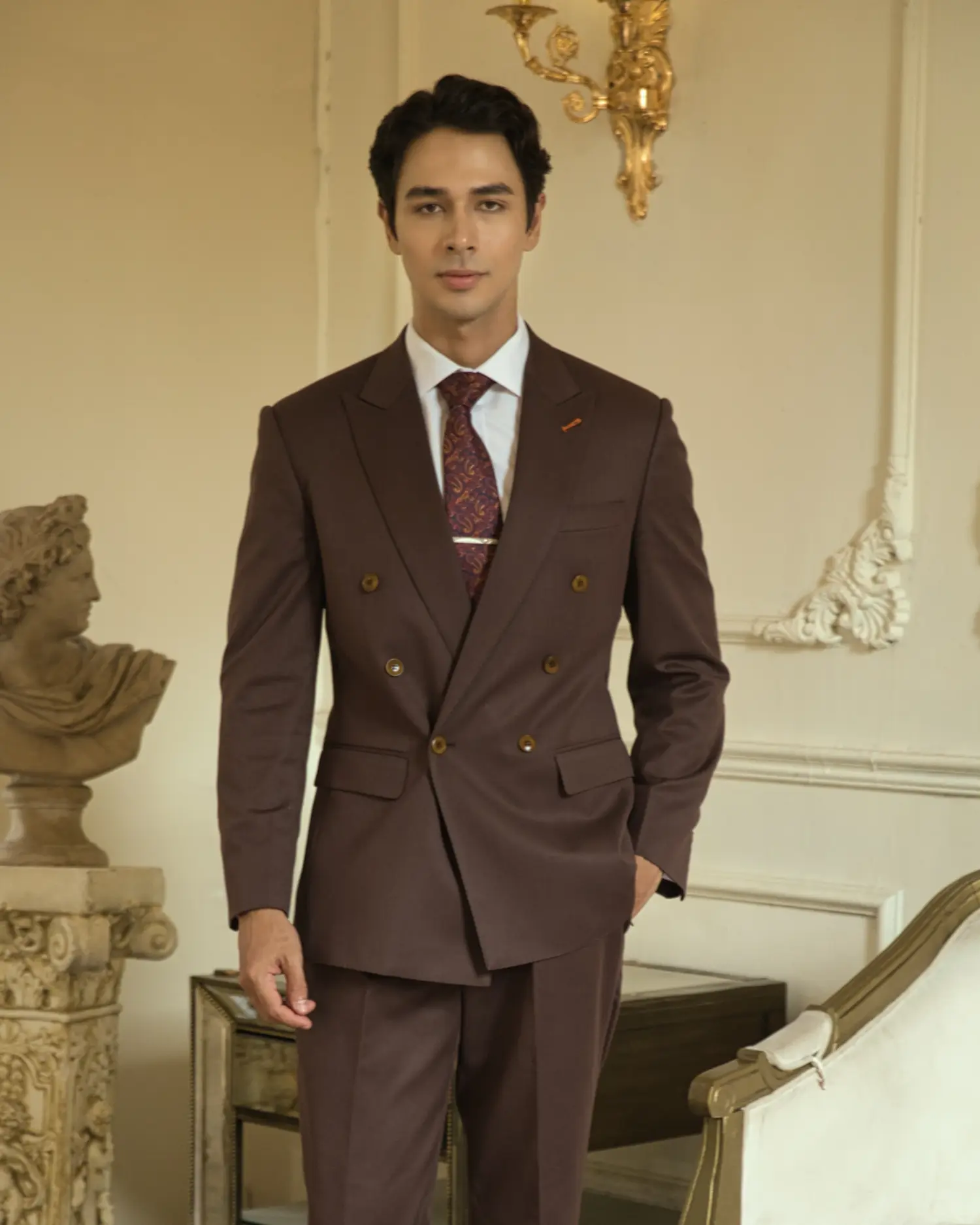
Men’s tailoring often appears straightforward, but in reality, special body shapes expose the limits of standard pattern-making. A suit that looks flawless on one man may distort entirely on another because of subtle differences in posture and build. For experienced tailors, these challenges are not just about fit, but about preserving balance, elegance, and comfort.
- Rounded or Sloping Shoulders: Men with forward or sloping shoulders often struggle with jackets that sag at the neckline and wrinkle across the back. If left uncorrected, the garment appears ill-fitted and ruins the wearer’s posture visually. A skilled tailor must re-engineer the shoulder slope in the paper pattern and often hand-shape the padding, a process that demands both precision and an eye for natural drape.
- Prominent Chest with Narrow Waist: Athletic men commonly face this issue. Off-the-rack jackets tend to fit tightly across the chest yet balloon at the waist, breaking the clean silhouette. Correcting this shape means carefully sculpting the side panels and inserting darts without restricting mobility. This balancing act is where an experienced tailor’s craftsmanship outshines mass production – especially visible in men’s tailored suits designed for athletic builds.
- Flat Seat or Prominent Seat: Trouser fit is among the hardest aspects of men’s tailoring. A flat seat produces loose, sagging folds at the back, while a fuller seat strains seams and distorts pocket lines. Adjusting rise depth, seat allowance, and back seam angles requires advanced cutting techniques – skills only honed through years of tailoring different physiques.
- Stiff or Curved Back: Men with a military-straight posture often find jackets pulling at the front hem, while those with a hunched back suffer from fabric bunching behind the shoulders. These problems cannot be solved with simple alterations. Instead, the tailor must reshape the entire back panel, re-angle armholes, and sometimes alter sleeve pitch – all tasks demanding experience and patience.
These challenges demonstrate that men’s special body shapes cannot be addressed with a “one-pattern-fits-all” approach. Each adjustment is a dialogue between measurement, pattern, and craftsmanship, proving why men’s tailored suits remain unmatched for complex physiques.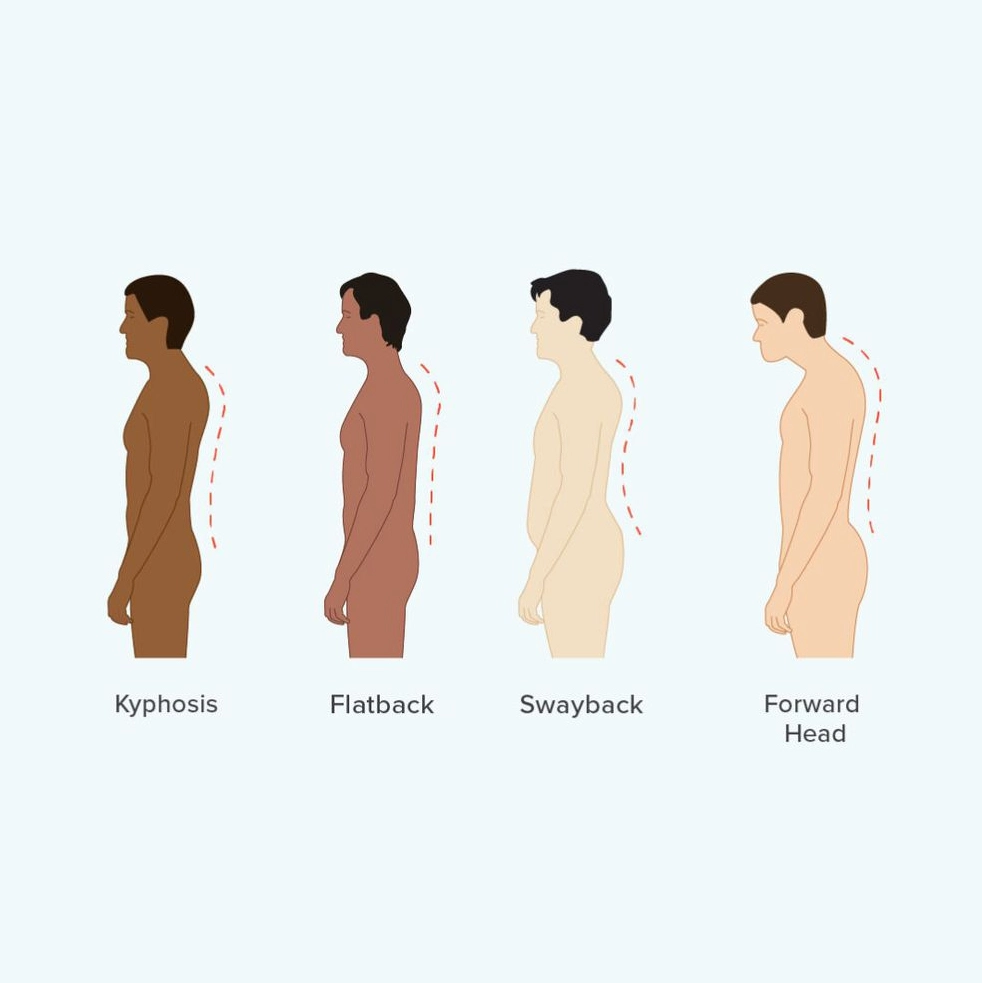
Women’s Special Body Shape and Their Tailoring Impacts
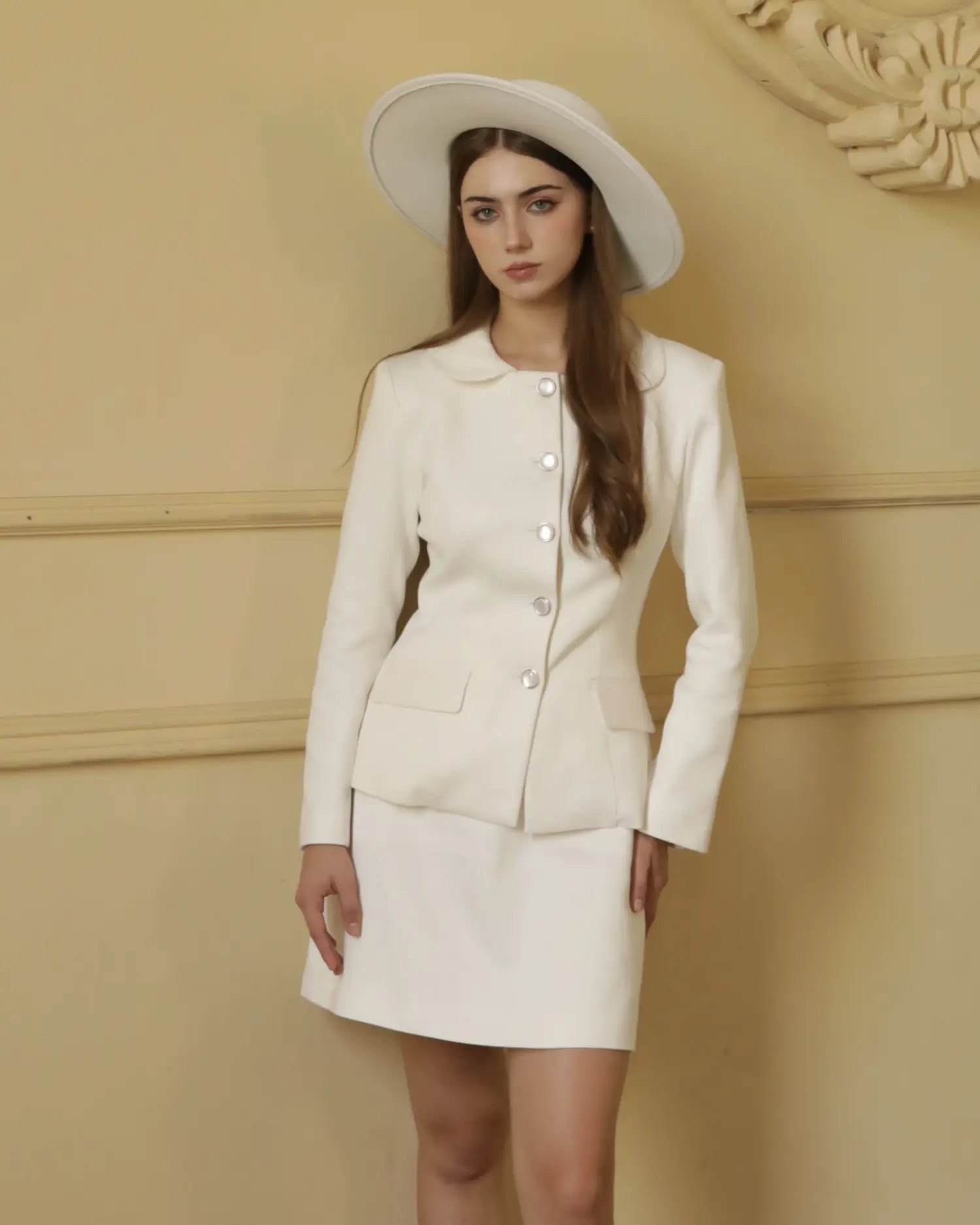
Tailoring for women introduces a unique set of challenges that go far beyond measurements. While men’s garments often emphasize structure and uniformity, women’s clothing must highlight curves, movement, and balance – all while adapting to body shapes that vary widely from one individual to another. Special body shapes in women not only test the technical limits of a tailor but also demand sensitivity, creativity, and an eye for elegance.
- Uneven Shoulders and Tilted Hips: This is one of the most common yet complex challenges. Uneven shoulders can make jackets sit lopsided, while tilted hips often cause skirts to twist or rise unevenly. Unlike men’s tailoring, where shoulder pads may solve part of the problem, women’s silhouettes require subtler adjustments.
-
- Risk if ignored: Even high-end garments can look “cheap” if the imbalance is visible.
- Tailoring solution: Creating an asymmetrical pattern, adjusting each side individually, and carefully rebalancing seam lines so the garment hangs naturally.
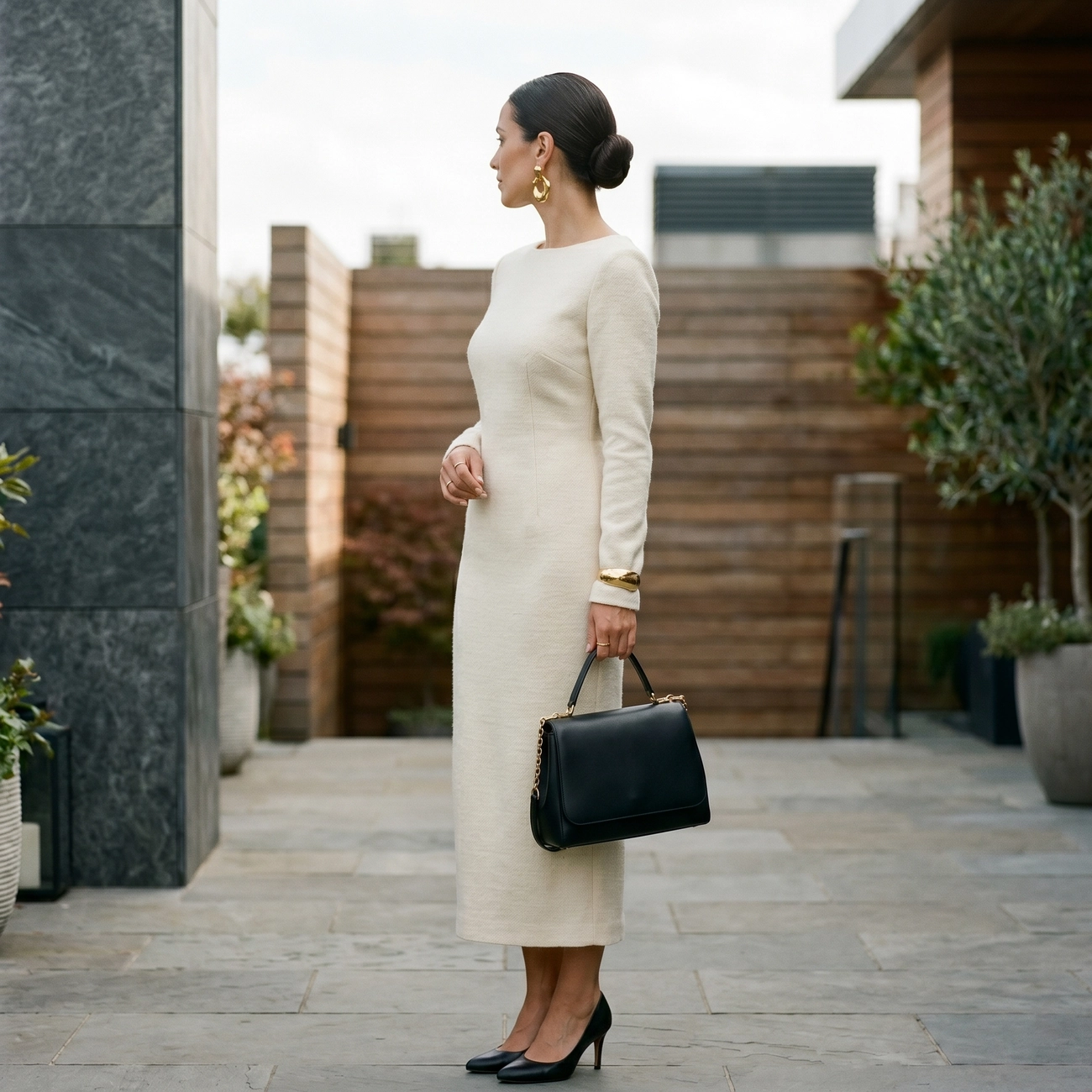
- Sway Back and Curved Spine: A sway back leads to fabric pooling at the waistline, while a curved spine distorts the fall of dresses and blouses. These issues are magnified in fitted evening gowns or office dresses where precision is non-negotiable.
-
- Risk if ignored: The wearer may appear heavier or slouching, even if she maintains perfect posture.
- Tailoring solution: Shortening the back length while reshaping the front panels, ensuring the garment contours naturally without pulling. This is often a trial-and-error process requiring multiple fittings.
- High or Low Bust Position: Unlike chest fit in men’s tailoring, bust position in women drastically affects the balance of garments. A bust that sits higher than average causes pulling near the armholes, while a lower bust disrupts intended seam placements and draping.
-
- Risk if ignored: Dresses and blouses may gape, flatten, or create unintended folds that distract from the design.
- Tailoring solution: Beyond simple dart adjustments, the tailor may need to reposition seam lines or redesign the bust curve entirely. This requires both technical mastery and aesthetic judgment to enhance, rather than conceal, natural curves.
- Knock Knees or Bow Legs: Although often overlooked, leg alignment plays a critical role in how trousers, skirts, and long dresses drape. Knock knees cause inner fabric tension, while bow legs create outward distortion.
-
- Risk if ignored: Trouser creases twist unnaturally, hems look uneven, and skirts lose their flow.
- Tailoring solution: Subtle reshaping of trouser legs, adjusting taper and flare, or curving hems slightly to follow the natural line of the body. These are minute details invisible to the casual eye but essential for elegance.
What makes women’s special body shapes particularly challenging is not just the technical correction, but the need for personalization. A tailor must understand not only anatomy but also style preferences whether the client wants her curves highlighted, softened, or balanced. This balance of science and artistry is what sets bespoke women suit tailoring apart for women.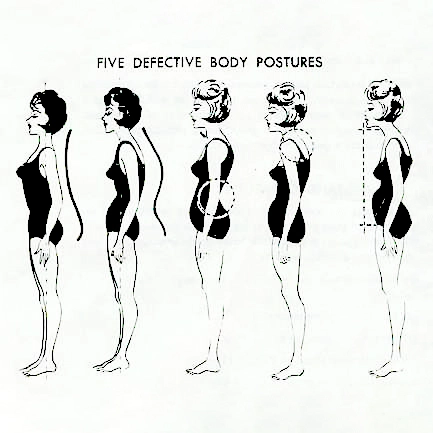
Why Accurate Measurements and Tailor Expertise Are Essential
For clients with a special body shape, precise measurement is not just important, it is critical. Traditional size charts fail to capture the complexity of asymmetry, slopes, and subtle postural differences. This is why bespoke tailoring thrives on both the accuracy of measurement and the expertise of the craftsman interpreting those details.
- The Limits of Standard Measurements: Conventional tailoring often relies on a handful of numbers: chest, waist, hip, sleeve, and inseam. But when a client has rounded shoulders, a sway back, or uneven hips, these numbers lose meaning. Without accounting for angles and posture, garments appear twisted or unbalanced.
Example: Two men may share the same chest measurement, yet one has a broad, forward chest while the other has a flat ribcage. A jacket cut from the same pattern will flatter one but fail on the other.
- Advanced Techniques for Asymmetry: Skilled tailors move beyond simple tape work. They measure each side of the body independently, observe the body’s balance from different angles, and rely on multiple fittings to refine the garment. Their trained eye captures nuances that raw numbers miss, ensuring the final piece harmonizes with the client’s unique shape.
- The Role of 3D Scanning in Modern Bespoke: While expertise remains irreplaceable, technology has become an invaluable ally. 3D body scanning allows tailors to map a client’s shape with remarkable accuracy, capturing posture and asymmetry in real time. Instead of relying on guesswork, tailors can analyze a digital model of the client’s form, making adjustments directly to the pattern before a single cut is made.
Benefit: This speeds up the fitting process and provides a clearer foundation for complex body shapes.
However: Scanning alone is not enough. The data must still be interpreted and refined by a tailor with experience, who understands how fabric behaves on a living, moving body.
Today, many tailoring houses worldwide are beginning to integrate 3D scanning into their process and even move toward offering bespoke services online. RosieHong is part of this new wave – combining advanced body scanning technology with traditional craftsmanship to deliver garments that respect every unique body shape without compromise.
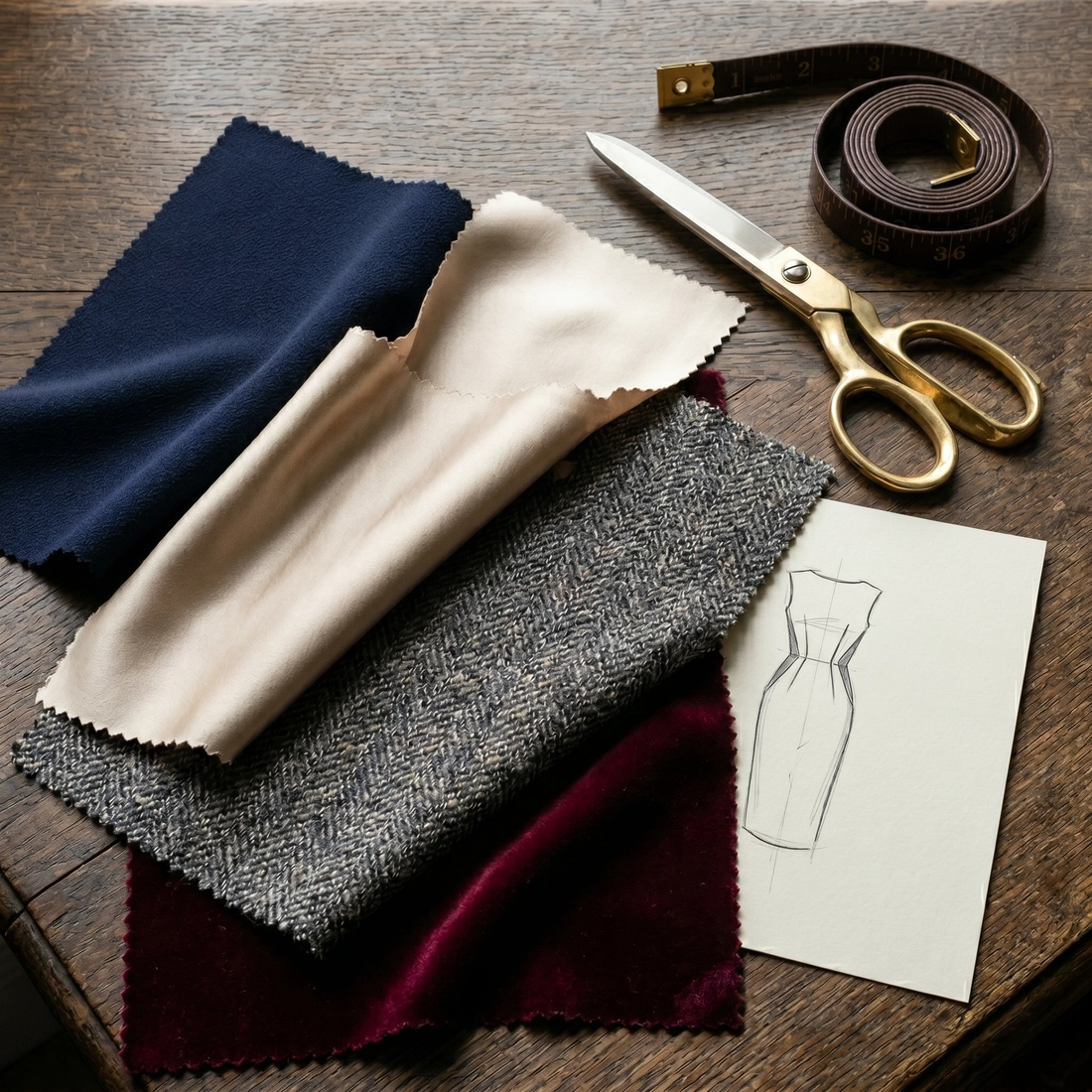
- Fabric and Pattern Choices Matter: Even with perfect numbers and advanced scanning, success still depends on fabric behavior. A stiff wool may emphasize imbalance, while a softer drape can disguise irregularities. Likewise, pattern direction – vertical, diagonal, or curved can enhance or diminish certain features. An expert tailor not only measures but also advises, guiding the client toward the most flattering result.
In short, 3D scanning enhances accuracy, but craftsmanship gives it meaning. Numbers and digital models provide a foundation, yet only the skill of an experienced tailor can transform them into garments that fit, flatter, and empower every special body shape.
Bespoke Tailoring: The Best Solution for Special Body Shapes
When it comes to special body shapes, no ready-to-wear solution can compete with bespoke tailoring. Unlike mass production, which forces every individual into rigid size categories, bespoke begins with the client’s body and builds the garment around it. This reversal of approach is what makes it uniquely powerful for those whose shapes fall outside the so-called “standard.”
- Custom Patterns for Complex Body Shapes: Every special body shape whether sloping shoulders, tilted hips, or a sway back – requires adjustments at the pattern stage. Bespoke tailoring creates entirely new patterns for each client, allowing the garment to follow their natural lines instead of fighting against them. This not only ensures comfort but also enhances elegance by restoring balance and symmetry.
- Blending Tradition with Innovation: What sets modern bespoke tailoring apart is the harmony between traditional craftsmanship and advanced technology. With 3D body scanning, measurements become far more precise, capturing even the smallest details of posture and asymmetry. This allows skilled tailors to view a clear digital model of the client’s body, making it easier to identify challenges and correct imperfections at the pattern stage. The result is a garment that combines scientific accuracy with the artistry of bespoke design – perfectly fitted, beautifully balanced, and truly respectful of every special body shape.

Conclusion: Precision and Craftsmanship for Every Special Body Shape
Bespoke tailoring proves that no body is “difficult” — only unique. With precise 3D body scanning and the expertise of skilled tailors, every special body shape can be measured, understood, and dressed with elegance. The fusion of technology and craftsmanship ensures garments that not only fit flawlessly but also restore confidence and celebrate individuality. In the tailor shop, bespoke tailoring shows that precision is more than numbers – it is respect for the wearer and the artistry of true customization.
DISCOVER PHYIGITAL BESPOKE TAILORING