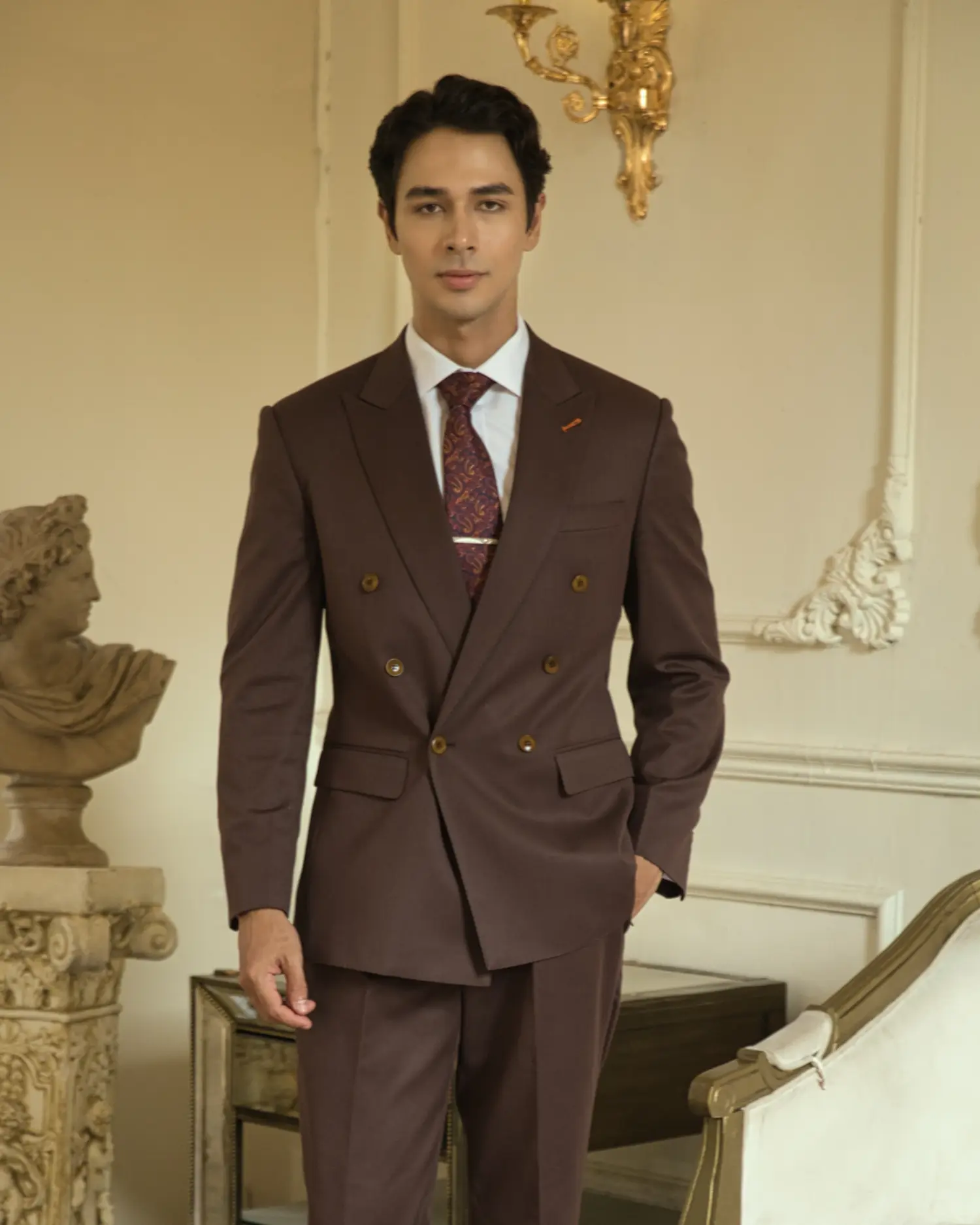
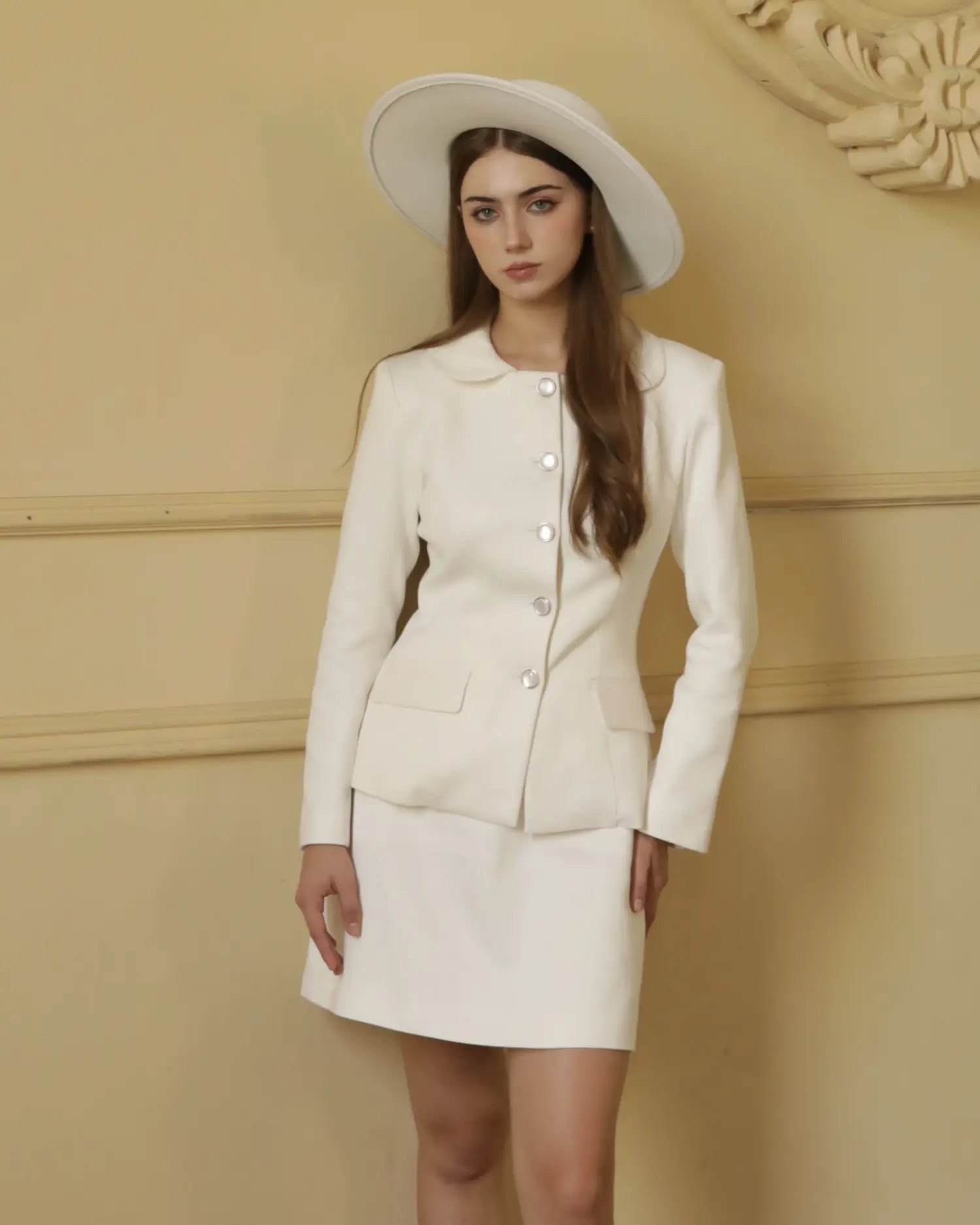
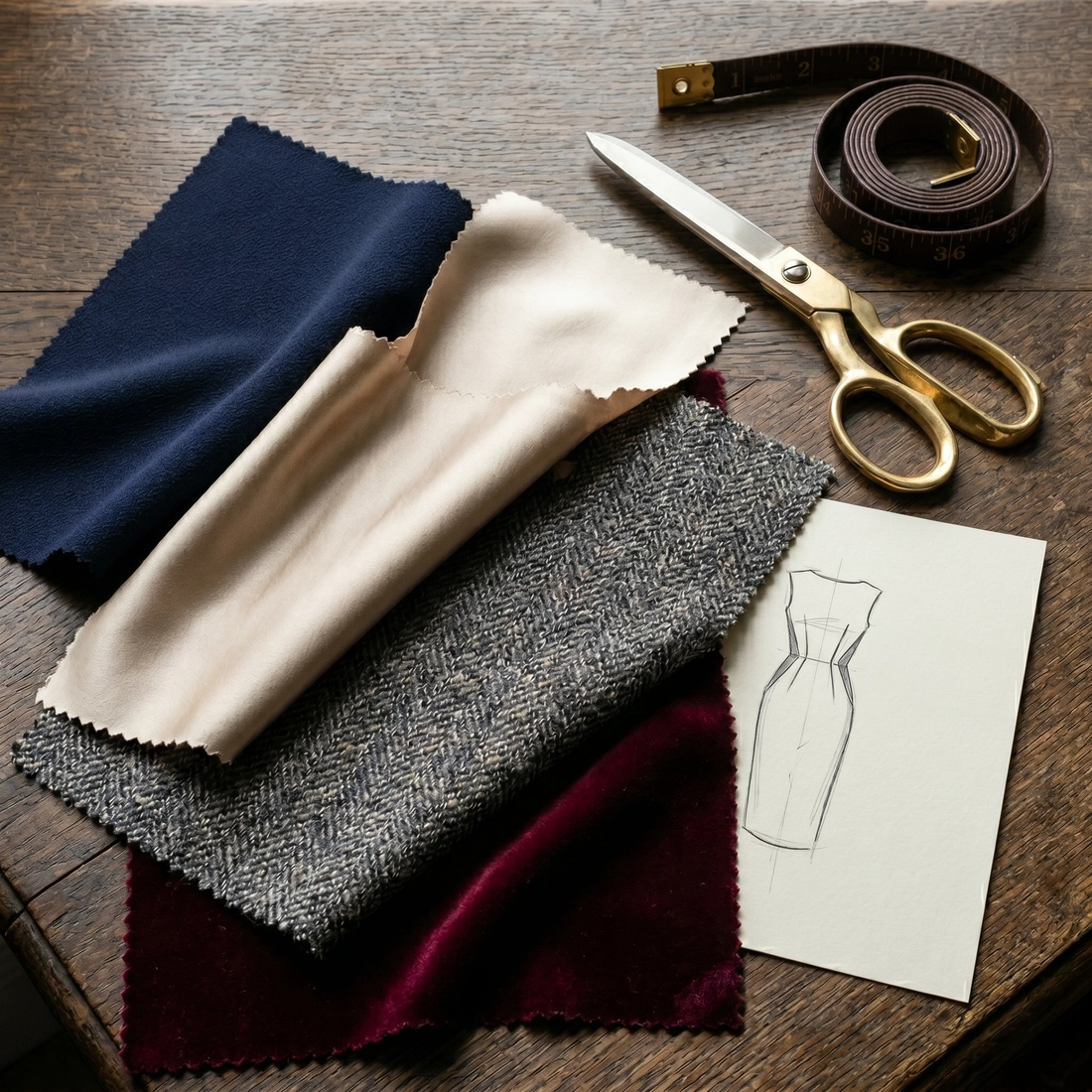
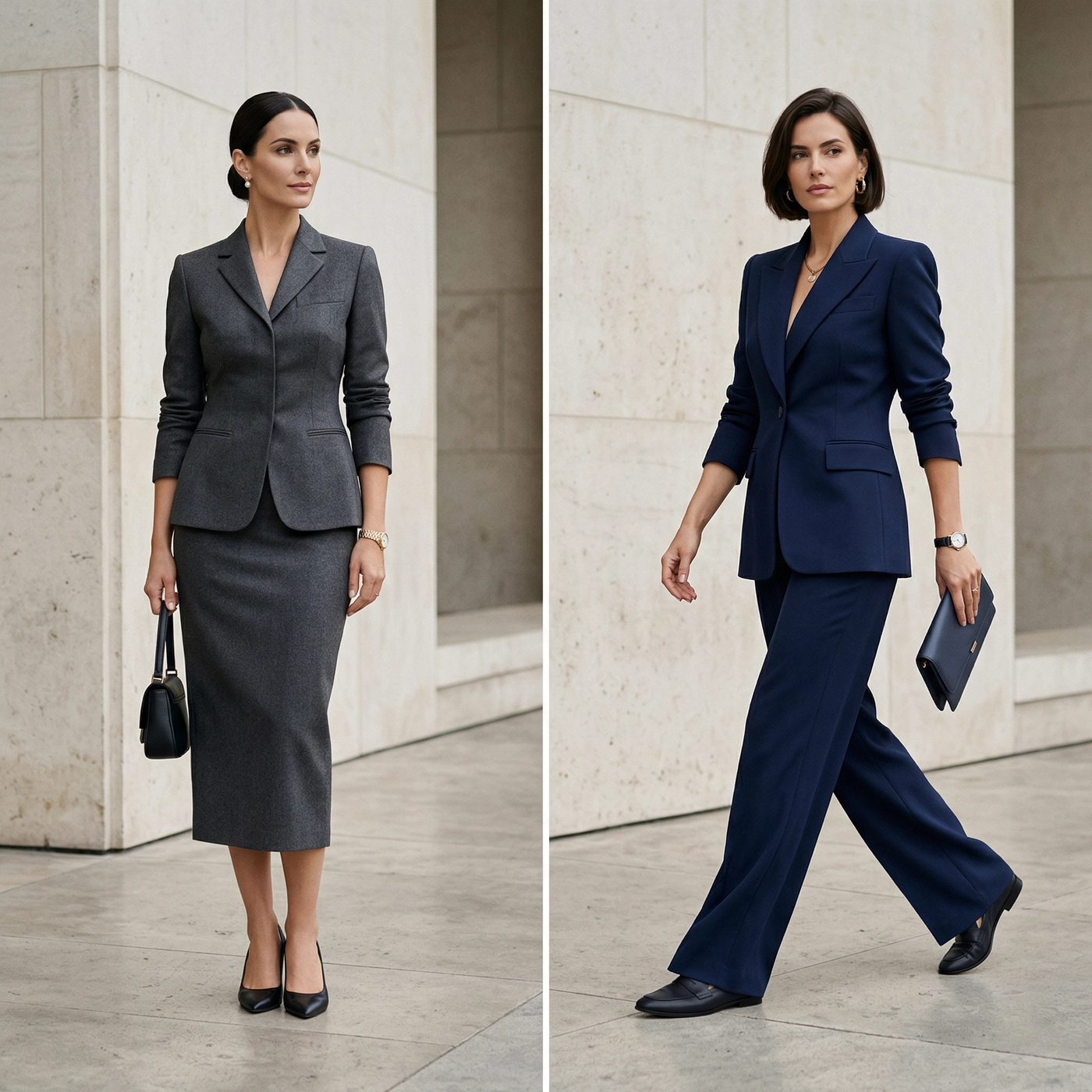
The Differences Between Ready-to-Wear, Made-to-Measure, and Bespoke
Ready-to-wear, made-to-measure, and bespoke represent three very different approaches to how clothing is created and choosing between them has a real impact on comfort, fit, sustainability, and how well a garment supports your lifestyle. Each method offers its own level of quality and personalization, from mass-produced convenience to fully handcrafted individuality. Understanding these distinctions is the key to discovering which option truly suits your life, your needs, and the way you want to present yourself.
Understanding the Three Tailoring Methods
Before choosing which tailoring method suits your life best, it’s essential to understand that ready-to-wear, made-to-measure, and bespoke are not simply different price points, they are fundamentally different systems of design, production, and personalization. Each method affects how the garment fits, how long it lasts, and how meaningfully it reflects the wearer.
Ready-to-Wear (RTW): Mass-Produced Convenience
Definition – What RTW truly is:
Ready-to-wear is the most standardized form of clothing production. Garments are designed using pre-set size blocks (S, M, L, etc.) that represent statistical averages rather than real human proportions. Once the patterns are finalized, factories produce thousands to millions of identical pieces at high speed using industrial machinery.
Because the pattern is never drafted for a specific person, RTW garments follow generic measurements that cannot account for posture, shoulder pitch, muscle distribution, stance, or asymmetry. The priority is efficiency, trend cycles, and low production cost – not longevity or individual accuracy. This makes RTW widely accessible but inherently limited in fit, construction quality, and personal relevance.
Strengths
- Fast and Convenient: RTW allows consumers to purchase and wear a garment immediately without waiting for fittings or tailoring.
- Affordable Price Point: Because RTW is mass-produced, the cost per garment is significantly lower compared to MTM or bespoke.
- Wide Variety of Styles: Frequent seasonal collections offer many choices, appealing to shoppers who prefer trend-driven fashion.
Limitations
- Poor fit due to standard sizing: RTW follows fixed measurements that ignore differences in posture, shoulder slopes, body asymmetry, or muscle distribution. This is why RTW often looks “passable” but rarely looks sharp or naturally balanced on the body.
- Short lifespan: Many RTW garments use fused construction, inexpensive interlinings, and synthetic fabrics that degrade quickly – leading to a much shorter lifecycle.
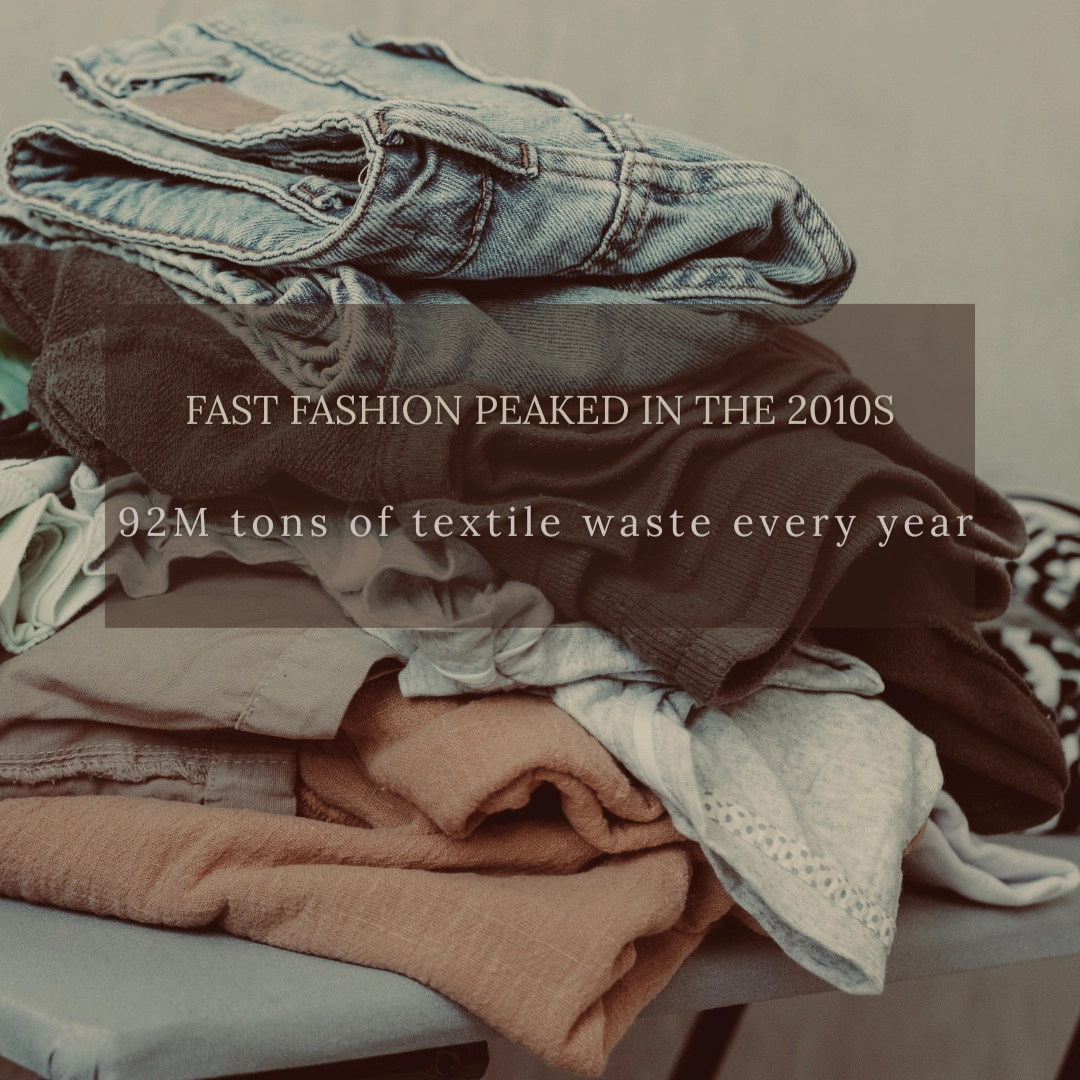
- Environmental impact – significantly harmful: RTW is the leading contributor to fashion waste. Each year, the industry generates over 92 million tons of textile waste, and an enormous portion comes from overproduction and unsold inventory that ends up incinerated or in landfills.
- No personalization: Designs, fabrics, and proportions cannot be adjusted. The wearer must adapt to the garment rather than the garment adapting to the wearer.
Made-to-Measure (MTM): Semi-Custom Fit
Definition – What MTM truly is:
Made-to-measure begins with a pre-existing base pattern (block pattern), originally designed for a hypothetical “average body.” Instead of drafting a new pattern, the tailor modifies this block by adjusting numerical measurements – usually chest, waist, hips, sleeve length, and jacket length.
Although MTM improves fit compared to RTW, the underlying architecture – shoulder width, armhole position, posture balance, and structure cannot be redesigned. Most MTM systems rely heavily on machine production, with limited handwork and standardized internal construction. This method offers better accuracy than RTW but cannot fully adapt to unique body mechanics, lifestyle needs, or cultural preferences. MTM is essentially a refined, modified version of mass production – not true custom tailoring.
Strengths
- Better fit than RTW: The pattern is adjusted in key measurement areas, reducing the most common issues seen in RTW, such as boxiness or tightness.
- Moderate customization: Clients can choose fabrics, buttons, linings, and certain design preferences, giving the garment some personal character.
- Balanced cost-to-quality: It provides a reasonable upgrade in fit without the full investment of bespoke.
Limitations
- Pattern limitations still exist: Since MTM relies on a pre-existing template, it cannot address posture variations, uneven shoulders, curved spines, or other complex anatomical features. The fit is improved, but never entirely accurate.
- Lower personalization: MTM garments cannot be shaped around lifestyle habits, movement patterns, or cultural preferences – personalization is limited mostly to aesthetic choices.
- Short-to-medium lifespan: While generally better than RTW, MTM still uses machine-dominant construction that limits durability.
- “Almost right” fit: Many MTM garments look good at first glance, but still lack the natural balance and harmony achieved through bespoke, because the underlying architecture is not uniquely drafted.
If you want to explore how MTM varies across brands and platforms, our guide to the best online made-to-measure tailors provides a clear overview of how different companies interpret and execute this semi-custom method.
Bespoke: Fully Personalized Craftsmanship
Definition – What bespoke truly is:
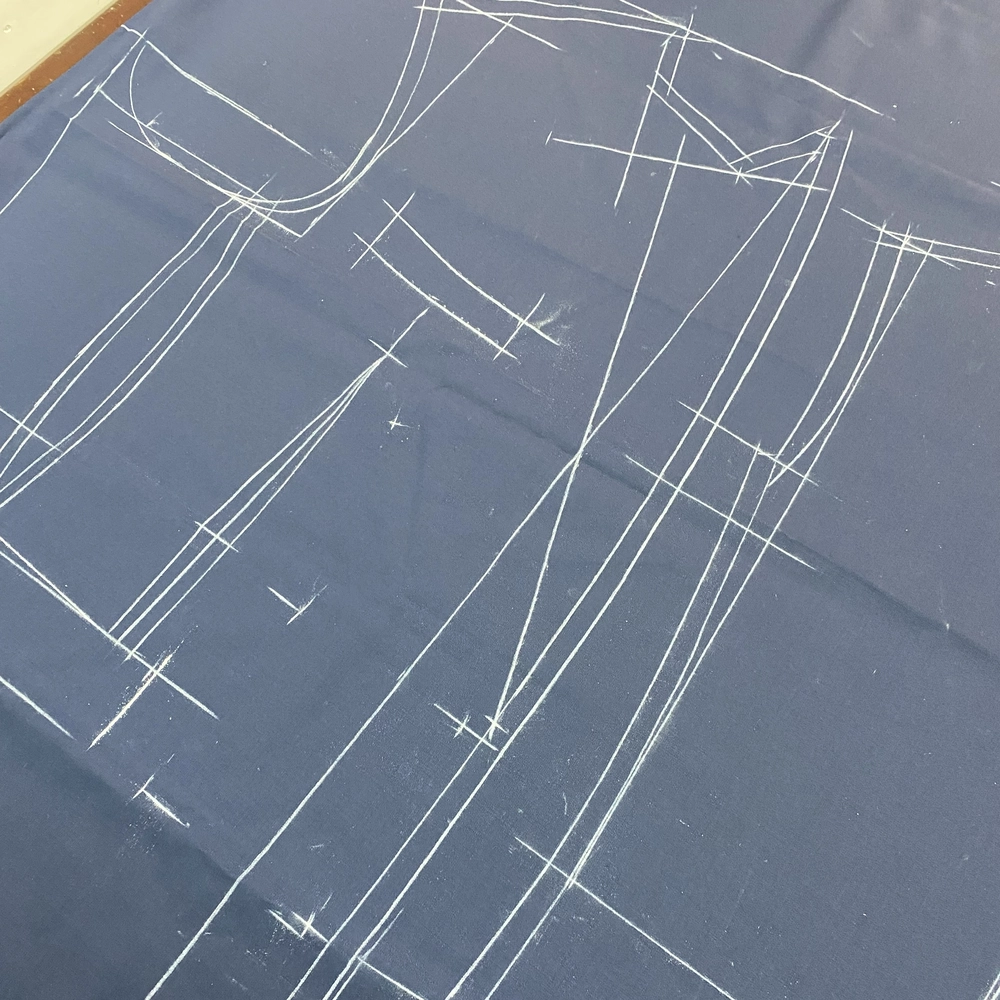
Bespoke is the highest and purest form of tailoring, defined by a pattern drafted entirely from scratch for one client and one client only. The tailor begins by studying the wearer’s body in detail: posture, shoulder angle, stance, balance points, arm rotation, movement habits, and aesthetic preferences. Using this information, the tailor creates a unique paper pattern built specifically around the client’s anatomy and lifestyle.
Construction is predominantly hand-made, with natural canvases, hand-padding, shaping, and multiple fittings (baste, forward fitting, final fitting). Bespoke tailored suits evolve through each fitting as the tailor adjusts structure and shape with millimeter precision. The process prioritizes harmony between body and garment – resulting in a level of comfort, balance, and longevity no machine-based or template-based system can replicate. Bespoke is not semi-custom; it is fully original engineering from the inside out.
Strengths
- Unmatched fit and comfort: Tailors study the wearer’s posture, shoulder angle, stance, muscle balance, and movement habits to create a pattern that feels natural, stable, and harmonized with the body.
- Total personalization: Every decision – fabric, structure, silhouette, pockets, buttons, lapels is shaped around the client’s identity, cultural preferences, and lifestyle needs.
- Exceptional durability: Hand-sewn canvassing and high-quality materials allow bespoke garments to last 10–20 years or more, with the ability to be repaired and reshaped over time.
- Lifestyle alignment: The garment can be engineered for specific climates, travel frequency, professional roles, or ceremonial purposes, making it highly functional and versatile.
Limitations
- Higher cost: Reflecting hundreds of hours of skilled craftsmanship and premium materials.
- Longer production time: True bespoke requires patience – fittings, adjustments, and refinement.
- Traditional bespoke can feel intimidating: Many clients feel uneasy in traditional tailoring environments or during in-person measurement sessions – though modern online bespoke models are working to remove this barrier.
For readers interested in how bespoke is interpreted by world-class ateliers, our review of the top bespoke tailoring brands highlights the craftsmanship standards and stylistic philosophies that define the global bespoke landscape.
| Criteria | Ready-to-Wear (RTW) | Made-to-Measure (MTM) | Bespoke |
|---|---|---|---|
| Fit | Standardized, inconsistent | Improved but template-limited | Exceptionally precise |
| Customization | None | Moderate | Full, from pattern to details |
| Experience | Fast and impersonal | Semi-personal | Highly personal, handcrafted |
| Durability | Lowest | Moderate | Highest |
| Sustainability | High waste, overproduction | Better but still limited | Most sustainable (long lifespan, minimal waste) |
| Cost | Lowest | Mid-range | Premium |
| Best For | Convenience & trends | Better customization | Long-term value & true personalization |
Which One Truly Fits Your Life? A Deeper Lifestyle Analysis
Understanding the technical differences between RTW, MTM, and bespoke is only the first step. The real question and the core of this article is how each option aligns with the way you actually live. Clothing is not just about measurements; it is about sustainability, identity, lifestyle demands, and long-term value. This section bridges the gap between tailoring methods and real-world usage, revealing why certain approaches naturally fall short while others evolve with your needs.
The Limitations of Ready-to-Wear
RTW is designed for mass consumption, and that mass-production mindset affects every part of the garment’s lifecycle:
- Mass production → waste & pollution: RTW relies on overproduction. Factories manufacture millions of garments each season, expecting only a portion to sell. The remainder is often destroyed, discarded, or left to accumulate in landfills – accelerating global textile waste and environmental strain.
- Short lifespan: Because RTW uses fused interlinings and cost-cut materials, garments lose structure quickly. Jackets bubble, trousers warp, and fabrics pill – leaving a short window of wear before replacement becomes inevitable.
- Averaged fit that rarely aligns with individual lifestyles: A standardized size cannot adapt to your posture, daily movement, climate, or professional demands. Whether you sit at a desk all day, travel frequently, work in formal settings, or attend events, RTW garments seldom support the nuances of personal lifestyle.
RTW may serve convenience, but it often fails to support longevity, sustainability, and personal expression.
The Middle Ground of Made-to-Measure
MTM improves fit and offers a more refined experience compared to RTW, but lifestyle-wise, its limitations remain clear:
- Better fit, but still structurally limited: Because MTM is built on an existing block, the garment cannot adapt to posture differences, shoulder imbalance, or body dynamics. It feels “better,” but rarely feels truly natural or balanced.
- Shorter lifespan due to limited personalization: When a garment isn’t crafted around movement, climate, and daily habits, it wears down faster. MTM offers upgraded materials, yet still lacks the internal handwork that gives bespoke garments decades of usability.
- Cannot express deeper identity or lifestyle needs: MTM personalization is mostly aesthetic – fabrics, buttons, linings. What it cannot do is shape the garment around cultural influences, working habits, ceremonial needs, or individual expression. For many, MTM feels like “almost right,” but not quite personal.
MTM serves as a bridge, but it does not fully solve lifestyle alignment.
Why Bespoke Aligns With Modern Lifestyles
Today’s lifestyle is more diverse than ever – global, fast-paced, multi-contextual. Modern professionals attend board meetings, travel frequently, navigate climate changes, and express cultural identity in subtle ways. Bespoke responds to this complexity in ways MTM and RTW cannot.
- Personalization that adapts to every need: A bespoke pattern is drafted around how you stand, walk, travel, work, and interact. Whether you need freedom of movement, climate-adapted fabrics, or culturally specific silhouettes, the garment is engineered for your life, not a template. Bespoke also respects cultural nuances – whether someone needs modest silhouettes, region-specific formality, or traditional design cues, bespoke adapts without compromising identity.
- Longevity → sustainability: With hand-stitched canvasing, high-grade materials, and repairable construction, bespoke garments last 10–20 years or more. This reduces waste and supports mindful consumption, making bespoke one of the most sustainable clothing approaches today.
- Versatility across settings: A bespoke suit can be structured for corporate formality, softened for travel, adapted for ceremonies, or styled for cultural expression. One garment can serve multiple contexts, an advantage RTW and MTM cannot match.
This is why many people searching for “bespoke suits near me” eventually discover that bespoke isn’t a luxury – it’s a long-term, lifestyle investment.
Why Bespoke Is Becoming More Accessible Today
Despite its advantages, traditional bespoke was historically intimidating, slow, and geographically restricted. But modern innovations, especially authentic online bespoke workflows are transforming the experience into something far more approachable, efficient, and inclusive.
- 3D body scanning improves accuracy and removes awkwardness: Clients can now capture detailed posture and measurement data digitally, removing the discomfort of manual measuring and reducing the need for repeated in-store fittings.
- Online bespoke eliminates the “tailor shop barrier”: While many luxury brands advertise “online services,” most only offer appointment booking. True online bespoke platforms function as a real bespoke online shop, where clients can design their garment, submit 3D body data, and manage fittings remotely – making the entire experience accessible regardless of location.
- Brands like Rosie Hong are redefining accessibility: Unlike traditional tailors or brands that merely schedule consultations online, Rosie Hong integrates full 3D body scanning, digital pattern creation, and remote bespoke workflows. This approach makes the bespoke experience far easier to access, removing the intimidation of in-store fittings while maintaining authentic craftsmanship.
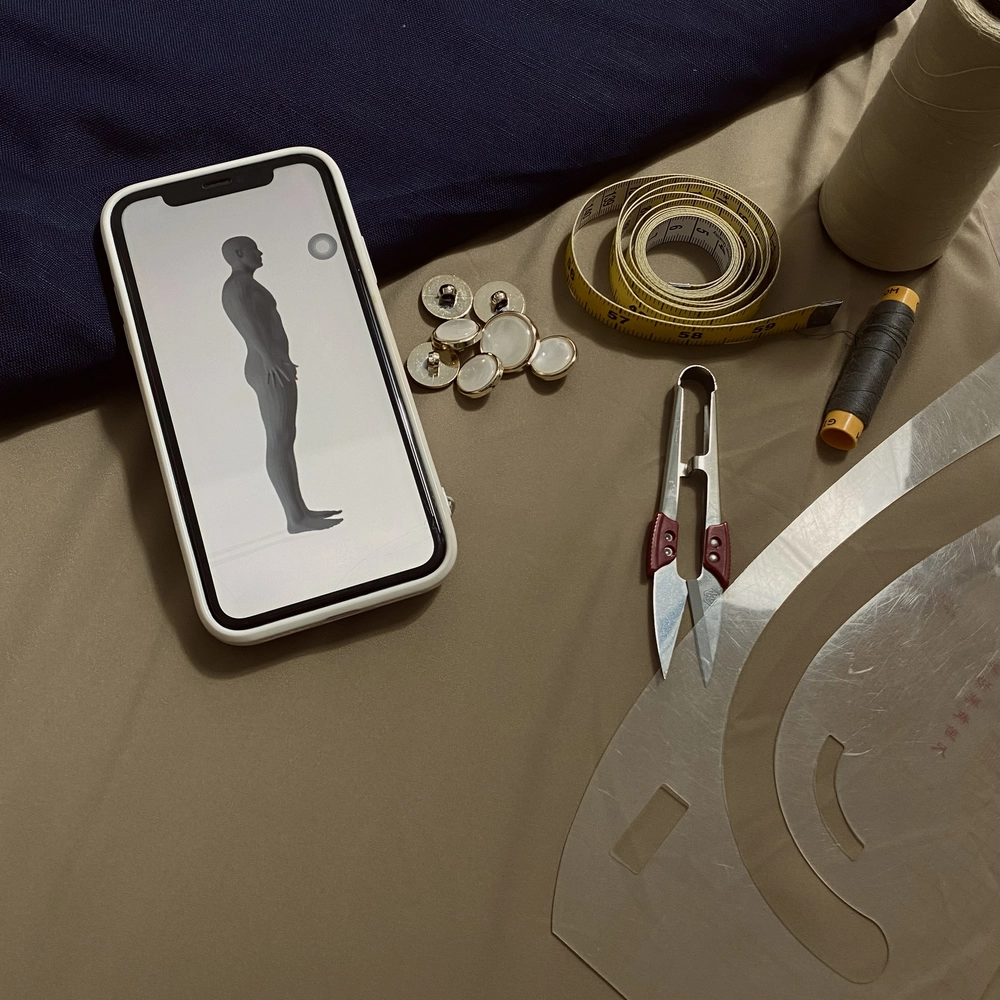
With all these factors combined, bespoke has evolved from an exclusive craft into a modern, technology-enhanced solution that finally meets real lifestyle demands.
Conclusion: Your Perfect Fit Comes From Understanding Your Needs
Choosing between ready-to-wear, made-to-measure, and bespoke is ultimately about understanding what you value most convenience, improvement, or true personalization. RTW offers speed but rarely longevity; MTM provides refinement but still falls short of expressing identity; and bespoke delivers the only solution shaped around your lifestyle, posture, culture, and long-term needs. In a modern world where technology continues to advance and where sustainability, individuality, and thoughtful consumption matter more than ever – bespoke stands out not as a luxury, but as a responsible, future-proof approach to dressing, one that evolves with you and endures far beyond seasonal trends.
DISCOVER PHYIGITAL BESPOKE TAILORING