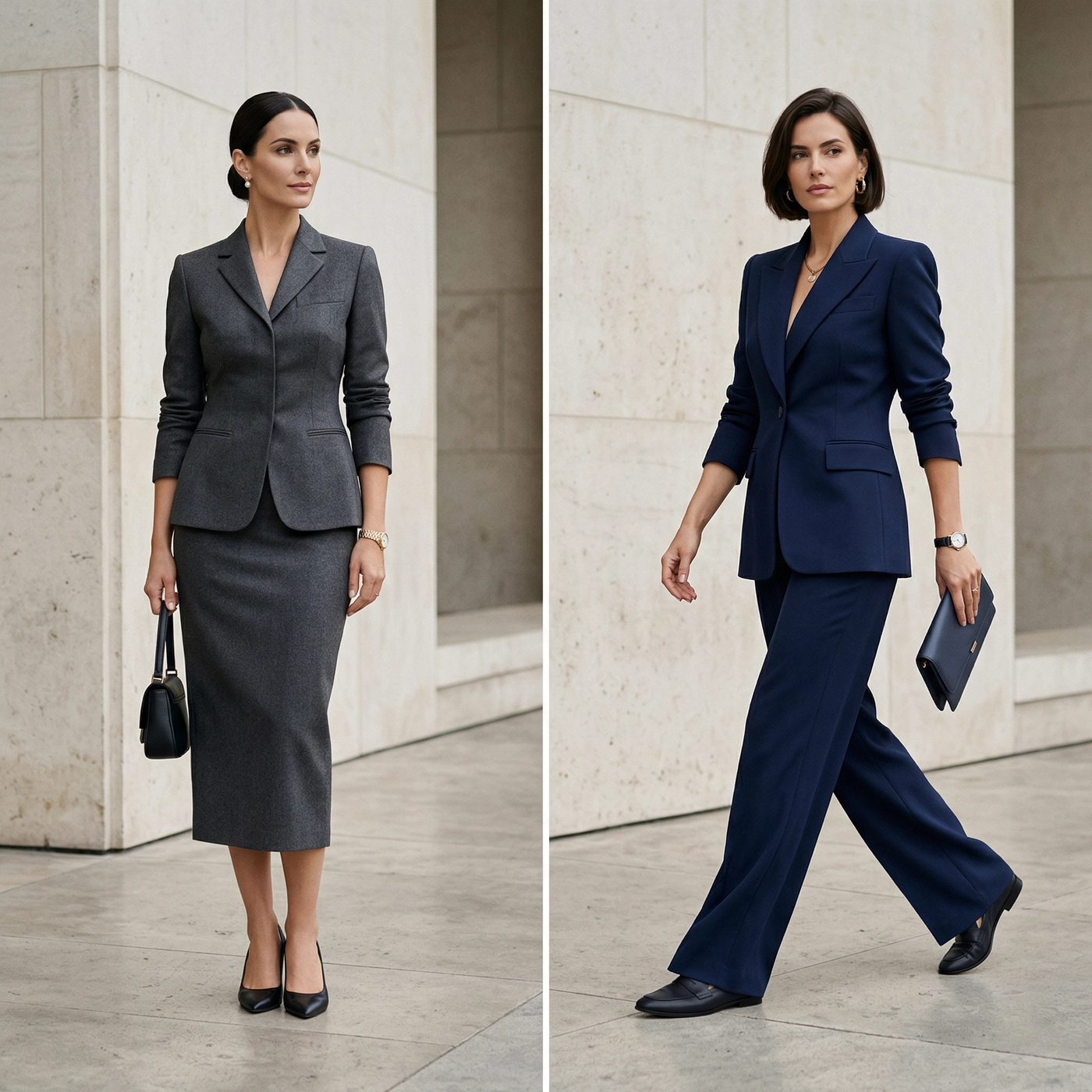
How Bespoke Tailoring Adapts to Different Cultures & Lifestyles

In a world where culture, identity, and lifestyle differ so widely, bespoke tailoring stands out as a craft that listens, adapts, and transforms these personal stories into clothing with meaning. This article explores how bespoke garment naturally aligns with diverse cultures and lifestyles, not by revealing everything upfront, but by uncovering the subtle reasons behind its timeless relevance. From personalization to craftsmanship and even modern technology, each element plays a powerful role in shaping how bespoke evolves across regions and generations.
Bespoke as a Personalized Experience (Not Just a Garment)
Bespoke offers a deeply personal journey, one that mass-produced fashion simply cannot replicate. Every step is shaped around the individual, making the experience just as meaningful as the final garment. Unlike ready-to-wear pieces created for the general market, bespoke tailored suits and garments are crafted exclusively for one person and one story.
- Each stage of the bespoke tailoring process, from the first conversation to the final fitting is tailored around the client’s preferences, lifestyle, and unique identity.
- Measurements are taken with intention, ensuring the garment reflects how the client stands, moves, works, and expresses themselves.
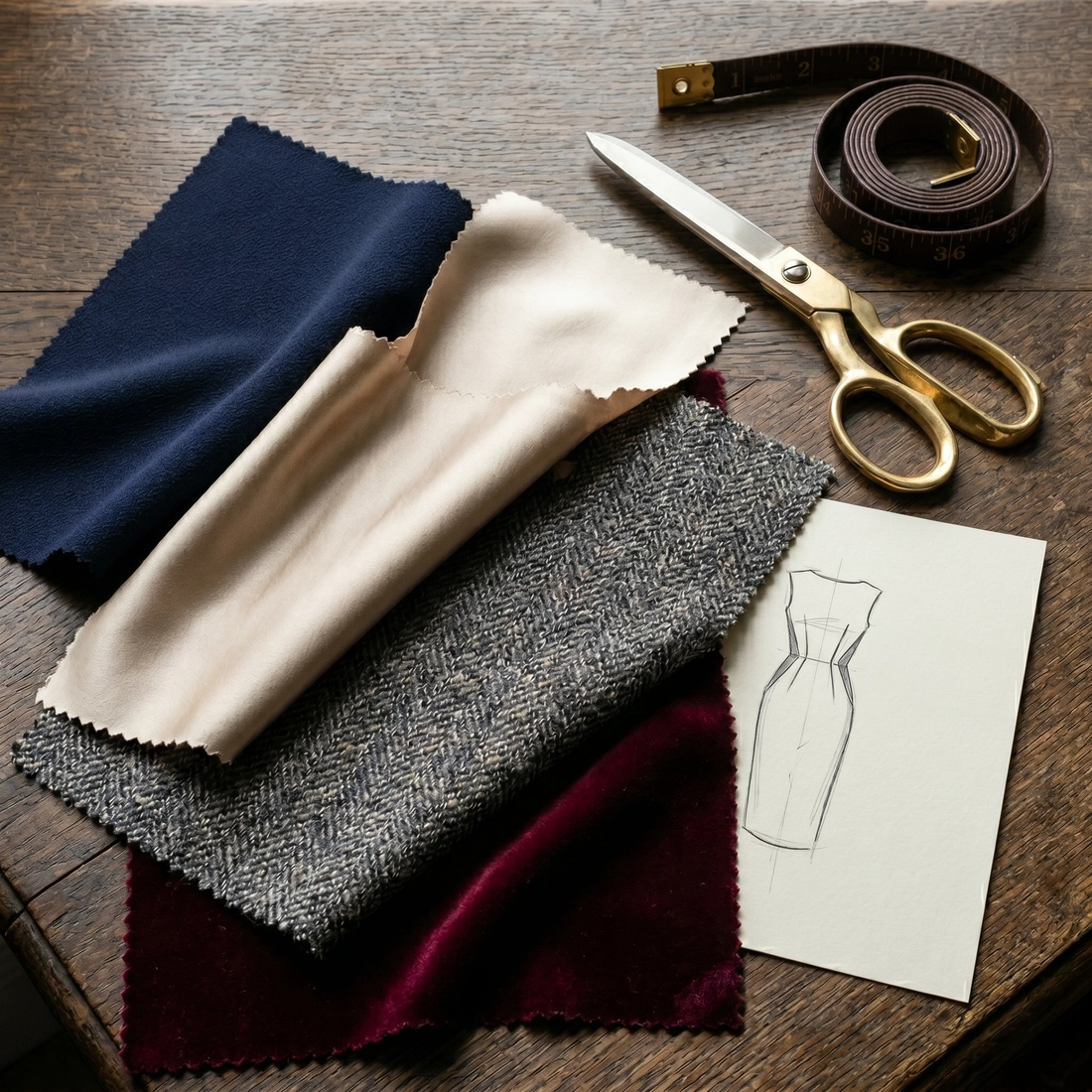
- Fabric choices are made collaboratively, allowing the individual to select textures, colors, and materials that resonate personally rather than settling for limited ready-to-wear options.
- The silhouette and construction are designed to highlight the client’s proportions and comfort needs, creating harmony between form and function.
- Every detail – lapels, lining, buttons, stitching – is chosen to reflect personal taste, not dictated by seasonal trends or mass-market constraints.
- The final garment exists solely for one wearer, carrying their identity, preferences, and cultural influences in a way ready-to-wear clothing can never achieve.
This is why bespoke tailoring is more than clothing; it’s a personal experience – intentional, intimate, and entirely unique to the individual.
Personalization as the Ultimate Advantage for Cultural Adaptation
Bespoke tailoring adapts so naturally across regions because every culture approaches clothing differently – not only in terms of style, but in terms of meaning, etiquette, symbolism, and social function. In each major cultural region, bespoke plays a distinct role shaped by history, tradition, and lifestyle expectations.
Below is how bespoke tailoring actually lives inside each culture – how different bespoke tailoring is from region to region, what it represents, where it is used, and why people gravitate to it in unique ways.
Europe – Bespoke as Heritage, Formality, and Social Refinement
In Europe, bespoke tailoring carries centuries of cultural and historical significance. It evolved alongside aristocratic courts, social etiquette, and early guild craftsmanship, turning tailored clothing into an enduring symbol of refinement.
How bespoke exists in European culture:
- Rooted in aristocracy and guild craftsmanship (1300s–1500s): Tailoring guilds flourished in cities like London, Florence, and Paris during the late Middle Ages and Renaissance, establishing craftsmanship as a marker of sophistication and status.
- A continuation of formal etiquette traditions (1600s–1800s): From royal courts to early diplomatic societies, structured clothing became a cultural expectation reinforced by European etiquette manuals of the 17th–19th centuries.
- A preservation of classic silhouettes shaped over centuries (1800s–1900s): British, Italian, and French tailoring identities were formalized between the Georgian, Victorian, and Edwardian eras, a lineage still visible today.
How bespoke appears across European cultures:
- Italy continues the soft Neapolitan tailoring tradition born in the 1930s, favoring light, expressive craftsmanship.
- The UK maintains Savile Row’s structured silhouette established in the mid–1800s and refined through the Victorian and Edwardian periods.
- France reflects Parisian couture’s evolution from the late 1800s, blending fashion-forward creativity with minimalist chic.
The Cultural Style Identity of European Bespoke
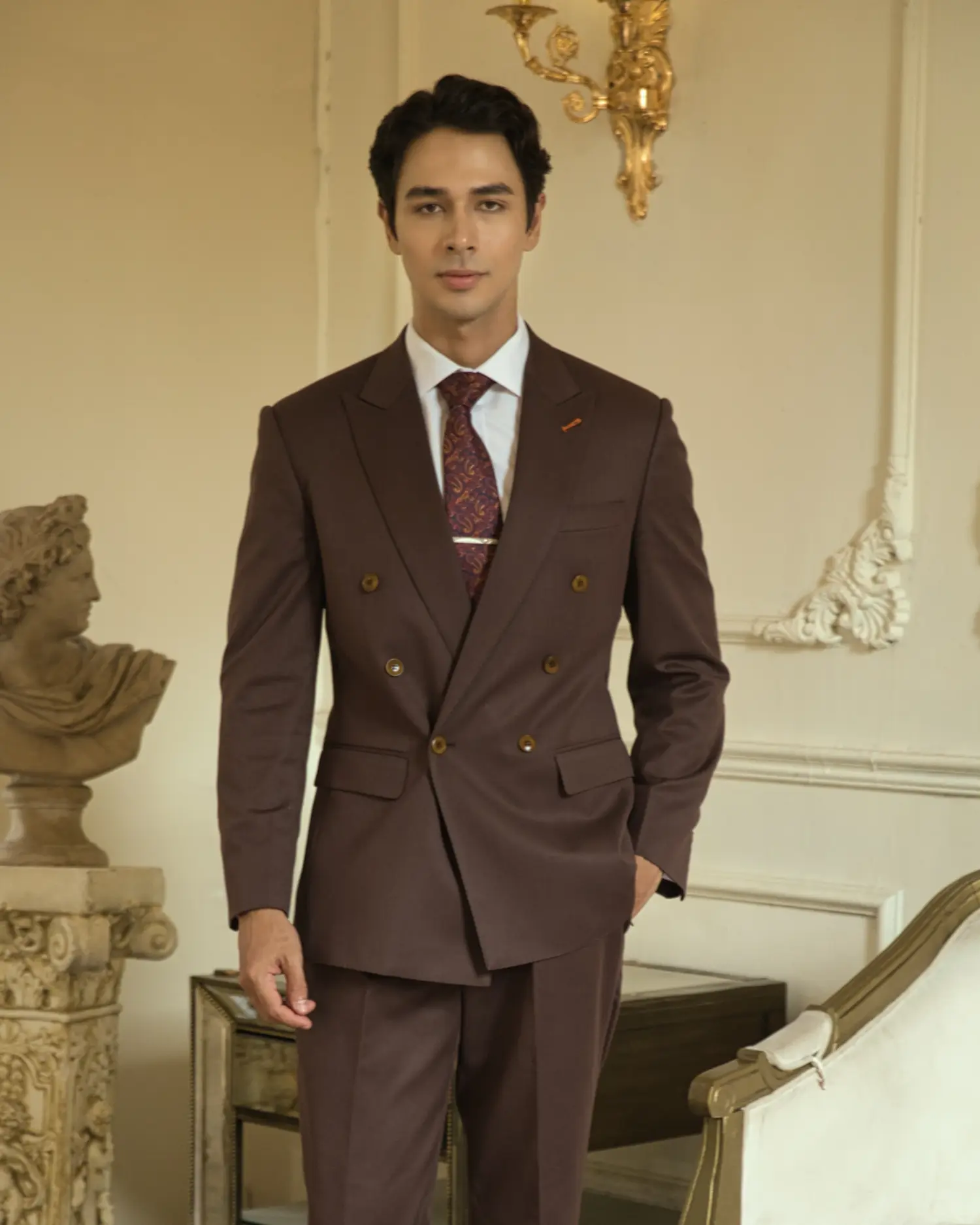
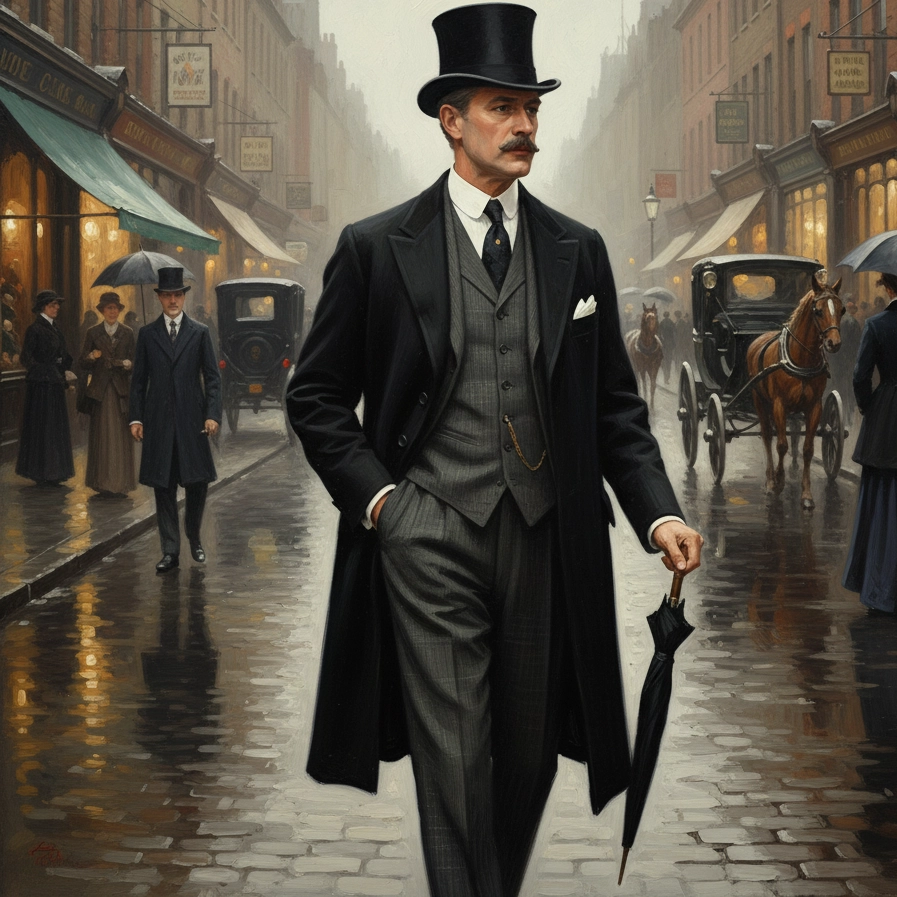
European dressing is shaped by a long history of royal tradition, social etiquette, and cultural pride. Their bespoke garments often use structured lines, disciplined proportions, and muted, noble color palettes that reflect this heritage. Europeans tend to dress with a sense of order and cultural expectation clothing that feels proper for formal gatherings, professional environments, and social rituals. When you look at a European-inspired bespoke suit, you can immediately sense its restraint, its respect for tradition, and its connection to the region’s heritage of polished, aristocratic elegance.
Why Europeans choose bespoke culturally: Because bespoke represents historical continuity – a way to honor centuries of artisanal heritage and uphold Europe’s timeless standards of elegance and formality.
Middle East – Bespoke as Luxury, Modesty, and Cultural Elegance
Middle Eastern tailoring is shaped by a long history of craftsmanship, trade routes, and cultural codes surrounding dignity and presentation. For thousands of years, clothing has symbolized status, respect, and hospitality.
How bespoke exists in Middle Eastern culture:
- Rooted in centuries of textile luxury (2000 BCE–1200 CE): The Middle East lay at the heart of ancient Silk Road and spice trade routes, building a deep cultural appreciation for premium textiles and artisanal detailing.
- Linked to traditions of dignified presentation (600s–1500s): During the Islamic Golden Age, clothing became a refined expression of respect, generosity, and social identity.
- Cultural norms shaped by modesty (1200s–present): For centuries, silhouettes and coverage have followed modesty principles embedded in both religious teachings and societal expectations.
How bespoke appears across Middle Eastern cultures:
- In the UAE, bespoke reflects modern luxury influenced by centuries of premium textile trade.
- In Saudi Arabia, tailoring balances modesty with quiet refinement, remaining culturally consistent across generations.
- In Qatar, bespoke often integrates ceremonial influences inherited from historic royal traditions.
The Cultural Style Identity of Middle East Bespoke
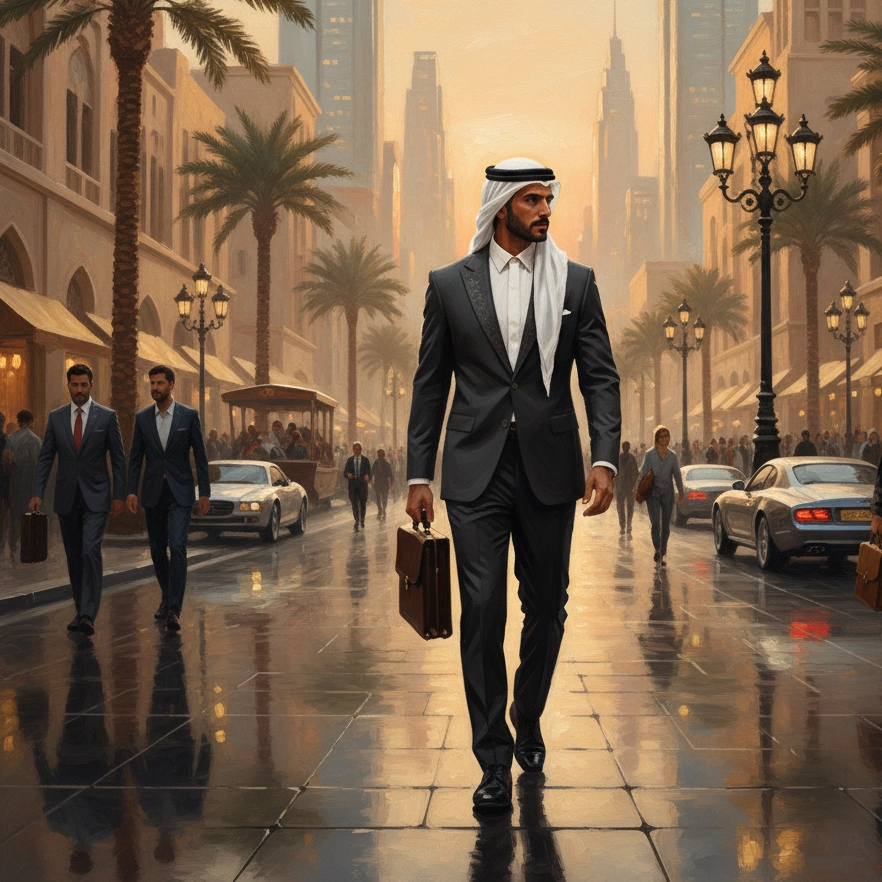
Middle Eastern style carries a sense of ceremonial dignity and refined grandeur shaped by centuries of royal tradition and cultural hospitality. Their bespoke garments often lean toward rich tones, luxurious textures, and flowing or elongated lines that echo the elegance of traditional attire. People in the region gravitate toward clothing that feels regal, composed, and visually commanding, favoring outfits that express respect, status, and cultural pride. When you see a Middle Eastern–influenced bespoke suit, it often has a noble richness, a certain warmth in fabric and color, and a graceful presence that mirrors the region’s deep-rooted love for luxury and tradition.
Why people in the Middle East choose bespoke culturally: Because bespoke aligns with the region’s longstanding reverence for luxury textiles, respectful silhouettes, and dignified presentation rooted in thousands of years of cultural identity.
Asia – Bespoke as Precision, Respectfulness, and Symbolic Expression
Asian cultures possess a deep, historic relationship with meticulous craftsmanship, symbolism, and harmonious presentation, values shaped by ancient philosophies and artisan traditions.
How bespoke exists in Asian culture:
- Influenced by ancient ideals of balance and harmony (2000 BCE–1000 CE): Confucian, Taoist, and early Japanese aesthetics emphasized restraint, intention, and dignified appearance, laying the foundation for Asia’s modern approach to precision.
- A cultural legacy of fine craftsmanship (1200s–1800s): Regional crafts – kimono tailoring in Japan, hanbok construction in Korea, and Hanfu artistry in China, cultivated deep respect for textile mastery and handcraft accuracy.
- Respectfulness through appearance (ancient times–present): Historically, proper dress signified one’s role, manners, and discipline, influencing how modern Asian societies use suiting in business, ceremony, and social hierarchy.
How bespoke appears across Asian cultures:
- Japan reflects centuries-old admiration for subtle beauty and artisan perfection.
- South Korea blends rapid modernization (late 20th century onward) with sharp, polished refinement.
- China incorporates symbolic colors and shapes influenced by dynastic traditions.
The Cultural Style Identity of Asia Bespoke
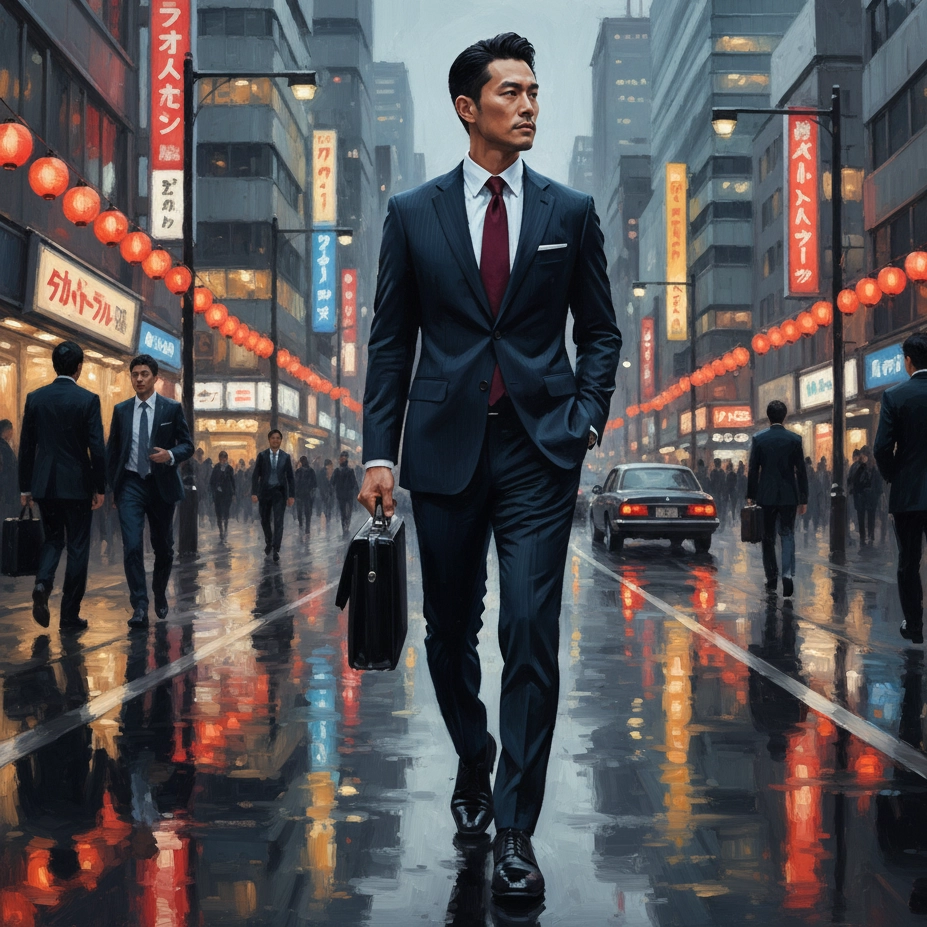
Asian dressing is defined by a cultural preference for clean precision, balance, and understated discipline. Bespoke garments from this region often feature sleek silhouettes, controlled proportions, and a minimalist presentation that avoids excess. Colors tend to be neutral, cool-toned, or culturally symbolic, creating a look that feels orderly and intentional. People in Asia typically prefer clothing that communicates respect, neatness, and social awareness, prioritizing harmony over showiness. When you look at an Asian-inspired bespoke suit, it reveals a polished quietness, a streamlined modernity, and a sense of intentional restraint shaped by cultural values of modesty and refinement.
Why people in Asia choose bespoke culturally: Because bespoke aligns with Asia’s historic values of precision, symbolism, harmony, and respectful presentation preserved across millennia.
The Americas – Bespoke as Identity, Professional Presence, and Personal Branding
Tailoring culture in the Americas developed through immigration waves, industrialization, and the rise of modern corporate society. Clothing became a way to express individuality, ambition, and social mobility.
How bespoke exists in American culture:
- Shaped by immigration and craftsmanship (1600s–1900s): European tailors brought British, Italian, and French traditions to cities like New York, Montreal, and Mexico City, forming early bespoke communities.
- Influenced by industrialization (late 1800s–early 1900s): As mass manufacturing rose, bespoke became a symbol of individuality rather than conformity.
- Connected to professional and social mobility (1900s–present): During the 1920s–1960s corporate boom, bespoke suits became icons of ambition, leadership, and upward mobility – a cultural meaning that persists today.
How bespoke appears across cultures in the Americas:
- USA: Bespoke represents the legacy of “power dressing,” rooted in early 20th century corporate culture.
- Canada: Structured tailoring reflects British influence and adaptation to colder climates.
- Mexico: Bespoke often incorporates expressive colors and artisan motifs tied to cultural richness.
The Cultural Style Identity of Americas Bespoke
Style in the Americas is shaped by a culture of individuality, confidence, and expressive identity. Bespoke garments here frequently blend traditional tailoring with bolder colors, modern cuts, or personalized details that reflect each wearer’s personality. People in the Americas favor clothing that feels dynamic, versatile, and assertive, often choosing pieces that stand out rather than blend in. When you look at an American-inspired bespoke suit, it tends to have a stronger presence, more expressive styling, and a modern, self-driven energy that reflects the region’s emphasis on ambition and personal branding.
Why people in the Americas choose bespoke culturally: Because bespoke supports historical values of individuality, ambition, and self-made identity, allowing garments to reflect personal and professional narrative shaped by centuries of cultural evolution.
Why Bespoke Tailoring Adapts Easily to Diverse Lifestyles
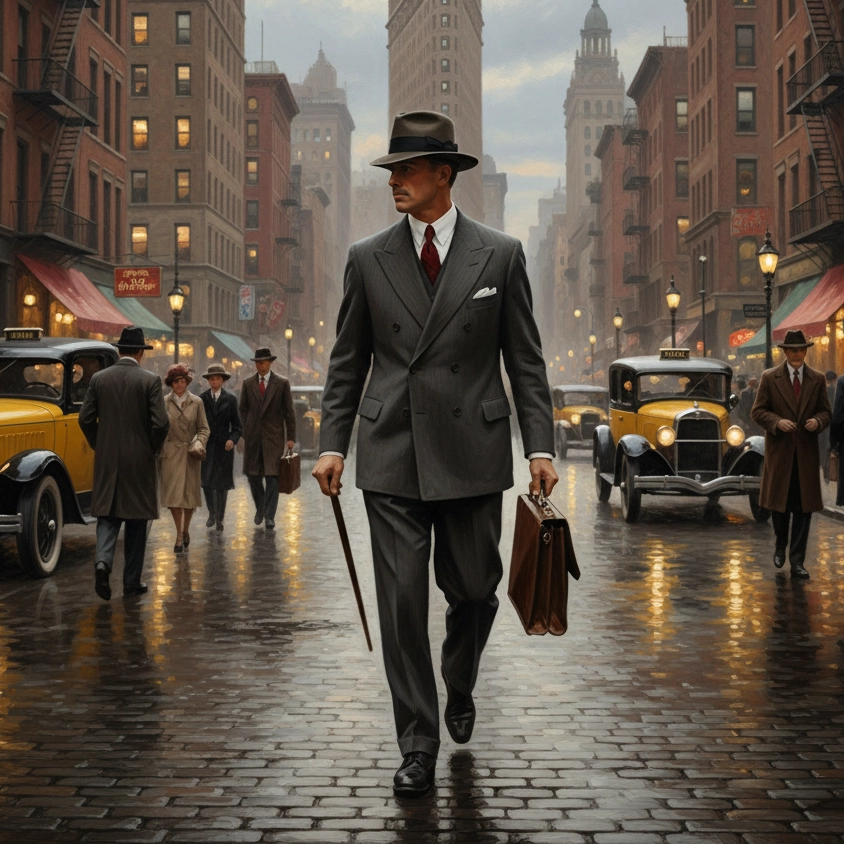
Bespoke adapts to diverse lifestyles because every garment begins with a single, personal story, shaped by the client’s needs, intentions, habits, and long-term vision. Rather than forcing individuals to fit into standardized silhouettes, bespoke tailored suits evolve around the way each person lives. This personalization, combined with the craft’s inherent sustainability, allows bespoke garments to remain relevant, durable, and meaningful across time.
- Each bespoke garment is designed from the client’s narrative – how they move, how they work, how they express themselves, making it naturally aligned with the bespoke tailoring + lifestyles connection.
- Clients choose fabric weights, textures, and structures that match their daily routines, whether they prefer the ease of casual elegance or the precision of a polished, modern look.
- Bespoke tailoring adapts seamlessly to lifestyles that span different eras and aesthetics: traditional, classic, contemporary, minimalist, or luxurious.
- The construction of bespoke tailored suits focuses on longevity, allowing the garment to evolve with the wearer rather than be replaced each season.
- Sustainability is embedded in the process – thoughtful consumption, durable craftsmanship, and reduced waste – making bespoke garments remain functional and stylish through changing lifestyle stages.
- Because bespoke is made intentionally and worn meaningfully, clients can transition the same garment from work to evening, from formal to relaxed, or from one life phase to another with ease.
- Personal choices in fit, silhouette, and detailing ensure that each piece reflects the client’s identity, enabling bespoke to support a wide range of professional, social, and personal lifestyles.
- Instead of following temporary trends, bespoke garments reinforce long-term relevance, allowing individuals to build a wardrobe that evolves alongside their aspirations and daily rhythms.
Through personalization, sustainability, and time-honored craftsmanship, bespoke tailoring remains one of the few fashion approaches capable of truly adapting to the diverse lifestyles of modern individuals.
Bespoke Tailoring Evolves With Time: Craftsmanship Meets Technology (3D Scanning & Online Bespoke)
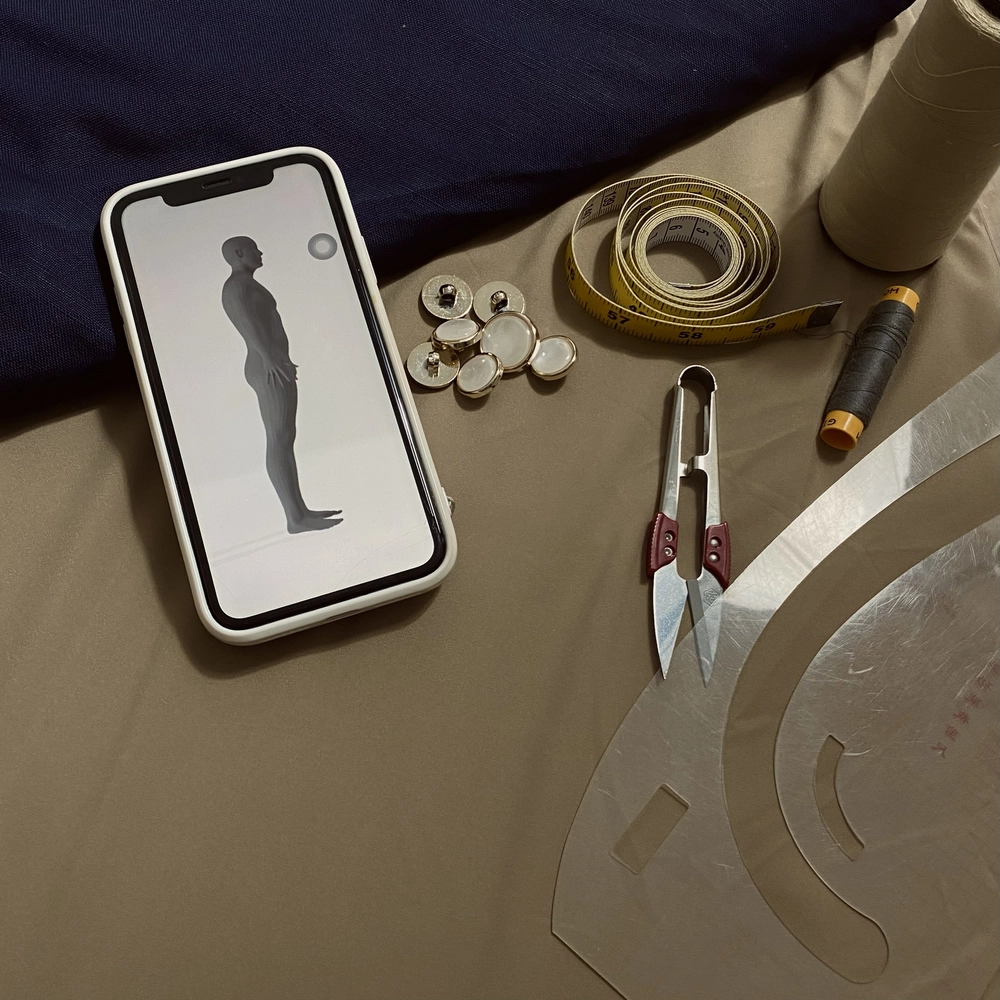
One of the most defining answers to how bespoke tailoring adapts to different cultures and lifestyles lies in its ability to evolve. While the craft is rooted in centuries of handwork, today’s bespoke industry embraces innovation, especially 3D body scanning and online customization – to meet the needs of a global, fast-moving world. This thoughtful blend of tradition and technology enables bespoke tailored suits to stay culturally relevant, highly personalized, and accessible across borders.
- Technology allows bespoke tailoring to understand and serve cultural differences more accurately – 3D scanning captures precise body shapes, postures, and proportions that vary across regions and lifestyles.
- The integration of digital tools helps tailors adapt garments to climate, movement, and cultural expectations, reinforcing the “how” behind bespoke tailoring’s ability to evolve with diverse lifestyles.
- The rise of the bespoke tailor online model makes personalization available worldwide, allowing clients from different cultures to express identity without geographical limits.
- 3D scanning supports cultural sensitivity by enabling bespoke tailors to adjust patterns based on modesty requirements, traditional silhouettes, or regional style codes.
- Technology doesn’t replace craftsmanship, it strengthens it. Tailors still shape, stitch, refine, and hand-finish garments, but now with deeper insight into each individual’s lifestyle needs.
- Brands pioneering this new era, such as Rosie Hong, demonstrate how online bespoke and advanced scanning are expanding accessibility while keeping heritage techniques at the heart of the process.
- By merging digital precision with artisanal skill, bespoke tailoring remains timeless yet future-ready – continuing to evolve as cultures shift, lifestyles change, and modern clients seek personalization enriched by convenience.
Through this synergy, bespoke tailoring shows exactly how it adapts: by honoring tradition while embracing tools that help it understand people more intimately than ever before. And as individuals around the world explore what truly aligns with their personal needs, many naturally begin reflecting on whether bespoke, made-to-measure, or ready-to-wear suits fit their lifestyle best.
Conclusion: Bespoke Tailoring for Every Culture and Lifestyle – A Timeless Evolution
Bespoke tailoring continues to thrive because it understands people – their cultures, their lifestyles, and the stories that shape how they choose to dress. Its foundation of personalization allows it to adapt naturally across regions, traditions, and generations, while its sustainability ensures long-lasting relevance. And as technology evolves, bespoke tailoring evolves with it, blending digital precision with timeless craftsmanship.
This is ultimately how bespoke tailoring adapts to different cultures and lifestyles: by honoring individuality, learning from each community it serves, and embracing innovation without ever losing its soul.
DISCOVER PHYIGITAL BESPOKE TAILORING