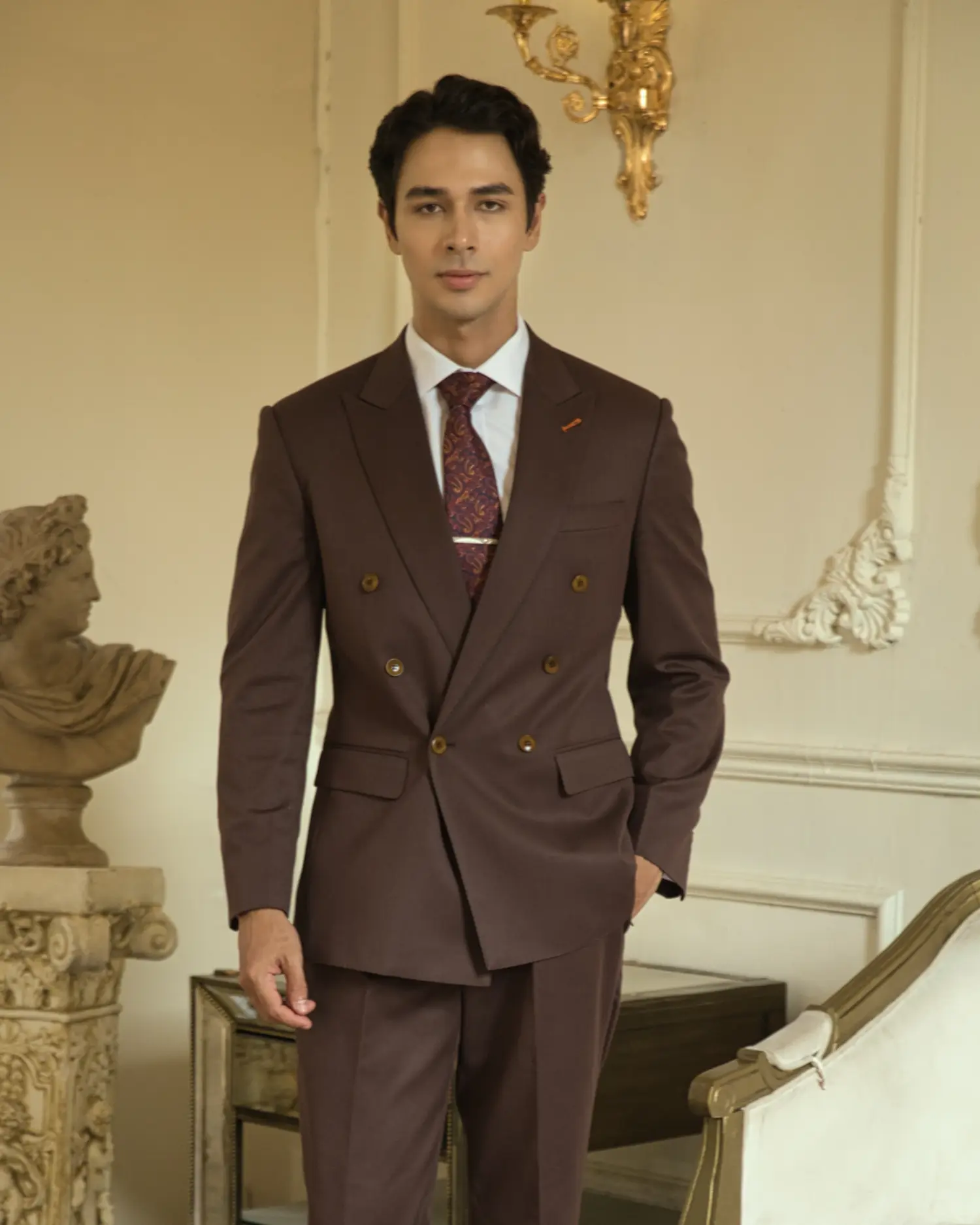
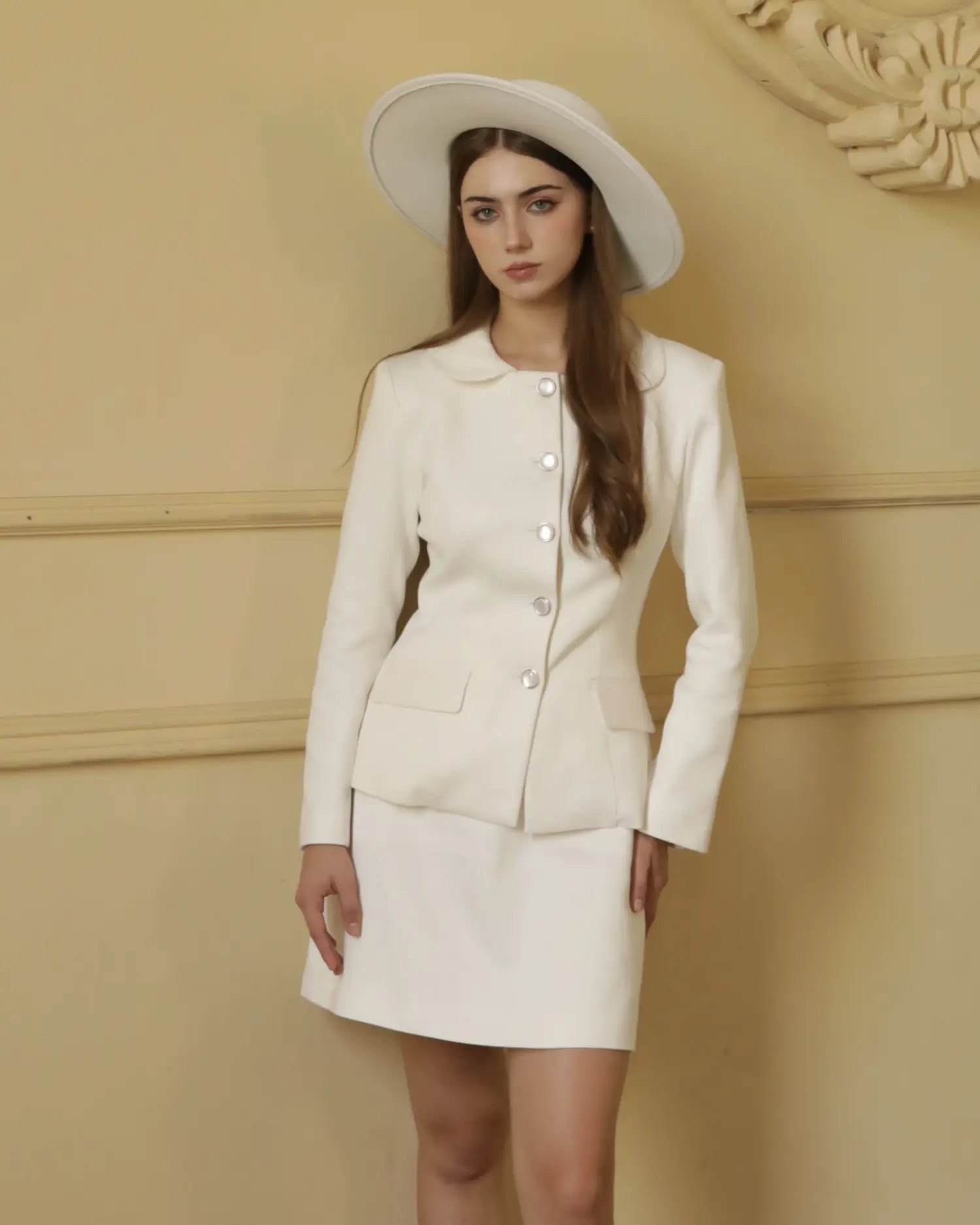
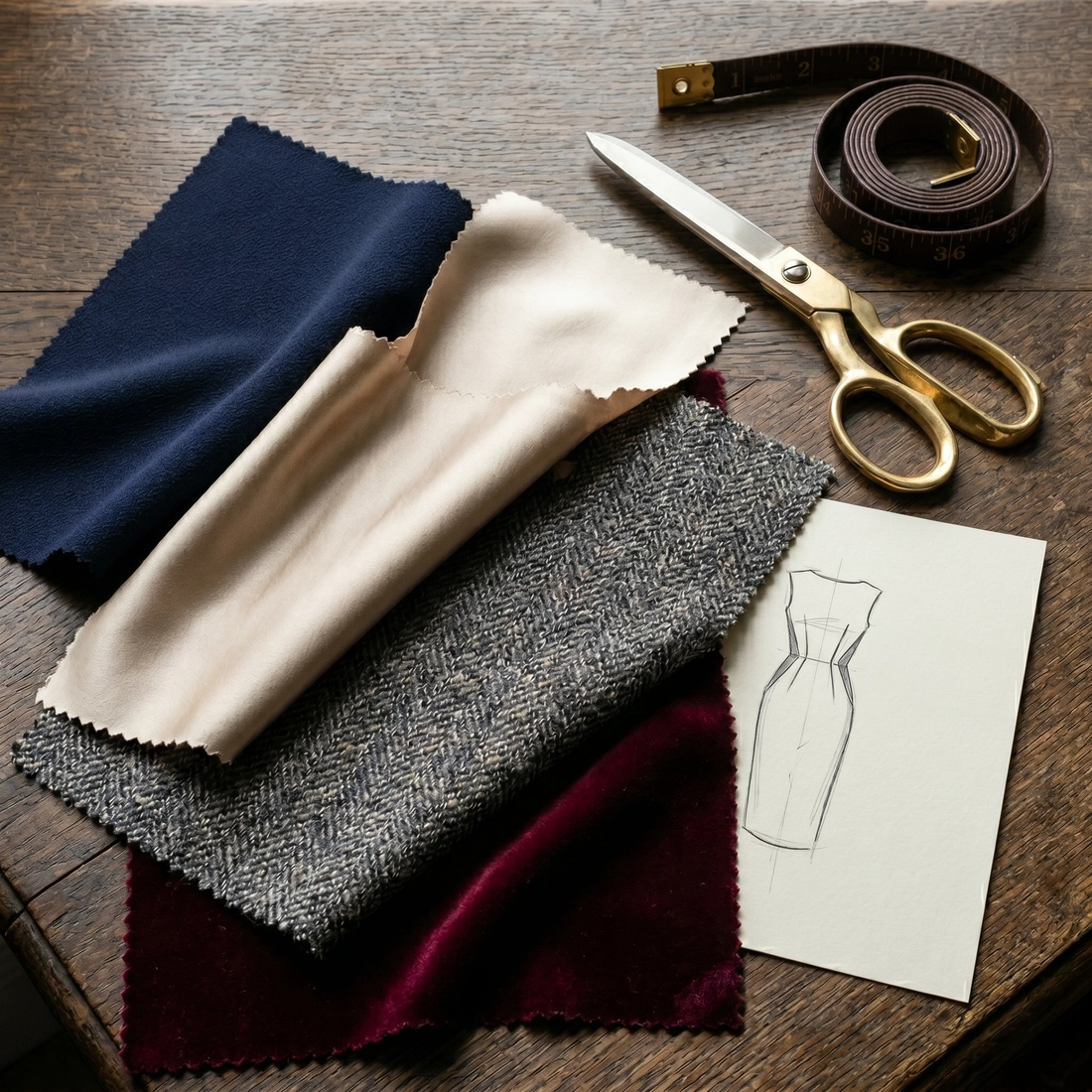
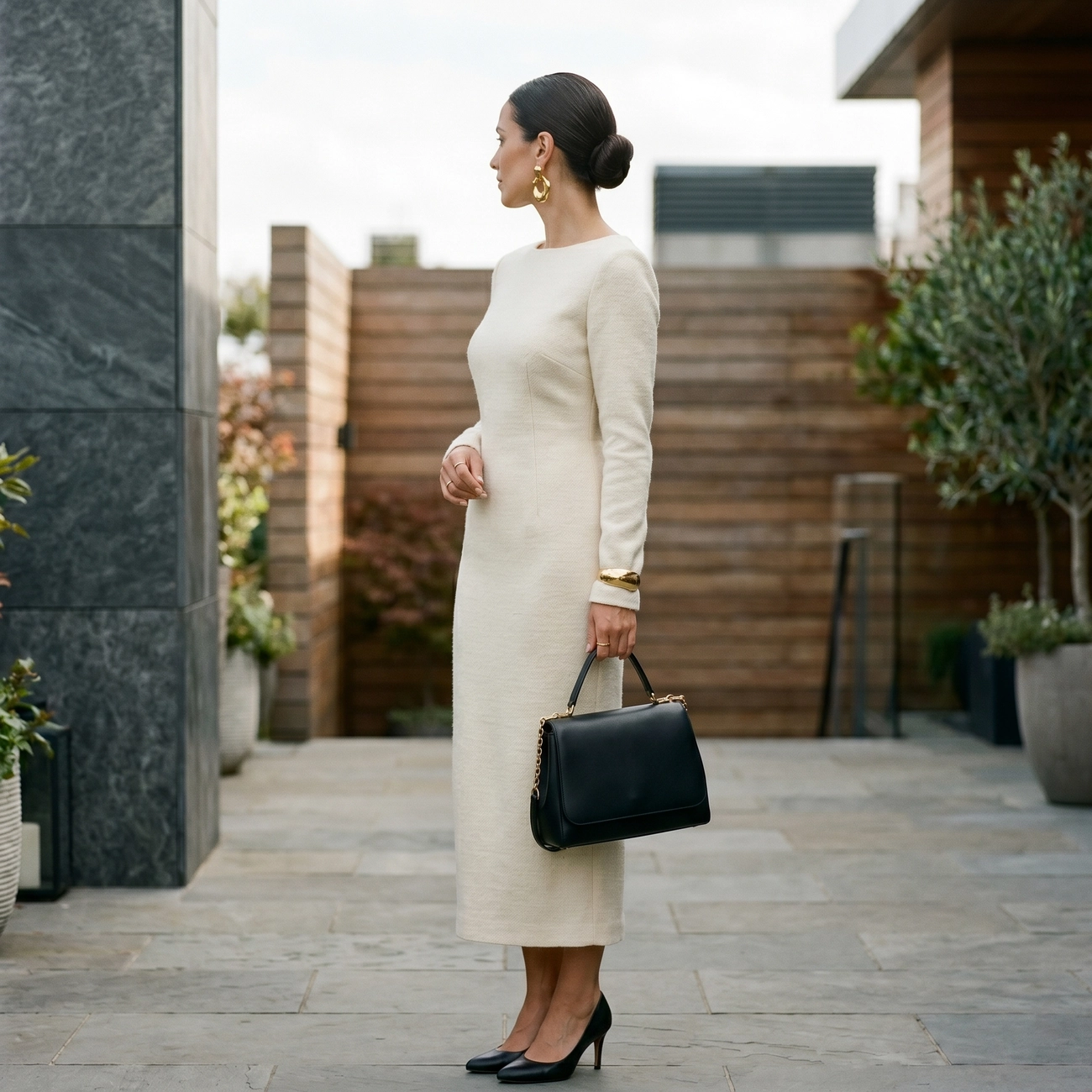
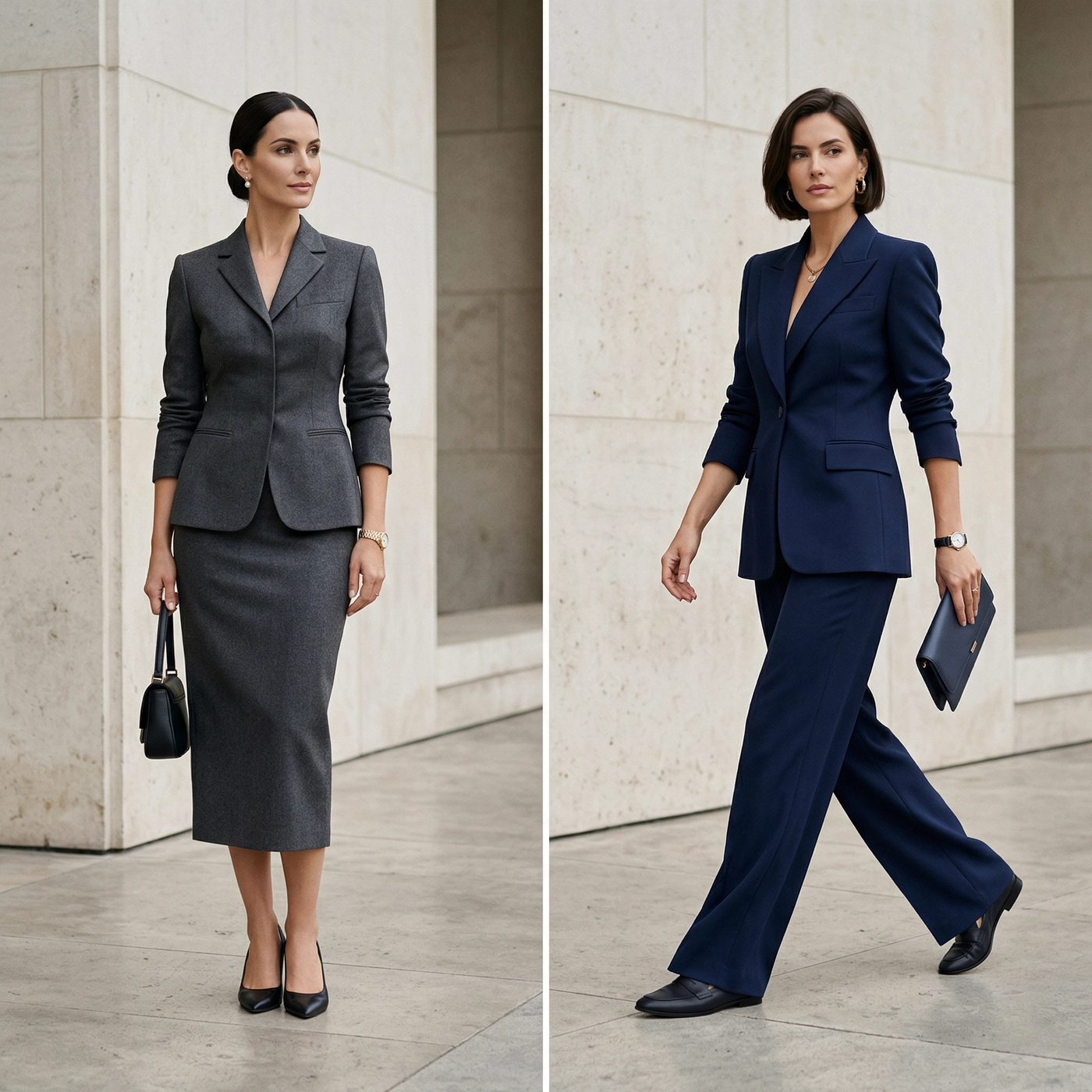
What Are the Most Common Fabric Patterns in Bespoke Tailoring?
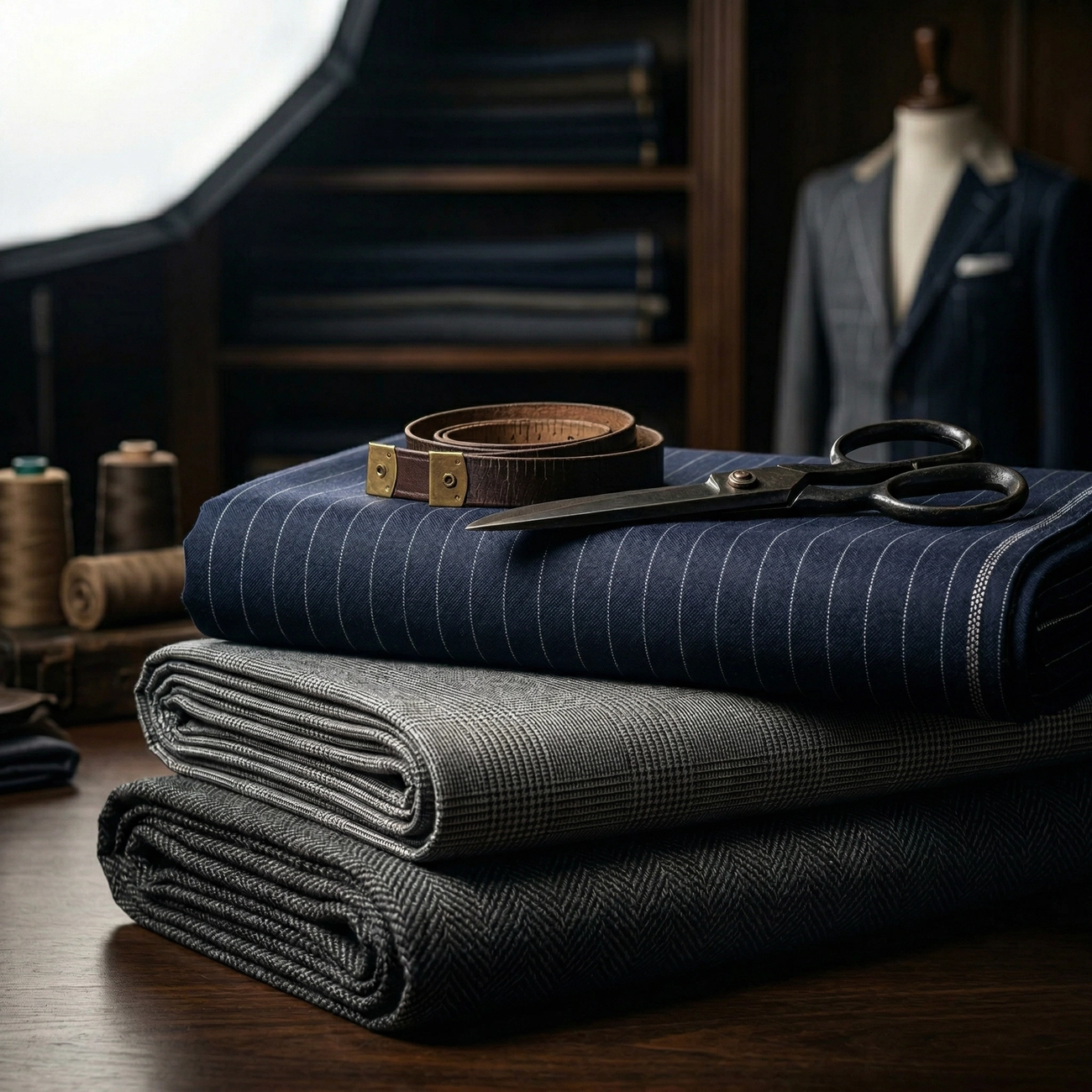
In the world of bespoke tailoring, while a flawless fit provides the physical foundation, fabric patterns define the garment’s character. These patterns are more than just aesthetic choices; they are a visual language that communicates personality, professional intent, and an appreciation for heritage.
From the understated authority of a pinstripe to the textured depth of a glen check, each motif carries its own history and visual weight. Moving beyond solid colors is not about being “loud,” but about mastering the subtle nuances that transform a high-quality bespoke suit into a truly personalized sartorial statement. Understanding these classic patterns is the first step in making an informed decision that aligns with both your physique and your lifestyle.
The Foundation: Solids and Illusory Patterns
For those beginning their journey in bespoke tailoring, these “near-solid” fabrics are the indispensable starting point. Their popularity stems from a seamless balance of versatility and subtle sophistication, allowing a gentleman to look impeccably dressed without appearing over-styled.
The Solid (Plain): Minimalist Authority
The solid fabric remains the bedrock of formal tailoring, favored for its ability to command respect through simplicity. Its appeal lies in its absolute versatility; it is the only choice for high-stakes environments, from black-tie galas to pivotal boardroom negotiations. Because there is no pattern to distract the eye, the focus shifts entirely to the sharp silhouette and the inherent quality of the wool. For a suit that exudes quiet luxury, many turn to Loro Piana (Italy), a mill celebrated for producing fabrics with an exceptionally soft hand-feel and unmatched depth of color.
The Illusory Solids: Birdseye, Sharkskin, and Micro-check
Often referred to as “optical solids,” these patterns provide a rich texture that only reveals its complexity upon closer inspection. They are the perfect “bridge” for those moving away from plain fabrics toward more character-rich cloths.
- Birdseye: Prized for its “grainy” effect created by tiny dots, offering a robust drape that hides wrinkles, perfect for the frequent traveler.
- Sharkskin: The quintessential “all-season” icon, often sourced from Vitale Barberis Canonico (VBC). Its diagonal two-tone twill creates a sophisticated matte sheen and a “steely” appearance.
- Micro-check: A sharp, geometric evolution featuring a miniature grid of tiny squares. It appeals to the contemporary eye for its mathematical precision and works best when paired with a solid shirt and a knitted silk tie for a multi-layered aesthetic.
Hopsack: The King of the Odd Jacket
Hopsack is the undisputed “king” of the independent blazer, or “odd jacket.” Its popularity is rooted in its functional properties: an open, basketweave structure that is both highly breathable and naturally crease-resistant. This makes it the ideal companion for a Business Casual setting or a summer escape to the Riviera, bridging the gap between formal discipline and relaxed elegance.
The Lineage of Stripes: Authority & Height
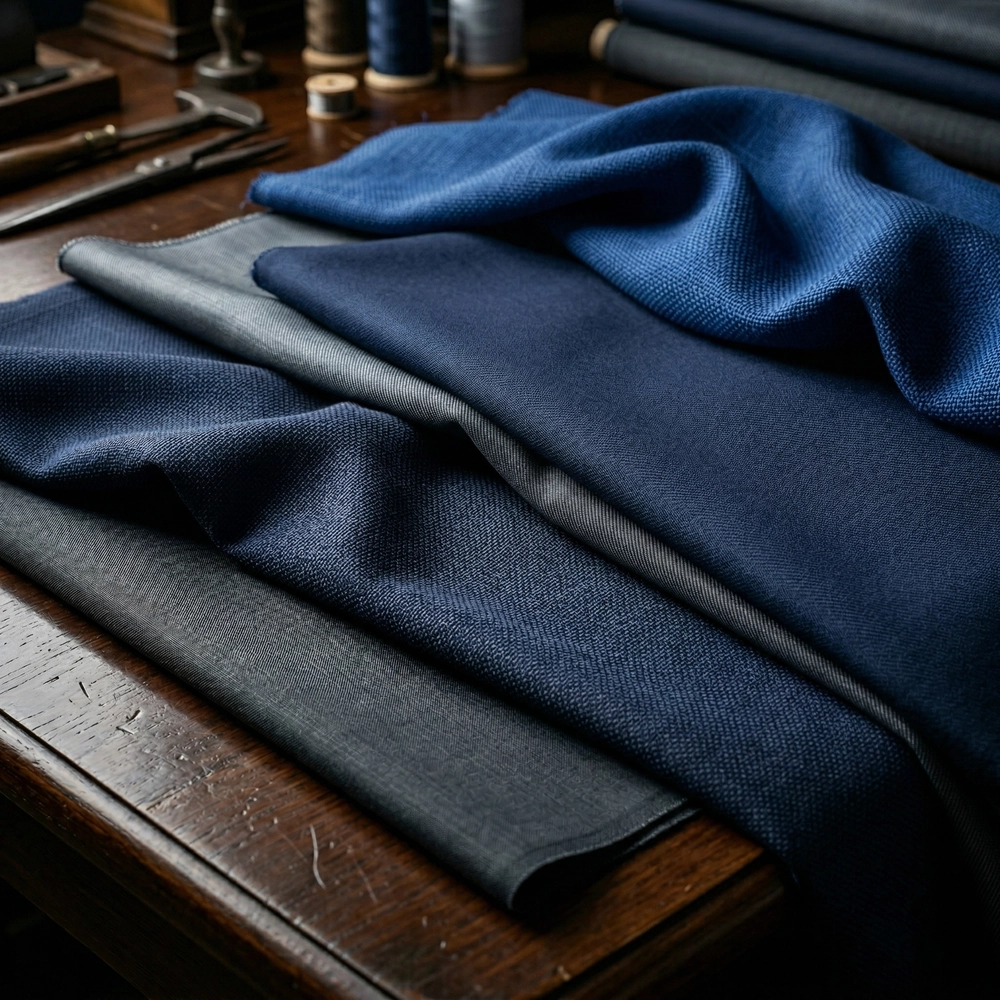
Stripes are far more than a decorative choice; they are a functional tool of the trade, prized in bespoke tailoring for their ability to create a visual illusion of height and a streamlined silhouette. This lineage has long been the hallmark of professional authority, spanning from the historic halls of London to the global boardroom.
Pinstripe: The Heritage of London Banking
The pinstripe remains the ultimate “power suit” motif. Originating in the 19th-century British banking sector, it is composed of tiny, punctuated dots or “pins” that create incredibly fine, disciplined lines.
- Character & Effect: Its verticality acts as a visual “lift,” making it the gold standard for those looking to appear taller and more commanding in high-stakes environments.
- Famous Mill: To achieve the authentic London look, connoisseurs often insist on cloths from Harrisons of Edinburgh, a mill renowned for defining the sharp, crisp aesthetic of a traditional pinstripe.
Chalkstripe: The Softness of Golden Age Hollywood
If the pinstripe is a sharp instrument of business, the chalkstripe is a brushstroke of pure elegance. Named for its resemblance to the lines drawn by a tailor’s chalk, this pattern features wider, slightly blurred lines that “bleed” into the background of the cloth.
- History & Aesthetic: A favorite of Hollywood’s leading men during the golden age, it exudes an approachable, old-world charm.
- Seasonality & Material: These stripes are most effectively expressed on the napped surface of winter flannels. Legendary mills like Fox Brothers produce chalkstripes with a luxurious “heathered” depth, providing warmth and sophistication for the colder months.
Pencil Stripe: The Contemporary Alternative
The pencil stripe offers a cleaner, minimalist aesthetic for the modern professional. Unlike the punctuated dots of a pinstripe, it consists of a solid, continuous line roughly the width of a pencil stroke. It is the ideal selection for creative landscapes, offering the slimming benefits of a stripe with a crisp, organized clarity that feels fresh and distinctly modern.
The Heritage of Checks: Character & Sophistication
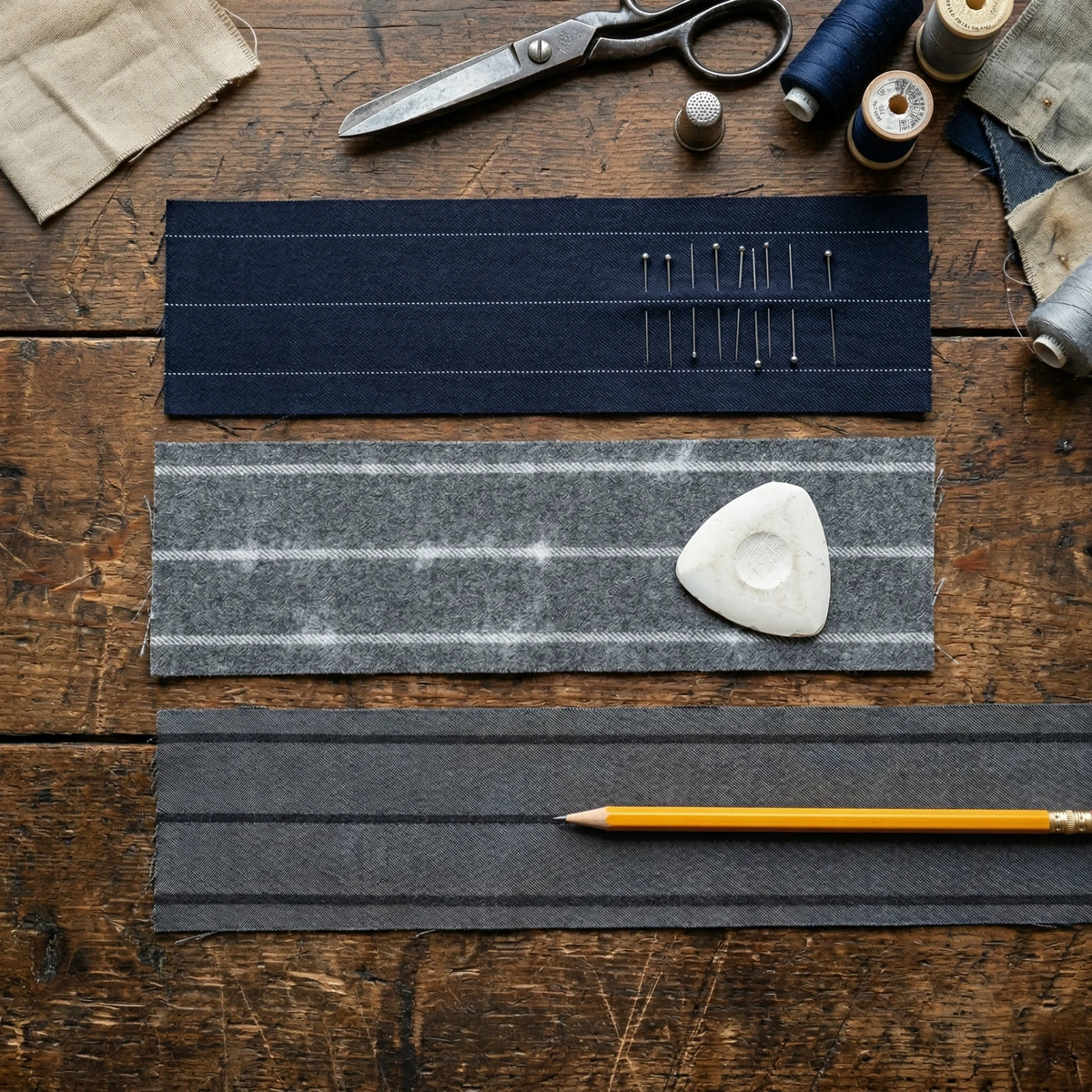
Moving from the structured discipline of stripes into the world of checks represents a shift toward greater visual complexity and personal character. In bespoke tailoring, checks are prized for their ability to add three-dimensional depth to a garment, making them the preferred choice for individuals who wish to project a sense of sophisticated ease and sartorial knowledge. These patterns invite conversation rather than just commanding authority.
Prince of Wales (Glen Check): The Royal Standard
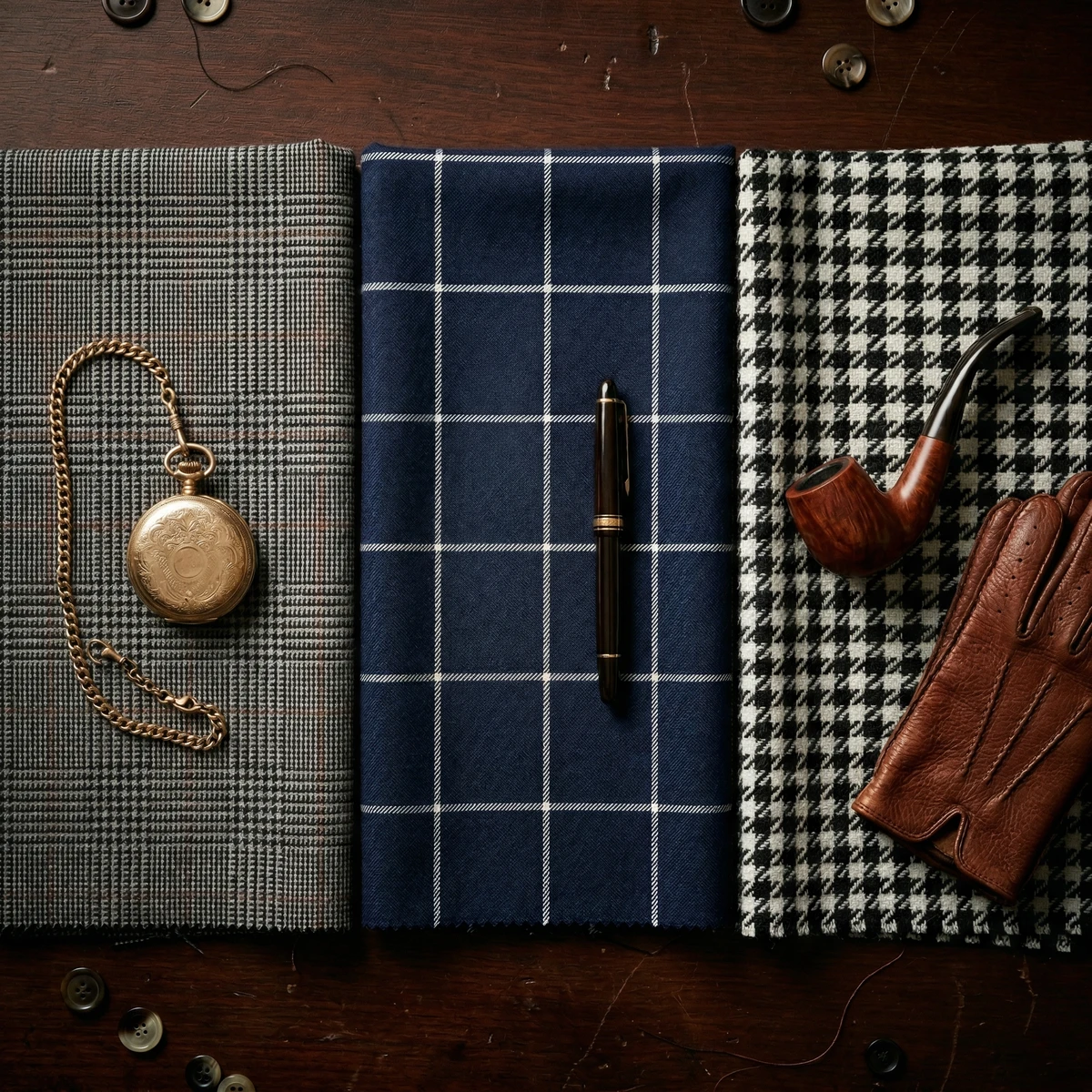
The Prince of Wales check, or Glenurquhart check, is perhaps the most sophisticated weave in the tailoring world. It is an intricate design featuring a “checks-within-checks” pattern, created by alternating sets of light and dark yarns in both the warp and weft.
- Heritage & Appeal: Its immense popularity is rooted in its royal association with King Edward VIII, who championed the pattern for its relaxed yet dignified air. For those seeking the ultimate version of this royal heritage, mills like Holland & Sherry offer collections that capture the perfect balance of complexity and refinement.
- Styling & Balance: Due to its detailed nature, it is best paired with a solid-colored shirt and a textured tie. This allows the heritage of the bespoke suit to remain the focal point while maintaining a clean, balanced look that works as well in the office as it does at a weekend social event.
Windowpane: The Architect’s Confidence
For those who prefer bold, clean lines over intricate weaves, the windowpane check offers an architectural clarity that is hard to match. It is defined by large, open squares formed by thin, intersecting lines, resembling the panes of a window.
- Visual Impact: The windowpane is highly valued for its ability to enhance a wearer’s physique. The wide horizontal lines naturally add a sense of “width” and presence to a slim frame, creating a more robust and confident silhouette.
- Modern Statement: This pattern exudes an aura of creativity and boldness. Because of its large scale, it makes a powerful statement at social gatherings or in creative professional settings, especially when chosen in subtle, tonal colors that let the geometry of the pattern speak for itself.
Houndstooth: The Textural Icon
Easily recognized by its jagged, four-pointed shape that resembles the tooth of a hound, this pattern, also known as Dogstooth, is a masterpiece of high-contrast weaving. It is a traditional pattern that has successfully transitioned from rural utility to a symbol of global elegance.
- Historical Character: Its enduring popularity stems from its incredible textural richness. Unlike the flat appearance of a printed design, a woven houndstooth adds a tactile dimension to a jacket, making it a favorite for “odd jackets” that require a sense of rugged yet refined character.
- Versatility in Scale: While large-scale houndstooth makes a daring statement, a smaller “micro-houndstooth” can appear almost solid from a distance. It is an ideal choice for an autumn wardrobe, pairing seamlessly with flannel trousers or denim for a polished, off-duty look.
The Art of the Weave: Subtle Visual Interest
While stripes and checks rely on color contrast, some of the most respected motifs in bespoke tailoring are born from the architecture of the weave itself. These patterns offer a “hidden” complexity: appearing as a solid color from afar but revealing a rich, tactile depth upon closer inspection.
Herringbone Suit: The Master of Light
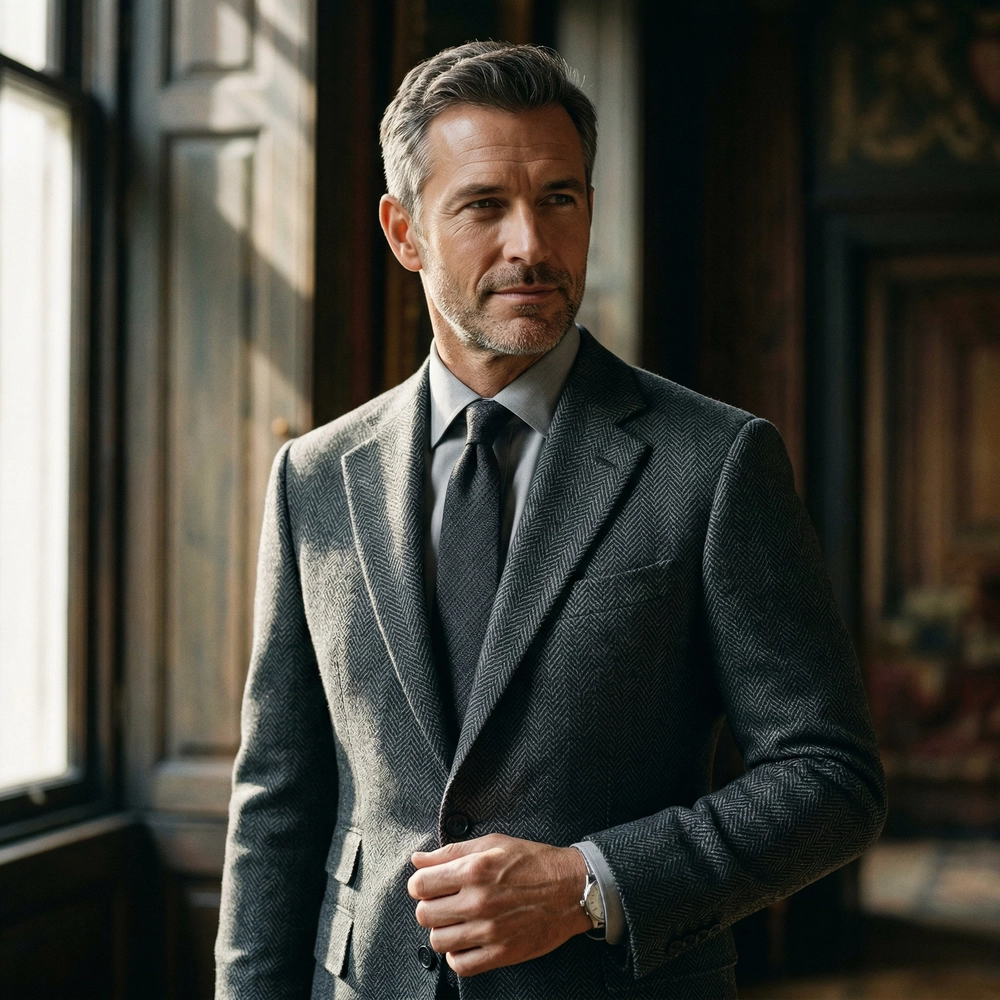
The herringbone suit is the quintessential expression of “quiet luxury.” Characterized by a “V-shape” or broken twill weave, it remains one of the most versatile and beloved patterns in the sartorial world.
- The Visual Magic: Its enduring popularity is due to the way it interacts with light. The alternating directions of the weave catch light differently, creating a subtle natural sheen and a sense of three-dimensional depth that flat fabrics cannot achieve.
- The “Why”: In navy or charcoal, a herringbone pattern is as formal as a solid suit but carries far more character. It is the perfect choice for the individual who wants to stand out through the quality of their cloth rather than the loudness of their design.
The Rugged Alternative: Barleycorn
For a more tactile and artisanal feel, particularly in independent sport coats, some connoisseurs opt for the Barleycorn weave. While less common than the herringbone, its grainy texture, resembling kernels of barley, offers a rugged refinement that pairs exceptionally well with heritage fabrics like corduroy or heavy twill. It is the cornerstone of the “country-meets-city” aesthetic, ideal for those who appreciate an earthy, textured statement.
Choosing & Styling: The Pattern Masterclass
Mastering fabric patterns requires understanding how they interact with your environment and your physical proportions. Follow these expert guidelines to ensure a harmonious result:
Selection by Logic
- By Occasion: Reserve solids and pinstripes for high-stakes formal boardrooms. Opt for checks, windowpanes, or a herringbone suit for social events or creative professional settings where individual character can take center stage.
- By Body Shape: Vertical stripes are a tailor’s secret for adding perceived height and a slimming effect. Conversely, larger patterns like windowpane add “visual weight” to a slim frame, while micro-patterns offer a clean, streamlined aesthetic for broader builds.
The Rules of Pattern Harmony
- Scale Contrast: Never pair two patterns of the same size. If your suit features a large check, your shirt should be a solid or a very fine micro-pattern to create a visual balance.
- The Buffer Rule: Always use solid-colored elements, such as a crisp white shirt or a plain silk tie, to act as a “visual anchor,” allowing a bold suit pattern to breathe.
- The Rule of Two: To maintain a sophisticated look, rarely mix more than two different patterns in a single outfit. A patterned suit and a patterned tie are best complemented by a solid shirt.
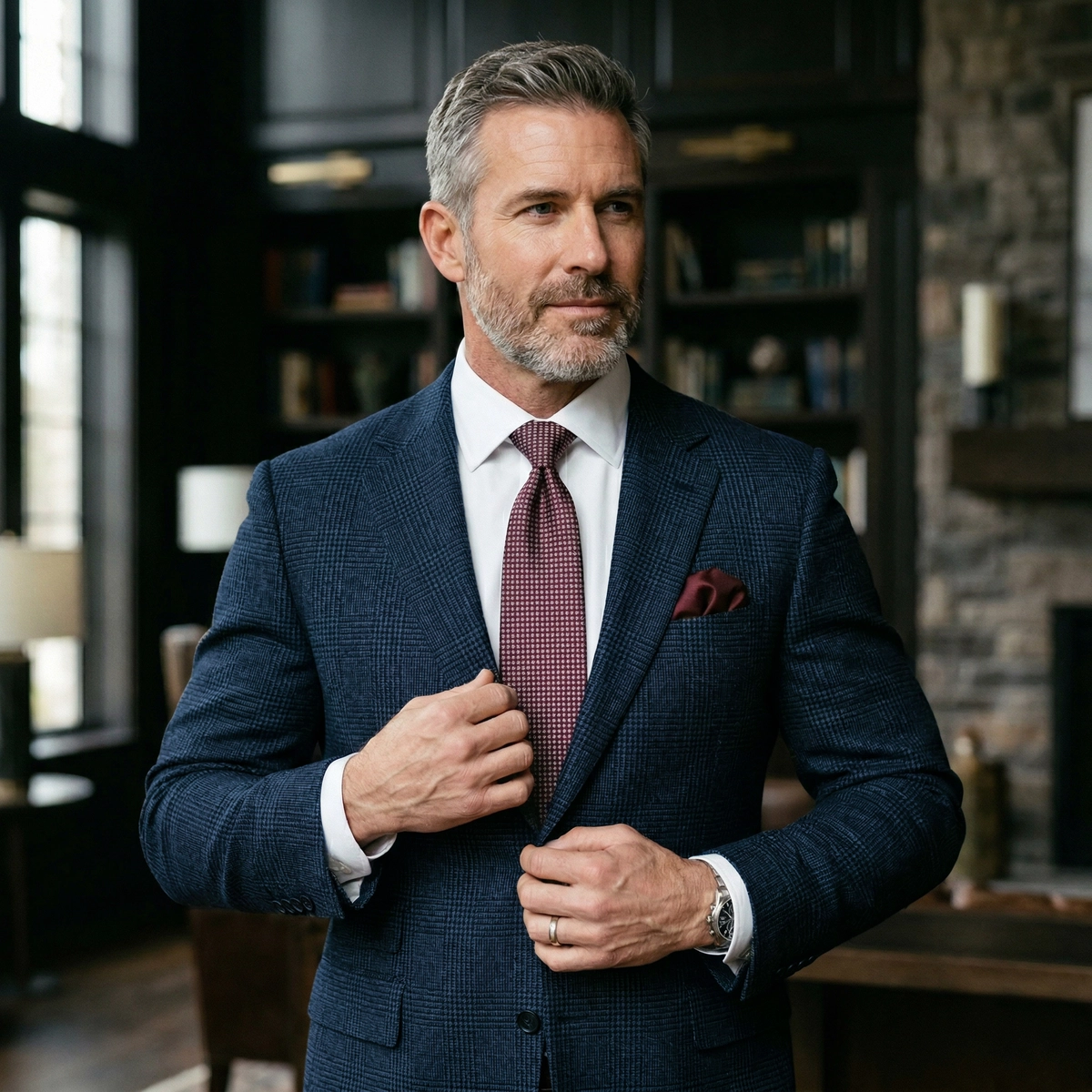
Ready to translate these rules into your own bespoke masterpiece? Discover our curated world of heritage and modern motifs in the Rosie Hong Fabric Collection.
Conclusion: Your Vision, Tailored
In the world of bespoke tailoring, the choice of fabric pattern is the final brushstroke on a masterpiece. Whether you lean toward the quiet luxury of a herringbone suit or the commanding history of a pinstripe, your selection transforms a high-quality garment into a deeply personal statement of intent and heritage.
While patterns define the character of your suit, the true foundation lies in the raw elements themselves. To understand the fibers and weaves that bring these designs to life, explore our definitive guide on “What Fabrics and Materials Are Used in Bespoke Tailoring?”
DISCOVER PHYIGITAL BESPOKE TAILORING