The Art of Spezzato: Breaking the Suit for a Relaxed Elegance
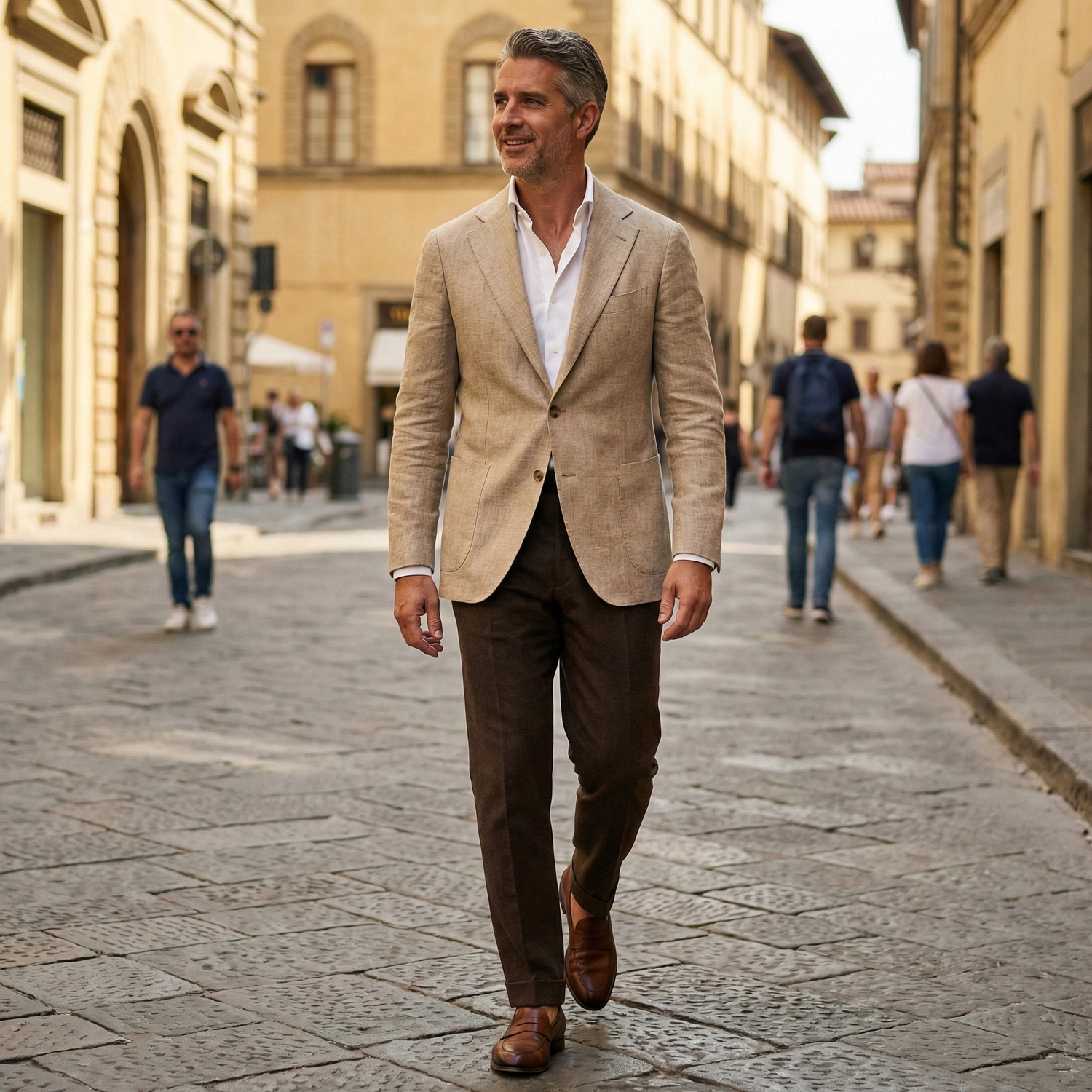
True mastery of bespoke tailoring isn’t just about wearing a matching set; it is the ability to intelligently dismantle it. This is the art of spezzato (Italian for “broken”) which refers to the sophisticated practice of separating a suit jacket to pair it with contrasting trousers. While a full suit offers the safety of a uniform, Spezzato requires a higher level of sartorial intelligence, signaling that you understand the rules of texture and silhouette well enough to bend them. It shifts the narrative from simply dressing for the office to curating a look that is both relaxed and commanding.
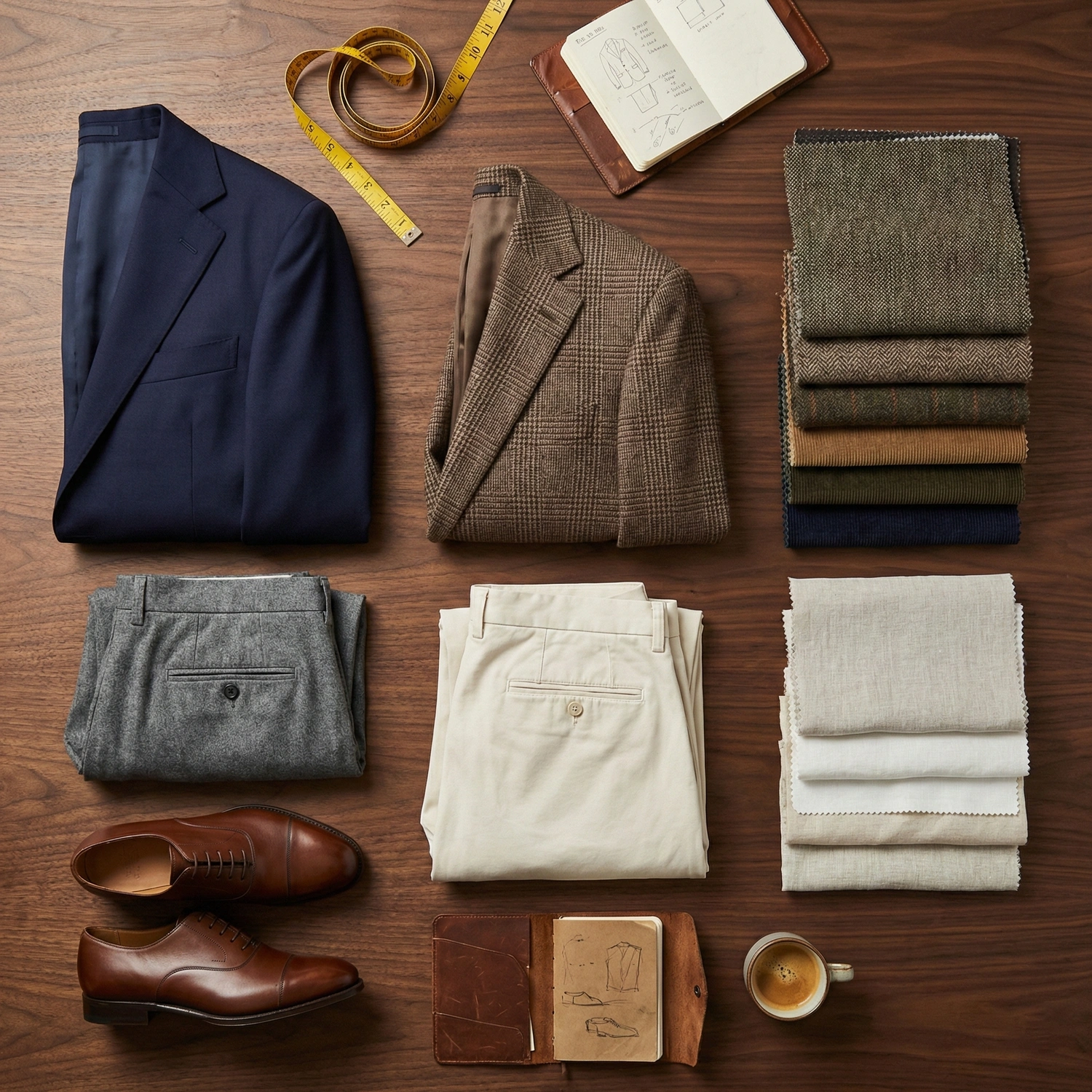
Beyond aesthetics, this skill represents the ultimate optimization of your wardrobe assets. By viewing your commissions not as static uniforms but as versatile components, a collection of three well-chosen suits can transform into nine distinct ensembles. This guide will navigate you through the mechanics of texture and contrast, empowering you to unlock the full potential of your garments and move effortlessly between formal business and social elegance.
The Prerequisite: Avoiding the “Orphan” Suit Jacket
Before mastering the art of combination, one must first recognize the “Hard No’s.” The most common error in attempting Spezzato is creating the “Orphan Suit Jacket” look. This occurs when a jacket is clearly designed to be part of a matched set but is forced into a casual pairing. The result is visual dissonance; it does not look like a style choice, but rather implies you simply lost your trousers. To ensure your outfit signals “Sartorial Intelligence” rather than a dressing mistake, you must navigate around these five specific deal-breakers:
1. The Pattern Violations: Broken Lines & Visual Noise
Patterns are the most obvious indicators of a mismatch. First, never separate a pinstripe or chalk stripe suit. Stripes are designed to create a continuous vertical line; breaking them at the waist creates a “cut-off” effect that visibly screams missing trousers. Second, avoid the chaos of conflicting patterns. If your jacket features a bold windowpane or houndstooth, your trousers must remain solid and neutral. Pairing a checked jacket with striped or checked trousers creates visual “noise,” destroying the elegance of the ensemble.
2. The Texture Mismatch (High-Sheen Worsteds)
Fabric finish is subtle, but critical. Formal business suits are typically crafted from fine worsted wools (Super 130s+) that are processed to be smooth and reflective. Wearing such a glossy jacket with light-absorbing fabrics like cotton chinos, denim, or flannel creates a jarring “Indoor vs. Outdoor” conflict. The jacket simply looks too clinical and dressy for the relaxed nature of the trousers.
3. The Structural Disconnect
A traditional boardroom suit is constructed as “armor,” featuring heavy canvas and significant shoulder padding to project dominance. This rigid structure fights against the relaxed aesthetic of Spezzato. A stiff, heavily padded jacket sitting atop soft trousers creates a “top-heavy” silhouette. The jacket restricts movement while the trousers follow it, resulting in a physical and visual disconnect.
4. The “Near-Match” Trap
This is a dangerous zone in color theory. Pairing a jacket and trousers that are almost the same color (e.g., Navy with Black, or two different shades of Charcoal) creates an “uncanny valley” effect. To the human eye, it looks like a failed attempt at a full suit, perhaps dressed in poor lighting. In Spezzato, contrast is mandatory. If the distinction isn’t bold and deliberate, it looks like a mistake.
5. The “High-Low” Gap
Even if your jacket meets all the criteria above, it still demands respect from the lower half. Pairing a bespoke tailored jacket with ultra-casual garments, such as distressed (ripped) denim, cargo pants with bulky pockets, or athletic wear, widens the formality gap too far to bridge. To execute Spezzato casually, you must stop at the “Smart Casual” line: choose minimalist cotton chinos or clean, dark denim. The trousers must be sharp, structured, and well-fitted to sustain the elegance of the jacket.
Mastering The Art of Spezzato: How to Separate and Coordinate
Once you have navigated the specific prohibitions of the “orphan” jacket, the practice of Spezzato shifts from a list of restrictions to a game of “Sartorial Engineering.” The objective is not merely to wear two unmatched garments, but to create a harmonious dialogue between them. To achieve a look that feels both effortless and intentional, you must master the interplay of three fundamental mechanics: Texture, Contrast, and the “Formality Scale.”
Step 1: Texture is the Anchor
The primary challenge in separating a suit is managing “shine.” A standard business suit jacket is often crafted from smooth, high-twist worsted wool designed to reflect light, creating a sharp, armor-like appearance. When separated, this luster can look jarringly clinical against the matte finish of casual trousers. Therefore, successful coordination begins with the physics of light absorption. If your jacket reflects light, your trousers must absorb it to soften the visual transition.
- The “Matte” Rule: If you are using a smooth, formal jacket, pair it with bespoke trousers made from fabrics with “surface interest” like Grey Flannel or heavy Fresco. These textures ground the outfit and mitigate the jacket’s formality.
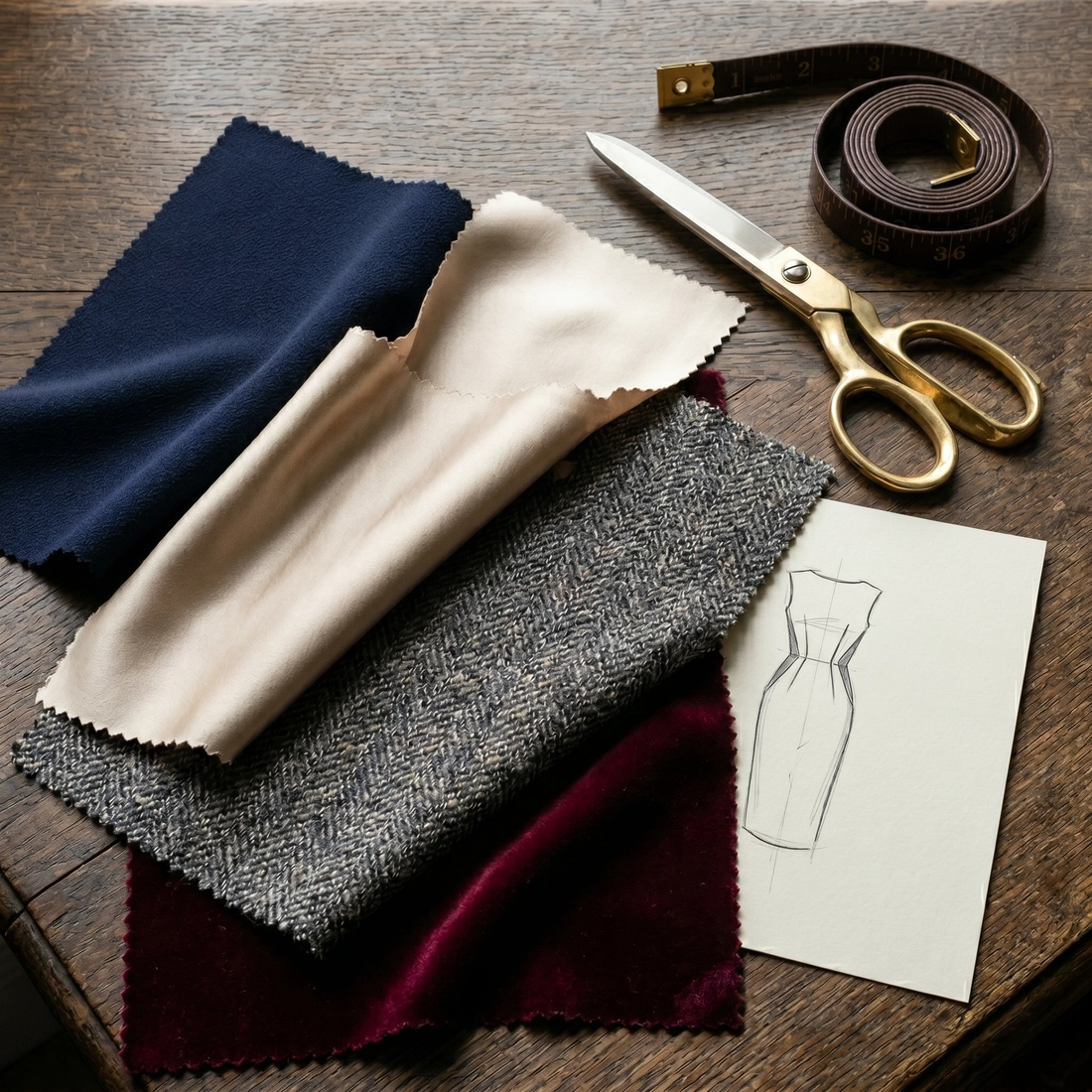
- The Hero Fabrics: Conversely, jackets commissioned in Hopsack, Tweed, or Linen naturally break the “suit uniform” look because their open weaves create depth and shadow, allowing them to pair effortlessly with a wider spectrum of trousers.
Step 2: The Logic of Contrast
In the realm of Spezzato, ambiguity is the enemy. If the colors of your jacket and trousers are too similar, such as a Midnight Blue jacket paired with Black trousers, the ensemble suffers from visual dissonance. To the observer, it appears as a failed attempt at matching a full suit, likely dressed in poor lighting. True “Sartorial Intelligence” lies in establishing a clear boundary that proves the mismatch was a deliberate stylistic choice, not an accident.
- Temperature Contrast: Aim for a distinction in warmth. A cool Deep Navy jacket finds its perfect counterpoint in warm Beige chinos or neutral Light Grey wool. This sharp division clarifies the silhouette.
- The Classic Contrast (Navy & Grey/Beige): This is the foundation of menswear. The cool authority of a Navy jacket creates a sharp, professional boundary against the neutrality of Grey wool or the warmth of Beige chinos. It is high-contrast and universally accepted.
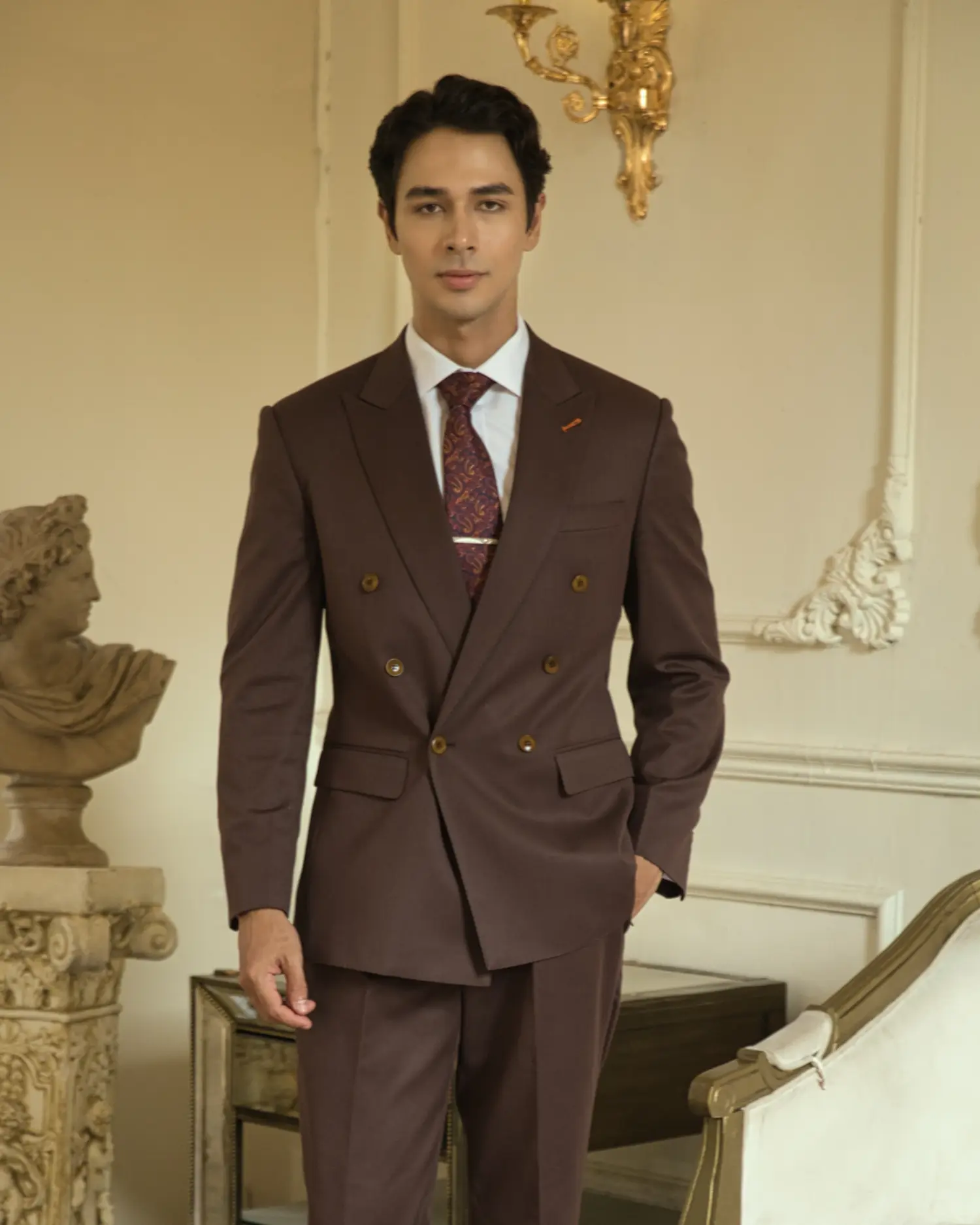
- The Earth Tone Harmony (Brown & Cream/Olive): Ideal for social settings, this group relies on warmth. A Tobacco or Chocolate Brown jacket pairs naturally with Cream, Off-White, or Olive trousers. Unlike the sharp Navy contrast, this pairing feels organic and approachable.
- The Monochrome Depth (Blue on Blue): If you wish to stay within a single color palette, the distinction in shade must be drastic to avoid the “mismatch” trap. Pair a dark Navy blazer with washed, Airforce Blue trousers or light denim. The gap in brightness ensures the look remains intentional.
Step 3: The Balancing Act (The Formality Scale)
Perhaps the most nuanced skill is learning to read the “architecture” of your jacket to determine its eligible partners. You do not need a new wardrobe to practice Spezzato; you simply need to respect the inherent formality of your existing bespoke tailoring. The rule is simple: the details of your jacket dictate the informality of your trousers. A jacket with rigid structure and formal details demands respectful, sharp trousers, while a softer jacket earns a passport to travel further down the casual spectrum.
- Scenario A: The “Strict” Jacket (Flap Pockets & Tonal Buttons): If your jacket has buttons dyed to match the fabric exactly, it retains its business DNA. You must pair it with crisp wool trousers to maintain the bridge of elegance. Do not wear this with jeans.
- Scenario B: The “Versatile” Jacket (Patch Pockets or Contrast Buttons): If your jacket features horn buttons, mother-of-pearl buttons, or patch pockets, it visually signals a relaxed nature. This “Green Light” allows you to pair the jacket with high-quality cotton chinos or even dark, clean denim.
Note: The Shawl Lapel Exception
Before applying these steps, there is one absolute exclusion regarding architecture: The Shawl Lapel. A rounded collar without notches is strictly reserved for Black Tie (Tuxedos) and evening wear. Unlike Peak or Notch lapels, a Shawl collar cannot be “dressed down.” Wearing a Shawl collar jacket with odd trousers in a daytime setting will invariably look like a costume mistake, not a stylistic choice.

The Playbook: Master Combinations & Pattern Execution
Theory provides the rules, but execution creates the style. To transition from understanding Spezzato to practicing it, you do not need to reinvent the wheel. The most stylish men in history have relied on a few timeless formulas that guarantee elegance. Here is your cheat sheet for every level of mastery.
1. The Foundation Pairings (Safe & Elegant)
These are the “high-percentage” shots: combinations that are virtually impossible to get wrong.
- The “Menswear Gold Standard”: Navy Jacket + Grey Bespoke Trousers
This is the most versatile combination a man can own. The logic is simple: The Navy jacket retains a degree of business authority, while the Grey trousers (ideally in Flannel or Fresco) neutralize that severity with a touch of softness. It creates a look that is professional enough for a client meeting yet relaxed enough for a post-work drink. - The Earth Tone Mix: Brown Jacket + Cream/Beige Trousers
If Navy is for business, Brown is for connection. Pairing a Tobacco or Chocolate Brown jacket with Cream or Beige trousers creates a warm, inviting palette. This combination relies on “social intelligence”; it signals approachability and sophistication, making it the perfect choice for date nights or weekend events.
2. Advanced Maneuver: Integrating Patterns
Introducing patterns adds depth to your outfit, but it introduces the risk of visual chaos. Follow these two principles to keep your bespoke tailoring sharp.
- The “Rule of One”: Spezzato works best when there is only one “protagonist.” If your suit jacket features a bold pattern, such as a Windowpane check or a strong Herringbone, your trousers must remain solid and neutral. The solid trousers act as a canvas, allowing the jacket’s artistry to shine without competition.
- Scale Management: If you are advanced enough to mix patterns (e.g., a patterned shirt with a patterned jacket), the secret is differing scales. You must pair a micro-pattern (like a small gingham shirt) with a macro-pattern (like a large windowpane jacket). If the patterns are the same size, they will visually vibrate, causing eye strain for the viewer.
3. Seasonal Context
Finally, true elegance honors the season. Your fabric choices should reflect the environment.
- Winter (Texture on Texture): Pair a heavy Flannel jacket with Corduroy or Cavalry Twill trousers. The visual weight of these fabrics complements the cold, creating a cozy, substantial look.
- Summer (Breathability): Pair an unstructured Linen or Hopsack jacket with Cotton chinos or Tropical wool trousers. The goal here is “airiness”: keeping the silhouette crisp even in the heat.
Conclusion: The Intelligent Wardrobe
Mastering the art of spezzato transforms a static wardrobe into a dynamic asset. By viewing your garments as versatile components rather than rigid uniforms, you maximize the value of bespoke tailoring, effectively turning three suits into nine distinct ensembles.
Whether analyzing your current closet or designing your next suit jacket and bespoke trousers, prioritize texture and adaptability. This approach ensures your style remains as resilient and adaptable as the modern gentleman himself, proving that true elegance lies not in the quantity of your clothes, but in the wisdom of your combinations. To master other essential styling rules beyond suit separates, read our full guide: [The Modern Gentleman’s Playbook: A Suit Styling Guide for Every Occasion].
DISCOVER PHYIGITAL BESPOKE TAILORING