Best suit style for men: Single-Breasted Suit vs Double Breasted-Suit
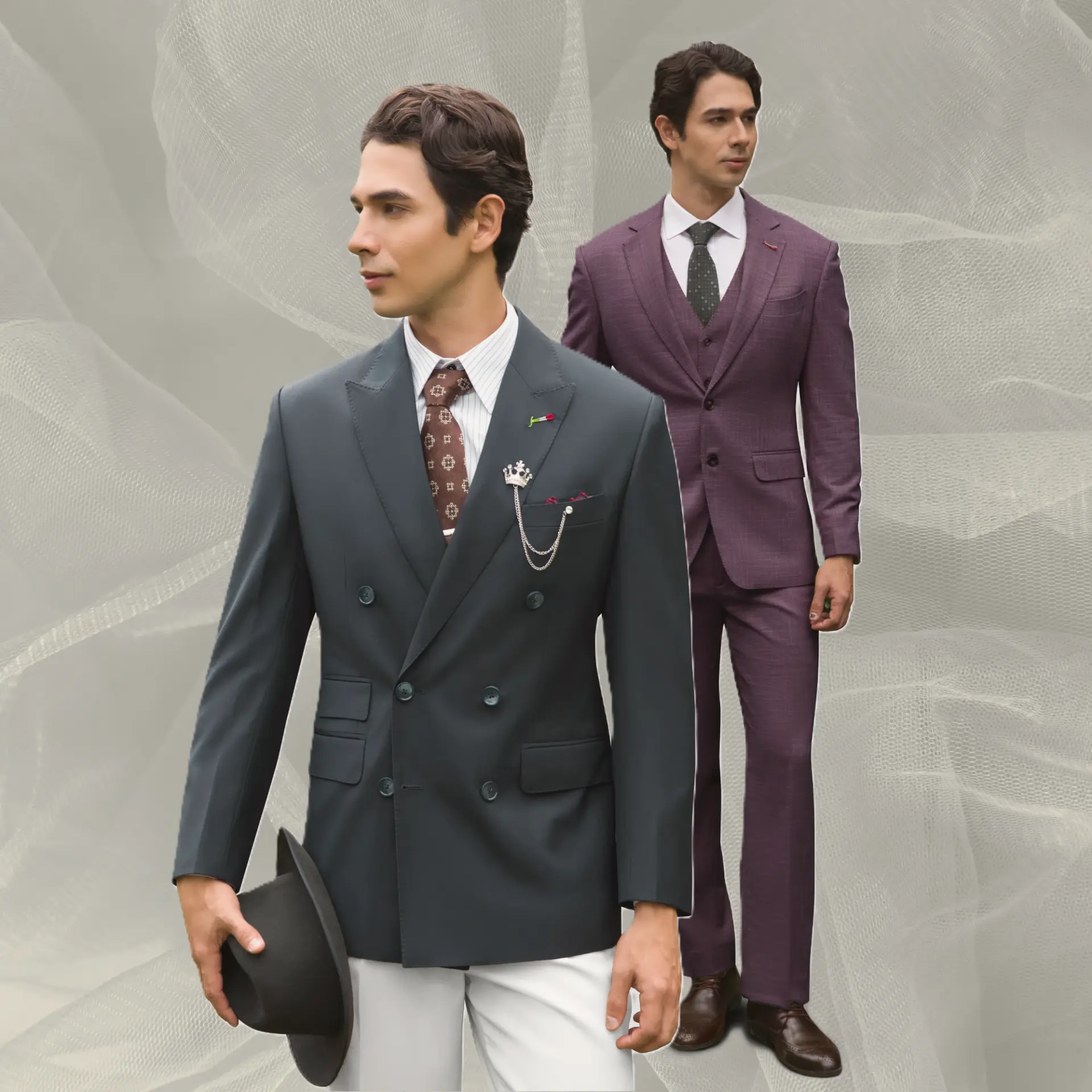
Choosing the right suit is about more than simply picking a fabric or colour. For any discerning gentleman, one of the first decisions is whether to opt for a single-breasted or double-breasted suit. Both styles are iconic, yet they serve very different purposes in terms of silhouette, formality, and overall aesthetic. Understanding these distinctions can help you dress confidently, flatter your body type, and select a suit that aligns with both the occasion and your personal style.
The decision between single-breasted and double-breasted blazers can significantly influence how a suit complements your physique. The cut, closure, lapel style, and button stance all contribute to the overall appearance. Whether for work, formal events, or bespoke tailoring, knowing the key differences is essential.
What Is a Single-Breasted Suit?
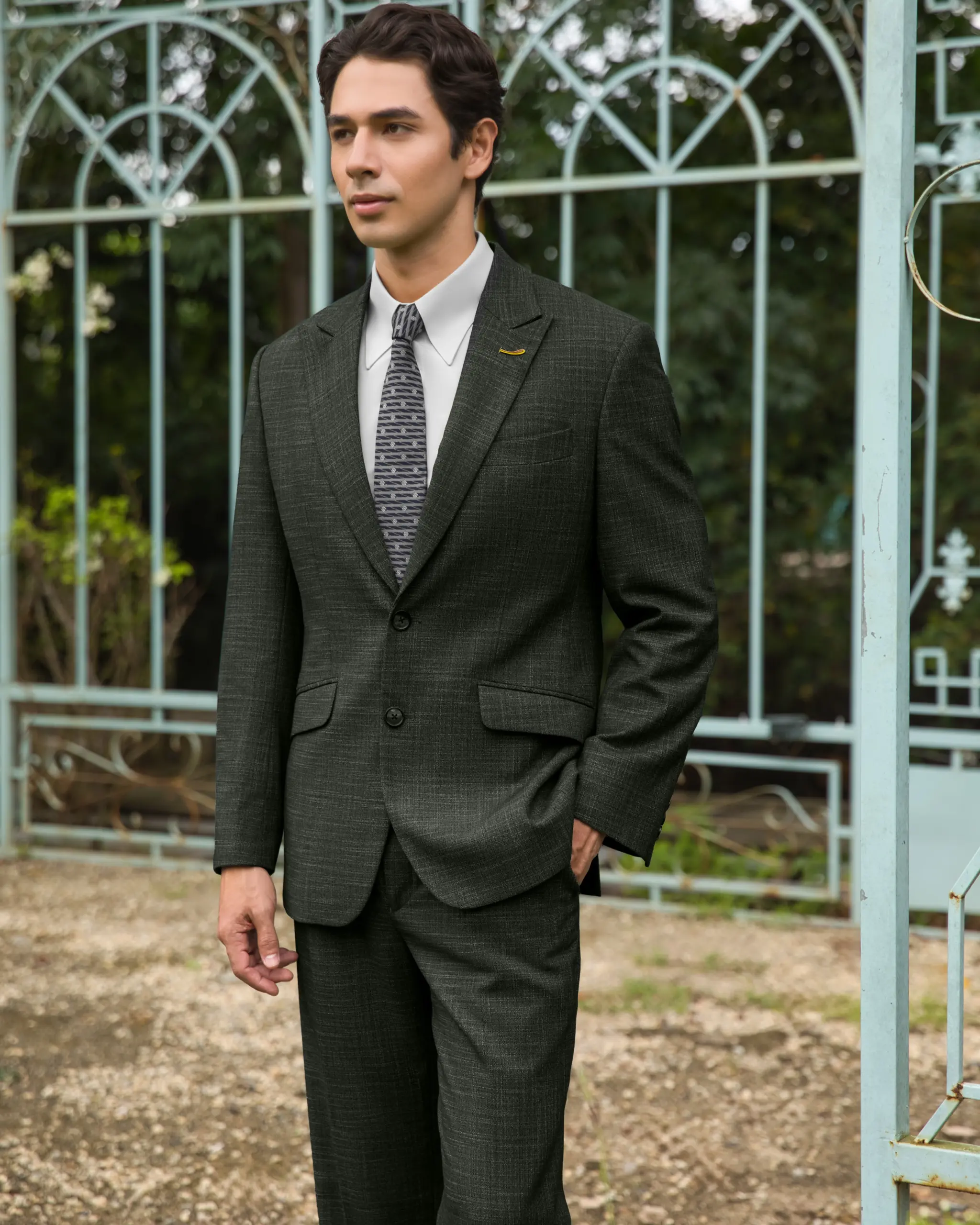
A single-breasted suit is the most common style in men’s fashion. It features a front opening with a single column of 1-3 buttons, creating a streamlined and versatile look. Lapels are typically notch or occasionally peak, and the silhouette is designed to be understated yet elegant. This simplicity is part of its charm, making it adaptable across a range of environments and body types.
Single-breasted jackets are particularly prized for their clean lines and versatility. They provide a modern, minimalistic aesthetic that suits most occasions, from office environments to semi-formal gatherings. The adaptable design allows for effortless pairing with a variety of shirts, trousers, and accessories, making them a true wardrobe staple.
This style is especially suitable for business meetings and corporate settings, where a professional appearance is essential. It also works well for daily office wear, providing comfort and ease of movement throughout the workday. For semi-formal occasions, the single-breasted jacket maintains a polished and understated elegance. Its versatility also makes it ideal for travel, allowing you to carry a suit that can adapt to multiple scenarios without complication.
When considering the pros and cons, the advantages of a single-breasted suit are clear. It is flattering on nearly all body types, highly versatile for different occasions, and easy to style with various shirts and trousers. On the other hand, it is less visually bold than a double-breasted jacket and may not make a strong fashion statement for more formal evening events.
What Is a Double-Breasted Suit?
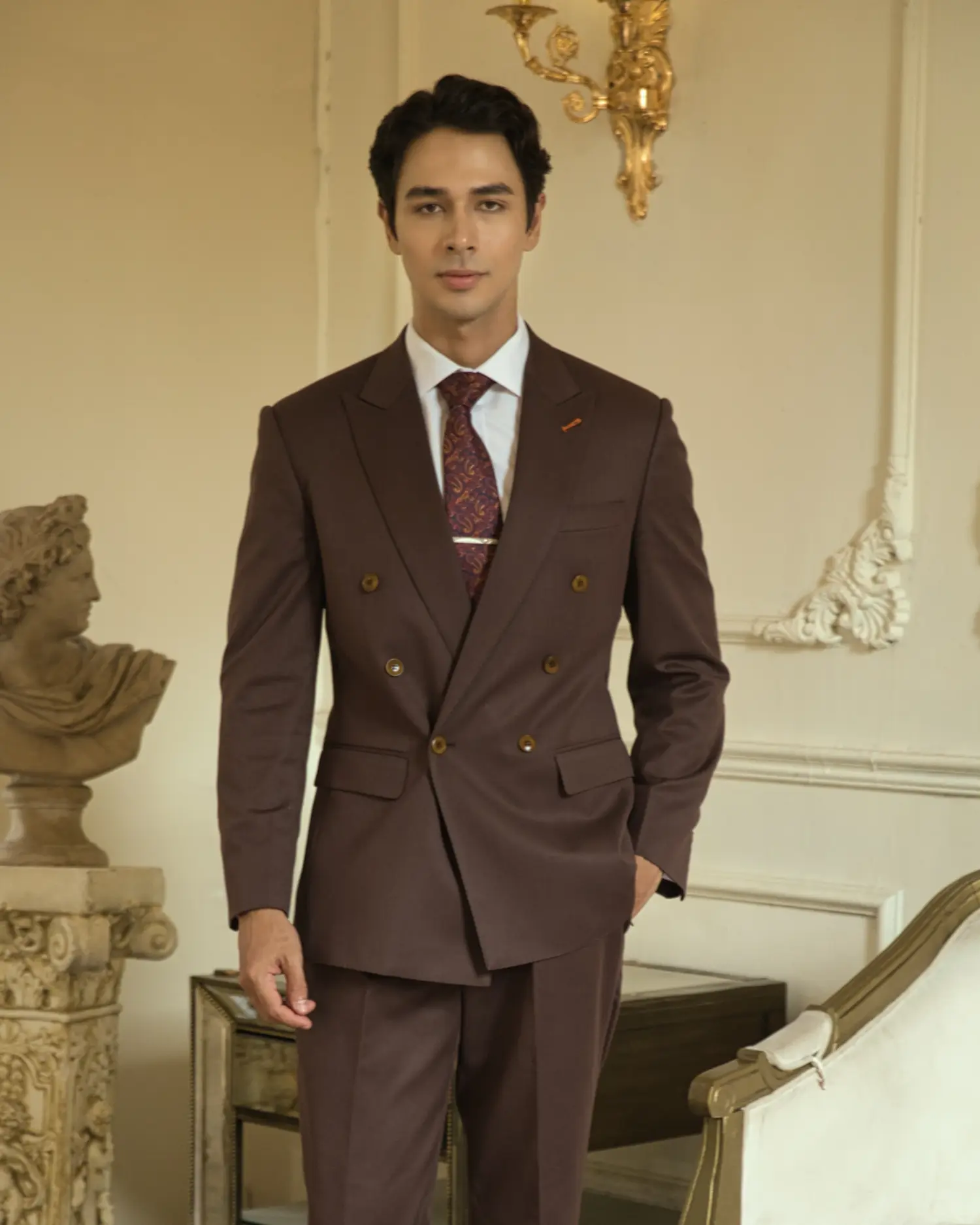
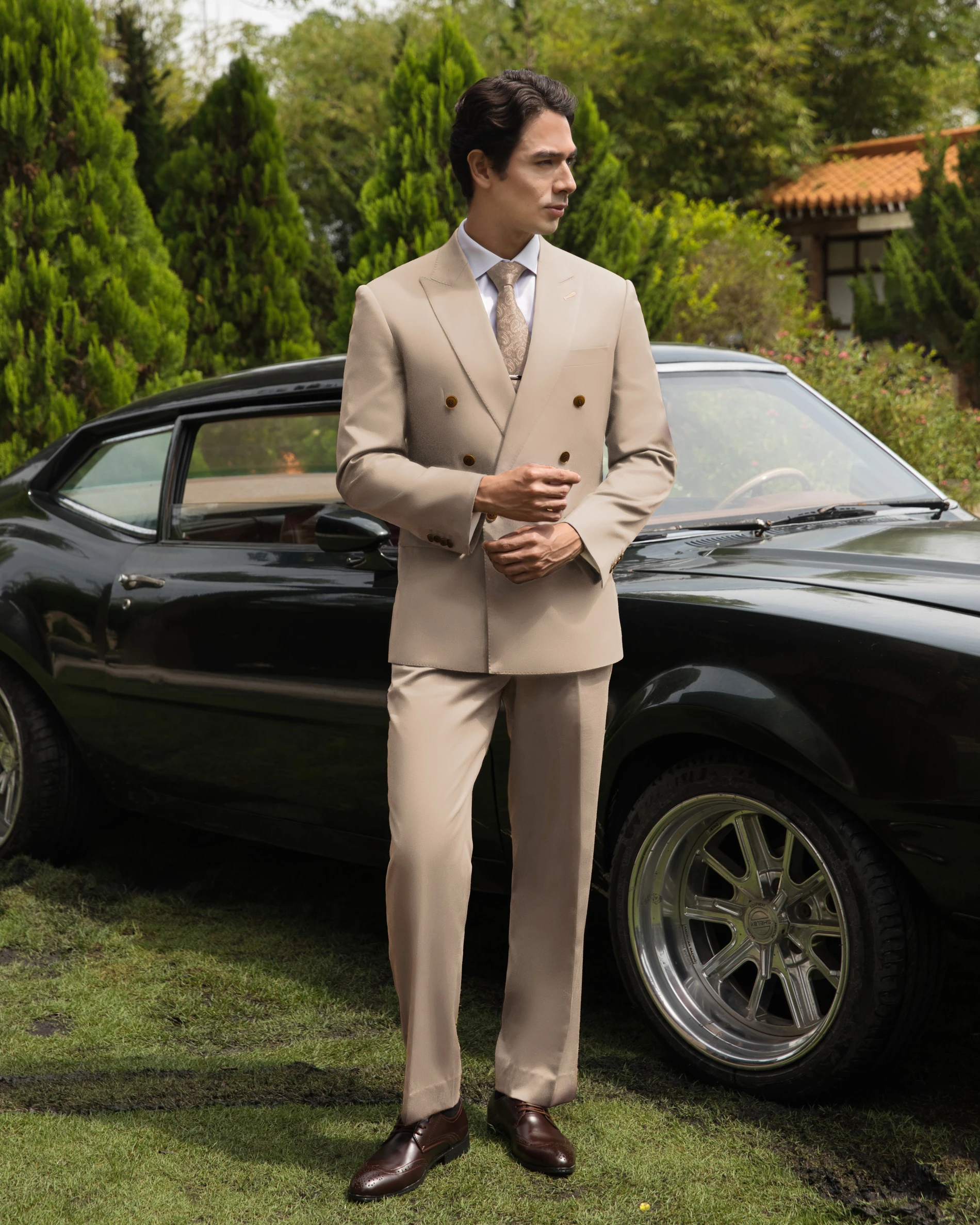
A double-breasted suit is instantly recognisable by its 4-6 buttons and overlapping front panels, which create a more structured and commanding silhouette. Typically paired with a peak lapel, this style emphasises the chest and shoulders, giving a sharp, confident appearance. The design conveys a sense of authority and elegance, making it a classic choice in men’s formalwear.
Double-breasted jackets are known for their bold and structured character. The overlapping panels enhance the visual impact of the chest, creating a pronounced and refined silhouette. This style naturally draws attention, offering a stronger presence than single-breasted alternatives, and is often associated with a more traditional, sophisticated aesthetic.
This style is best suited for weddings, formal events, and high-profile business occasions, where a polished and authoritative look is desired. The double-breasted jacket signals confidence and sophistication, making it ideal for situations where making a strong impression matters.
When evaluating the pros and cons, the advantages of a double-breasted suit are clear: it provides a powerful and luxurious appearance, giving the wearer a commanding presence in any formal setting. On the other hand, it is less versatile than a single-breasted jacket and can be more challenging to fit, particularly for men with a fuller midsection. Careful tailoring is essential to ensure comfort and maintain the intended sleek silhouette.
Key Differences: Single vs Double-Breasted
When deciding between a single-breasted and a double-breasted suit, understanding the key differences can help you choose the style that best complements your body type, lifestyle, and the occasions you attend.
Silhouette: The most noticeable distinction lies in the silhouette. Single-breasted suits offer a streamlined, minimalistic profile, creating clean vertical lines that flatter nearly every figure. In contrast, double-breasted jackets are structured and commanding, with overlapping panels that enhance the chest and shoulders, producing a more pronounced, traditional shape.
Formality level: Formality is another important factor. Single-breasted jackets are highly versatile, suitable for everyday business, semi-formal events, and even travel. Double-breasted jackets, on the other hand, are inherently formal and elevated, best reserved for occasions where a polished, authoritative presence is desired, such as weddings, formal parties, or high-profile business events.
Body type suitability: When it comes to body type suitability, single-breasted suits are remarkably forgiving, making them a safe choice for nearly all body shapes, from slimmer builds to fuller figures. Double-breasted jackets, however, work best for men with broad shoulders, a well-developed chest, or a very slim frame seeking added volume, as the overlapping front panels and structured cut can add dimension where needed.
Comfort and Movement: Comfort and movement also differ between the two styles. Single-breasted suits allow for greater freedom of movement thanks to their simpler front closure, making them more comfortable for long hours of wear. Double-breasted jackets, with their overlapping panels, feel more fitted and structured. While this provides a commanding look, it can slightly restrict mobility if the fit is not precise.
Button stance & lapel style: Button stance and lapel style further distinguish the two designs. Single-breasted jackets typically offer 1-3 buttons and can come with notch or peak lapels, allowing flexibility in style. Double-breasted jackets usually have 4-6 buttons with peak lapels, creating a more formal and classic appearance.
Occasions and Pairing flexibility: Finally, pairing flexibility and occasion suitability vary. Single-breasted jackets pair effortlessly with a variety of trousers, shirts, and accessories, making them highly adaptable. Double-breasted jackets require more considered coordination to maintain a balanced look but reward the wearer with a bold and authoritative impression when styled correctly.
Understanding these differences allows you to select a suit that not only fits your body and personality but also suits the events you attend, ensuring you look confident and well-dressed at all times.
Tailoring Impact: Why the Fit Matters
Regardless of whether you choose a single-breasted or double-breasted suit, the fit is what ultimately defines its appearance and comfort. The finest fabrics and most elegant designs can only shine when tailored precisely to your body. Key elements such as canvas construction, shoulder structure, and waist suppression play a crucial role in shaping the jacket. The canvas determines how the fabric drapes and moves, shoulder shaping defines the silhouette, and careful waist suppression ensures a sleek, flattering line.
The choice between single and double-breasted suits also influences tailoring considerations. Single-breasted jackets benefit from a slightly simpler structure, allowing more freedom of movement and versatility in styling. Double-breasted jackets, with overlapping panels and a more formal front, require meticulous attention to ensure the jacket sits correctly across the chest and shoulders without restricting motion or creating excess bulk.
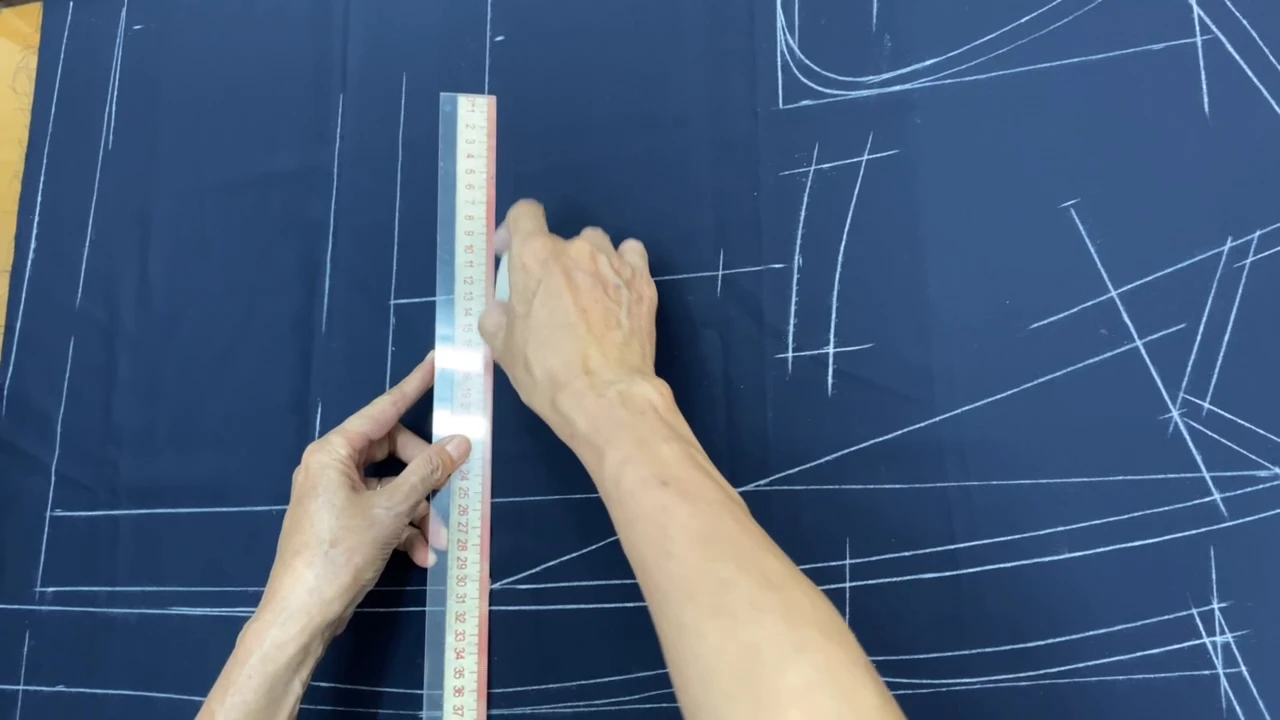
This is where bespoke tailoring truly makes a difference. By crafting the suit from scratch based on your exact measurements, bespoke tailoring ensures both single and double-breasted styles look refined and proportionate. Every element – from the canvas to the lapel roll – is carefully executed, giving the jacket a polished, luxurious finish that Ready-To-Wear (RTW) or Made-To-Measure (MTM) alternatives cannot fully replicate. In essence, bespoke tailoring elevates the elegance and presence of any suit, making the wearer appear confident, stylish, and perfectly put together
Conclusion
In conclusion, choosing between a single-breasted and a double-breasted suit depends on your personal style, body type, and the occasions for which you plan to wear it. Single-breasted suits offer versatility, comfort, and timeless appeal, making them ideal for everyday office wear and semi-formal events. Double-breasted suits provide a structured, commanding presence, perfect for weddings, formal occasions, or high-profile business settings.
Ultimately, the fit and tailoring are what elevate either style. Bespoke tailoring ensures that every detail – from the canvas and shoulder structure to the lapel and button placement – is customised to your exact measurements, resulting in a suit that is both flattering and luxurious. Online bespoke services, such as Rosie Hong, make this level of precision and craftsmanship accessible from the comfort of your home, combining convenience with the quality of traditional bespoke tailoring.
For further reading and to deepen your understanding of men’s suiting, explore article on Understanding Men Suit Construction.
DISCOVER PHYIGITAL BESPOKE TAILORING