Sustainability in Bespoke Tailoring: How Rosie Hong Protects the Environment

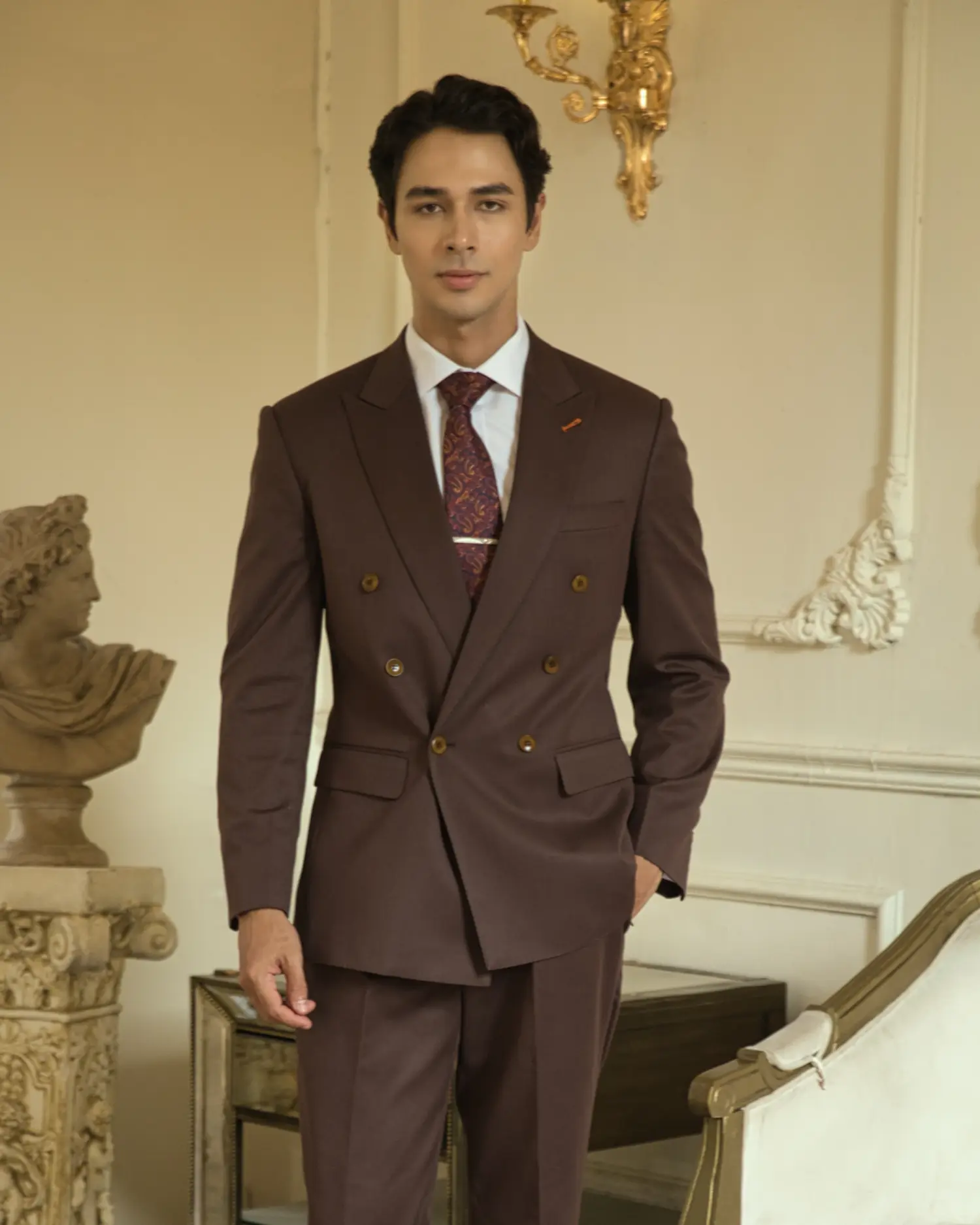
The fashion industry is responsible for nearly 10% of global carbon emissions, with fast fashion driving much of the waste through mass production, overstock, and disposable garments. Bespoke tailoring, by contrast, has always offered a slower, more intentional approach garments made to fit one person, in smaller volumes, and built to last. At Rosie Hong, we take this philosophy further. By combining artisanal craftsmanship with 3D body scanning technology and a commitment to sustainable practices, we create clothing that not only looks refined but also respects the planet.
Sustainable Fabrics
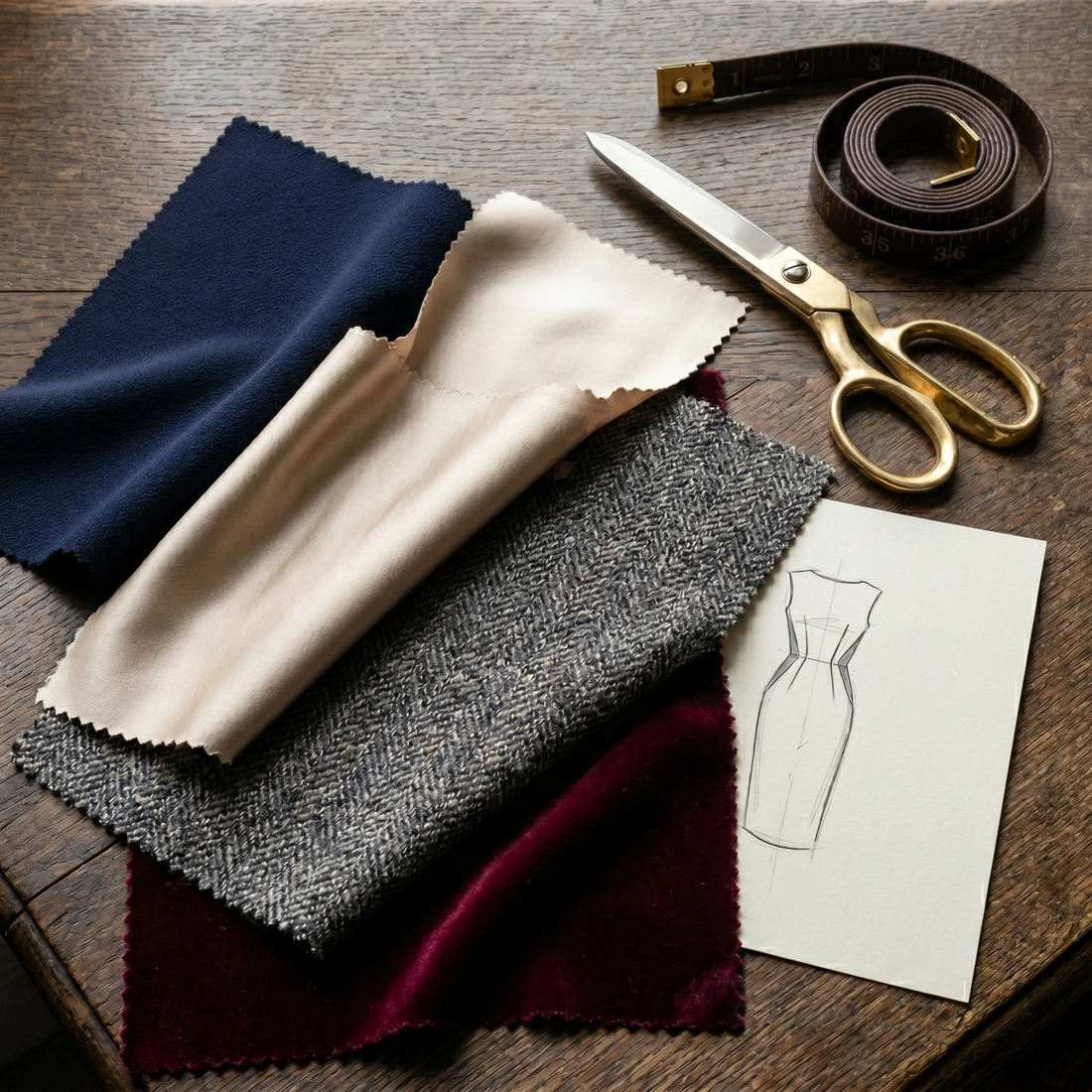
The foundation of any tailored garment is the fabric. In sustainable bespoke tailoring, fabric choices do more than determine aesthetics and comfort, they carry environmental weight.
- Natural Fibers with Certification
Wool, organic cotton, linen, and silk remain our core materials, but we take a step further by sourcing from mills certified by global standards such as OEKO-TEX and GOTS. These certifications ensure that fabrics are free from harmful chemicals, responsibly produced, and safe for both wearer and planet. It’s not just luxury you feel on your skin; it’s peace of mind.
- Partnerships with Responsible Mills
Sustainable fabrics cannot exist without responsible production. In recent years, Italy, England, Scotland and Australia have emerged as leaders in textile innovation, combining centuries-old craftsmanship with modern sustainability practices. Mills in these regions are now adopting traceable supply chains from farm to finished fabric and investing in cleaner dyeing techniques to reduce environmental impact. By choosing to work with such mills, bespoke tailoring ensures that each garment carries not only beauty but also a transparent story of origin.
- Minimizing Synthetics
Unlike fast fashion, which leans heavily on polyester and synthetic blends that pollute waterways and resist biodegradation, Rosie Hong deliberately limits their use. By reducing reliance on harmful fibers, we design garments that not only last longer in your wardrobe but also tread lighter on the planet once their lifecycle ends.
- Fabric as a Long-Term Investment
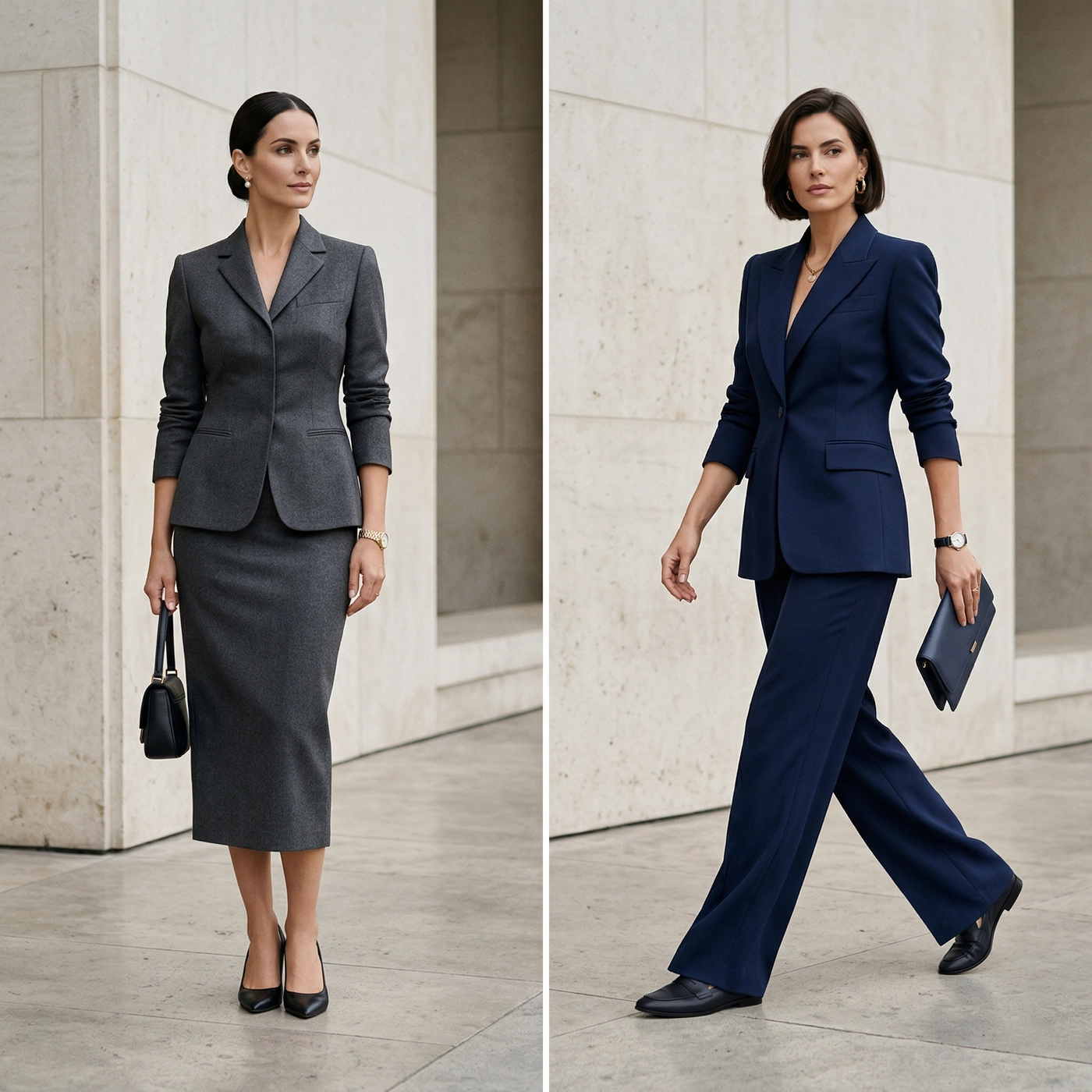
Luxury is no longer about excess – it is about intention. By choosing fabrics that balance durability with elegance, we ensure each bespoke piece becomes a long-term investment. A well-tailored suit or dress made from sustainable textiles is not just worn; it is lived in, repaired, and passed on, embodying both timeless elegance and ecological care.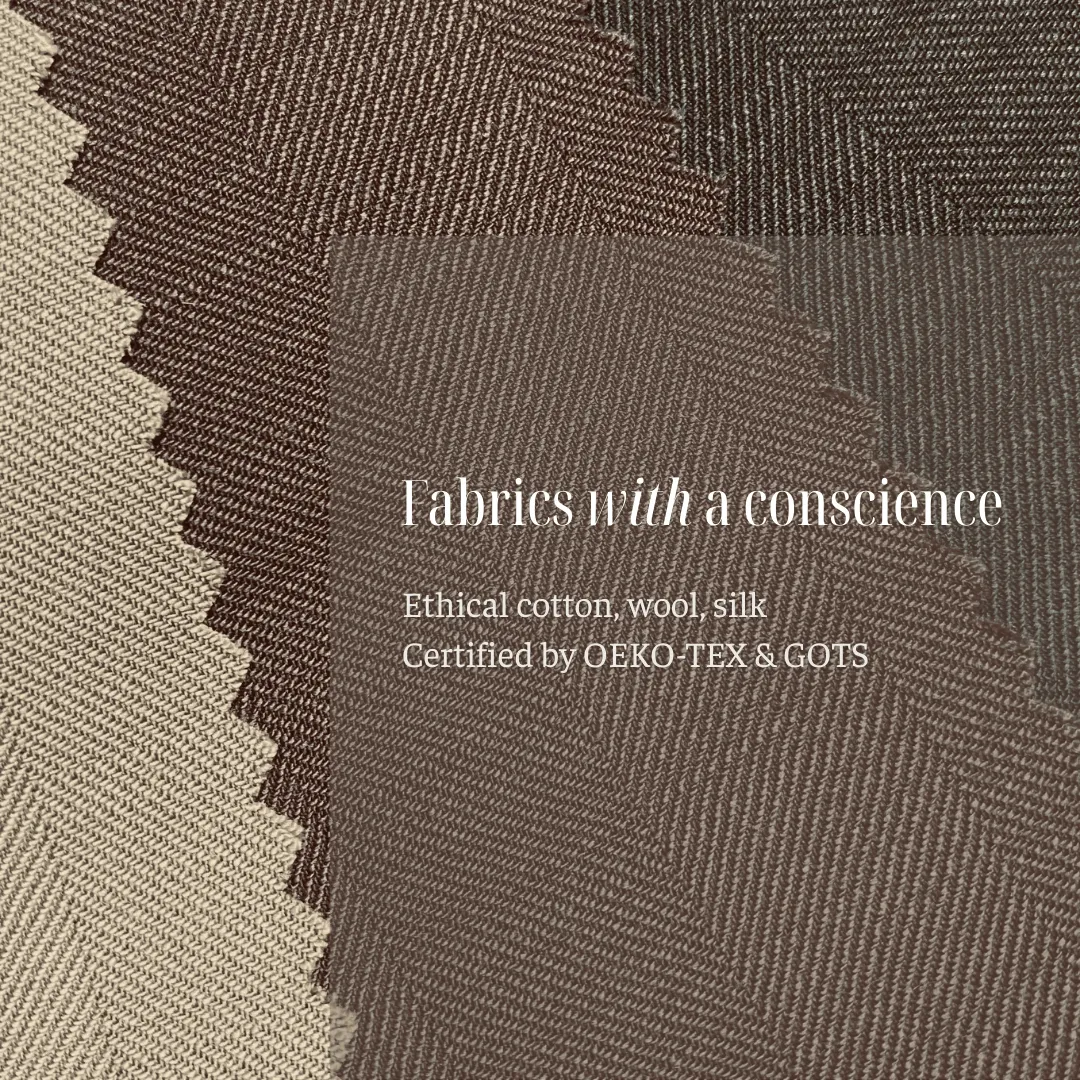
Transparent Supply Chain
Luxury is not only defined by the fabric itself but also by the journey it takes before reaching the tailor’s shears. In bespoke tailoring, where every garment is made with purpose, the supply chain becomes as important as the stitches that hold the piece together.
- A Compact, Traceable Journey
Unlike mass production, where garments travel through countless invisible hands, bespoke tailoring thrives on short and traceable supply chains. From the certified mill to the atelier to the client, every step is deliberate. This minimizes the risk of overproduction, reduces unnecessary transport, and builds trust by showing clients where their garments truly come from.
- Made-to-Order, Not Mass-Produce
Perhaps the most sustainable principle of bespoke tailoring is also the simplest: garments are only created when there is a request. Each piece is cut and sewn after an order is placed, eliminating unsold stock – one of the greatest sources of waste in the fashion industry. This approach ensures that resources are invested wisely, and nothing is produced only to end up in landfills.
- Handcraft over High Energy Production
Fast fashion relies on heavy machinery and large factories, consuming enormous amounts of energy to churn out garments at speed. Bespoke tailoring takes the opposite path: handcrafting. By producing on a smaller scale, with skilled artisans focusing on fewer pieces, energy use is significantly reduced. What emerges is not just a garment but a piece of craftsmanship that honors both the maker and the planet.
- Building Trust Through Visibility
Today’s conscious consumer demands more than promises. They want proof. Transparency in the supply chain is no longer optional, it is the new standard of luxury. By working closely with mills and ateliers that provide full documentation of sourcing and ethical practices, Rosie Hong ensures that clients not only wear garments of beauty but also garments of truth.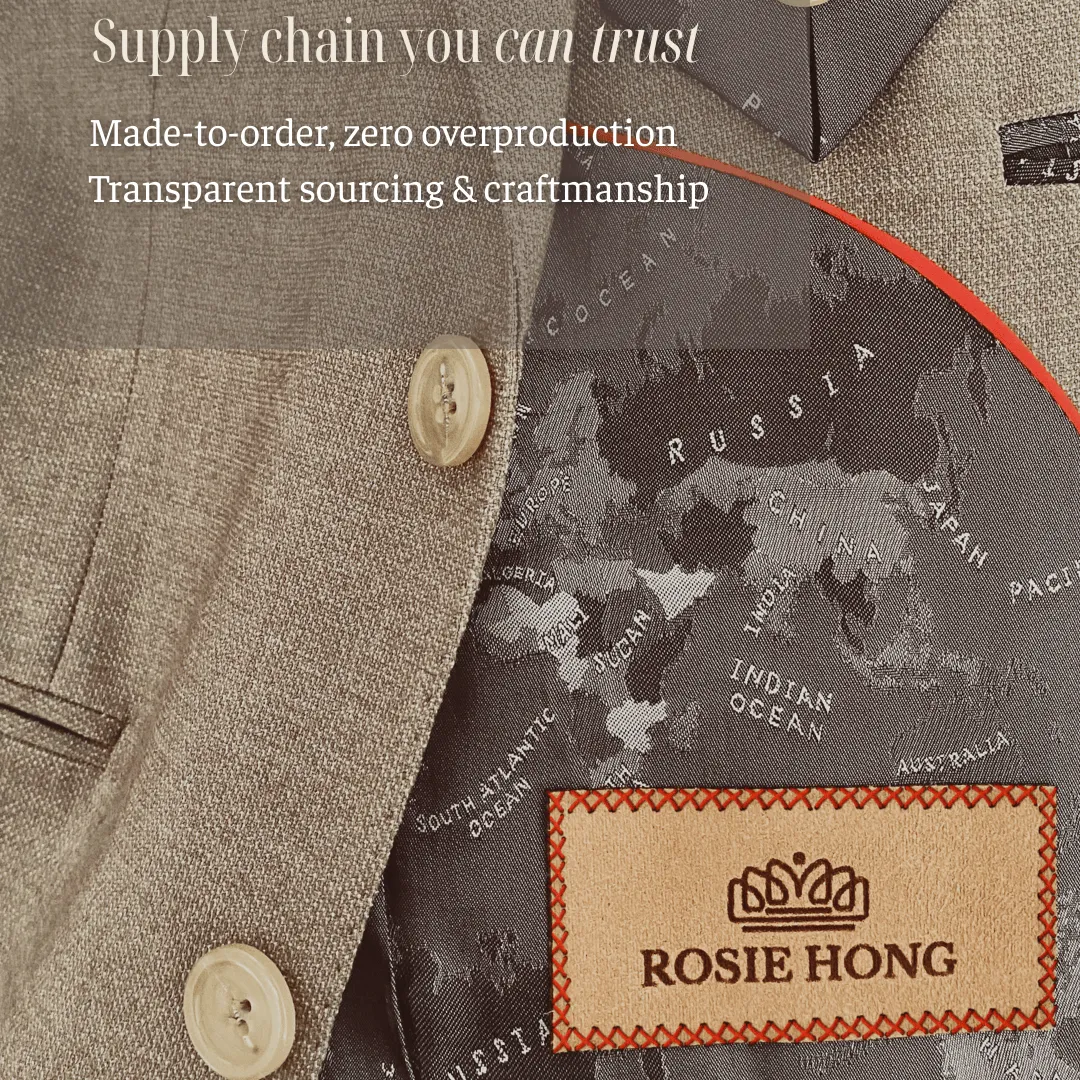
Longevity & Circularity
If fast fashion thrives on speed and disposability, bespoke tailoring takes the opposite path: it is built on longevity. Every garment is designed with the intention of being worn, cared for, and cherished over years even decades. True sustainability is not only about how clothing is made, but also about how long it lives.
- Tailoring That Lasts
The craftsmanship of bespoke tailoring ensures that each piece is constructed to endure daily wear while maintaining its shape and elegance. High-quality stitching, canvassed structures, and durable fabrics mean that garments do not simply serve a single season but remain relevant across changing trends. In this way, bespoke becomes both timeless style and responsible consumption.
- Care and Afterlife of Clothing
Extending the lifespan of garments requires more than good construction; it also depends on care. Tailors increasingly offer services such as complimentary alterations, repairs, and resizing in the first year. These practices give garments flexibility as clients’ needs evolve, ensuring that a suit, dress, or skirt adapts rather than being discarded.
- Circular Mindset
Rather than encouraging replacement, bespoke tailoring embraces renewal. Clients are invited to refresh older garments by updating linings, adjusting silhouettes, or reworking details. This circular approach transforms clothing into an evolving investment, one that matures with its wearer. In doing so, waste is minimized and garments gain deeper sentimental as well as material value.
- Clothing as Legacy
Longevity in bespoke tailoring extends beyond the individual. Many pieces are designed to be passed on, carrying with them stories of personal identity and heritage. When garments are created with quality, care, and responsibility, they become more than items of clothing – they become heirlooms, linking past, present, and future generations.
Technology for Sustainability
In bespoke tailoring, tradition has always been the heart of craftsmanship. Yet in 2025, technology no longer stands in opposition to heritage – it amplifies it. At Rosie Hong, 3D body scanning is woven into the artistry of tailoring, ensuring sustainability is strengthened without compromising authenticity.
- 3D Body Scanning: Precision with Less Waste
A perfectly tailored garment has always required fittings, adjustments, and refinements. With 3D body scanning, many of those steps are anticipated before the first stitch is made. The scan captures posture, proportions, and nuances invisible to the eye, reducing trial-and-error and minimizing fabric waste. Instead of replacing the artisan, it allows them to focus on the finer details that elevate a garment from good to extraordinary.
- Digital Archives: A Wardrobe That Remembers
Each bespoke garment tells a story – and with digital archives, that story is preserved. Client measurements, preferences, and past commissions are stored for future use, enabling garments to be recreated, updated, or repaired with precision. This not only saves resources but also transforms tailoring into a living archive of personal identity, carried forward from one commission to the next.
- Online Bespoke: Craft Without Borders
Technology also reduces the environmental impact of travel. Online consultations and fittings, guided by digital scans, bring the atelier experience to clients worldwide. The result is fewer flights, fewer car journeys, and a smaller carbon footprint without sacrificing the intimacy of bespoke. Every commission becomes both global and local: crafted by artisans, yet shaped by technology to reach clients wherever they are.
In this way, technology is not a replacement for heritage but its ally. It ensures that the values of bespoke tailoring – individuality, craftsmanship, and longevity are not only preserved but made sustainable for generations to come.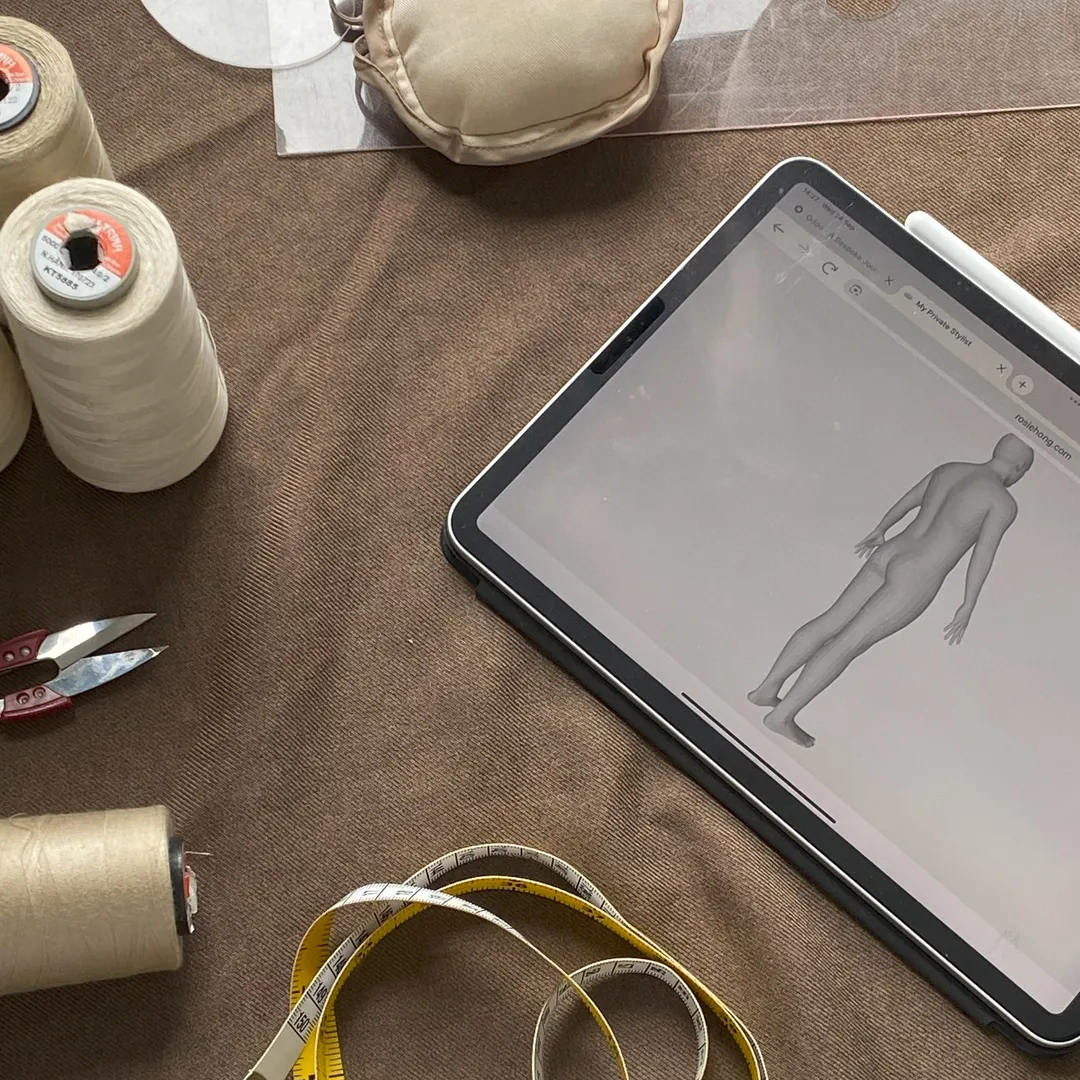
Conclusion – Online Bespoke as a Path to Responsibility
Sustainability in online bespoke tailoring is not a trend but a principle. From certified fabrics to transparent supply chains, from garments built to last to technology that reduces waste, responsibility is woven into every detail. True luxury today means elegance with intention garments that honor the wearer, respect the craft, and tread lightly on the planet. Bespoke shows us that fashion can endure not just as style, but as legacy.
At Rosie Hong bespoke online shop, this philosophy guides every stitch. By combining bespoke craftsmanship with 3D body scanning and sustainable practices, we prove that looking refined and protecting the planet can, and should, go hand in hand.
DISCOVER PHYIGITAL BESPOKE TAILORING