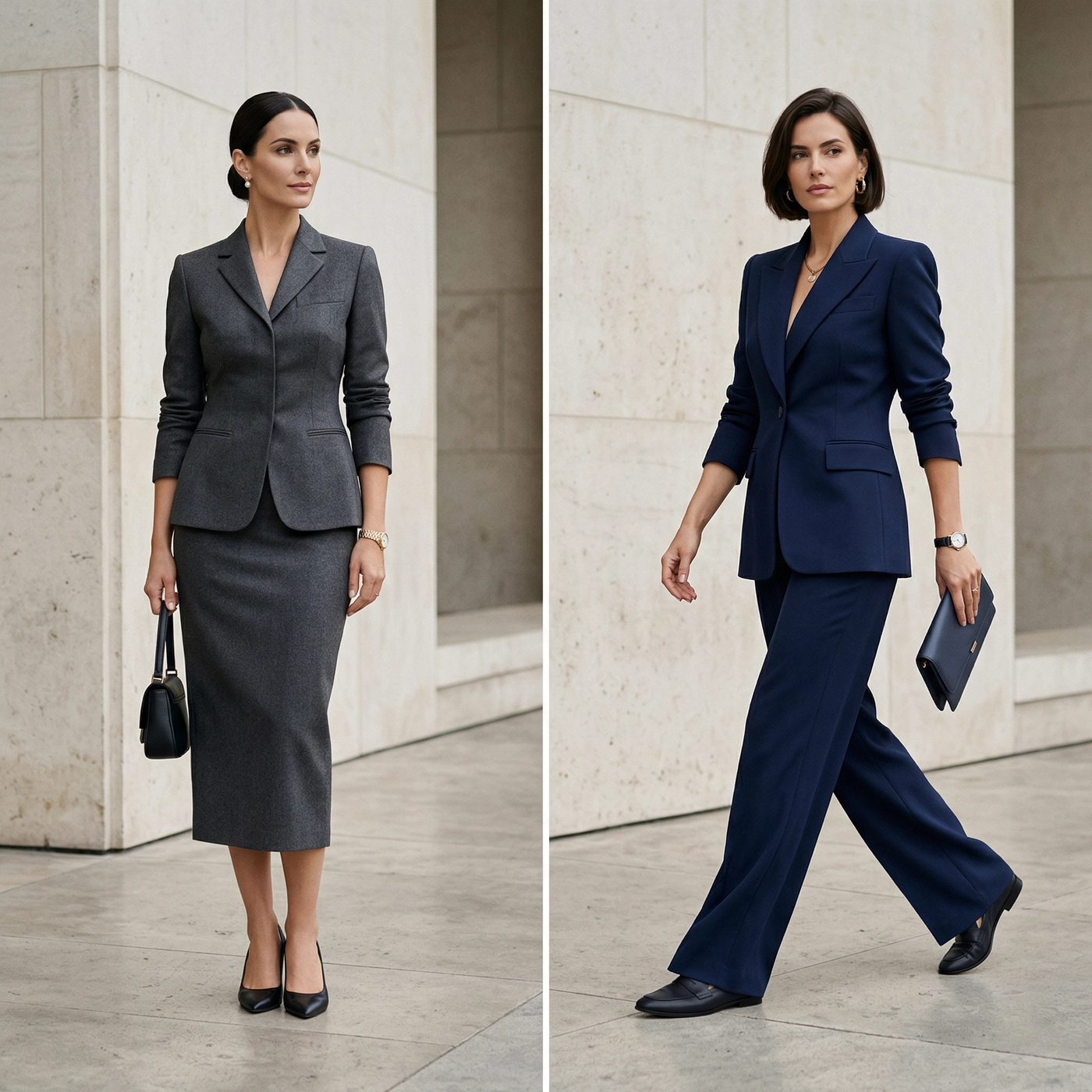
Why Traditional Tailors Often Fail to Fit Your Body Shape

For generations, traditional tailor has promised a perfect fit for every body shape type – yet many clients still leave with garments that don’t quite feel like their own. The reason often lies in the methods tailors use: numbers and flat patterns that fail to capture the subtleties of a real body. Every body shape type carries unique proportions, posture, and curve distribution that can’t always be reduced to tape-measure statistics.
The Hidden Limits of Traditional Tailoring
For generations, traditional tailoring shops have been seen as the go-to place for a perfect fit. The familiar image is always the same: a tailor with a measuring tape, carefully noting numbers into a notebook. While this ritual carries a sense of craftsmanship, it also exposes some hidden limits that many clients – both men and women – quietly struggle with:
- Measuring Can Feel Uncomfortable: Standing still while a tailor measures sensitive areas such as the chest, waist, or inner leg can feel awkward or even invasive. Many clients instinctively adjust their posture – pulling in the stomach, stiffening the shoulders which distorts their natural form. The end result is a garment cut for a moment of self-conscious posing, not for real life.

- Numbers Without Context: Traditional shops rely on handwritten notes of bust, waist, hip, inseam, or sleeve length. But numbers alone cannot capture body posture, shoulder slope, or how weight is naturally distributed. Two clients with identical measurements can look completely different in reality.
- No Visual Record: Once the numbers are written down, the tailor often has nothing to reference beyond memory. Without images or body maps, subtle details fade over time. When clients return months or years later, even with the same measurements, the garment can still feel “off.”
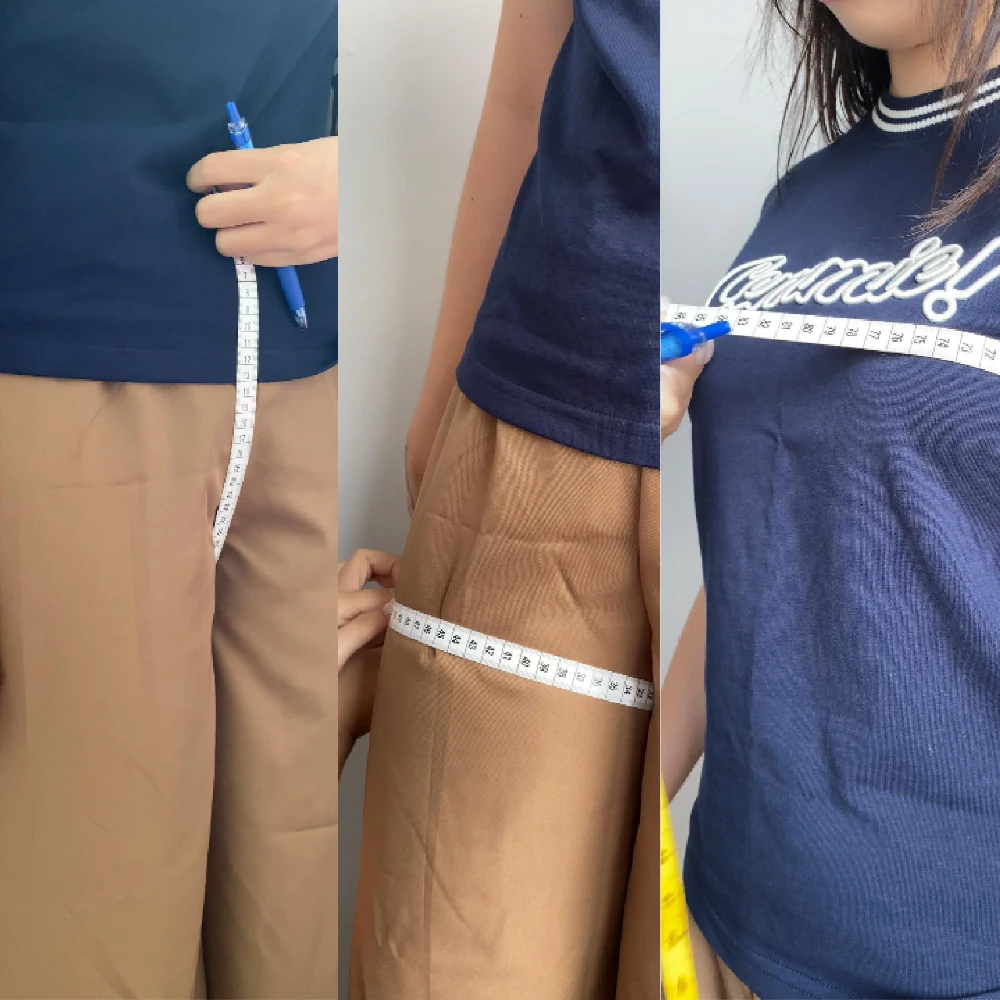

These hidden limits explain why even in the best traditional shops, clients sometimes walk away with garments that technically “fit,” yet don’t feel personal, natural, or comfortable.
Why Traditional Tailor Shops Struggle to Capture Real Body Shapes
Even with decades of experience, traditional tailors face an unavoidable limitation: real bodies don’t behave like flat patterns or fixed numbers.
- The Body is Always Changing: A person’s form is not frozen in time. Women’s curves shift with life stages like pregnancy or menopause, while men often develop rounded backs or midsection weight gain from desk-bound lifestyles. Static measurements written in a notebook cannot keep pace with these natural transitions.
- Asymmetry is the Norm, Not the Exception: Very few bodies are perfectly balanced. One shoulder may slope lower, a hip may sit higher, or a stance may lean subtly to one side. These small but crucial details affect how clothing drapes and moves – yet conventional patterns, designed around symmetry, tend to ignore them.
- Subtleties Get Lost in Translation: Two clients may share the same waist or chest measurement, but carry weight, muscle, or posture in entirely different ways. Without a visual record or 3D reference, these distinctions fade, leaving garments that look correct on paper but feel unnatural in wear.
The result is often more than just a technical mismatch – it’s an emotional letdown. Clients walk into a tailoring shop expecting garments that finally “understand” their body. But when jackets pull at the stomach, trousers strain at the hips, or sleeves don’t sit right, the disappointment feels personal. Instead of boosting confidence, the clothes highlight every detail the tailor overlooked. Over time, this erodes trust in the very idea of “custom” clothing, leaving many to wonder whether a truly personal fit is even possible.
3D Body Scanning: Redefining Bespoke with Precision and Ease
Unlike the limitations of traditional tailor shops, 3D body scanning shifts the focus away from numbers and memory, and toward a complete, living portrait of your body. It’s not just a different way of measuring – it’s a new way of understanding shape, posture, and proportion in real time. Instead of reducing individuality into averages, the scan celebrates every detail of your form and transforms it into a digital blueprint for true bespoke design.
What makes this technology revolutionary is how effortlessly it solves the problems that have long frustrated clients. No longer do you have to stand stiffly while a tailor wraps a tape measure around sensitive areas. A single scan captures your body naturally, without discomfort, and records every subtle contour in three dimensions. This record doesn’t fade with time or rely on memory; it becomes a permanent reference that tailors can use again and again. And when life changes whether through posture shifts, weight fluctuations, or natural aging the process is just as simple: a quick re-scan updates your profile instantly, ensuring each garment still feels like it was made today, not years ago.
Even more transformative is the convenience it brings. With a bespoke tailor online powered by smart measurement with technology, there’s no need for repeated fittings or countless trips to the shop. Your scan becomes your passport to custom clothing, allowing skilled tailors to craft pieces that honor your unique shape and deliver them straight to your door.
3D body scanning doesn’t simply enhance tailoring, it redefines it. It merges science with artistry, comfort with precision, and personal identity with craftsmanship. In doing so, it turns the promise of bespoke into a reality that fits not just your body, but also your lifestyle.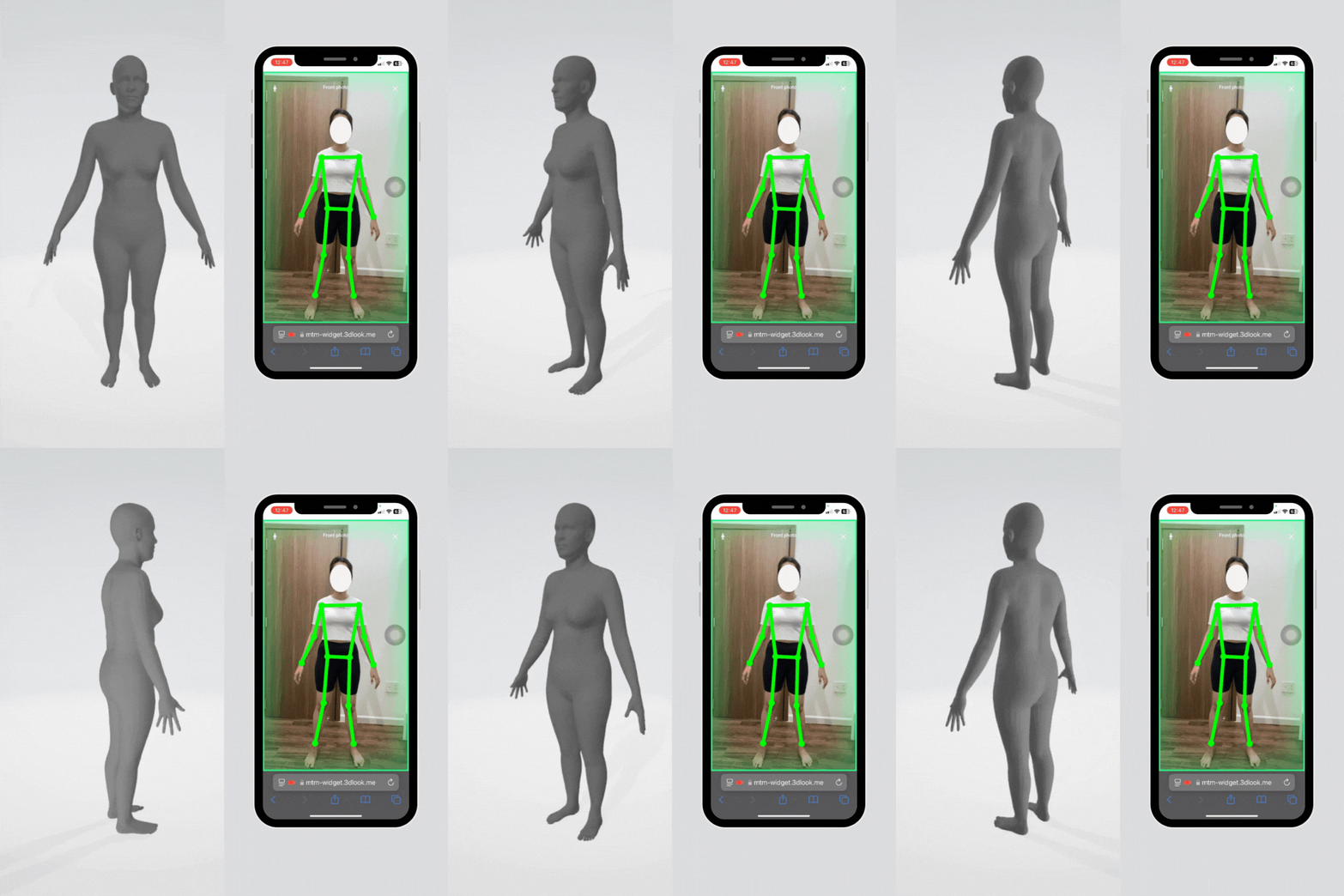
Beyond Fit: Where Technology Meets Craftsmanship
Perfect fit is never just about numbers it’s about how technology and craftsmanship come together. While 3D body scanning captures your body with unmatched precision, it is the skill of experienced tailors that transforms this digital blueprint into garments that move, breathe, and live with you.
Unlike traditional tailoring, which relies on memory or static notes, modern scanning ensures every subtle contour of your body is recorded and preserved. And when paired with the artistry of a master tailor, those details are translated into cuts, drapes, and finishes that celebrate your individuality.
As your body changes, updating your digital profile is effortless. Skilled tailors can then refine each new piece based on the most current version of you – ensuring a wardrobe that evolves naturally, without compromise.
This union of precision and artistry redefines bespoke: it’s not only clothing that fits better, but clothing that feels truly yours, year after year.
Conclusion – Your Body Deserves Precision, Not Compromise
Your body shape type is not something to be hidden or forced into outdated patterns – it is something to be celebrated. With the precision of 3D scanning and the artistry of bespoke for women, tailoring finally moves beyond compromise and delivers clothing that truly fits both form and spirit.
At Rosie Hong, our bespoke online shop brings this vision to life, making it effortless to own garments that honor your individuality while fitting flawlessly. Because your body deserves more than averages – it deserves precision, comfort, and timeless confidence.
DISCOVER PHYIGITAL BESPOKE TAILORING